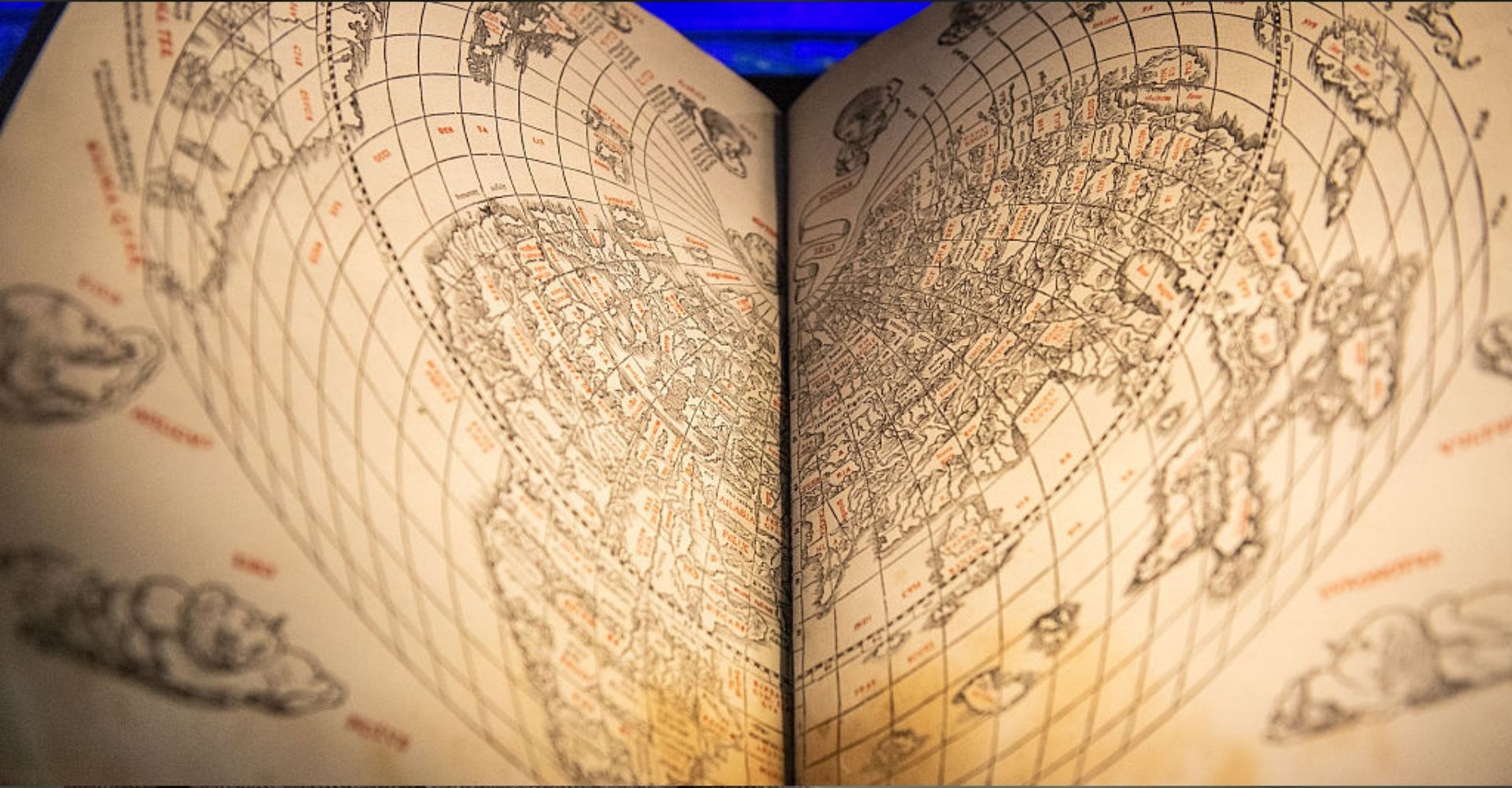
If artificial intelligence is increasingly reliant on books to feed its systems, what happens to the value of the original when a volume is preserved only in digital form?
The question has become particularly topical following the recent 404 Media investigation, picked up in Italy by Il Sole 24 Ore, about Amazon’s activities to acquire and digitize large quantities of books. According to reports, some volumes, even rare and out of print, undergo a scanning process that involves removing the binding and separating the pages, resulting in the destruction of the copy. Amazon, for its part, confirmed the purchase of the books and linked the activity to the development and improvement of its products and services.
The affair brings to the fore a paradox of the digital revolution: the more technology needs books as a source of information, the more important it becomes to question what makes a book something more than just the content it contains.

From this reflection, the fourteenth edition of Mantova Libri Mappe Stampe, the market fair dedicated to antique and rare books, cartography and vintage prints, is scheduled for Saturday 19 and Sunday 20 September in the cloister of the Museo Diocesano Francesco Gonzaga in Mantua.
The history of the event traces back to 1975, when it began under the name Il Frontespizio, becoming one of the longest-running experiences in Italy dedicated to book antiquarianism and paper collecting.
In the current context, the historical book, as stated in the presentation, “reminds us that knowledge does not coincide solely with the information contained within its pages. The paper, the binding, the handwritten annotations, the marks left by readers, the provenance and the history of a copy are part of its identity and constitute a testimony that simple digital reproduction cannot fully restore.” The antique book is therefore not only a container of data: “it is itself a document.”
“In a moment when artificial intelligence opens up new horizons for the relationship between man and technology, the antique book reminds us that knowledge is not made solely of contents. A book is also matter, history, provenance and testimony of those who owned and read it. Our aim is to create a place where this dimension can be rediscovered and shared,” adds, for this purpose, Elisabetta Casanova, curator of the event.
The fair will bring together about 50 exhibitors from Italy and various European countries, including France, Germany, Spain, Cyprus, the United Kingdom, the Netherlands and Hungary. Antique bookstores and dealers specializing in rare books, cartography and vintage prints will be present, with an offering aimed at bibliophiles, collectors, scholars and enthusiasts.
Among the works on display is a Hebrew Book of Laments, printed in Mantua in 1720, which on page 78 contains a prayer dedicated to the 1610 fire that destroyed the synagogue of the Porto family in Mantua’s ghetto, along with sacred furnishings, Torah scrolls and documents.
Also present is the first edition of Des canons, des munitions? Merci! Des logis… S.V.P., published in 1938 by architect Le Corbusier. The title – Cannons, munitions? Thanks! Dwellings… please – links the spending on armaments with the need to build housing.
Among the other notable pieces are the Statutes of Treviso, printed in Venice in 1574, testimony to the legal and social history of 16th-century Italy and the era’s concepts regarding sexuality and homosexuality; the first complete translation of the Odyssey into Italian, produced by Girolamo Baccelli and printed in Florence in 1582; and Kodachrome by Luigi Ghirri, first edition published in Modena in 1978, a foundational work of contemporary Italian photography.