Venice (83) I Saw and Conquered
The two sections I followed most closely during this edition, the 83rd Venice Film Festival (the 15th consecutive under the Barbera era), were the films in Competition [C], the one everyone talks about and debates (and you’ve surely already read and heard about, and started discussing), and those in Horizons [O], always rich with new proposals and a search for themes, new voices and languages from around the world, more in the shadows and with less echo in the papers, but highly stimulating (the jury president of this section was Valérie Donzelli, who won the best screenplay in this same section last year with À pied d’œuvre, distributed by us under the title La mattina scrivo, among last year’s most interesting films, with a distinctly French focus on the world of work that confirms Brizé’s excellence, Un bon petit soldat, of this year).
From the Classics (restored films) I rediscovered a monumental one (I remembered it as beautiful but not this beautiful) John Cassavetes (Minnie and Moskowitz) and I lament not having been able to see a Mexican Buñuel set on the last ride of a tram, “stolen” in Mexico City (The Illusion Travels by Tram), which promises delights.
From the Week of the Directors I watched the latest film, always humanly beautiful and moving, by Robert Guédiguian (Une femme aujourd’hui). And Out of Competition the new one by Gianni Amelio (Nessun dolore) which, despite the widespread reservations of critics, has something interesting and fruitfully scandalous in recounting our relationship with the Other (out of competition there were other quite interesting things I missed, including, to name a few, the documentaries by Wenders, Guadagnino, Tsai Ming-liang, Martone’s Scherzetto from Starnone, Veronesi’s closing piece, God Laughs, Schrader’s new film, The Basic of Philosophy, just to name a few…).
A Small Guide to the Films of Venice 2026
Below I therefore offer a concise overview of my preferences, to serve as a small guide for (dis)orientation and anticipation (in slight delay, the time to metabolize the film binge) of the season (even if, alas, many films, especially the smaller ones, may not see theatrical distribution, but seek them on streaming and platforms): the films I loved, which I would rewatch and would recommend without reservation (in the self-explanatory category: “Yes!!”), from which stand out my two personal lions (which this year exactly align with the major choices made by the juries of Competition and Horizons); then there are good or very good films, even those absolutely worth watching, but which for me carry some “but”s, some shadowy zones, small flaws, aspects not entirely successful or fully resolved (they are the “Yes, but…”); then there are films I didn’t like as much, but from which I salvage some aspect, and I respect and listen to those who find greater value or meaning in these films (sometimes there is a flaw in us viewers, and limits in our taste and our ability to perceive and analyze: these are the “Ni”); finally those I did not love at all, from which I strongly advise staying away (the few “No’s,” naturally also these—perhaps more than others—are idiosyncratic and personal).
Without a real motive, nor of course a formal judgment, those films I didn’t manage to see due to the festival’s tight pacing, and which I hope to catch up with (there are many also in the “minor” sections that we hope to see in theaters, and during the panorama screenings in Milan and Rome). I try to give a brief motivation (25 words, maybe a few more, as in the subjects of classic Hollywood plots), inevitably aphoristic, sometimes a bit cryptic, to give at least a sense, a provocative hint of the individual cinematic objects (what they are), and their effect on my gaze (my subjective dose, in the festival binge, with human but limited attention and sensitivity). In the hope of being useful, to guide – for good and for ill – your future in-theater choices. So here is a mini-guide (open to disagreement) from Venice 83.
My Little Lions
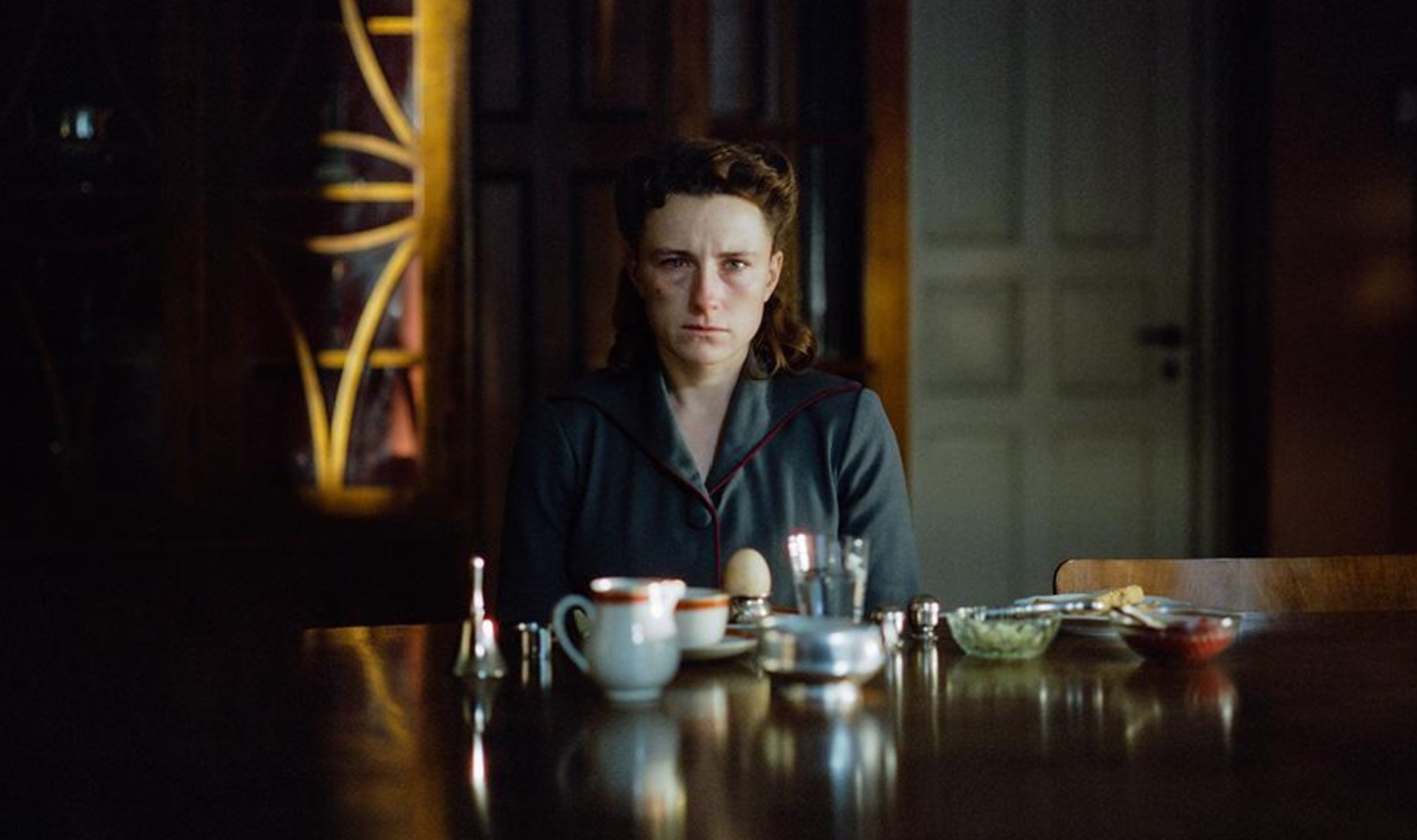
- Woman Unknown, directed by Mayy al-Tukhi (Denmark, Sweden, Latvia) [C]
There is a touch of masculinity in Denmark. A postwar tragedy closes in a marriage, playing out on the female body—continually undressed (and humiliated: by medicine, lovers, society, politics). The master-slave dialectic is exercised among horizontal collaborators. When patriarchy can be worse than Nazism. A ruthless mirror.

- A Detour by Diane, directed by Ann Sirot and Raphaël Balboni (Belgium, France) [O]
Someone loves it hot (revenge). A drama-tinged comedy set against a contemporary Belgian western-esque backdrop, about a young woman who, in seeking vengeance for abuse suffered by her mother, discovers a strange, unexpected, sweet, vital flavor of retaliation. Genially paradoxical.
Sí!!
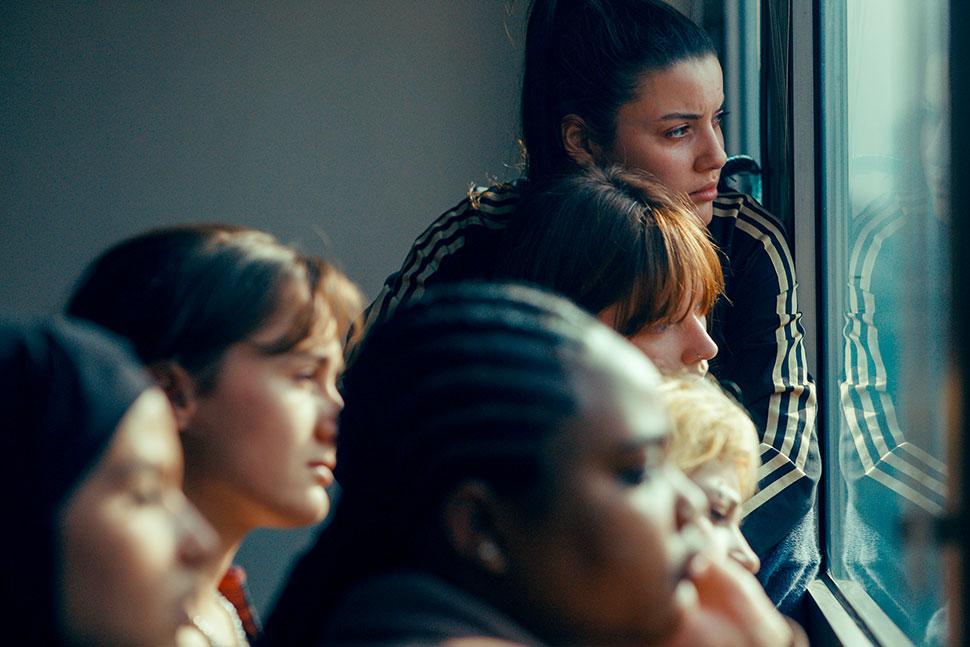
- 15/18, directed by Cédric Kahn (France) [C]
Young people confront us again: the rage (and creative energy) of youth in a psychiatric hospital for minors, portraying the wounds of today’s society and avenues of escape and salvation. Pure life force, painful and fertile.
- Un bon petit soldat, directed by Stéphane Brizé (France) [C]
Brutal resources: mom, I only got 7. The world of work and the emotional-educational reserves of a young mother overwhelmed by a hypocritical corporate system (with happiness management) and relentlessly violent. The little soldier of the title is certainly the child never up to it, but equally the mother (Alba Rohrwacher, prize-winner), with an overbearing superego, who obeys the laws of the market. In a short circuit.
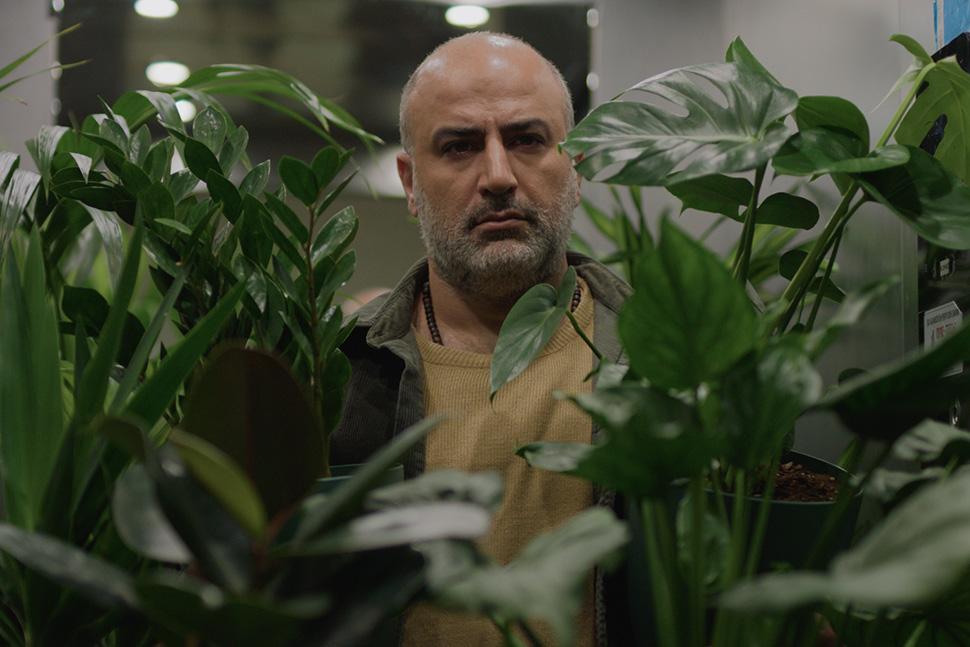
- Kamī-e nūr, directed by Ali Asgari (Iran, Switzerland, Italy, Canada, Turkey, France) [C]
What to do in Tehran when you want to die: the doctor treats demonstrators and yet is forced to close his clinic and has no sense of a future (social/personal), but communicating the firm intent to commit suicide to sisters and mother is harder, and oddly sweeter, than expected. Very bitter, but with poignant hope.
- Wild Horse Nine, directed by Martin McDonagh (United Kingdom) [C]
The man from the CIA who tipped off the horses. Euthanasia on Easter Island for a career-end agent (caught in the worst U.S. machinations, beginning with the JFK affair), accompanied by a companion in undercover work. With a John Malkovich in stratospheric form (career award-worthy) and a post-Tarantino, theatrically dense script by McDonagh, with a theatre-like irony and showmanship. Dialogues to reread.
- Un peu avant minuit, directed by Nicolas Pariser (France) [C]
Urban wandering in search of self, between nostalgia, uncertain reckonings and a society on alert, of a fifty-something man returning to Paris and reckoning with himself and a changing world. Rohmerian in density and rarefied, a clear portrait of the blur of our times.
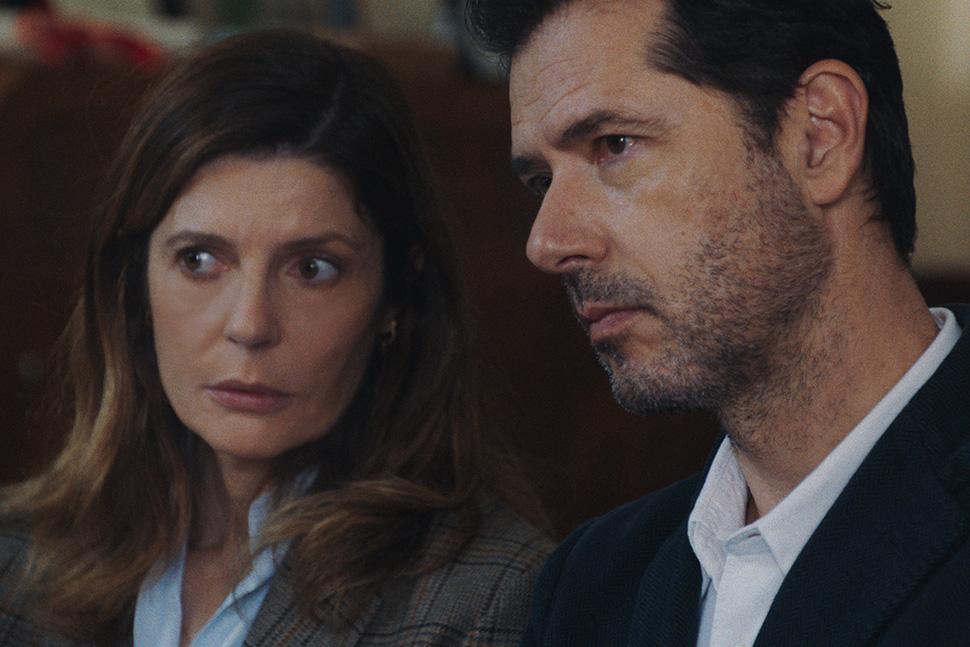
- Cudze rzeczy, directed by Grzegorz Dębowski (Poland) [O]
The things of others (literal translation of the Polish title): a desperate woman, with a violent partner and a marginal life built on small thefts, stumbles upon the past life of a suicide victim, and this strange mourning, with the clues left by the new partner who helps as a deputy, somehow allows her to be reborn. A regenerative alibi.
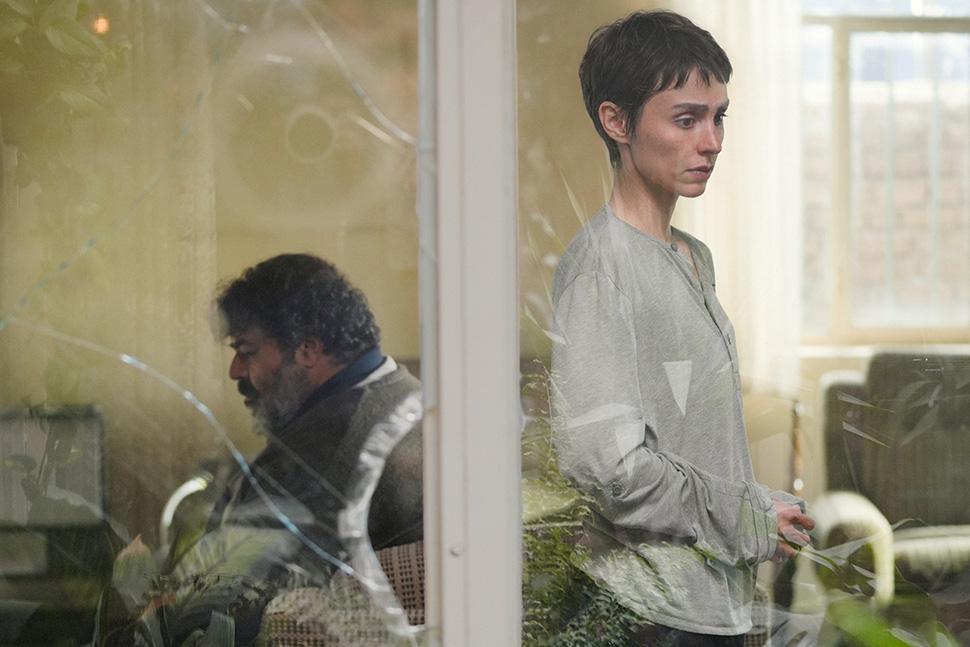
- Morāgheb, directed by Mohsen Gharei (Iran, United States, Germany) [O]
Falling House. In other words: the complete unraveling of patriarchy, yet another jailer. Keeping a family in Tehran, a tender-hearted prison guard, means locking the wife and two daughters at home, soon to be demolished to make way for a highway, to prevent the elder from leaving for her Western dream of modeling. Masochism/immobilism of power/possession. Guards of regression, upon the female body.
Sí, pero…
- Bunker, directed by Florian Zeller (United States, Spain) [C]
The courtyard window: global insecurity, society under surveillance, and a crumbling relationship (Cruz/Barden, photogenic in the way a postcard would be), the next as quintessential (false lead?) of menace, in a single location unit under siege by an unjust, unequal world at twilight. Pedagogically precise, in the form of contemporary art.
- L’estranea, directed by Paolo Strippoli (Italy, France, Belgium) [C]
The devil wears Valeria Bruni Tedeschi, a diabolus ex machina of this metaphysical, atmospheric thriller of international and spectral fate that asks, as memento mori an unavoidable balance of losses, and opens dizzying abysses. A pastiche that nods to Lynch, King, and Kubrick, without quite reaching them.
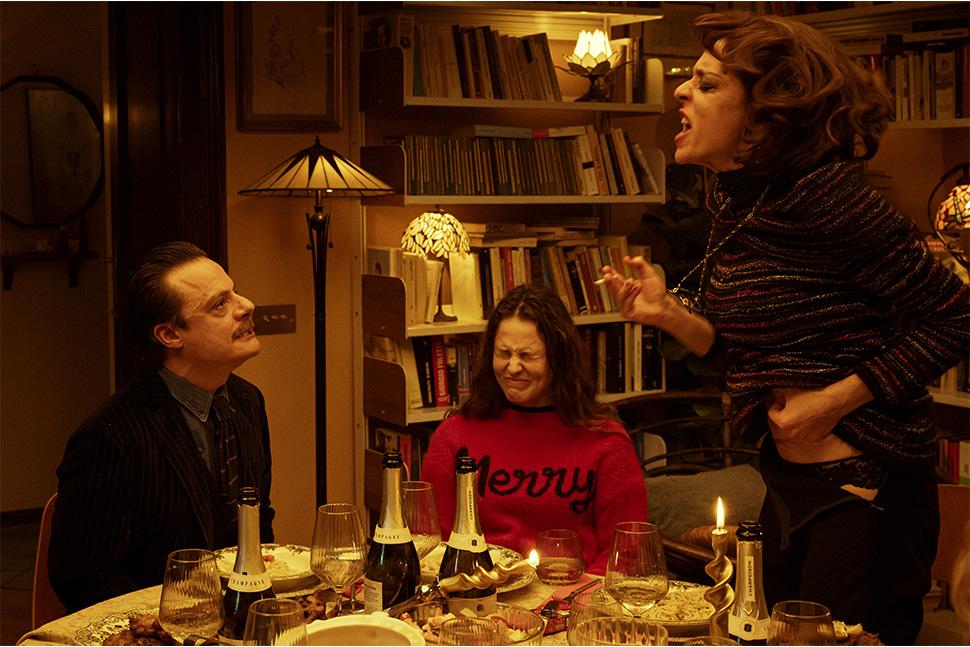
- Il fuoco che ti porti dentro, directed by Edoardo De Angelis (Italy) [C]
Carnage with a side of roasted chestnut. Christmas at the Franchini household (from a self-invented novella by a seasoned editor of Marsilio), with a formidable Neapolitan mother in a Milanese interior, a sharp but vibrant woman, paradoxically close, generating torments that cannot be expelled except through writing. Perhaps. Kammerspiel with a fried edge, theatrical density and starry cast (notably Vanessa Scalera and Lino Musella).
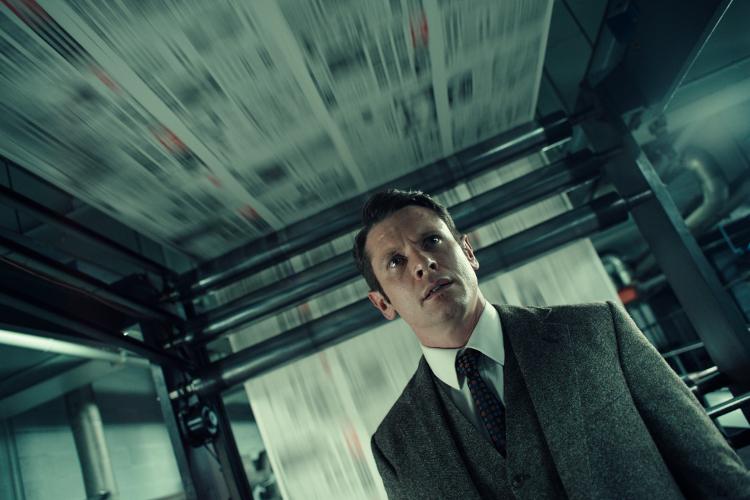
- Ink, directed by Danny Boyle (United Kingdom) [C]
It’s sensationalist press, darling! And it’s all over social. A tale of The Sun, a scandal-ridden creature of the 1970s by Rupert Murdoch, which entrusts Larry Lamb with a brash, vibrant, and somewhat revolutionary journalistic style, that today seems to have triumphed widely. A breakneck pace, a cinematic adaptation of a prophetic drama.
- La ragazza con la Leica, directed by Alina Marazzi (Italy, Germany) [O]
A hard-edged woman of the Capa school (who ends up colliding with tanks): the invention of memory (and its dance) by a woman who asserts her gaze (and a point of view), brought back to visibility by this narration (from the novel by Helena Janeczek, Guanda, winner of the 2018 Strega Prize). Beautiful work on archival materials and editing by Marazzi.
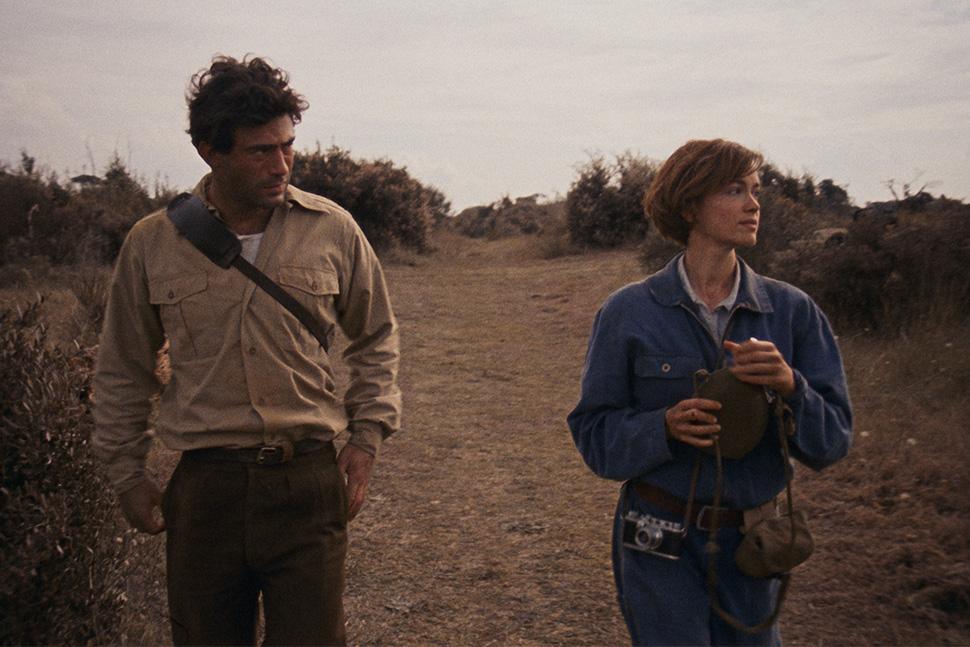
- Look Back, directed by Hirokazu Kore’eda (Japan) [C]
Compelling manga. The great Japanese filmmaker translates into film the graphic novel that tells the rise, friendship, and coming-of-age of two aspiring artists in the manic, transformative, imaginative world of Japanese comics (by Tatsuki Fujimoto, published in Italy by Star Comics). Calligraphic, with a heart laid bare.
- Ritorno a Buenos Aires, directed by Marco Bechis (Italy, Brazil) [C]
Garage Olimpo (1999): there is a memory to shift. Bechis returns to the “crime scene” (and his obsessions) to illuminate, between ethical urgency and the testimony/complicity of the witness, another facet of the desaparecidos’ story in Argentina (from a book published by Guanda). A necessary look.
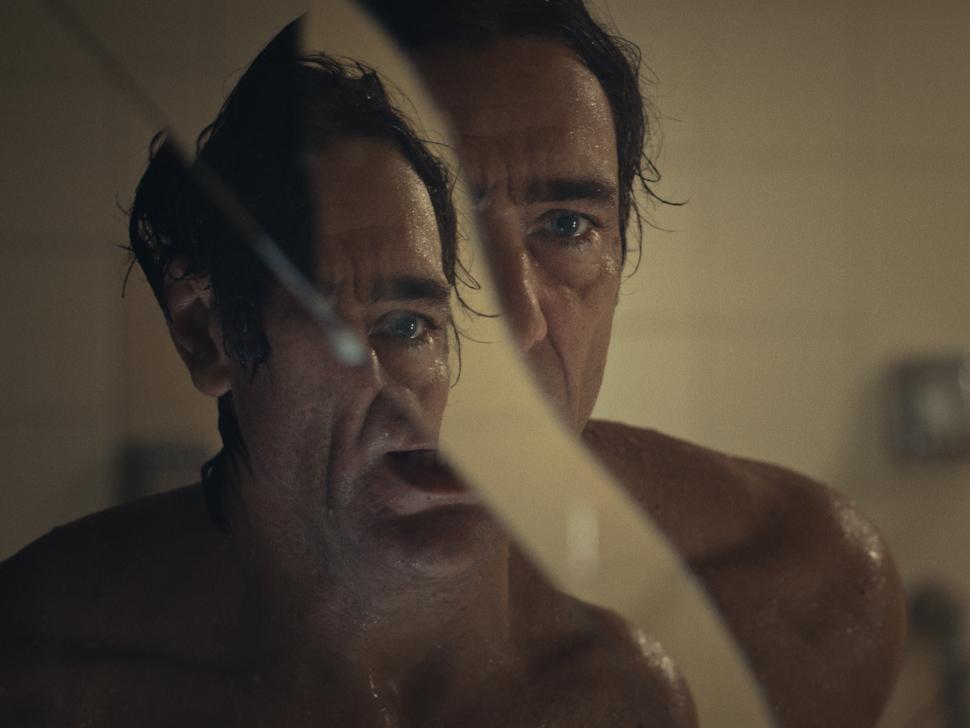
- Succederà questa notte, directed by Nanni Moretti (Italy, France, Spain) [C]
A prophet’s return to his homeland: Moretti revisits the Israeli author of Three Floors (the less successful outcome of his recent years), blending some of his stories (Nostalgia, Feltrinelli) with a director’s renewed openness to love and eros, which, absent from much of his cinema, finds a new, heated pulse in Garrel and Trinca. Met with ovation after years of Lido absence.
- La città dei vivi, directed by Edoardo Gabbriellini (Hungary, Italy) [O]
Rome, cold-blooded (adapted from Nicola Lagioia’s book published by Einaudi): lights and fairground glow alongside striking shadows on the peripheral world and the anomie that nests in the eternal city, revealing a social fabric in decay and the infernal horrors it can unleash, with a focus on the victims.
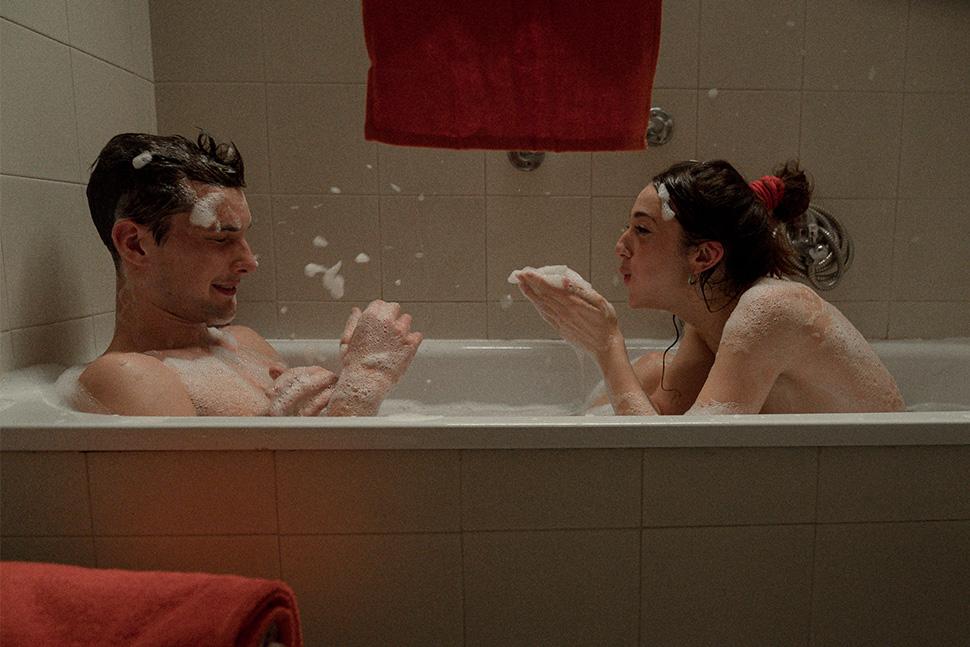
- The Difficult Bride, directed by Rubaiyat Hosen (Bangladesh, France, Portugal, Norway, Germany) [O]
A beauty salon for a future, recalcitrant bride: the demon is under the skin, in ritual adornment with knotted, ominous implications about the women’s flesh. With a sharp, emancipatory final note.
- Lovers in the Blue Night, directed by Anuparna Roy (India) [O]
Immigration in India, with domestic and non-domestic complications. A Bangladeshi couple, she a sultry operator and he a pest-control man in a trap, encounter the monsoons of desire, the thrills of transgression, and counter-moves outside the home and country. Turbulent and tempestuous.
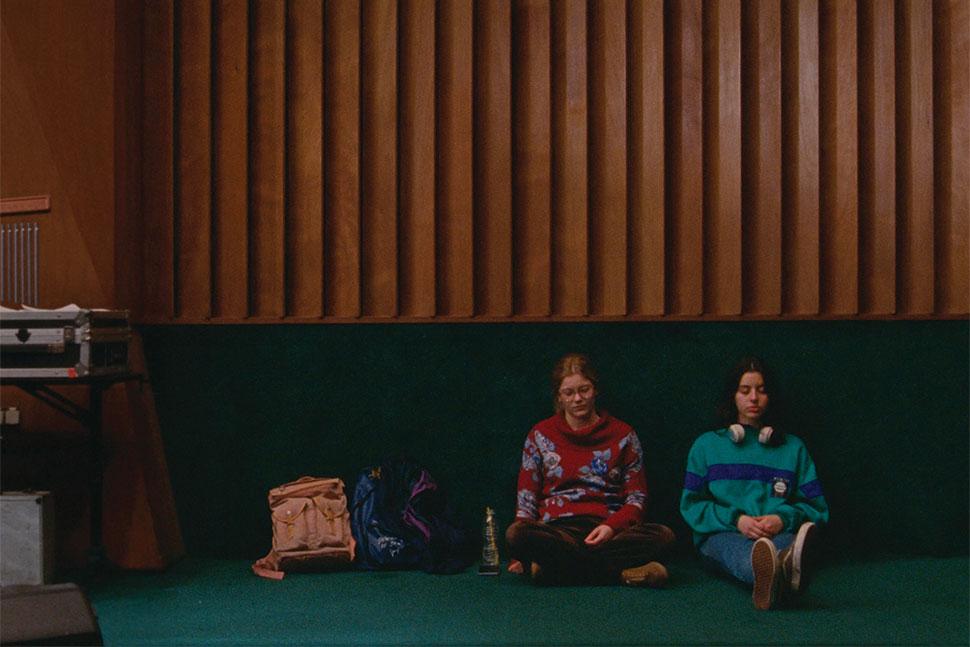
- Mia mera stī zōī tīs Tzo: Kefalaio Faidra, directed by Jacqueline Lentzou (Greece, Germany, France) [O]
A Greek teenager searching for herself, for friendship, and for music, destined for a short life, doomed by chance/destiny of a bullet without perhaps a real intention. But the film isn’t so much about a police plot or a news hook: half the film dares to explore a vacant space suspended between sleep and the afterlife, the unconscious and the dark matter of the soul. Metempsychotic, almost metaphysical.
Ni
- The Echo Chamber, directed by Andrea Pallaoro (Italy, Belgium) [C]
I drift away on my own. A Lombardian assault on Luca Marinelli, a somewhat cliché musically oriented producer, an avoidant personality Alicia Vikander tries to cure (with a torrent of painkillers). Susan Sarandon, in a tuned singing voice, uses the protagonist as a Pygmalion. Narcotic. A touch Bertolucci.
- Nelson, Did You Kill People?, directed by Shin’ya Tsukamoto (Japan, United States, Thailand, Vietnam) [C]
Post-traumatic stress from Vietnam transformed into a didactic vocation, a bit brutal and repetitive in its icastic-hallucinatory-subjective recollection. The message (pacifist, and what else?) is strong and clear, perhaps too much. Urgent and dated at once.
- Huángyán shēnghuó, directed by Michelle Zhou (Hong Kong, United States) [O]
Coming out in Beijing. Not at all easy to confess to mom and dad one’s lesbian story. LGBTQ+ rights and recognition in contemporary China still feel like a foreign language and a domestic fear, even within the home. Melodramatic sociology.
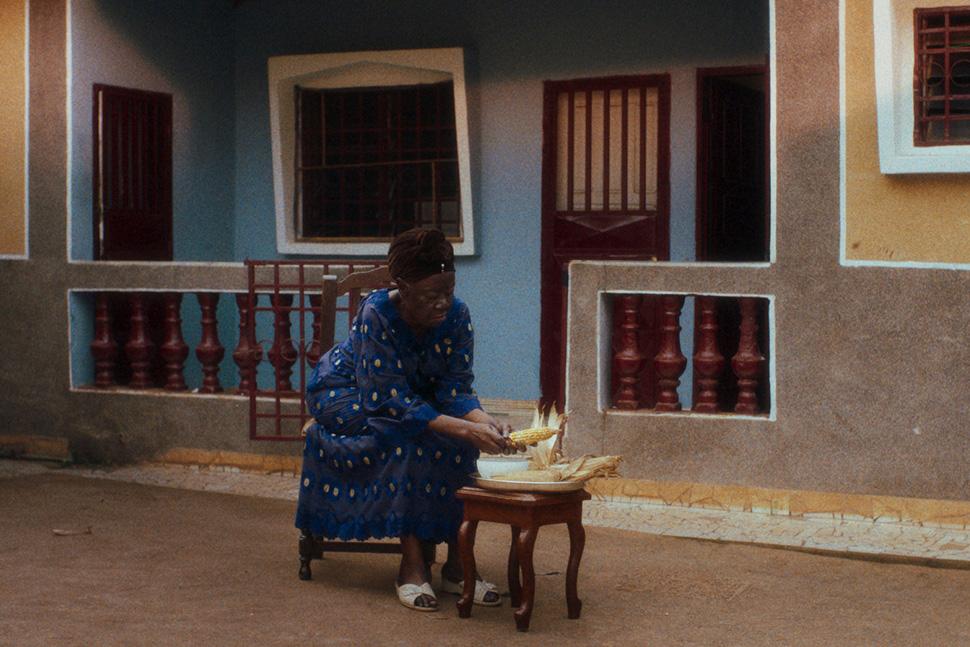
- La Maison du vent, directed by Auguste Bernard Kouemo Yanghu (Cameroon, France, Belgium, Benin, Saudi Arabia) [O]
Cameroon, with a visa. An aging mother, in Zoom contact with her immigrant offspring in Europe, cares for a seller of African medicinal remedies in search of the West, playing a clever trick on her fiancé. Radical (in the sense of roots).
- La Moula, directed by Jérôme Pierrat (France) [O]
The filmmaker as trafficker behind the camera. Docu-noir, in the form of an investigation of recovered tapes, about a drug deal from South America to France: an undercover journalist records the arrival of a container, with real-life ex-convicts and ex-police officers, at the port of Toulon. Marseille-style: hard with irony.
No!
- Company, directed by Casey Affleck (United Arab Emirates, United States, Canada, Romania, Italy) [C]
Storytelling with a vampire. I apologize for the spoiler (from the underworld), but in the umpteenth mise en abyme of a tale within a tale, the thread gets lost, and this story of hearths and ghosts swallows all remaining spectator energy.
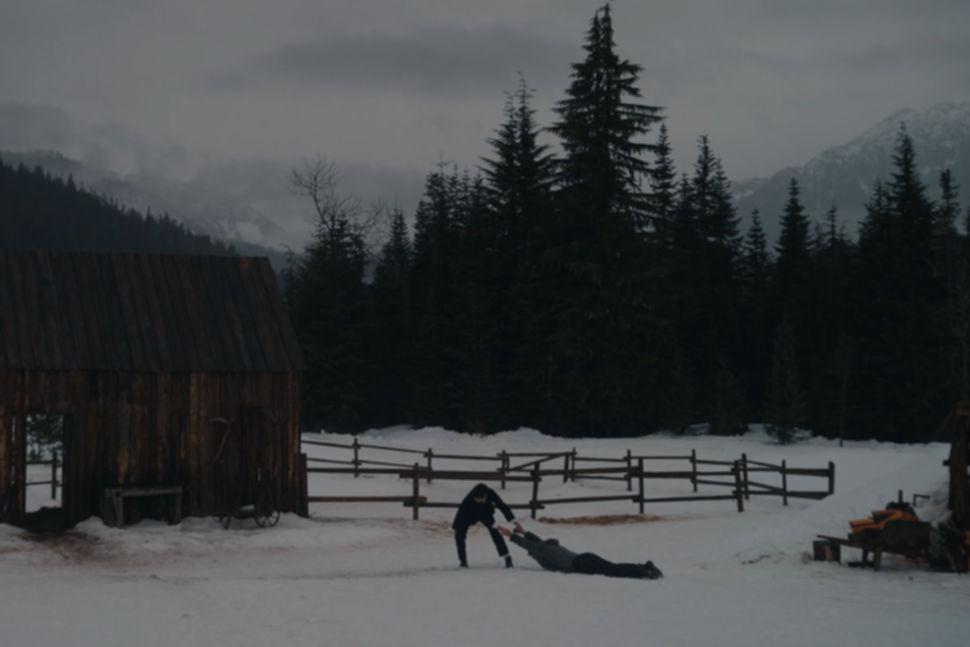
- Una storia, directed by Anna Foglietta (Italy) [O]
Hitchcock would say cinema is life, minus the boring parts. Here, almost only the boring parts, and really little life. He wanted to make Tsai Ming-liang (the scene in Vive l’amour (1994) where a woman washes dishes for about 10 minutes, crying), or a certain Antonioni (as an emblem of auteur cinema), but the models are distant and everything feels rather pretentious.
Not Viewed
–Bucking Fastard, directed by Werner Herzog (United States) [C]
-em>DAU, directed by Il’ja Khrzanovsky (Germany, France, Ukraine, Sweden) [C]
NAZA, directed by Yuval Abraham and Rachel Szor (United Kingdom) [C]
Possible Love (Ganeunghan sarang), directed by Lee Chang-dong (South Korea, United States) [O]
The monkey’s children, directed by Tommaso Landucci (Italy) [O]
Oase, directed by Jannis Lenz (Germany, Austria) [O]
Do kraja dana, directed by Jelena Maksimović (Serbia, Bulgaria, Slovenia, Montenegro) [O]
Eklipse, directed by Manuel Wetscher (Austria) [O]
Yak mai, directed by Phuttiphong Aroonpheng (Thailand, France, Singapore, Taiwan, Netherlands) [O]
The Color of the Sun, directed by Xavier Tera (Canada, Italy, Japan) [O]
OFFICIAL AWARDS GIVEN
Competition
-Golden Lion for Best Film: Woman Unknown, directed by Mayy al-Tukhi
– Silver Lion – Grand Jury Prize: Possible Love, directed by Lee Chang-dong
– Silver Lion – Best Director: Il’ja Khrzanovskii for DAU
– Volpi Cup for Best Actor: John Malkovich for Wild Horse Nine
– Volpi Cup for Best Actress: Mathilde Arcel for Woman Unknown
– Best Screenplay: Coraline Amedeo, Oliver Groce and Stéphane Brizé for Un bon petit soldat
– Special Jury Prize: Yuval Abraham and Rachel Szor for NAZA
– Marcello Mastroianni Award: Malou Khebizi for 15/18
Horizons
-Horizons Award for Best Film: A Detour by Diane, directed by Ann Sirot and Raphaël Balboni
– Horizons Award for Best Director: Jacqueline Lentzou for Mia mera stī zōī tīs Tzo: Kefalaio Faidra
– Special Jury Prize: La Maison du vent, directed by Auguste Bernard Kouemo Yanghu
– Horizons Award for Best Female Performance: Laleh Marzaban for Morāgheb
– Horizons Award for Best Male Performance: Riccardo Scamarcio for The Monkey’s Children
– Horizons Award for Best Screenplay: Tommaso Landucci for The Monkey’s Children
– Horizons Award for Best Short Film: Quelques instants de bonheur, directed by Shaden Safieddine Tazi