
Let’s take a quick stock of these days of ordinary madness: thousands of Italian schools were reached by emails announcing the presence of bombs, students evacuated, law enforcement mobilized, worried parents. And, of course, the inevitable army of keyboard experts, ready to explain that it was all a prank and that the schools had overreacted.
So, after all this, I’ve learned eight things.
- Italy is a country of bomb-disposal experts
We have millions of explosive experts. You can spot them because, as soon as a bomb scare erupts, they rush to Facebook to explain that it was obviously a prank. Usually they’re the same people who call the fire brigade when they smell something burning from the toaster.
- The Italian school should equip itself with a time machine
Because when a bomb alert arrives you should already know it’s false. If you evacuate and it turns out to be a prank, you’re an idiot. If you don’t evacuate and something happens, you’re a criminal. A DeLorean for the school would do the trick, perhaps funded by the PNRR.
- For some adults, courage means risking other people’s children’s lives
“But of course there wasn’t really a bomb!”. Easy to say from the home sofa, with slippers on and the remote in hand. I wonder whether they would have been just as calm with their own child inside that building.
- The teacher should also be an anti-terrorism investigator
Since they teach, correct tests, act as a psychologist, nurse, family mediator and, occasionally, fix the interactive whiteboard, what would it cost to personally verify a terrorist threat? Perhaps with a free training course. Intelligence level B1.
- A false threat can provoke real, intense fear
Because the bomb might be invented, but the heartbeat of a child pounding harder is real. Like the thought racing to Mom, the questions that the eyes don’t ask you to ask. And even those who laugh and joke, sometimes, are simply trying to hide their fear.
- Calmness is one of the most important lessons a teacher can give
Because the students are watching you. They watch how you react, how you speak, how you face the unexpected. You can give a hundred lessons on managing fear, but then a morning like this arrives and you finally have the chance to teach it for real.
- We need clear protocols for these things. And before chaos ensues
The national guidelines of November 12 clarified that a mass-mailed threatening email does not automatically entail evacuation. Fine, but why wait until now? Shared procedures are needed to assess threats without leaving every school at the mercy of uncertainty.
- And finally, dear parents, you’ve learned something important
You’ve discovered that when something unforeseen happens, at school there are adults who protect your children. Who accompany them, reassure them, ensure that no one is left behind. Who may be scared themselves, but do everything to make the kids feel safe.
And look, if one day something truly serious were to happen, no one could guarantee that everything will be all right. But now you know at least one thing: that when you’re not there, we are there with your children.
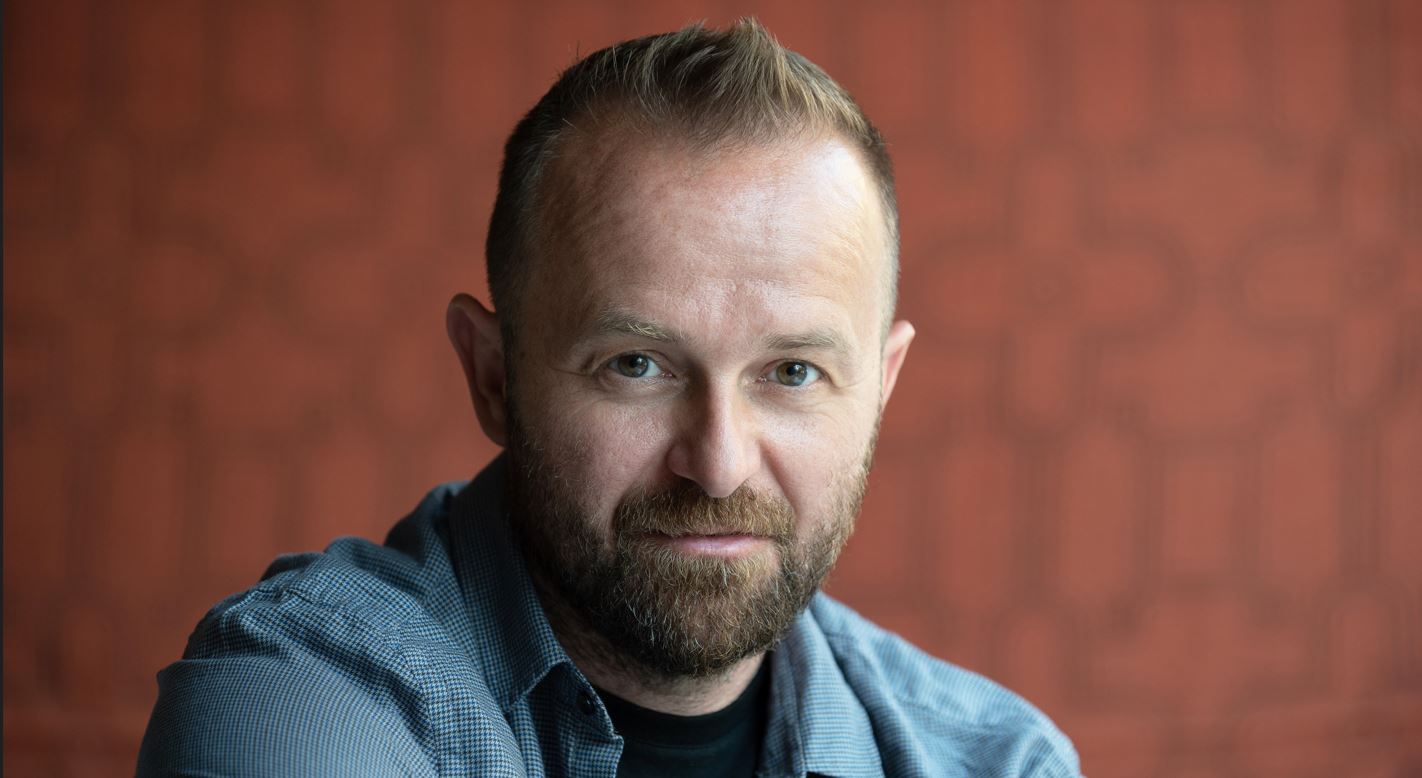
THE AUTHOR – Enrico Galiano, a Friulian teacher and writer born in 1977, in the classroom as in social media, where he has a large following, knows how to talk to young people.
After the success of novels (all published by Garzanti) such as Eppure cadiamo felici, Tutta la vita che vuoi, Felici contro il mondo, and Più forte di ogni addio, he published a peculiar book, Basta un attimo per tornare bambini, illustrated by Sara Di Francescantonio. He then returned to fiction with Dormi stanotte sul mio cuore, and, again for Garzanti, his first non-fiction work L’arte di sbagliare alla grande. With Salani, Galiano published his first youth story, La società segreta dei salvaparole. And it was released, again for Garzanti, his second non-fiction work, Scuola di felicità per eterni ripetenti.
