
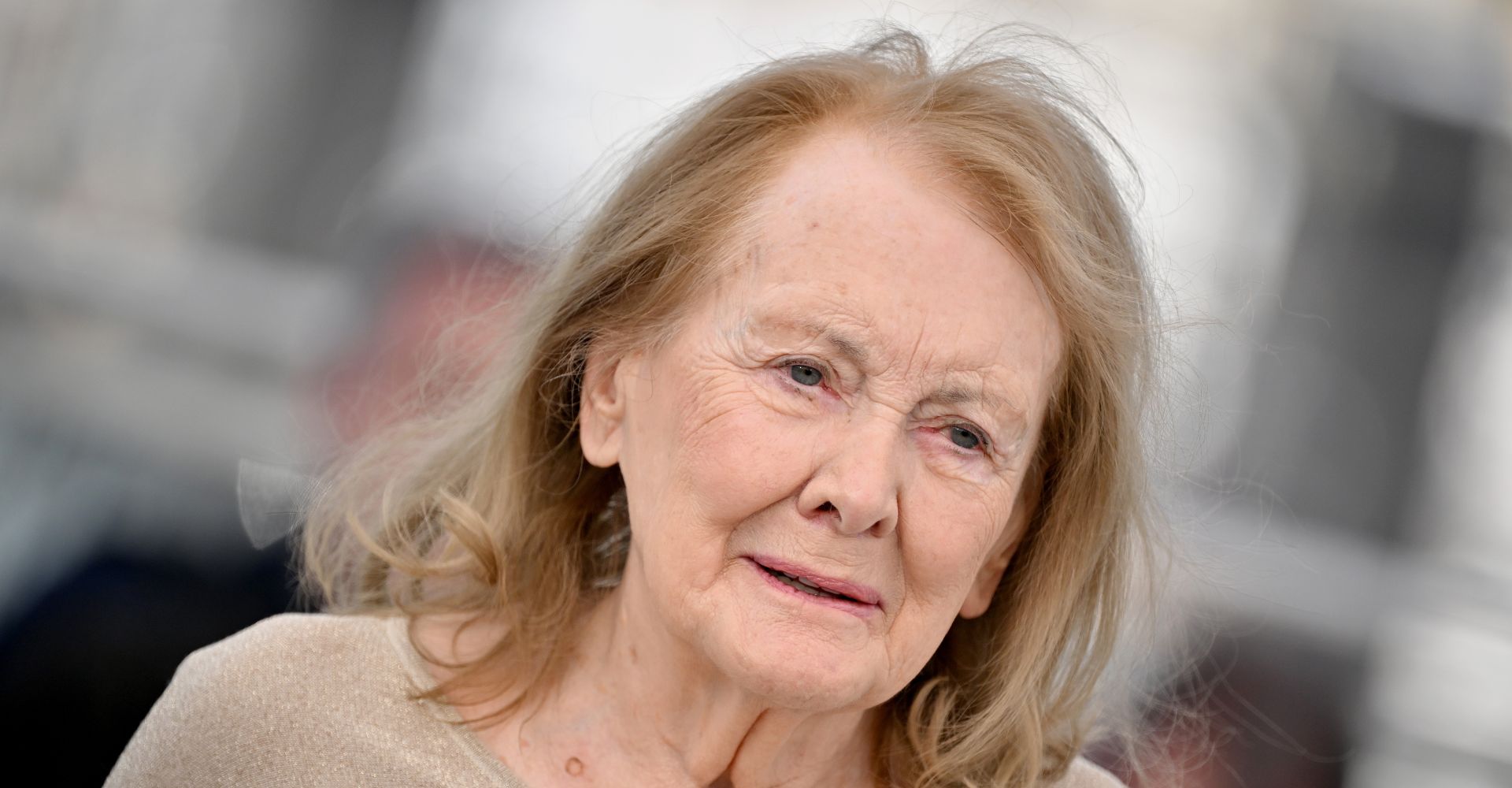
“Perhaps here, the act of writing is not so different from the gesture of sticking needles”: thus writes Annie Ernaux on a sharp page of her latest work. A quotation that seems to crystallize not only the novel in question but her entire body of work. A very strong image that, however, aptly conveys the delicate yet powerful narrative that once again it offers to the reader.
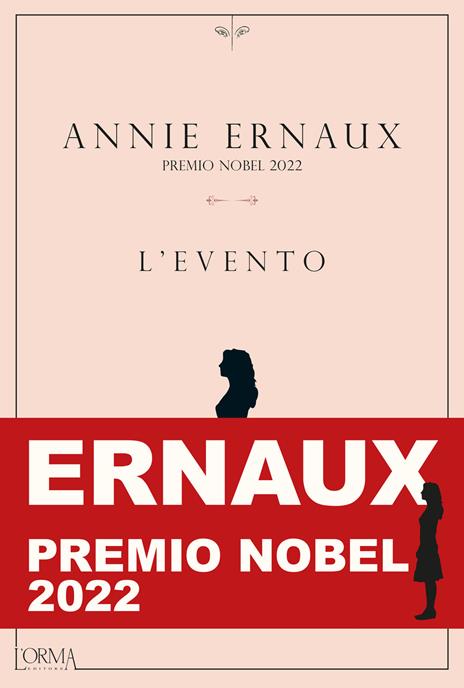
Published by L’Orma (in Lorenzo Flabbi’s translation), The Occupation tells of a constant and grasping pain of love after a separation that is made harsher by the fact that the lover (named only by the fictitious initial W.) has suddenly begun a relationship with another woman, an unknown older woman but very similar in social environment and upbringing to the narrator Ernaux’s voice.

The Obsession with a Faceless Rival
The obsession with this faceless rival becomes a tormenting fixation that devours every moment, every memory, and seems to leave no escape for the protagonist who clings to her own unease with a force that appears almost as a double bout of jealousy: on one side toward the man, on the other toward the relationship itself.
The confrontation with the unknown lover is played out on many planes. Beginning with the initial, immature, bruising, instinctive one that springs from the removal of a sexual partner, as the book advances we witness the thickening of the feeling under the lens of writing until a peak of pain caused by the knowledge that the other side has a relationship akin to the marital one.
Outside my field of vision, a slow and sure process of domestication had begun to tighten it. Through breakfasts shared together and toothbrushes in the same glass, a reciprocal impregnation was produced that he seemed to carry on him, physically, in an etherial way: a mood of vague satiation that married life sometimes grants men.
Sacrificing Everything for a Stable Wholeness
This new dimension escapes the control of the wounded ex-lover. It is no longer possible to appropriate something that has not been replaced but has taken on a different, more complete form and, in a sense, more ruthless. It is no accident that Ernaux herself, reflecting on this new state of affairs as she tends to do in her fiercest books, refers to women who sacrificed everything for this stable wholeness, including their own happiness.
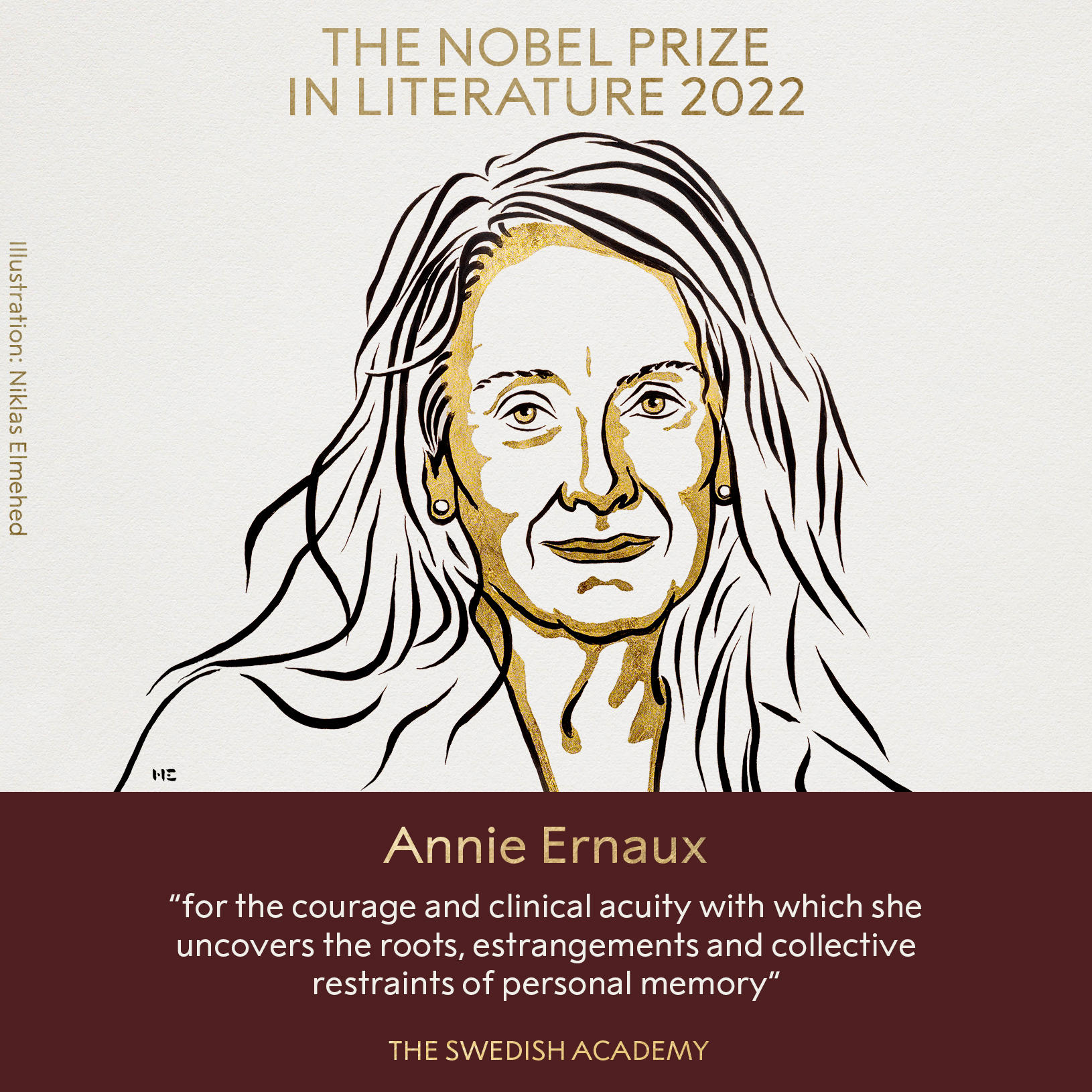
Yet, unlike in other works, in The Occupation the need to keep a record of lived experience appears much stronger than the urge to interpret it through historical or social contexts, and this makes the novel a fascinating descent into the suffering of a love that abandons us and makes us vulnerable and alone. This suffering is not something one can discuss not only because it is born of shame but because no one will truly understand it: grieving the deceased as one walks the street is not believed to be a loss.
When I was not occupied by the other woman, I was exposed to the attacks of the outside world, which harped on recalling our shared past now perceived as an irrecoverable loss.
An Operation That Leaves No One Unscathed
Delving into the labyrinths of a relationship that invades every aspect of one’s life can never be a unscathed operation: here the sensation is even more pronounced thanks to a writer who has made social autobiography a poetic form and has repeatedly in her work focused on an individual viewpoint to render it the hinge of a collective experience. In other words: we hear what she feels, see what she sees, and if there is suffering, we suffer with her even if we do not share the path, the motives, or the experience.
Nevertheless, unlike in other works, here the insistence on bearing witness to a lived life appears much stronger than the urge to interpret it through historical or social contexts, and this renders the novel a compelling descent into the suffering of a love that abandons us and makes us vulnerable and solitary. This suffering cannot be discussed not only because it is born of shame but because no one will truly understand it: a mourning for the deceased as one walks the street is not believed to be a loss.
When I was not preoccupied with the other woman, I was exposed to the attacks of the outside world, which kept reminding me of our shared past now seen as an irrecoverable loss.
Across the Different Dimensions of Loss
We do not need to reveal other details about how the narrative unfolds, but it seems noteworthy that, far from being a cold, objective account of intimate suffering, The Occupation emanates a warmth by deliberately avoiding the temptation to seek the reader’s empathy. If literature lacks illustrious examples of love’s suffering that have frightened and moved us, it is also true that the impact of sociology, philosophy, and social sciences in general have reread this form of human interaction in increasingly varied and complex ways. It is perhaps for this reason that, in a few intense pages, this confession allows us to traverse the different dimensions of loss and is capable of surprising us with its story yet also of creating space to honor what we have loved and lost irretrievably.
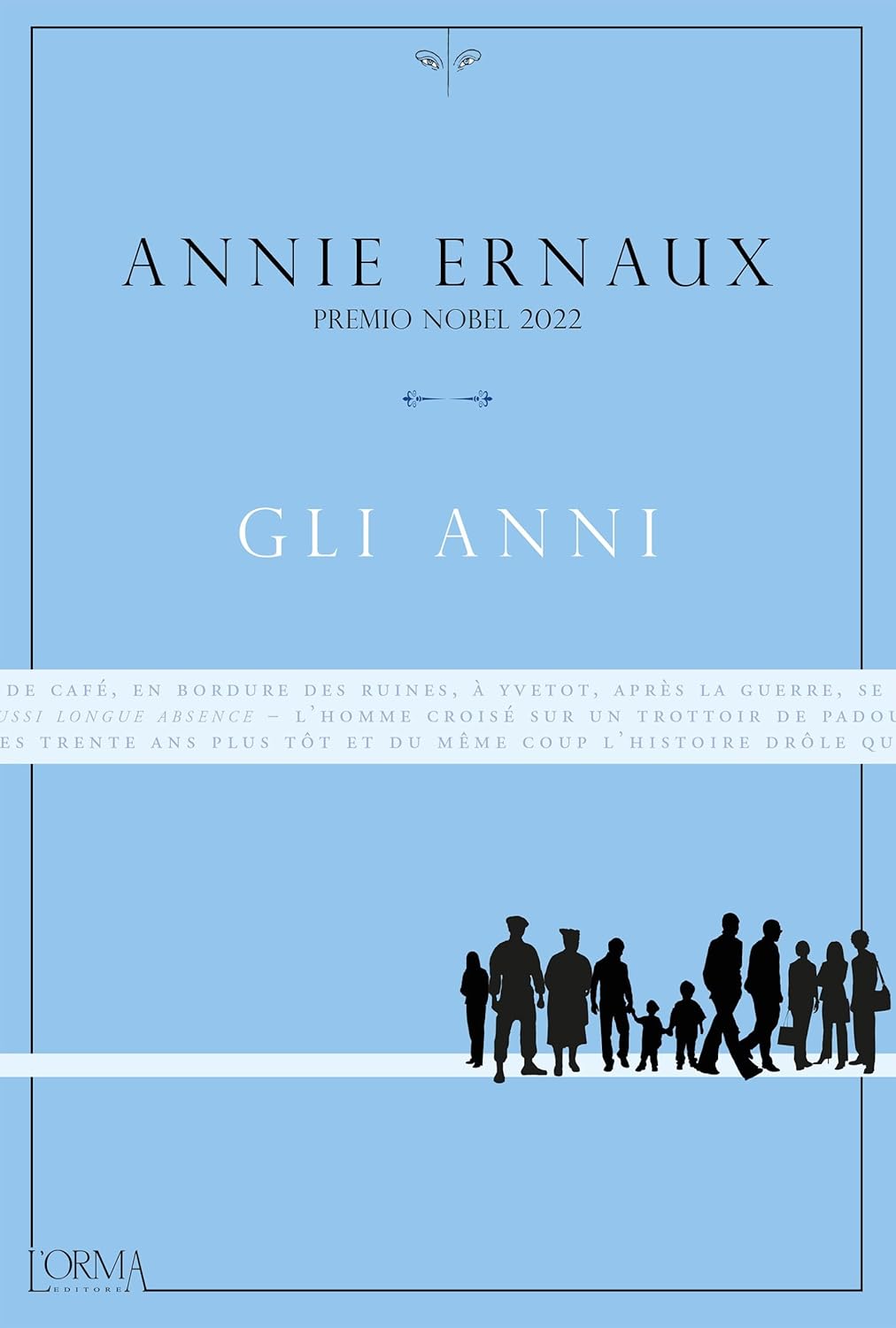
At the end of the reading, then, the sense is that this is yet another instance of Ernaux submitting herself to writing in order to gift us a naked and candid treatise on a feeling that has many terrifying and unassailable faces, and in doing so, she invites us to observe them all.
Eros: A Mischievous Divinity
This novel, which is devoured with the certainty that there will be no classical happy ending but perhaps, if fortune smiles, a return to oneself, surely allows readers to experience or re-experience a period of life when one felt overwhelmed by an uncontrollable form of eros, one that stems from the classical world and requires, to exist, the coexistence of need and lack.
The author’s wish (and ours) is that, with this mischievous deity, we learn to live with it until one day we notice that it has disappeared and a man returns to being only a man and the other women regain a face and a voice that will be only a face and a voice and no longer a threat to our happiness.
