Can you feel the nostalgia for a place while you are still there? For Sage, a twelve-year-old girl living in Bushwick, Brooklyn, the answer comes when, in the local newspaper, her beloved neighborhood is nicknamed The Powder Keg.
The houses around her burn now almost every week and the families are forced to look elsewhere for a place to live.
But what disappears is not only the houses: alongside them a whole social microcosm risks dissolving, made up of street games, parties, basketball games and friendships.
The book inspired by the author’s childhood
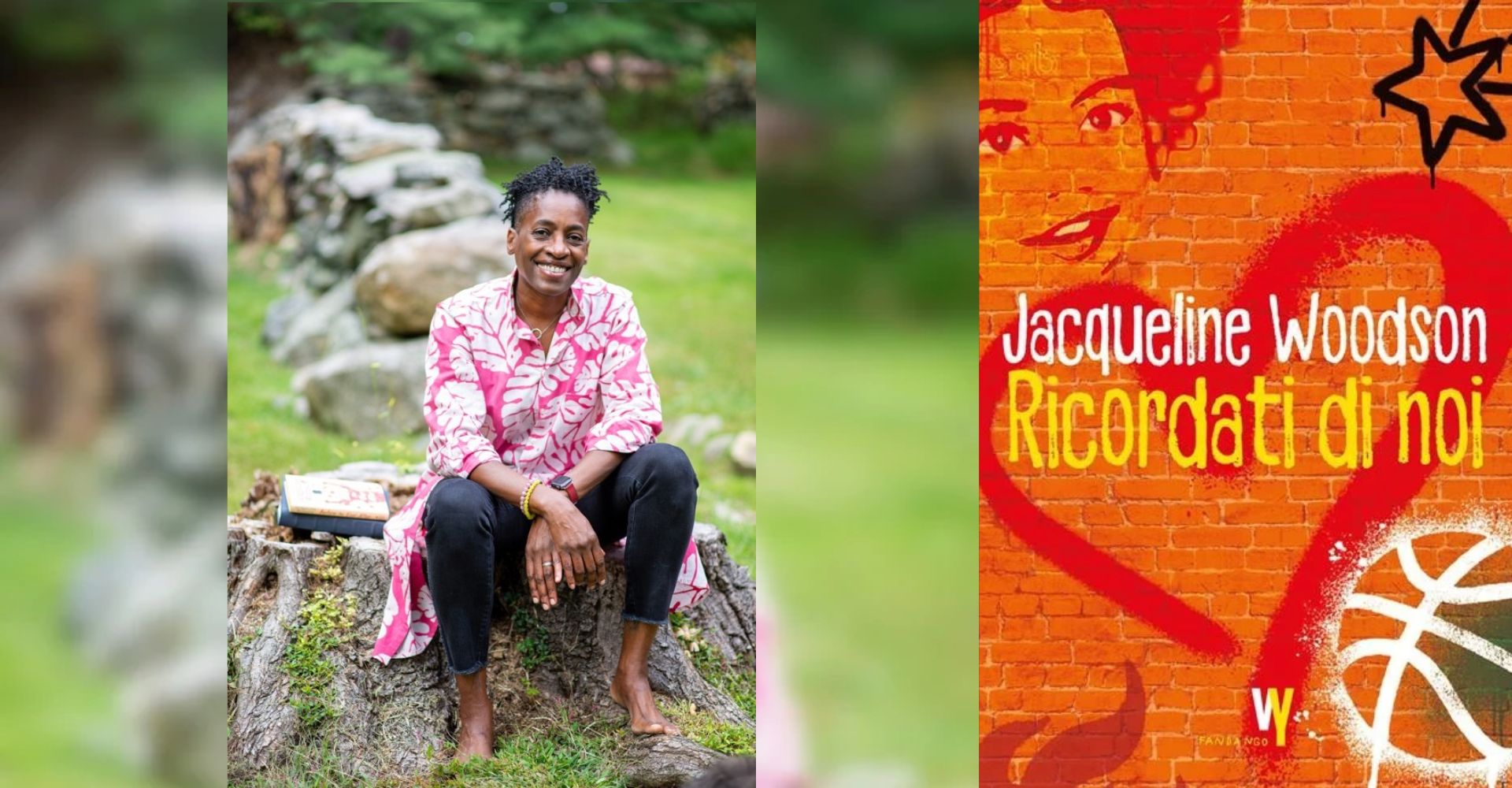
From this foreseen separation takes shape Remember Us (Fandango, Chiara Baffa’s translation), Jacqueline Woodson’s novel inspired by her childhood in the Bushwick of the 1970s and 1980s.

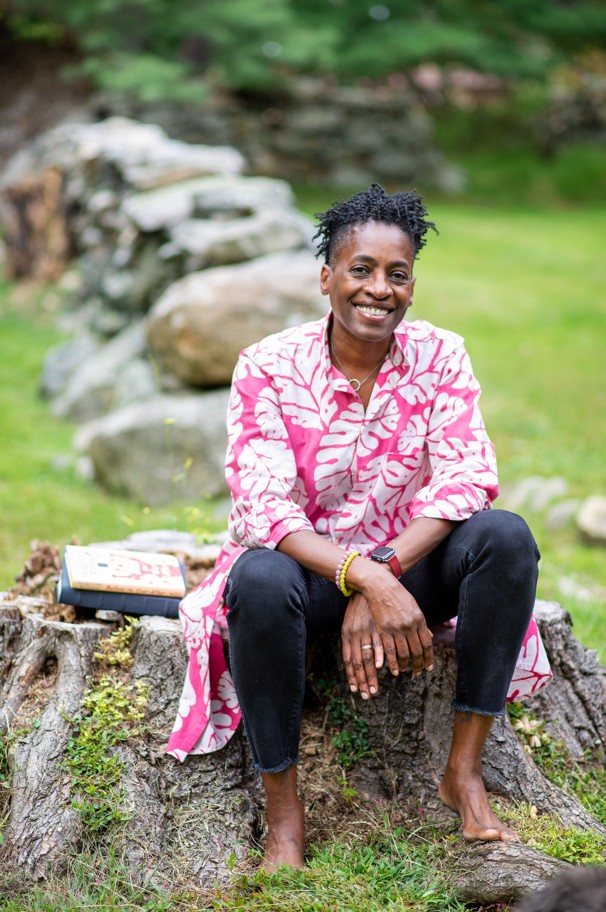
Born in Ohio in 1963 and raised between the South Carolina and Brooklyn, Woodson is one of the most cherished voices in American youth literature. She has received some of the world’s most prestigious international recognitions, including the Astrid Lindgren Memorial Award and the Hans Christian Andersen Award, and in 2025 she won the Strega Ragazze e Ragazzi Prize, 11+, with Proteggimi.
It is no coincidence, therefore, that at the end of the narrative the author adds a note titled On the Powder Keg. Woodson explains that the book is a work of fiction, but it arises from a real place and time: the Bushwick in which she grew up, the one on Palmetto Street, almost destroyed by fire during her youth.
The protagonist’s love for basketball
The protagonist is afraid, for herself and for the mother who remains widowed, of the blazes that strike Bushwick, but she is not ready to let it go. She loves basketball, dreams of becoming a professional, and finds in the court under her home the only space where she can feel free.
While she dribbles between the parks on Palmetto Street, Sage experiences her twelve years and the changes this age brings. She forms new friendships and lets go of old ones that no longer work; she grows, is hurt, evolves and changes. And in this already complex process that is adolescence, the death of a neighborhood child from a fire and the destruction of the houses make the fragility of her world increasingly apparent.
And as families—as well as her mother—search for safer places to live, the move means separating from what gave them a sense of belonging and of community.
The big questions of children and adolescents about time and memory
With short chapters and simple prose, capable of relying heavily on images of daily life details, Jacqueline Woodson tells the big questions that children and adolescents have about time and memory. Those questions that even adults are not able to answer.
“Who remembers us?,” Sage asks at one point. Who remembers the year of the fires or the Bushwick where so many people planted the roots of their stories?
These are the questions that give meaning to the novel’s title: remembering does not restore the houses, the time gone by, or the people you knew, but prevents their history and roots from being erased. And sometimes, as with Sage, it can be a way to return home.