How to Survive Success (and Free Yourself Once and for All from Jessica Fletcher)
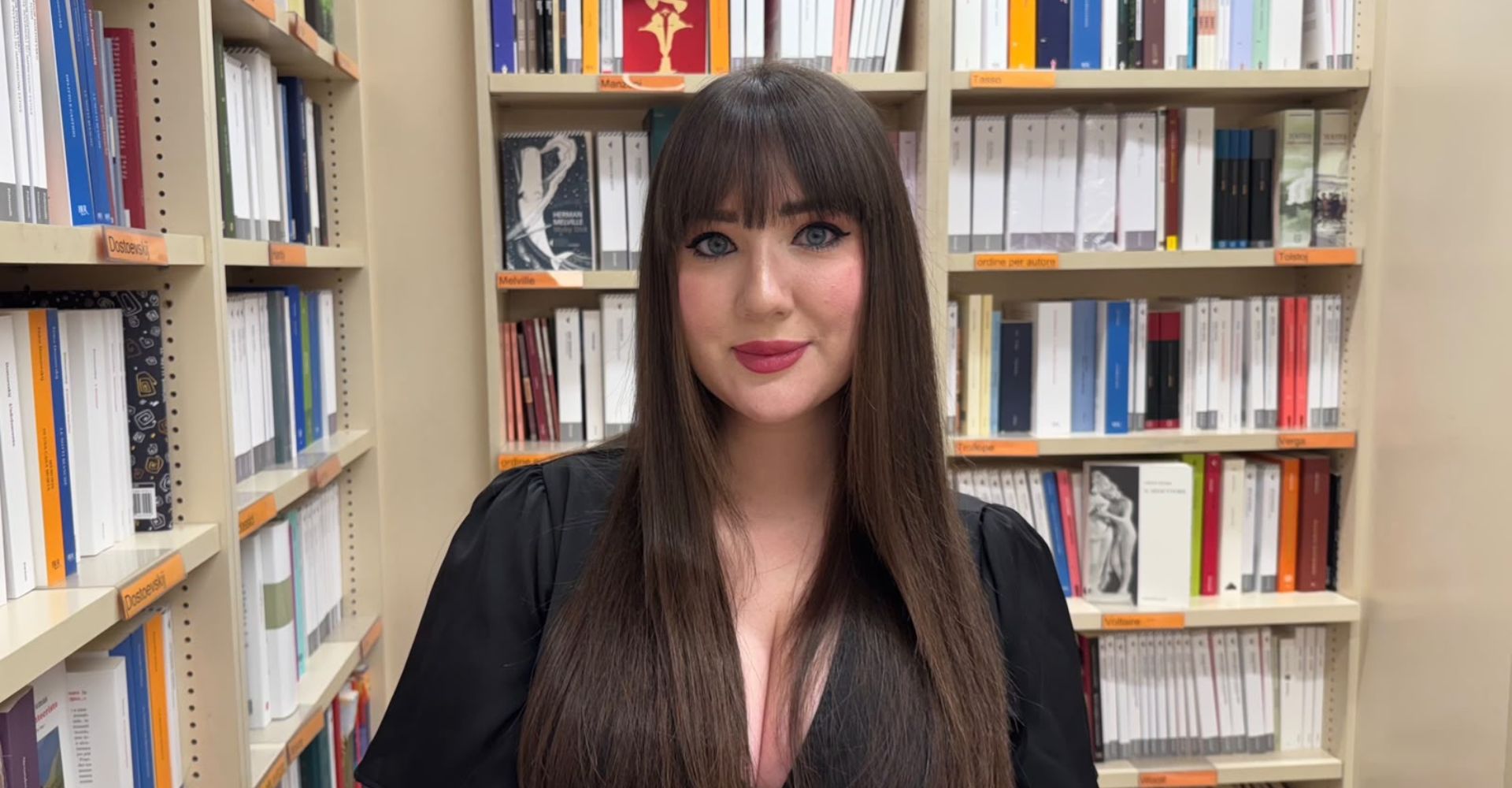
At a certain point in life it can happen that you eat rice with pesto every day for a full month. The result is that for the following ten years you can’t stand pesto. It’s roughly what happened to Alice Guerra with Jessica Fletcher: after three years spent citing the famous detective in her novels, love turned into a courteous (but definitive) intolerance.
It happens when you take things seriously and put everything you are into them. Alice Guerra – a Venetian, hundreds of thousands of followers and a massively large cat named Camillo – has climbed to the top of the editorial charts by inventing a narrative microcosm in her own unique way.
A writer’s career born almost by chance, nurtured since school days between a passion for psychology and various fragments left in drawers. Until the call from her editor, in 2023. About this success, we asked her on the phone: “I didn’t expect any of this. I’m unbelievably happy. Now, also thanks to my books, I have much more self-esteem… I love writing a lot, even though it has been demanding, but it has changed my life“.

A writer grown up on bread, Agatha Christie, Poirot and Miss Marple
It was awarded by a sharp instinct – or humility – to refuse yet another “influencer biography“. No memoir for someone who grew up on bread, Agatha Christie, Poirot and Miss Marple: Alice had to write ironic detective novels and stories of “oldies.” A winning choice, which allowed her to pour into narrative fiction the same authenticity and self-deprecation that the audience immediately recognized.
Her writing work, after all, interlaces inevitably with her daily activity on social media, where the boundary between posts and chapters grows thin. “My novels are a bit like big Instagram reels, but with a structured story behind them,” she explains. And she adds: “Reels are instant, I record them in two seconds, in the car, and I post them. The book demands a vastly longer effort. But they are two things that go hand in hand: readers of my books recognize exactly the same Alice from the social media.”
Mestre? A Land of Cozy Crime
That’s how she transformed Mestre into one of the reference locations for cozy crime. A universe populated by ninety-year-olds who vanish leaving the chickens unattended, bungled burglaries involving Hungarian acrobats and Tibetan monks, iconic characters like aunt Rosanna, but also those who are insufferable like Piercoglione.
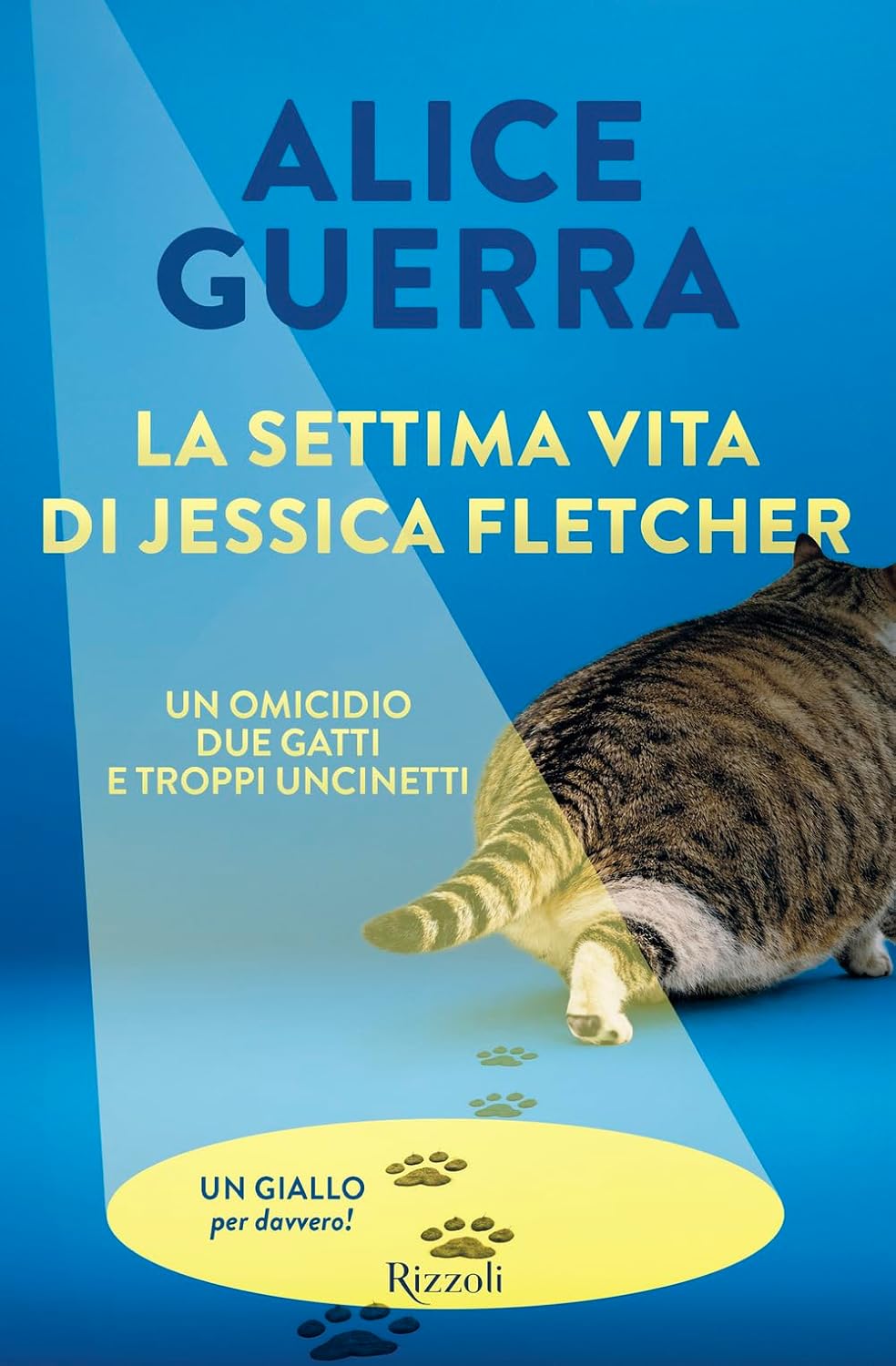
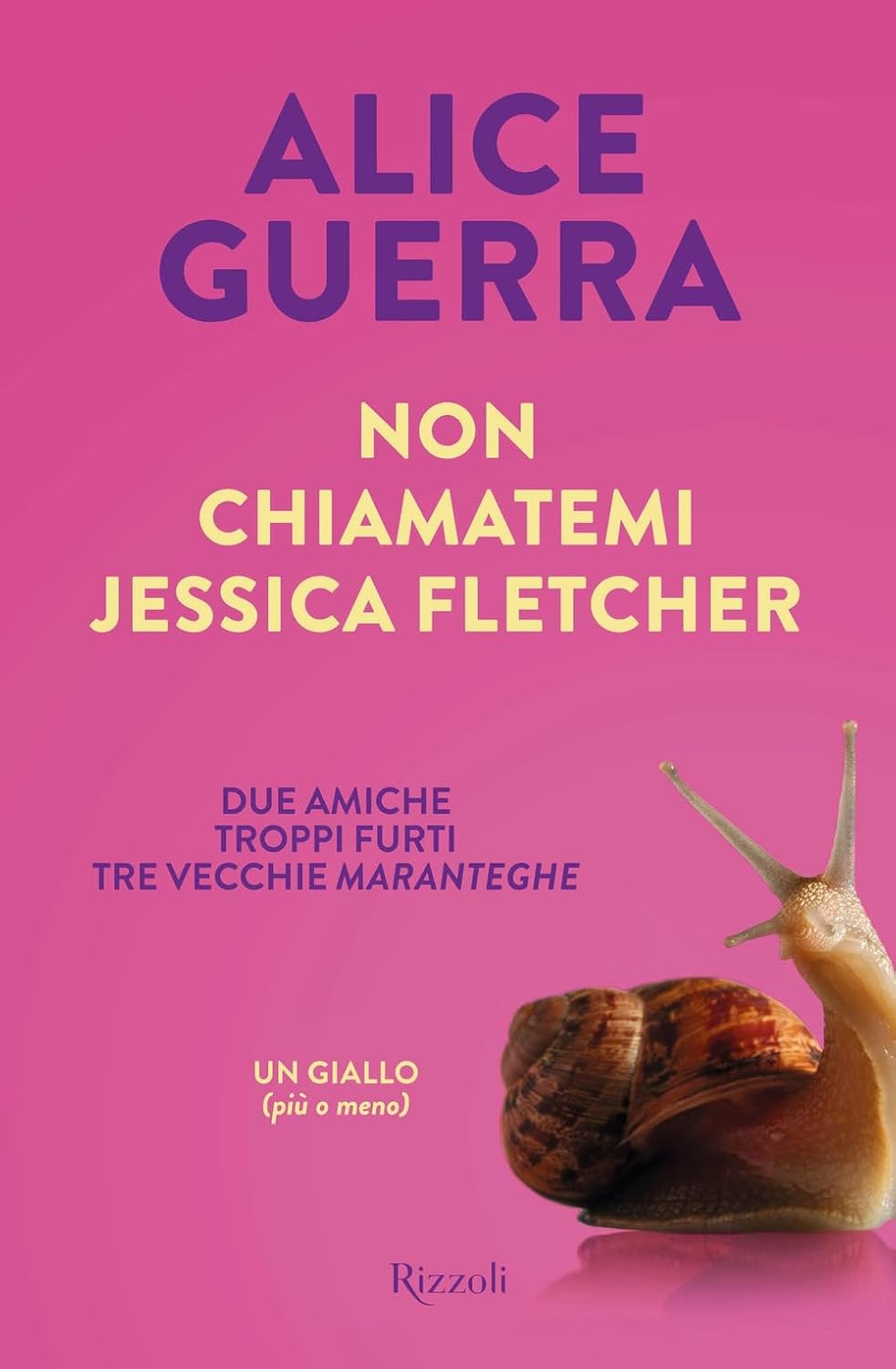
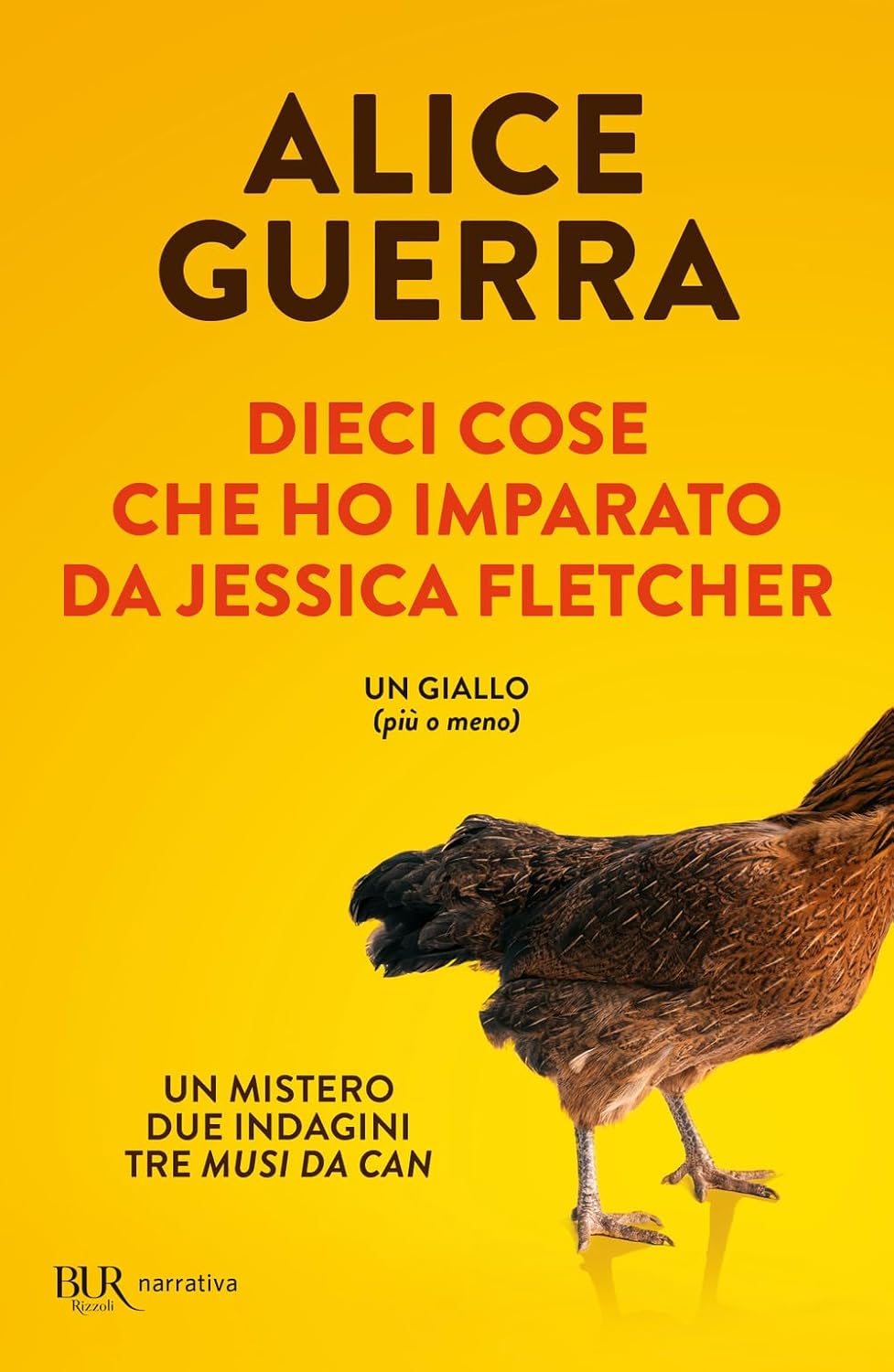
In her third book, The Seventh Life of Jessica Fletcher (Rizzoli, arriving after Ten Things I’ve Learned from Jessica Fletcher, 2024, and Don’t Call Me Jessica Fletcher, 2025), things, however, become complicated and change tone: the accidental detective would simply like to stay quiet on the couch, and instead finds herself having to clear herself of an absurd accusation, ending up challenging not only the plot but her own sanity.
“I found myself living a completely different life”
It is the most introspective and funny chapter of the saga, where mystery and comedy become the pretext to tell something much more intimate: “This book is very different and I think it is so because I got a bit lost in these last years. I mean, it has been everything so much, very beautiful, but so much. I am a scatterbrain who stays home with the fat cat Camillo in her arms and eating ice cream. Instead, in the last three years I found myself living a completely different life. And so I felt really disoriented, and in this book there’s this: Alice no longer knows who she is, it’s unclear, she is gaslighting herself. Even if in a different way, it’s exactly what happened to me. When you do this job, you get lost. Maybe it doesn’t happen to everyone, but it happened to me.”
“I went burnout”
The other side of the coin of such rapid success is the bill paid in concentration and free time. “Unfortunately, since I started writing I can’t read anymore,” admits the author. “It’s a horrible thing! But in these last three years for six months I wrote and for the six months following I did practically nothing. It’s as if I have to let my brain rest completely, otherwise I can’t concentrate anymore. I went burnout.”
A “reader’s block” which, however, Alice Guerra faces in her own way: “But now I’ve decided that I absolutely must return to reading; so I bought Crime and Punishment and Anna Karenina. Things to read, to restart with a bang! Of course, I haven’t started them yet…”.
“It hurt to have to make people laugh… and I got lost…”
Working with one’s image on social media also means facing an underlying expectation: to always come off as performing. For those who do irony, the pressure to entertain every day overlaps with real life, until it becomes unsustainable: “At first I forced myself to always find things funny, and that’s why I got lost. Because I had to be the one who made people laugh,” Guerra confides, and continues: “Now I don’t do it anymore. I’ve reached a point where if I don’t feel like it, if that day I have a bad day, I am myself. Because it hurt to have to make people laugh, and so now people know it. And I must say that since it’s become this way I feel better, because yes we’re talking about my work, but also about my hobby: I enjoy making stories, content, it’s fun. But if I don’t feel like making people laugh, I won’t make them laugh, and that’s that.”
Redesigning the rules of the game on social media from scratch
Regaining this spontaneity also meant redesigning the rules of the game for her own profile from scratch: “I’m very happy with what happened on social media, with the books, and I’m very grateful to the people. I cry when I receive certain messages. I know that if I’m here it’s up to me, but also up to all those who support me. For this reason I think it’s right to assert myself, because if to have what I have today I have to endure cruelty, then it’s not worth it for me. My mental health is more important. In fact, I’ve now set up a dictatorial regime…”, she laughs as she talks, “my profile is like North Korea. So people know that those who offend me will be blocked. I do it because the issue of ‘you put yourself on social media, then you must accept everything’ doesn’t exist. I went on social media to do what I love, to engage with people who want to talk in a polite way, not to hear cruelties.”
I want to distance myself from Jessica Fletcher
Then the author opens up about a potential fourth book: “In my next novel I’ll do even more of what I want…”, she hints, speaking with absolute conviction that this will be the last in the Jessica Fletcher saga: “More than anything because I used to love her, now in some moments I almost hate her. You know… Once I ate rice with pesto every day for a month. After that I never ate pesto again. It’s the same thing: now I need to distance myself from her. I wish her well, of course, but now I can’t stand her anymore. I even told my editor, ‘I can’t stand her anymore,’ and she replied ‘okay, then write it.’ And I did.”
“I dream of a TV series adapted from my books”
Finally the author reassures fans: her beloved cats will never miss future stories. And the world of Mestre’s elderly residents could be more than just a farewell: “I dream of a TV series based on my books. On one hand I’d love to act myself, Alice, and on the other hand, thinking of all the months of work and the stress… I tell myself, okay, maybe they’ll cast someone else. But I definitely want to be there, you know, to supervise everything… just kidding?”. All that remains is to wait for an offer.