

Someone has said that when you can’t see the light at the end of the tunnel, it might be best to sit there and furnish it. It may take a while before you glimpse any glow. In the meantime, you gather the essentials: a chair, a blanket and, if possible, a book, which is already a small lantern in itself. That little bit is enough to get you through the darkness and perhaps illuminate it a little.
Books are often discussed in almost diagnostic terms, as if they were medicines to take in order to heal a pain or a condition: for self-esteem there’s self-help, for a romantic breakup a sprawling choice of tear-jerker titles, and for moments of seeking comfort there are the so-called cozy books. In short, it seems there are literary solutions for every problem, to be administered when needed. A reassuring, perhaps even romantic, outlook for those who tackle life head-on with readings.
A book does not necessarily have to save us or point us somewhere
But a book does not necessarily have to save us or point us toward an exit from the situation we find ourselves in. Sometimes it’s enough that it keeps us company, helps us give a name to something or shows us a possibility we hadn’t considered. A little glimmer, indeed: it doesn’t illuminate the entire tunnel, but it can make it a bit more habitable.

In her Revenge Is a Masquerade Ball (Einaudi), Francesca Crescentini, known online as Tegamini, recounts this experience well. The Count of Monte Cristo is the book the author read during one of the most difficult moments of her life, but it does not become a promise of salvation. Through the novel by Dumas, Crescentini enriches her inner world and finds a space of freedom: she can stroll through Marseille, meet unforgettable characters, and lose herself in the life of a writer as fascinating as his works.
Sometimes reading simply means spending a little time among the words
At first glance, her debut appears to be a book about The Count of Monte Cristo. Yet a few pages are enough to reveal that it is something more. Crescentini explains that she chose to read the novel almost as a challenge, because it’s one of those classics we think we know everything about without ever having really read them. Then Dumas enters her life, not through coincidences or similarities, but in the way books intertwine with our experiences: they follow us as we live, become part of our days, offer a place to rest, or lift our gaze. It isn’t necessary for a page to seem written just for us, nor for every event to have a counterpart in our experience. Around the idea that sometimes reading means simply spending a little time among the words, almost by chance, without yet knowing what it will leave behind.
The pleasure of inhabiting stories for what they are
We can also see this in novels, where books slip into the lives of the characters and ignite, first and foremost, a pure love of reading. Not to find a life lesson or immediate answers, but for the pleasure of inhabiting stories for what they are: worlds that stand alone, without having to carry an extra meaning. It’s there that the characters learn to live in books and for books.
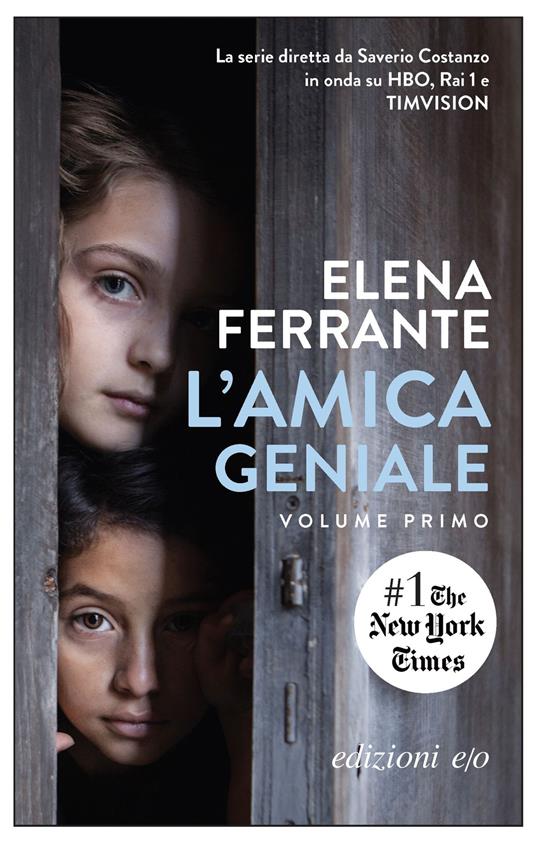
Lila and Lenù, the protagonists of The Neapolitan Novels (e/o) by Elena Ferrante, meet Little Women by Louisa May Alcott, which opens before them a new possibility. They discover what words can do when they become stories and give shape to what we have in mind. That’s how their love for reading and writing is born: from a book that does not spare them from misery nor immediately change their fate, but kindles a passion destined to accompany them far away, even if along different paths.
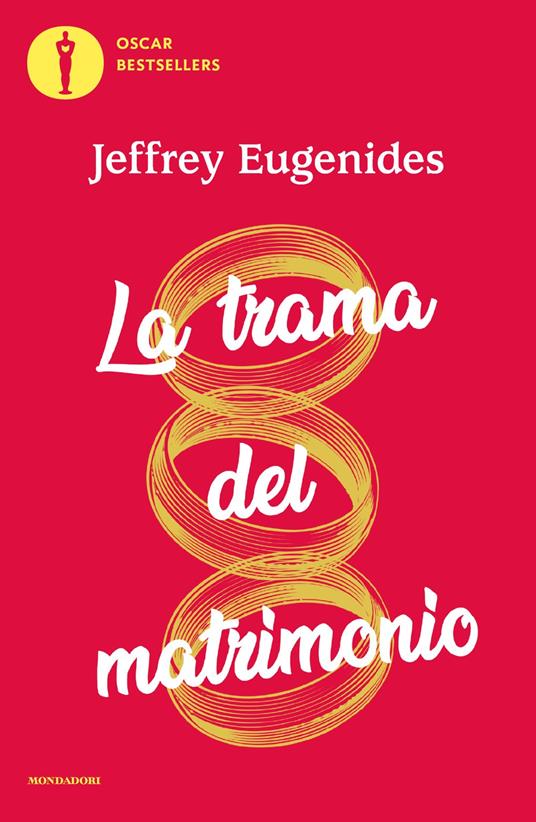
Nella formazione di molti protagonisti incontriamo libri capaci di fare altrettanto. In La trama del matrimonio (Mondadori, traduzione di Katia Bagnoli), Madeleine, immersed in the study of literature and love novels, confides in Fragments of an Analysis of a Love Affair by Roland Barthes to try to understand her own feelings.
Chi potrebbe aiutarla meglio di un libro che raccoglie le parole e le forme con cui la letteratura ha raccontato l’amore?
When books and stories come to the rescue
At that time Barthes, when he wrote his essay, had found a fundamental reference in Goethe’s The Sorrows of Young Werther, letting himself be inspired by the figure of the protagonist who, in a blue frock coat and lovesick, reads to his beloved Charlotte the Cantos of Ossian by James Macpherson.
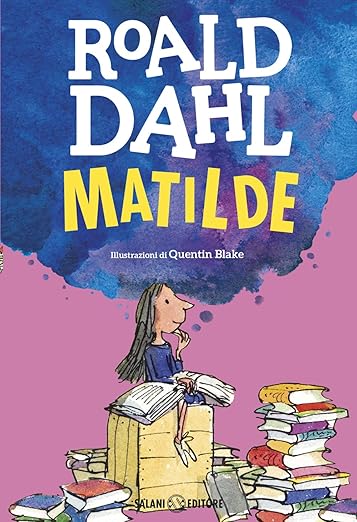
And still: Matilda, in Roald Dahl’s novel (Salani), finds in reading a world bigger than the one surrounding her. Jane Eyre, in Charlotte Brontë’s work, discovers among the pages a refuge from which to begin imagining a different future. For Bastiano, the protagonist of The NeverEnding Story (Longanesi) by Michael Ende, a book becomes a door that pulls him into the very narrative. And for Libero Marsell, in Obscene Acts in a Private Place (Feltrinelli) by Marco Missiroli, novels accompany the discoveries of adolescence and adulthood, offering him words to understand desire, the body and himself.
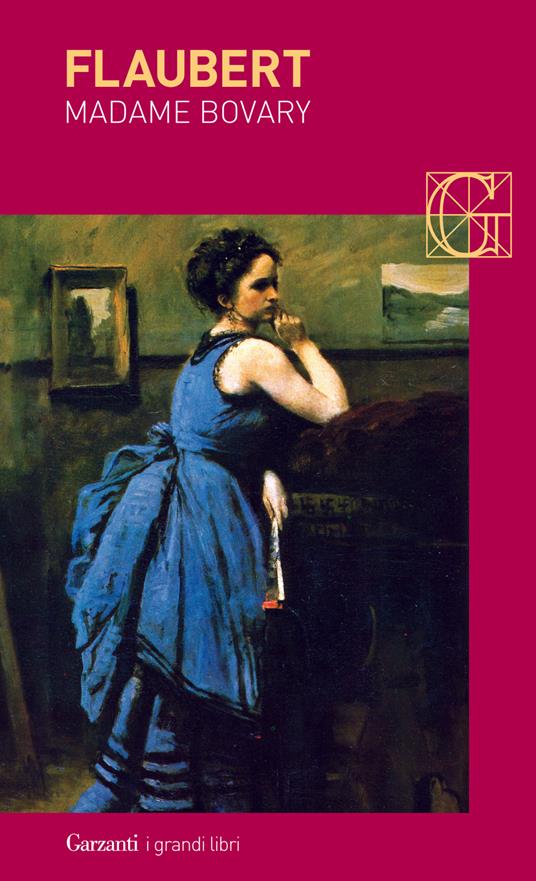
But not all lights are reassuring. Sometimes you can even get burned, as happens to Emma, the heroine of Madame Bovary by Gustave Flaubert. Since the convent days, Emma reads sentimental novels that make her desire absolute passions and lives outside the ordinary. The provincial marriage and days that all blend into one ultimately seem further from what she had imagined. Books become for her a distorted mirror: instead of helping her understand her own life, they feed expectations that reality cannot meet.
What can a little-light book do?
There is therefore no one-size-fits-all profile of the little-light book: it does not have precise characteristics, nor a final illuminating ending or a moral to digest. It isn’t guaranteed to be an inspirational or upbeat read, it does not have to tackle grand theories and does not promise answers. It is not bound to a single style either: it can take many different forms, because it isn’t what a book contains, by itself, that makes it a little-light book.
So what unites them? Perhaps the ability to spark a glimmer, even when it isn’t yet clear where it will lead. Or simply their nature: being books — wonderful and luminous — without the burden of having to do anything else. Sometimes they open a door; other times they stay by our side in the background, until a memory, an encounter or a new page brings to light what they had kept safe. They blend into daily life, enter our experiences and help shape the way we look at the world. And in the end, perhaps that is enough: that a light be lit to see a book at the end of the tunnel.
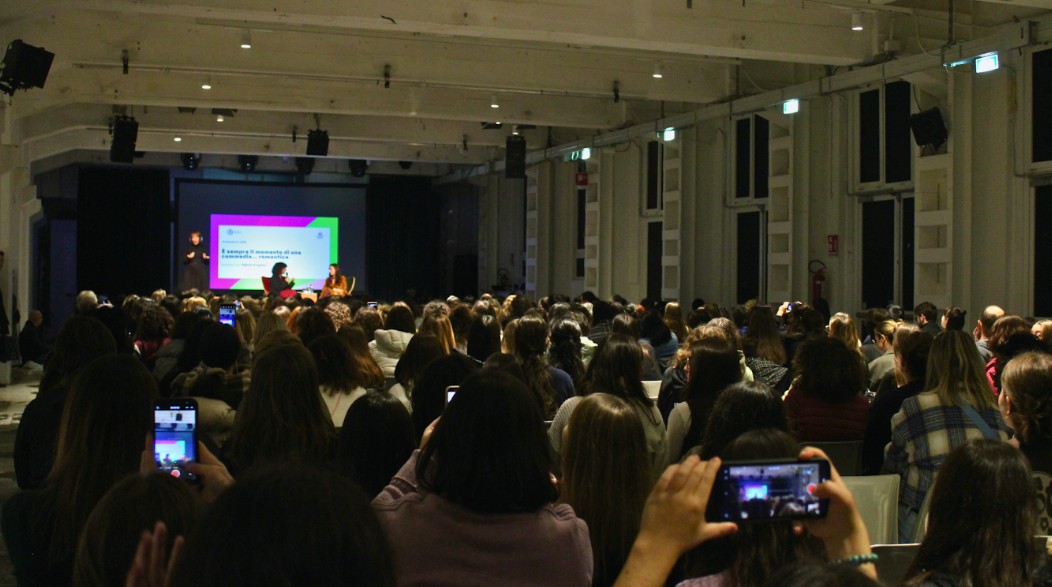
The invitation to bring your own “little-light book” from Base
The invitation to participants is to bring along their own “little-light book”: that novel that kept them company, pointed out a path, or revealed something unexpected at the moment it was needed. There will be space to share personal experiences and, at the end, for those who wish, a literary swap party: a way to trade books and literally pass the light on.
