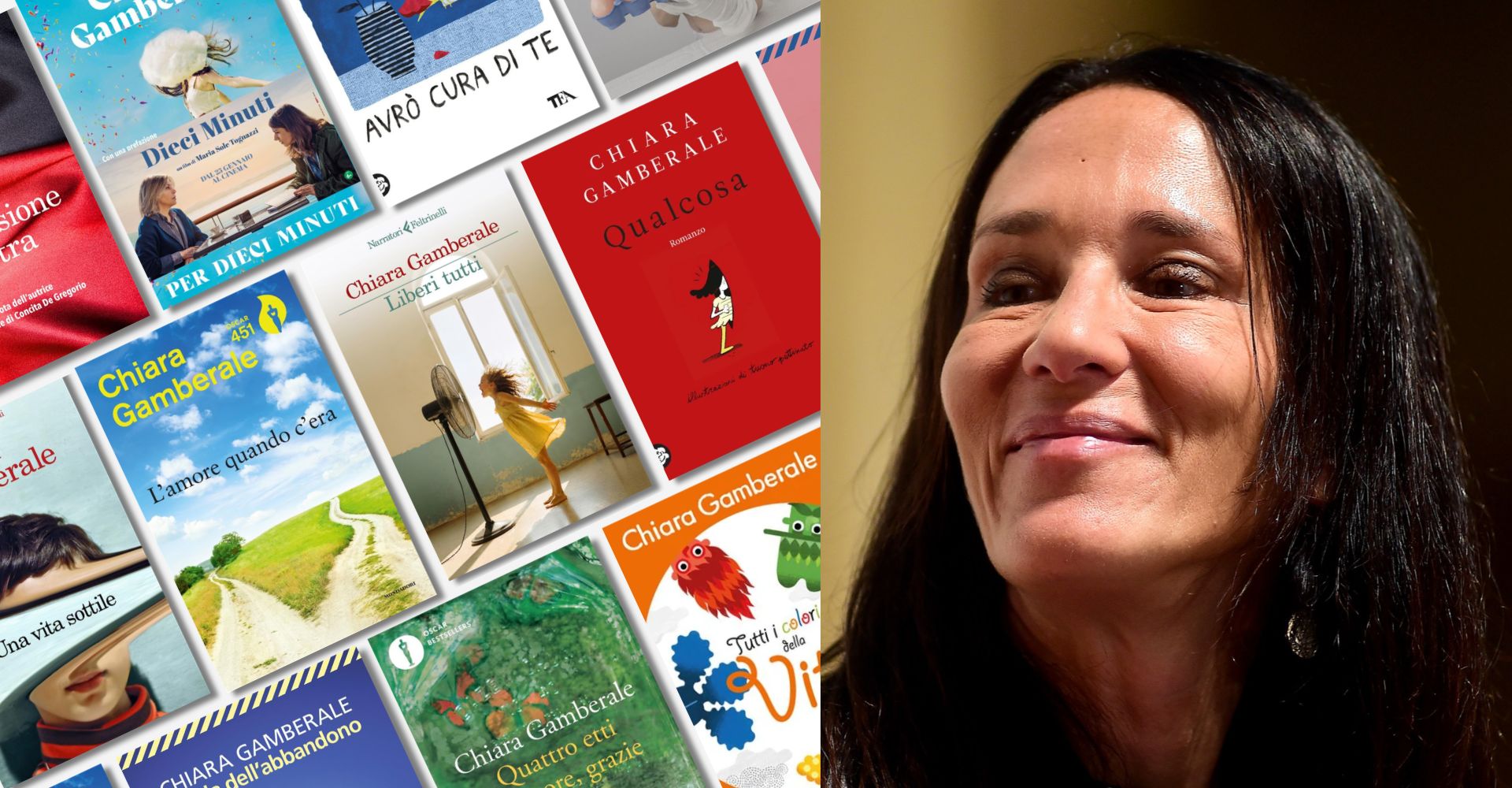
There are novels that arrive when we cannot name what we feel: it is in this space – between doubts, desires and changes – that Chiara Gamberale’s books move.
Born in Rome on April 27, 1977, the writer approaches literature after attending the classical high school and studying at the DAMS in Bologna, making her debut at a very young age with Una vita sottile (published by Marsilio in 1999). From the outset, her narrative stands out for its ability to give voice to individual fragilities, exploring with sensitivity and irony the moments when certainties waver and it becomes necessary to look inside.
Alongside the work of a novelist, Gamberale has built a professional path that traverses television, radio and journalism, collaborating, among others, with outlets such as La Stampa, Vanity Fair, Donna Moderna and IO donna.
An Author Who Gives Voice to Individual Fragilities, with Sensitivity and Irony
Her writing thus moves between different languages and expressive forms, keeping at the center the observation of people and the transformations that accompany existence. A path recognized also by criticism: The Blind Spot was a finalist for the Campiello Prize, consolidating her presence in the Italian literary scene.
Over the years, Gamberale has also expanded her narrative universe with illustrated books, cultural projects and collaborations, including Avrò cura di te (written with Massimo Gramellini and published by Longanesi in 2014) and Qualcosa (published by Longanesi in 2017, with illustrations by Tuono Pettinato).
Gamberale has also conceived and directed literary events such as Procida Racconta and Fuoco al Centro, confirming an interest in literature as an opportunity for meeting and exchange.
Books that Have Become Films
Some of her works have also reached the screen: from Una vita sottile, adapted into a television film in 2002, to Per dieci minuti, which inspired the 2024 film Dieci minuti.
The reflection on bonds and personal transformations also runs through Liberi tutti (Feltrinelli, 2026), her most recent novel, where family and romantic dynamics become the occasion to question the roles we are assigned and the relationships that help define us. In an interview with the Corriere della Sera, talking about the book and her own journey, Gamberale spoke about rethinking her idea of love: “I’ve always thought that love is something that has to do with struggle, effort, the need to deserve the love of the other.”
A belief that led her to question motherhood and that in the novel translates into seeking a different way to be together, on the same side.
From her debut to the most recent Liberi tutti, Chiara Gamberale’s body of work returns the portrait of an author who has made introspection a way to tell shared experiences, without renouncing lightness and irony. So let us retrace her books in chronological order, following the evolution of a writing that, through intimate stories and characters in search of answers, continues to question the meaning of growing, loving and changing.
Chiara Gamberale’s Books
A Subtle Life

A Subtle Life (published in 1999 by Marsilio, now brought back by Feltrinelli) is Chiara Gamberale’s debut novel, a deeply autobiographical story that traverses the pain of anorexia and binge eating during adolescence. In this text, which was adapted into a television film, the protagonist, who shares the author’s name, faces a disorientation that seems to swallow every certainty. What offers her a path to rising again are the people around her: friendships formed in school, the affection for a dog, and encounters capable of leaving a mark. Because, even when pain seems to fill everything, perhaps it is precisely in the bonds with others that one can begin to exist again…
Firefly Color
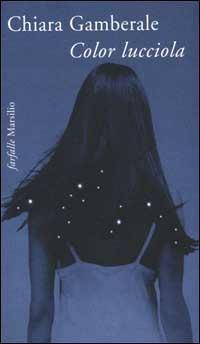
Firefly Color (published in 2001 by Marsilio), one of Chiara Gamberale’s early books, builds a mysterious tale, suspended between the charm of mystery and the need to confront what one would prefer to keep silent. Aleté possesses a remarkable yet uncomfortable gift: her presence pushes those around her to confess truths long kept hidden. This is why two parents turn to her, hoping to reach their son Paolo, nicknamed Orfeo, who is trapped in stubborn silence. But the young man is a writer at work on a novel, and the encounter between the two triggers a braid in which the lives of the invented characters intersect with those of the people who created them. Where does fiction end and truth begin?
The Clowns Arrive
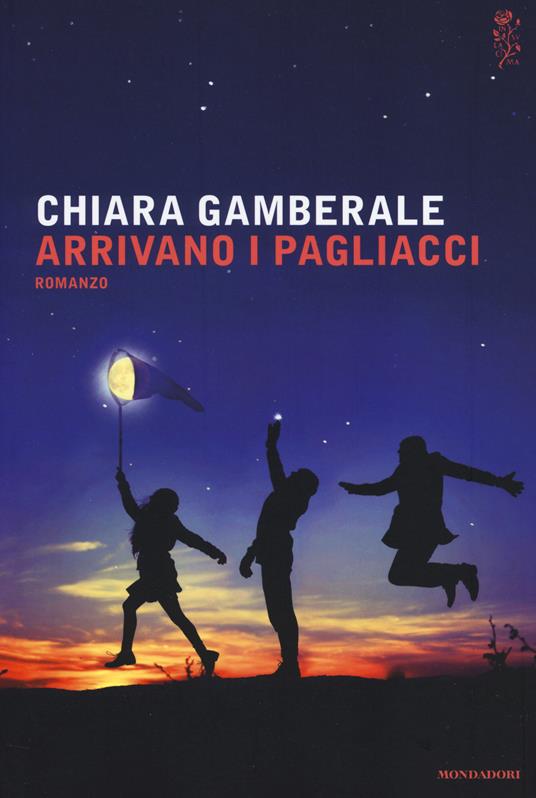
One house to leave, a nonconformist family, and a letter to try to put order in memories: The Clowns Arrive (2002, Bompiani; now reissued by Mondadori) follows Allegra Lunare in the delicate passage where becoming an adult also means learning to part from one’s world. At twenty, the girl entrusts writing with the task of telling what she is about to lose, starting from the objects left in the apartment and the stories they preserve. From this emerges a mosaic of loves, encounters, family bonds and discoveries, carried by a perspective capable of turning even the most painful experiences into something unexpected.
The Blind Spot
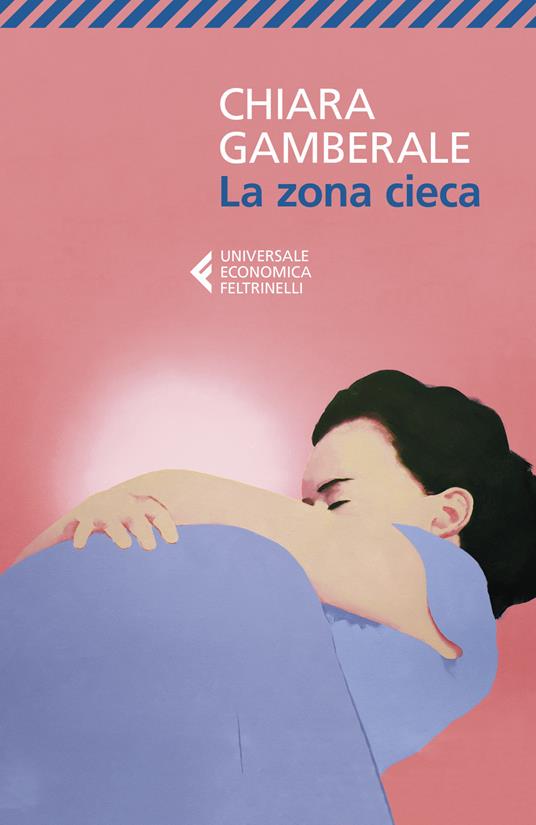
The Blind Spot (published in 2008 by Bompiani and reissued by Feltrinelli) centers the relationship between Lidia and Lorenzo, two people who seem destined to attract and – at the same time – to wound one another. She hosts a radio show dedicated to feelings and knows her own pain well; he is a narcissistic writer, skilled at hiding behind lies and illusions. Their relationship becomes a continuous chase, where the need to be loved collides with the fear of letting themselves be truly known. Until the arrival of some unexpected letters opens a crack on new possibilities of listening and understanding…
A Left-Wing Passion
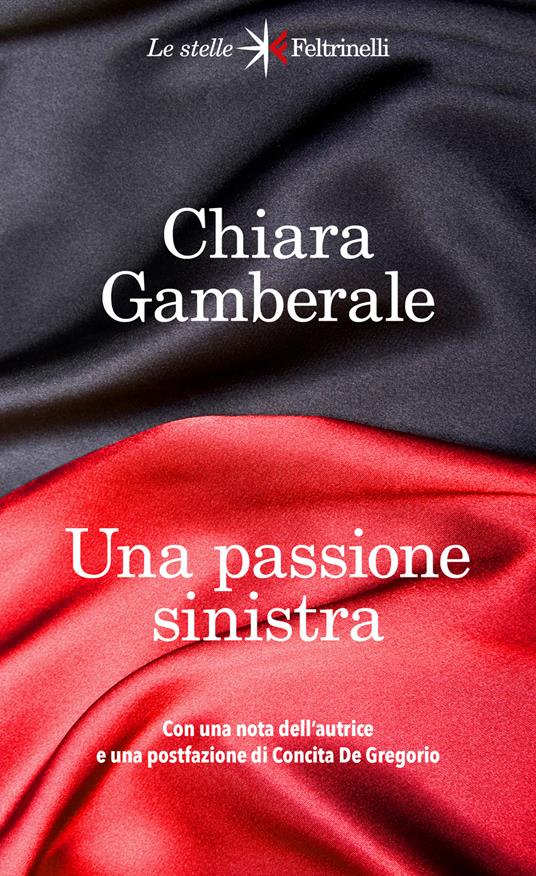
What happens when we fall in love with what we thought we could not love? In A Left-Wing Passion (2009, Bompiani; now published by Feltrinelli), Chiara Gamberale explores the contradictions of desire through Nina, a left-leaning, idealistic woman impatient with conventions, and Giulio, an ambitious conservative lawyer. The two meet when Nina must sell the family home, but the attraction between them challenges political beliefs and personal certainties. Against the backdrop of an Italy undergoing political changes, their relationship becomes a game of seduction and conflict, where the line between what we reject and what resembles us grows ever thinner.
The Lights in Other People’s Homes
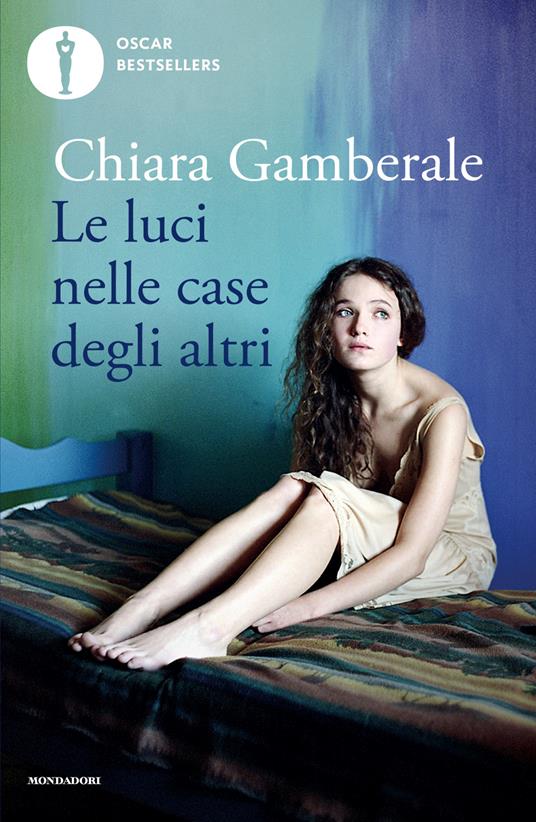
Among Gamberale’s books is also Le luci nelle case degli altri (published in 2010 by Mondadori), where the author builds a chorus around Mandorla, a six-year-old girl who has lost her mother Maria. Before dying, the woman left a letter with a revelation: the father of the little girl lives in the same building. But who is he? Unable to find an answer, the men of the building decide to raise Mandorla together. Following her as she grows, we glimpse the lives of her neighbors and discover that every home shelters lights and shadows, just like each of us.
The Love When It Was There
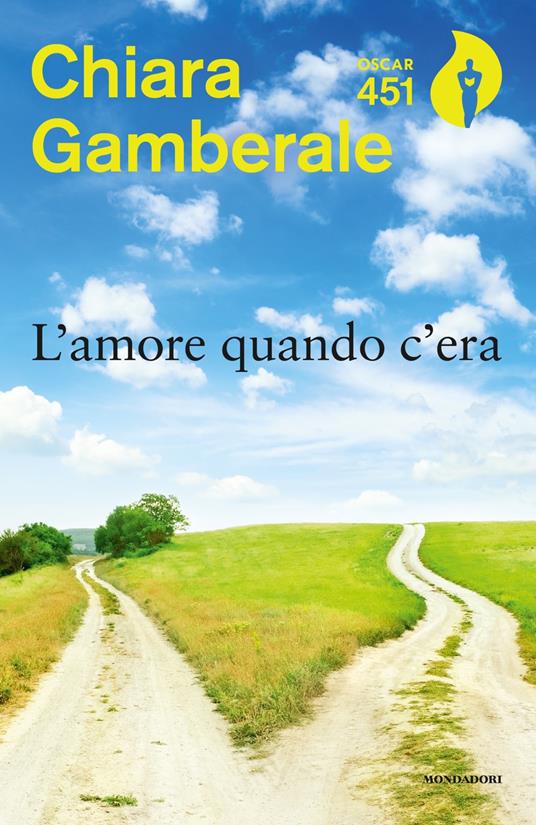
Love When It Was There (2012, Mondadori) tells the story of the reconnection between Amanda and Tommaso, who meet again after twelve years of silence thanks to a condolence email. He is married, has two children and a seemingly happy life; she continues to question the meaning of happiness and that sense of incompleteness she cannot shake off. Through a stream of messages, feelings never fully extinguished resurface and a difficult question arises: is it better to chase what we have lost or to choose the uncertainty of what still awaits us?
Four Ounces of Love, Please
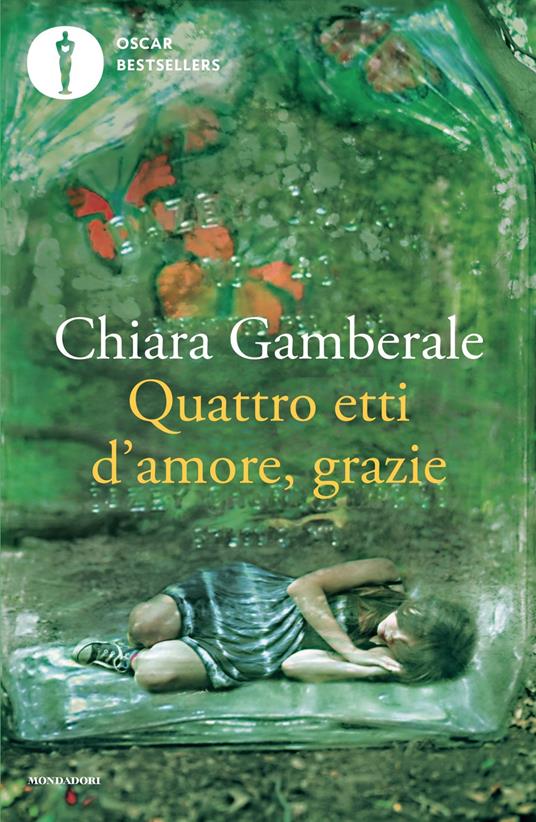
Two women, two seemingly opposite lives and a supermarket where each ends up looking for in the other’s cart what their own existence lacks. Erica has a family, a steady job and all the responsibilities of adult life; Tea is a famous television actress, free in the eyes of others, but trapped in a complicated relationship. Four Ounces of Love, Please (2013, Mondadori) stands out among Chiara Gamberale’s books as a dense weave of glances, fantasies and misunderstandings.
For Ten Minutes

Let us come to one of Chiara Gamberale’s most loved books. For Ten Minutes (2013, Feltrinelli; adapted into a film in 2024) tells how, to restart one’s life, it can be enough to begin with ten minutes. When the romantic relationship ends, the home changes and work also seems to slip away, Chiara finds herself without the anchors she had built her life upon. She then accepts a challenge: for one month, every day, dedicate ten minutes to something she has never done before. Through quirky experiments, small gestures and new discoveries, Chiara Gamberale shows that change, however frightening, can become an opportunity to rediscover oneself and start again.
Avrò cura di te
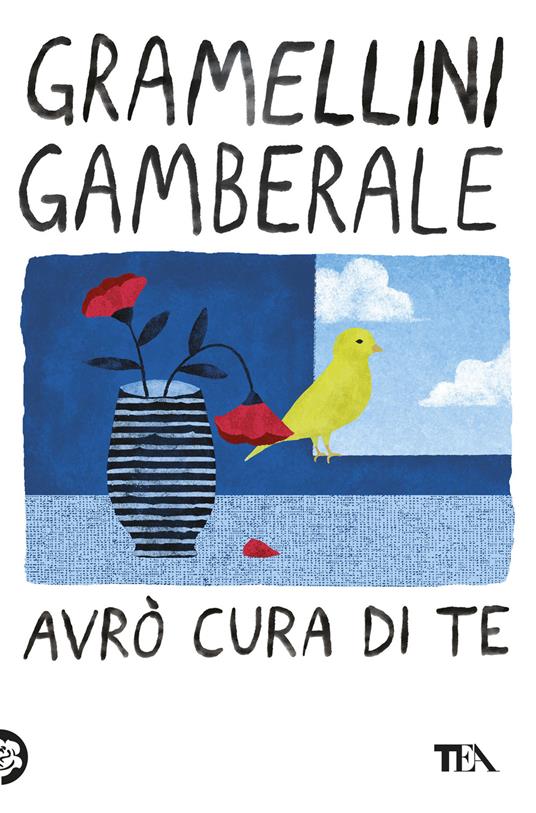
And if, in the moment when we feel the loneliest, someone would be willing to listen to us truly? In Avrò cura di te (2014, Longanesi; reissued by TEA), Chiara Gamberale and Massimo Gramellini tell the meeting between Gio, a thirty-something dealing with a failed love and a life that seems to be slipping away, and Filèmone, her guardian angel. Everything begins with a letter, written almost in despair and destined to receive an unexpected response. Through a surprising dialogue, Gio embarks on a journey of self-discovery, learning to distinguish the voice of fear from that of the heart. Because taking care of someone sometimes means, first of all, learning to take care of yourself…
Now
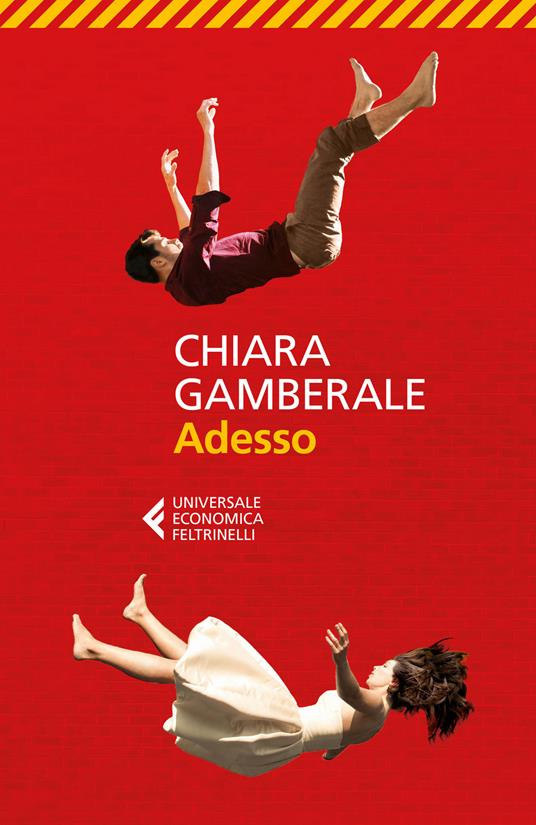
There are meetings that arrive to disrupt every balance and force us to confront who we really are. In Now (2016, Feltrinelli), Chiara Gamberale tells the awakening of love through Lidia and Pietro: she is restless, always seeking new emotions; he is introverted, still bound by a painful past. When they meet, both must decide whether to let themselves go or continue protecting themselves from wounds. Between desire, fears and unresolved bonds, their story explores the difficulty of changing and the courage needed to do so. Not someday, but… now.
Something
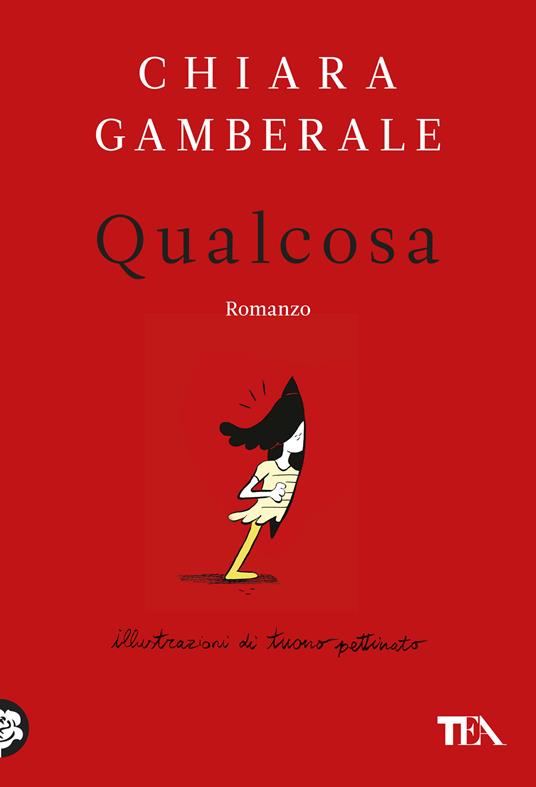
Something (2017, Longanesi; reissued by TEA) sees Chiara Gamberale, accompanied by illustrations by Tuono Pettinato, giving life to a witty and surreal fairy tale. The protagonist is Princess Something Too Much, accustomed to living every emotion without measure, until a sudden pain leaves a void inside. It will be the encounter with the Knight Nothing that teaches her the value of silence and boredom. Between extravagant adventures and attempts to flee from herself, the story invites reflection on the frenzy to fill every space and the possibility of embracing even what is missing.
All the Colors of Life
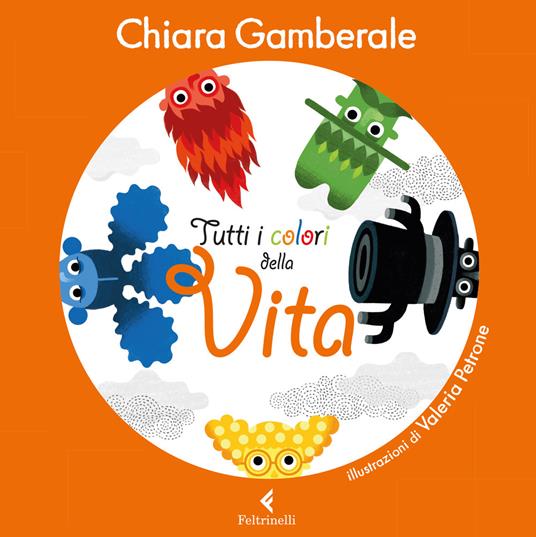
All the Colors of Life (published in 2021 by Feltrinelli), a fairy tale with illustrations by Valeria Petrone, invites young readers on a journey toward discovering the other. Five residents, Senza, Pepita, Blues, Grandfather Coal and Mister Green, each live in a single color, convinced there are no others. A remarkable wind arrives to bring them together, revealing how diversity can enrich daily life. A tale designed to teach from an early age that life gains new shades when we stop staying confined to our own world.
The Island of Abandonment
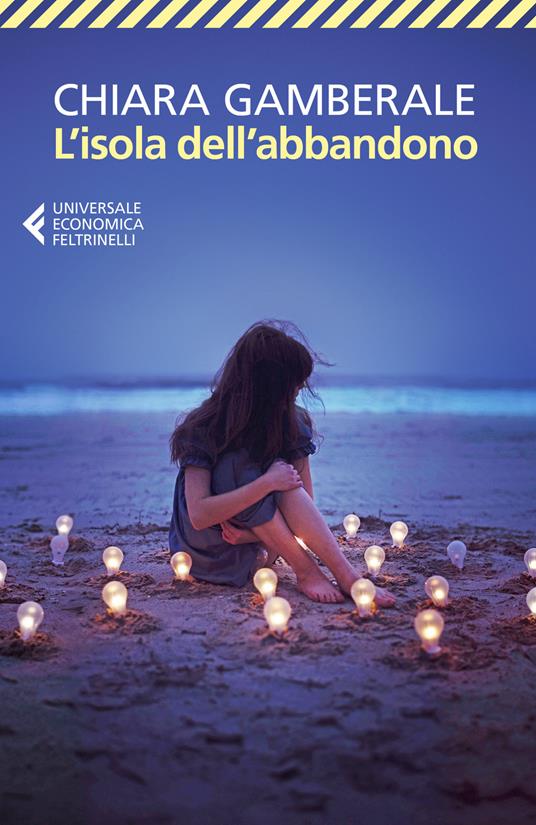
Are there places where the past continues to wait, even after many years? For the protagonist of this novel, the Greek island of Naxos is one of them: there, ten years earlier, she was abandoned by her first love Stefano and met Di, a man capable of confronting her fears. Now a mother, she must question the meaning of family, of love and of running away. Chiara Gamberale weaves together the Ariadne and Theseus myth with present anxieties, telling in The Island of Abandonment (2019, Feltrinelli) how painful life transformations can be and how hard it is to give up control.
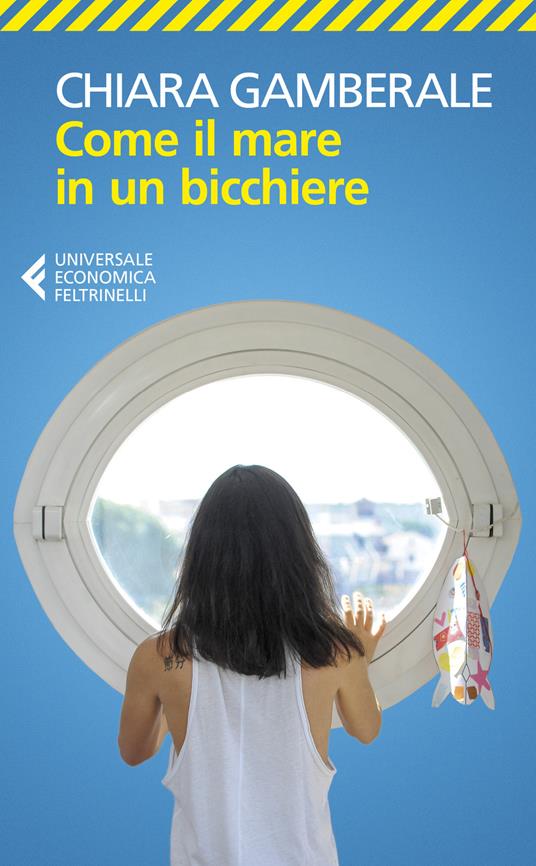
Like the Sea in a Glass
The Father’s Womb

How much of our way of loving depends on what we experienced as children? It is a question that threads through The Father’s Womb (published in 2021 by Feltrinelli), a novel in which the author intertwines the romance between Adele and Nicola with the unresolved relationship between the protagonist and her father, Rocco. When the chemistry with Nicola begins to crack, Adele returns to her hometown, where the nickname “Senzaniente” keeps reminding her of childhood wounds and the humble origins of the family. Between memories, desires and ambivalent ties, the past resurfaces and unsettles the certainties of the present…
The Mezzaluna Brothers
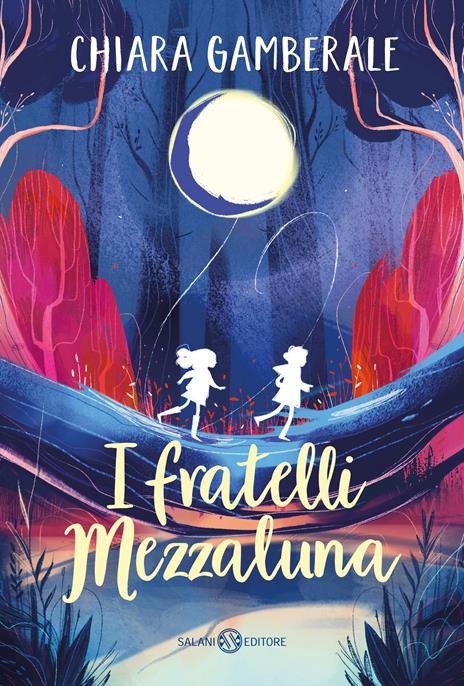
Among Chiara Gamberale’s books for young readers is also the recent release I fratelli Mezzaluna (2023, Salani), an adventurous fairy tale centering on two unconventional twins: Lena, capable of asking heart-reaching questions, and Alen, who reads thoughts through silence. When they discover that their mother lied about their father, they flee Gabaville and end up in the Under-Skin World, ruled by fear, anger and shame. Amidst surprising creatures and trials to overcome, the two learn that emotions do not exclude each other and that embracing one’s own contradictions can change the fate of an entire community.
Tell Me About You
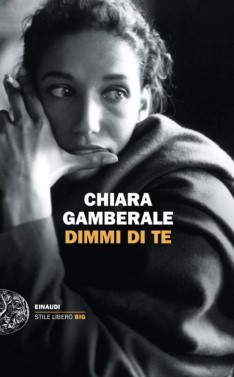
Tell Me About You (2024, Einaudi) is one of Chiara Gamberale’s latest books, a text that opens from a personal crisis to embark on a journey into adolescence memories. Having become a mother and faced with a daily life that feels suffocating, the protagonist decides to locate some classmates she once idealized: the most desired girl, the rebel, the good guy, the one who seemed to have all the answers. Through these meetings, the past and the present intertwine and the old certainties waver. What emerges is a sincere and intense reflection on growth, on the choices made and on the possibility of reconciling with the person we have become, without denying the one we dreamed of being.
All Free
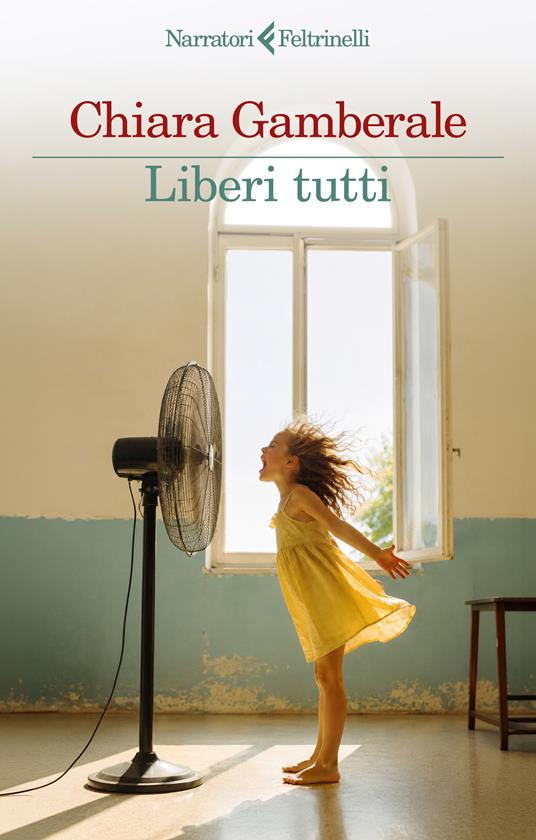
Arriving at Liberi tutti (2026, Feltrinelli), the latest book by Chiara Gamberale, a novel that takes on the contours of a psychological thriller to investigate childhood fragilities and the wounds that adults continue to carry inside. It all starts in a Rome elementary school, where a shocking event involves five families. Narrated by Titti, the teacher who intimately knows children and parents, the boundaries between victims and those responsible become increasingly blurred. With a plot dense with tension and characters full of contradictions, Gamberale invites us to look beyond appearances and to ask how our wounds condition the way we love, educate and grow. Here is our review.