
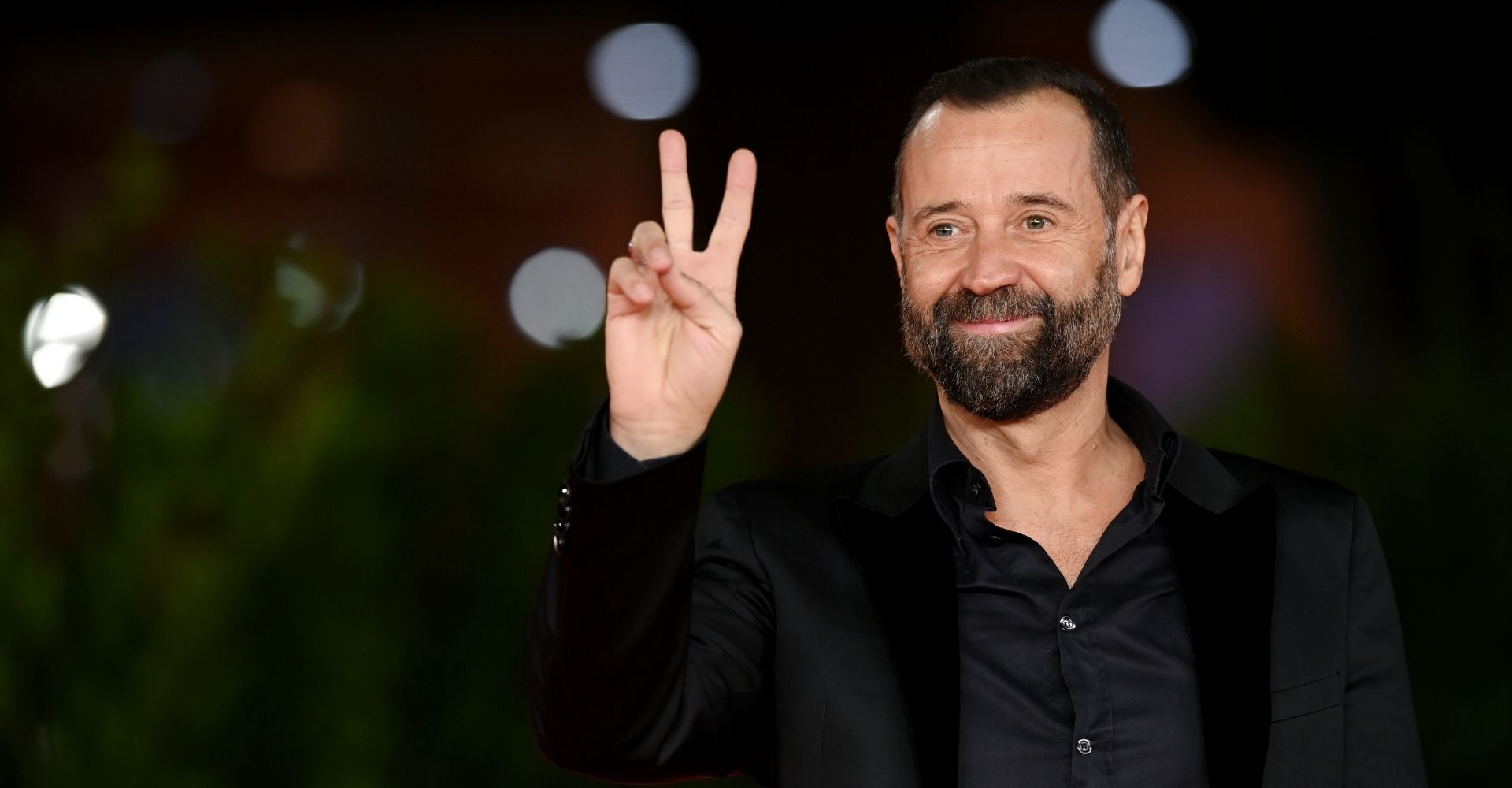
The name by which Fabio Volo is known, a writer, radio host and actor, is actually the pseudonym of Fabio Luigi Bonetti, a pseudonym that has accompanied him in his professional life also through the title of his radio program Il Volo del Mattino, aired since 2000 on RadioDeeJay, and in several TV programs in which he worked.
Besides his activity in radio, television and writing, Volo also works in cinema: he has acted in many Italian films, and has voiced characters such as Po, the protagonist of Kung Fu Panda, and Wilden Lightfoot in the animated film Onward.
Born in Calcinate on June 23, 1972 and raised in Brescia, Fabio Volo is one of Italy’s most successful authors of books: his publications consistently reach the top of the best-seller list, a not-insignificant aspect, and one we will soon return to in order to better frame the controversial “Volo phenomenon.”
The stories told in his books address universal problems, such as difficult relationships with parents, misunderstandings in relationships, and the discontents of adult life, topics that lead his readers to identify with the plots and to rediscover themselves in the described characters.
Other elements decisive for the success of his novels are his style, occasionally inspired by aphorisms (which makes Fabio Volo’s phrases highly sought-after and widely shared quotes) and a witty, humorous vein, which manages to soften the more dramatic notes of the stories told.
In November 2021 Volo published his twelfth book Una vita nuova (published by Mondadori, like all his titles) with which he celebrates the twenty-year anniversary of his career as a writer. And once again, a new novel of his immediately reached the coveted “top ten”.
Just days after its release, the writer, critic and essayist Walter Siti reflected on Domani: “Perhaps it isn’t true that Volo’s writing is one-dimensional, perhaps there are three levels: one bright and even opportunistic on the surface, one of everyday realism, and one deeply symbolic, not necessarily conscious. Volo is now at his twelfth novel; it is time for criticism to question the reasons for his extraordinary popular success: what is in his books that readers like so much? Volo is politically correct in substance but irreverent in the way he presents things; if he were a politician, he would be one of those easygoing and cool social democrats of Northern Europe, very attentive to civil rights and genetically incapable of extremism…”.
The controversies and discussions surrounding the success of Volo’s books are recurrent, and over the years many—especially among critics and those who obsess over tone—have frowned, both publicly and privately, at the sales of his narrative works. At the same time, on social media there is no shortage of irony.
Moreover, Fabio Volo himself has on several occasions tried to explain the success of his stories and to respond to criticisms, as in this 2015 interview published in Il Fatto Quotidiano by Selvaggia Lucarelli: “The truth is that years ago, when I was living in the countryside, the success of others also annoyed me. The problem in these cases is that instead of shifting attention to yourself, you keep it on what others are doing. If you have a bar or the time spent doing things for your life, you don’t have the energy to think about me. Today I did radio, went to kindergarten, I wrote, I didn’t have time to deal with the success of others.
Also about his approach to writing and fame, this reflection by the Brescia-born author, hosted in 2013 by La Lettura of the Corriere della Sera, may be useful: “One time someone told me that I was telling the life of those houses where you can smell broccoli. I never understood whether it was a compliment, an observation or if somehow they were trying to insult me. Whatever the intention, they were right…”. Later Volo returns to the criticisms: (“…”) In our country there is a strange race to failure: I wrote a book that didn’t sell because the public doesn’t understand me, it isn’t up to it. A perfect alibi that reduces success to a form of betrayal, to having yielded to the flattery of the public, to people, to big numbers. He sold out, marketed, lowered himself. I actually perceive this attitude only as the expression of a total disdain for others…”.
Having made this necessary preface, here is a retrospective of Fabio Volo’s bestseller novels published to date, on the occasion of the release of his new book, Come, let’s go home, published by Mondadori:
Come, let’s go home

Defined as “a transformative love story, a sentimental education of adulthood in which it is easy to identify,” Fabio Volo’s new novel tells of a love that arrives when you least expect it and forces you to put yourself at stake. Come, let’s go home follows the spark that erupts between Lorenzo and Aurora. He thinks he has lived everything there is to live and has everything under control, but then he meets her, so beautiful yet so fragile, an “out of category” person, as his friend Ezio would say. And here come the butterflies in the stomach that he thought belonged to another age…
I go out for a walk
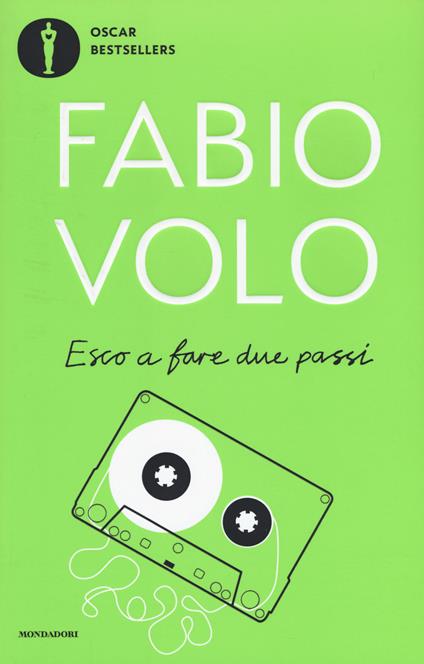
And now a step back, to retrace from the beginning the narrative production of ours. I Go Out for a Short Walk is Fabio Volo’s first book, published in 2001. It tells the autobiographical story of Nico, a twenty-eight-year-old who works as a radio deejay. Nico faces the moment in life when the adolescent in all of us is forced to confront a world that asks him to become an adult. Nico indeed does not want to grow up, and he writes this letter to himself in an attempt to understand himself better and to clarify the major themes of life such as love, work and friendship.
It’s a Life I’ve Been Waiting For
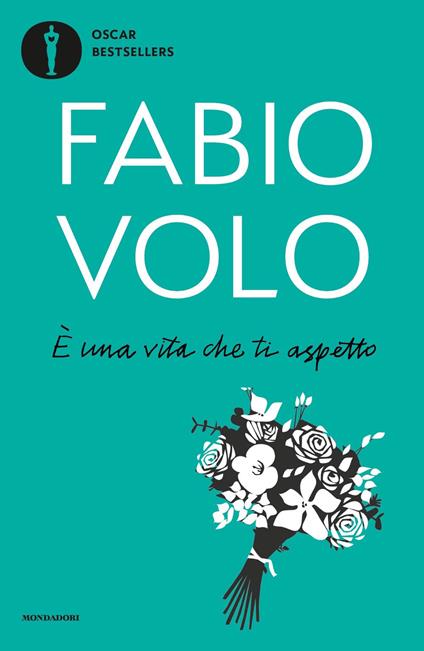
In 2003 Fabio Volo published It’s a Life I’ve Been Waiting For; the protagonist is Francesco, a well-off young man who, despite the success he gains in his job, and a serene life in terms of friendships and family relationships, feels he has not yet found his place in the world. Through a total reassessment of his lifestyle he finally manages to face the existential torpor that had afflicted him and to discover the version of himself he had been waiting for.
A Place in the World
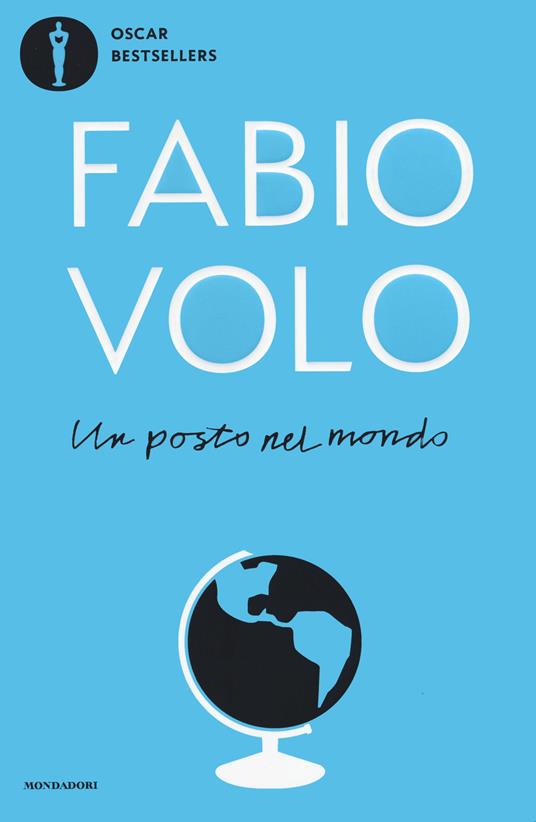
At the heart of Un posto nel mondo, Fabio Volo’s third novel published in 2006, we find the deep friendship between Michele and Federico. When Federico decides to give a turn to his life by setting off on a aimless journey, he leaves Michele to face his life alone. Then Federico returns completely changed, and Michele discovers that another life is really possible. Thus Federico becomes a guide (even in his absence) in the path that will lead Michele to rediscover the pleasure of living.
The Extra Day
Published in 2007, The Extra Day is Fabio Volo’s fifth book, and one of his most successful. The protagonist in this case is Giacomo, a man who spends his life in a dull and habitual way where days all seem the same. This changes when a glance exchange on a tram manages to turn his days around for the better. When Giacomo finally finds the courage to speak with the woman he meets every morning, he discovers that she is about to move to New York. At that point Giacomo must find within himself the strength to take a real leap into the unknown. From The Extra Day was adapted into a film of the same name, directed by Massimo Venier, released in 2011.
The Time I Wish For
In The Time I Wish For (2009) the protagonist is Lorenzo, a boy who thanks to hard work and a bit of luck with work manages to rise above the poverty of the family he was born into. In this journey, however, he leaves behind loved ones: the possibility of recovering the relationship with his father seems increasingly distant, as does that of reviving a old love that he cannot forget. It is thus that Lorenzo finds himself lamenting the lost time, wishing for the opportunity to relive it, even if just for a moment.
The First Lights of Morning
The First Lights of the Morning (2011) is Fabio Volo’s first book with a female protagonist. Elena has a serene marriage, which, however, does not make her happy. The novel blends moments when the protagonist reads the diary to which she entrusted her memories with her present-day reflections: this is how we discover what event pushes Elena to find the courage to seek true love, and the path that leads her to the security necessary to finally live her life as she desires.
The Road Home
The Road Home, published in 2013, tells the story of Andrea and Marco, two brothers who are extremely different from each other. After their mother’s death their lives diverge: Marco goes to London while Andrea pursues a traditional life, earning a degree and soon marrying. After several years, when their father’s health begins to show signs of fragility, Marco returns to Italy and faces again the relationships of his past: the one with his father, with his brother, and with his ex-girlfriend, who realizes she has never forgotten completely.
It’s All Life

The protagonists of the novel It’s All Life (2015) are Nicola and Sofia, two new parents whose relationship they believed to be perfect is tested by the arrival of a new member in the family. The chemistry that had bound them until then vanishes, even if the difficulties they face for the first time seem to hint at the possibility of a new way of living their relationship.
What Desires Are For
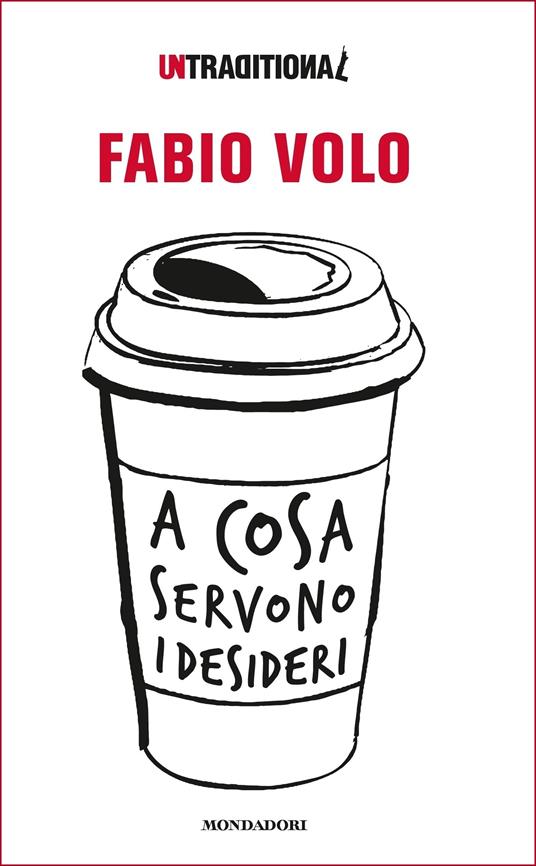
What Desires Are For (2016) is a kind of personal notebook in which Fabio Volo moves away from the novel form to make room for his thoughts and inspirations (in the form of phrases and quotations) that have accompanied his professional life. In the second part, however, are listed questions to which the author would like to provide an answer, inviting his readers to do the same.
When It All Begins
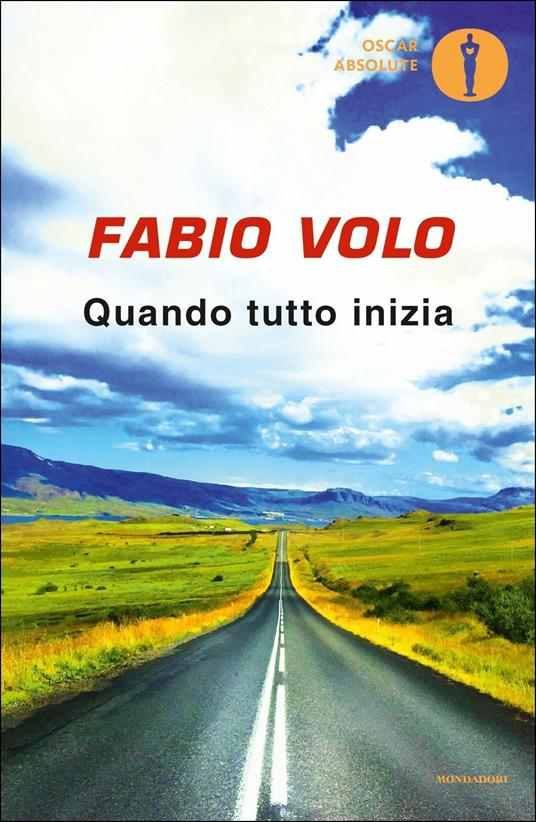
In When It All Begins, published in 2017, central is the story between Gabriele and Silvia, an intense and deep romantic relationship that makes Gabriele feel understood as never before. There is, however, an obstacle to their love: Silvia is married, and the time they can carve out for their relationship is only the time they can forget the world outside in Gabriele’s apartment. Their connection begins to crack when they must face their future once and for all.
A Strong Desire to Live

We now arrive at Fabio Volo’s tenth book, A Great Desire to Live, published in 2019. In this novel the author tackles the theme of a crisis in a relationship affecting the protagonists Anna and Marco. Anna and Marco are parents of Matteo, and their relationship after seven years seems to be at breaking point. A trip to New Zealand and Australia that brings them into contact with couples very different from their own helps them rediscover the roots of their love, and above all to question themselves.
A New Life

Starring in A New Life, Fabio Volo’s penultimate book, published as mentioned in fall 2021, we find a pair of friends, Andrea and Paolo. The two embark on a journey from Puglia to Milan: Paolo wishes to give his father, as a gesture of affection, an old Fiat 850 Spider that he had sold many years before and that he still regrets. Among the misadventures that enliven their trip, the two friends open up honestly about the problems they are facing in their respective lives, thus giving each other the courage to start anew once they return home.
Everything Is Here for You
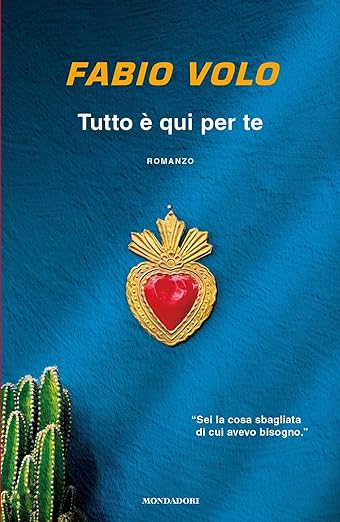
“A book on the line of shadow that each of us finds to cross at different and unexpected ages. About the desire to really put oneself to the test, to be open to embracing love rather than pursuing it everywhere. About the value that loneliness can have. About the desire, and the possibility, of a new beginning”: this is how Tutto è qui per te is presented, Fabio Volo’s penultimate novel, in bookstores for Mondadori from November 14, 2023: the protagonist, Luca, is superb at surprises, has the talent to make every moment special, even lunch breaks. He is a very independent man, but he does not like being alone. He has a significant past relationship, the end of which he hasn’t understood how it happened (“when do the beautiful things then become bad?”). He goes out with a girl half his age and he feels a bit ashamed, but she is like a breath of fresh air. His mother, on the other hand, treats him as if he had never become an adult and never misses a chance to make him feel wrong, in debt. One day, by chance, he meets Lucia, his girlfriend from when he was twenty. Now she has a daughter and is separating from her husband. And if they tried to return to the point where they had stopped, to see what has remained of those two?
We Will Dance to the Music They Play
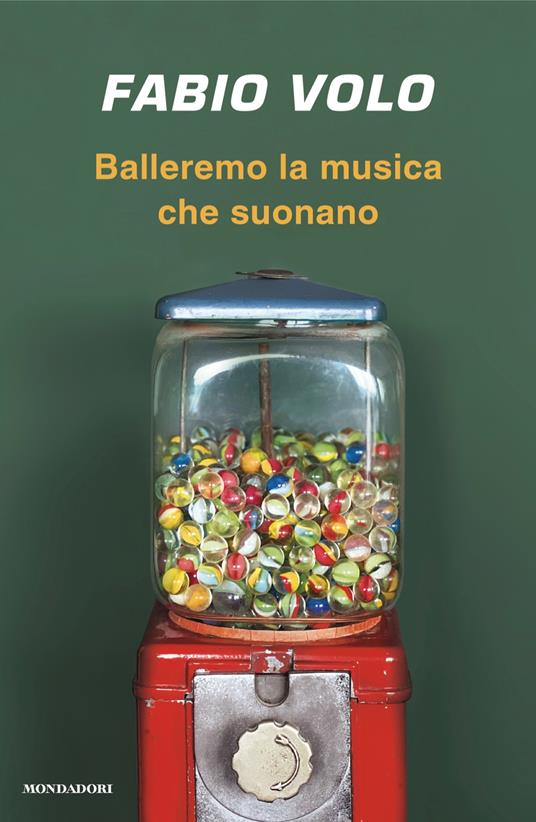
In January 2023 arrives Balleremo la musica che suonano, in which the author abandons the fiction of the novel and tells his own personal story, “without filters.” And so, moving episodes alternate with others of inspiration, with more lighthearted and funny scenes. It has been described as “one of his most intimate and sincere books, a book that gives strength and conveys tenderness.” As Volo has explained, his family had little money: when they went to the pizzeria they chose the cheaper dish, not the one they really liked. His fate seemed already mapped. He did not have a particular talent to rely on nor a big dream to chase, and every time he tried to express a desire he found someone telling him it wasn’t for him. Thus he was convinced that certain thoughts were not worth allowing himself.
Around this, this young man discovers books in a way totally different from how he had known them at school. And he is struck by them. The pages of Hermann Hesse, Gabriel García Márquez, Jack London, Joseph Conrad push him to lift his eyes above all the trivialities and tell himself: there must be a space for me somewhere too. Suddenly his life no longer fits him as if it were a shoe of a smaller size. Reading showed him a path of escape and gave him the courage to take it. But seeking one’s own path sometimes means hurting those who stay, like the father who until then had been his great sad hero.
