“Produce, consume, die!” shouted the CCCP in the distant year of 1986 in Morire, at a time when, in the Western world, the cultural and especially political universe of reference was markedly different from what it is today. Yet, if we reflect on a phenomenon like CCCP and the outcome of that struggle, that dream of communism unfulfilled—after the fall of the Berlin Wall and the dissolution of the Soviet Union—we cannot say with any certainty where the world is headed now. Not politically, nor culturally, artistically, or musically.

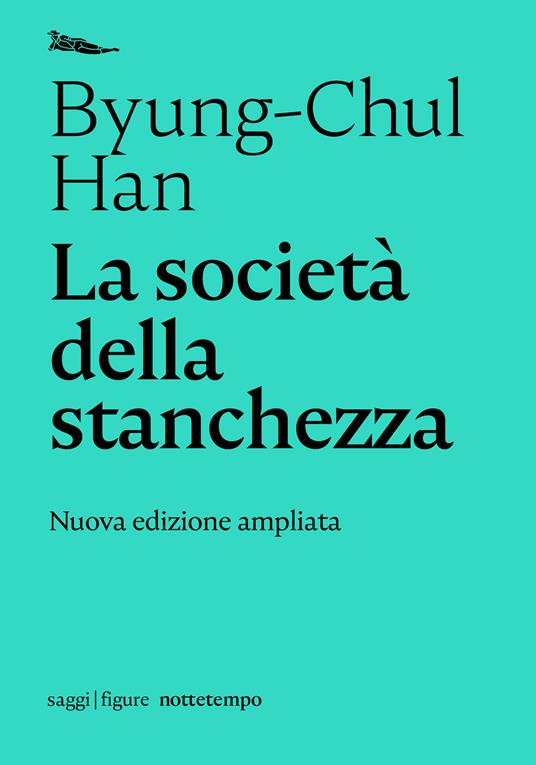
And in a society where philosophers and thinkers of the calibre of Mark Fisher, Byung-Chul Han, and Slavoj Žižek have not refrained from underscoring—through musings and writings such as Capitalist Realism, The Burnout Society, and Against Progress (to name a few)—that that shouted motto has somehow become symbolic of the interconnected way of living today and of the devastating effects of late capitalism, new generations—the same as their predecessors—find refuge, escape, and a sense of redemption once again in music.
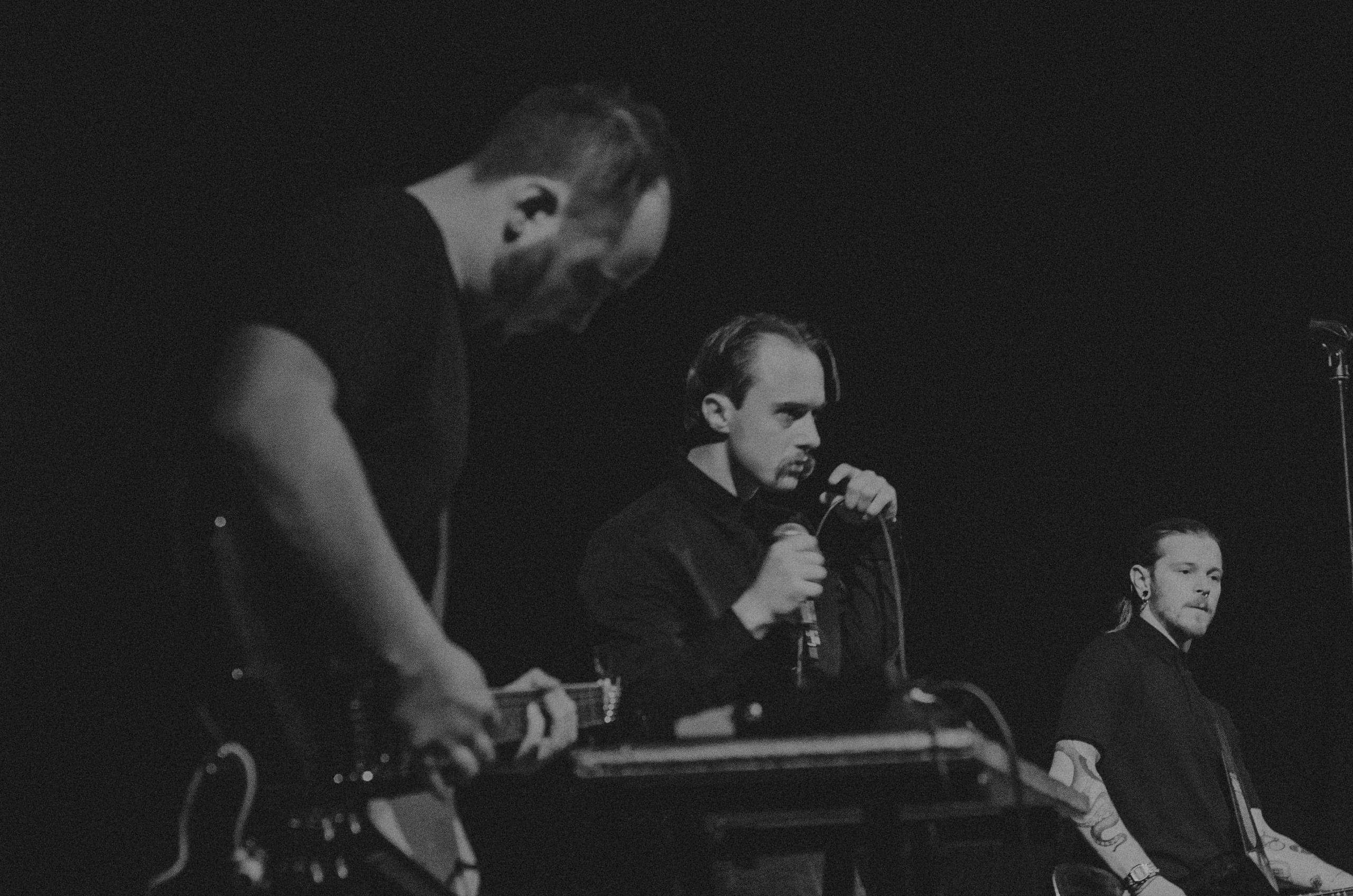
Thus, in an immense galaxy of old and new post-punk enthusiasts, no longer separated by ideological or political barriers but rather fragmented into a multitude of dark subgenres with shrill and metallic sounds, new phenomena emerge from that over-the-border world long submerged: Molchat Doma, undoubtedly one of the most iconic bands of the recent years, becoming a symbol (perhaps unknowingly) of the doomer generation among younger listeners, moving from the frigid Minsk in Belarus under Alexander Lukashenko to the world scene.
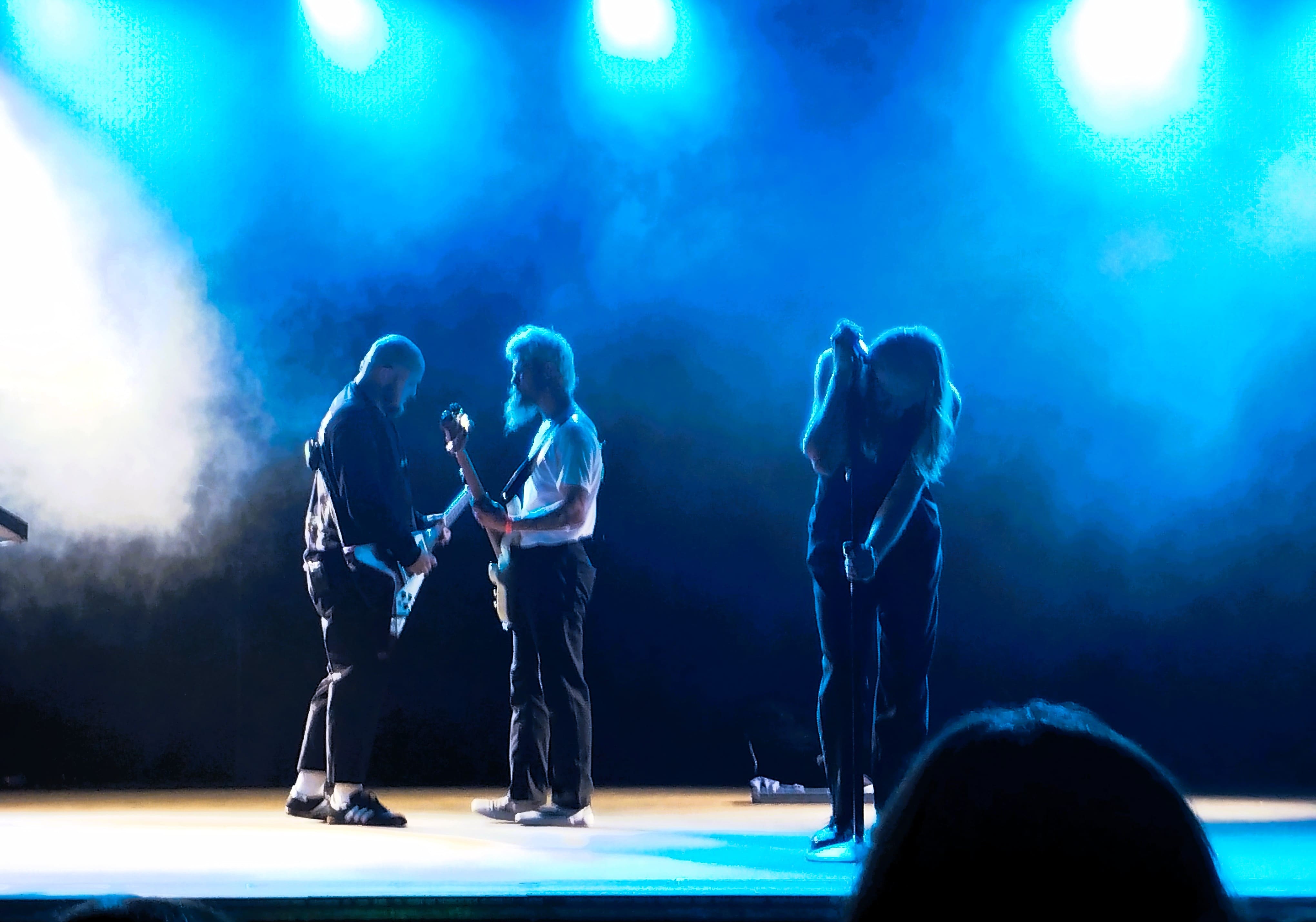
Il fenomeno Molchat Doma: dal doomscrolling di TikTok alla scena mondiale
“We are Molchat Doma, from Minsk,” they now shout from stages around the world, including in Italy.
The Minsk-based Russian-speaking trio Molchat Doma (from Russian Молчат дома, literally “They are silent at home,” a name far from casual) was formed in 2017 by Egor Škutko (vocals and frontman), Roman Komogorcev (guitar, synthesizer, drums) and Pavel Kozlov (bass), and today counts more than 1.4 billion streams across all platforms. As noted above, in under a decade the band has become one of the symbols of the TikTok doomer generation.
But what does exactly the phrase “doomer generation” mean?
From the English word “doom,” meaning misfortune, disaster, ruin, the doomer is one who envisions a tragic fate for humanity, in which the world has become so ill and incurable that a collapse is almost inevitable. A neologism that exploded with the advent of the Internet, and especially on Instagram and TikTok, where Wojak memes—depicting a stylized figure representing the “depressed white male” with numerous variants—occupy themselves with doomscrolling, scrolling endlessly through screens and thereby fueling their own nihilistic bent, often with somber, minimal aesthetics.
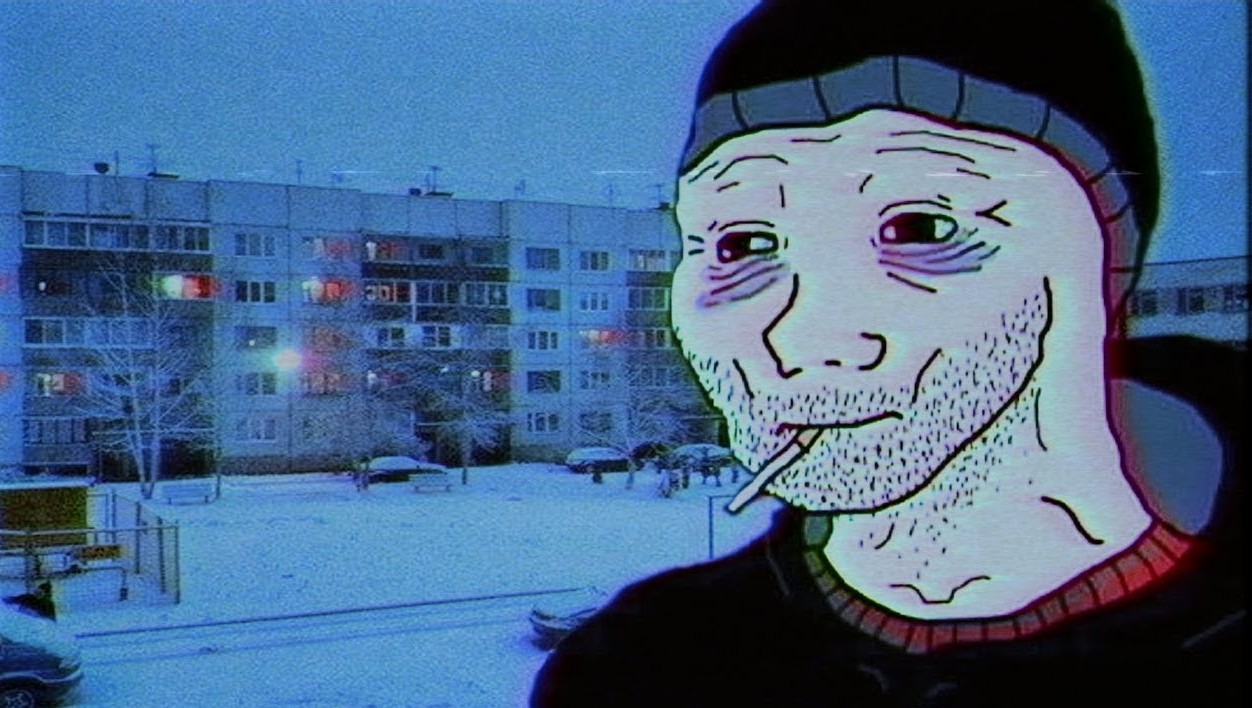
In short: many of today’s youths are sad, watch sad things, and therefore listen to sad songs. Nothing new, one might say, especially when we consider that one of Molchat Doma’s strongest influences is Joy Division, alongside Kino, the emblematic Soviet rock band of the Perestroika era.
But in the Molchat Doma phenomenon what stands out is not solely the new wave and especially dark wave sounds, or the themes of the songs, but the historical period and the use of social media.
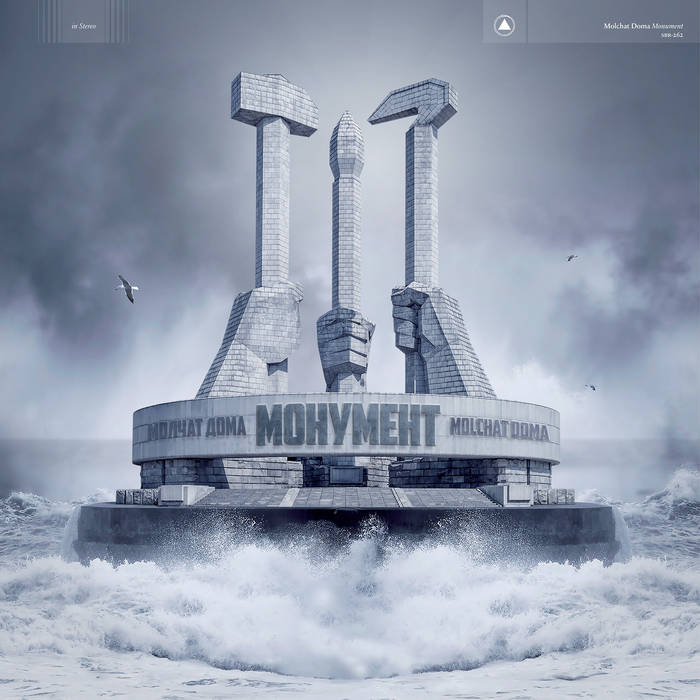
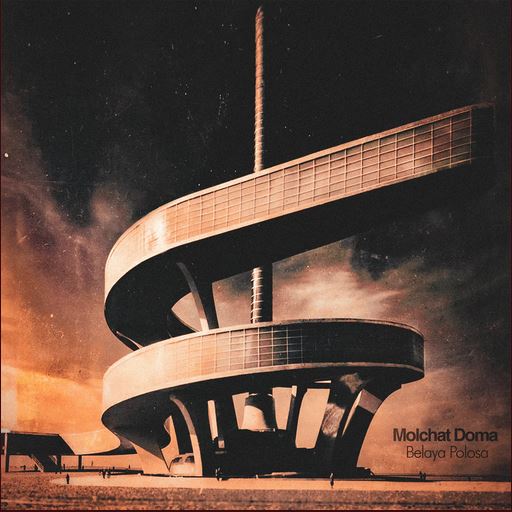
To date, Molchat Doma have produced only four studio albums: S kryš našich domov (2017) “From the Roofs of Our Homes”; Etaži (2018) “Levels”; Monument (2020) “Monument”; and Belaya Polosa (2024) “White Stripe.” Yet it was unquestionably the second album that propelled them to fame in a wholly unpredictable way.
Etaži: a dark, poetic and brutalist album
During the Covid-19 lockdown in the spring of 2020, the whole world—and with it the so‑called Gen Z—found itself confined at home, scrolling for hours through social feeds. Thus, unexpectedly, the track Sudno (Boris Ryžij) from the album Etaži went viral on TikTok in a matter of weeks, which, despite not being a traditional streaming platform, accumulated over five billion views and, within two months, shot to the top of the US Spotify viral chart and into the top five of Spotify Global Viral 50, eventually earning a Gold record in the United States and fueling sold-out tours worldwide.
A phenomenon without precedent that, from the little‑known Belarusian scene, has cemented Molchat Doma on the world stage despite the formidable language barrier posed by Russian.
Sudno is inspired by a 1997 poem by neo-romantic poet Boris Ryžij, who died by suicide at the age of 26 in May 2001. This tragic fate is similarly shared by the other two major inspirations of Molchat Doma: the unmistakable voice of Joy Division’s Ian Curtis, who hanged himself at a young age, and Viktor Coj, frontman and lyricist of Kino, a hero of the Soviet rock scene, who died in a tragic car accident at 28.
Returning to the track Sudno, Ryžij’s verses convey a strong sense of alienation and a wish for death, set inside the room of a psychiatric hospital, the poet having suffered throughout his life from depression and often seeking solace in substances.
The rapid chorus of Molchat Doma proclaims: “An enamelled bedpan / A window, a nightstand, a bed / Living is hard and uncomfortable / but at least it’s comforting to die”. A song that, at the height of the pandemic and collective alienation, could only become a generational cry that today serves as the soundtrack to millions of videos and social Reels that link not only to the contemporary dark wave and cold wave scenes but also to the bleak, brutalist world of the post-Soviet universe, including in its visuals.
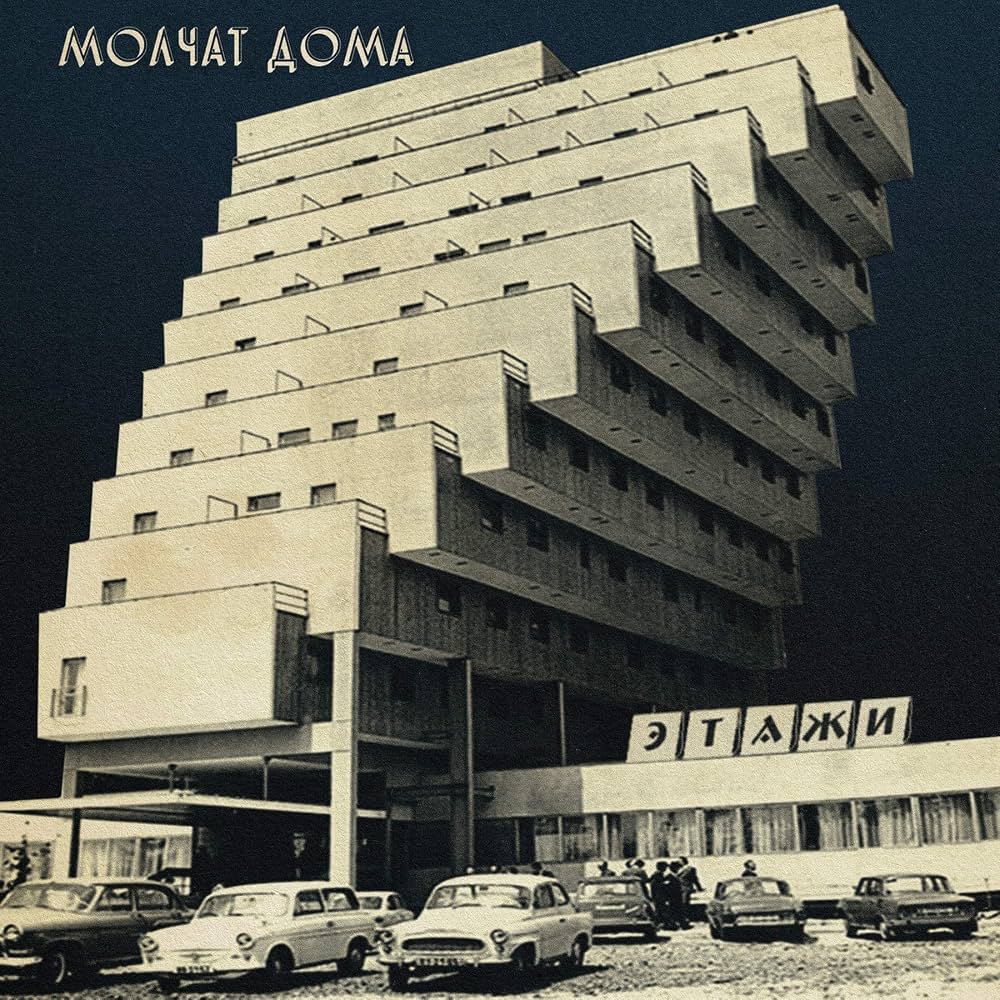
This latter phenomenon emerges, after all, not only in the track Sudno but across the entire Etaži album, which references the floors of the monumental brutalist Panorama building—an ex-hotel built in 1975 in Czechoslovakia that appears on the cover. A reference also found on the covers of other Molchat Doma albums and singles, depicting various brutalist monuments from the socialist era.
The theme of alienation then recurs in numerous other tracks, such as Na dne (На дне, literally “At the Bottom”), Kletka (Клетка, meaning “Cell”), and Toska (Тоска), a term almost untranslatable that refers to the classic Russian malaise of nostalgia, inner void, and spiritual anguish that characterizes much of nineteenth-century Russian literature, and especially the writings of Fyodor Dostoevsky.
“…The bell rings,
Knock on the door, but no one will open for you.
Run away, fool, run away!
Down the stairwell,
Among the writings on the walls,
Forgotten forever.
Down the stairwell,
Like burns on whitewashed walls
Incomprehensible, like me…” from the song Kletka
Produce, consume, scroll: a collective prayer toward the abyss
For all these reasons Molchat Doma have created an entire emotional, visual, and even architectural imaginary, characterized by gray, angular buildings, somber faces, fast, metallic rhythms, alternating with more torn, almost deliberately chant-like tracks where some refrains seem to echo the chants of Russian Orthodox choirs, with a gradual release of the vocal that produces the effect of a collective lament in prayer, even though there is really only one voice filling the space: that of Egor Škutko.
Here it is worth noting essential tracks such as Filmy (Филмы “Films”), Volny (Волны “Waves”), or the more recent Son (Сон “Dream”) on Belaya Polosa. In addition to tracks with more political content such as Kommersanty (Коммерсанты “Merchants”) and Ljudi Nadoeli (Люди Надоели “People Have Had Enough”).
In fact, Molchat Doma have long since left Belarus (whose leader, Alexander Lukashenko, actively cooperates with Vladimir Putin’s policies); not only because of the Russia-Ukraine war, but more generally due to the limited freedom of expression at home: Lukashenko, in power since 1994, has even jokingly—but not so jokingly—described himself as “the last dictator in Europe.”
For this reason, Molchat Doma now live in Los Angeles and have delivered over 300 live performances around the world, touring North and South America, Europe, and Australia, including shows at Coachella in 2022 and Primavera Sound in 2022 and 2023. And anyone lucky enough to have seen them in Italy—whether in Milan, Turin, Rome, or Bologna—might even have noticed a strange and striking resemblance between frontman Egor Škutko and Dostoevsky as he croons about his—perhaps ours—toska, the Russian ache.
“I know you need my love
Go away and never come back
I’ll find something to keep me busy
Fly away, run from my melancholy
I’ll be happy to lose you
I see no obstacles, even if one remains
Since you left me
Because I feel so good, oh melancholy?” from the song Toska
Produce, consume, scroll: a collective prayer toward the abyss
Thus, if the long line of influences in the post-punk universe of the last forty years—featuring bands like The Smiths, The Cure, New Order, Talking Heads, Depeche Mode, Bauhaus, the already mentioned Joy Division, with more recent acts such as Lebanon Hanover—has never exhausted itself, contemporary times add a new, indispensable piece to the mosaic: Molchat Doma. They demonstrate that even niche phenomena, especially when geographic and linguistic, can become universal.
And returning to the original cry “Produce, consume, die!”: today communism seems to be finished both here and in the part of the world that once lay beyond the Wall. And perhaps Molchat Doma do not truly intend to invite us to die. It is undeniable, however, that with their music they have given us a new instrument: a language with which to poke fun at ourselves, even as we acknowledge that we are sinking into a sweetly bitter, melancholic, and boundless collective abyss.
note: translations by Diana Mihaylova