
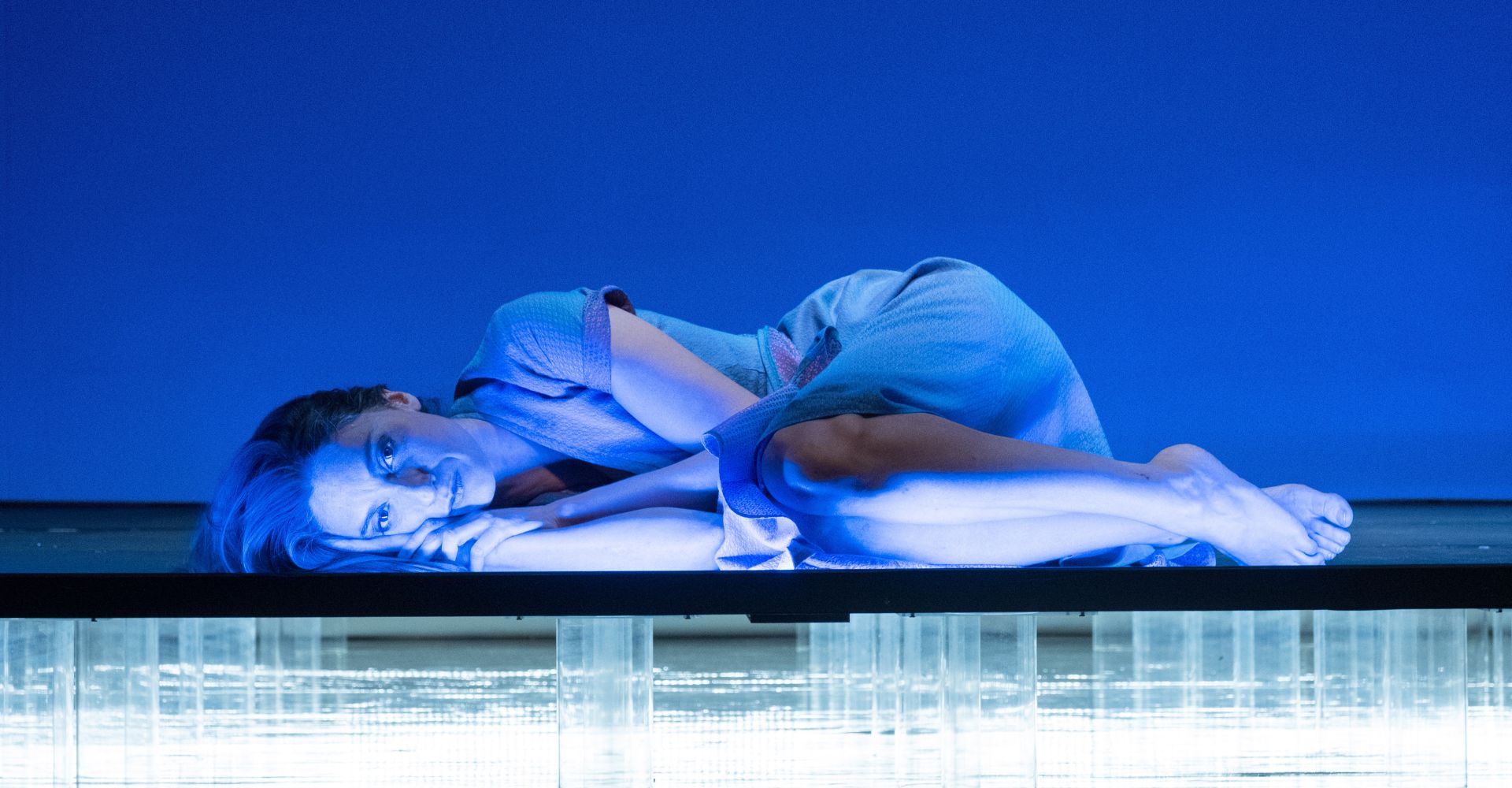
The voice of Michela Murgia (who left us in 2023) continues to resonate. It does so through her books, her posts shared on social media, in cinema and also theatre.
Those in Milan from 2 to 7 November will be able to attend the staging of Accabadora, the theatrical performance based on the eponymous work by the Sardinian author, published by Einaudi in 2009, with which Murgia in 2010 won the SuperMondello and the Campiello Prize.
The performance, in the form of a monologue, will be staged at the Teatro Fontana (on Via Gian Antonio Boltraffio 21), and will feature the interpretation of Anna Della Rosa (seen in cinema with The Great Beauty, Ferine and In guerra), the dramaturgy of Carlotta Corradi and the direction of Veronica Cruciani. As for the production of the show, it is curated by Savà Produzioni Creative.
Accabadora: the plot of the book

But what is Accabadora, Michela Murgia’s novel, about? To answer this question one must begin with the title: from the Spanish acabar, meaning to finish; in Sardinian, an “accabadora” is the one who finishes.
We find ourselves, indeed, in the early 1950s, in Soreni, a small Sardinian village. Here, the little Maria and Bonaria Urrai are bound by a special bond that leaves everyone astonished.
Tzia Bonaria took the girl with her after seeing her shoplifting in a store, determined to raise her as her heir, asking in return for her presence and care for when she will need it. Heir of what? Bonaria is an accabadora: when necessary she is ready to enter homes to bring about a merciful death.
Maria cannot imagine it, even though she has noticed the frightened looks of people and Bonaria’s long silences, always accompanied, wherever she goes, by a mysterious aura.
The theatrical adaptation of the book
The version by Carlotta Corradi begins with Maria’s return to Aunt Bonaria’s deathbed. As she grows up, the girl discovers the true nature of the woman and decides to flee “to the mainland” to change her life and forget the past.
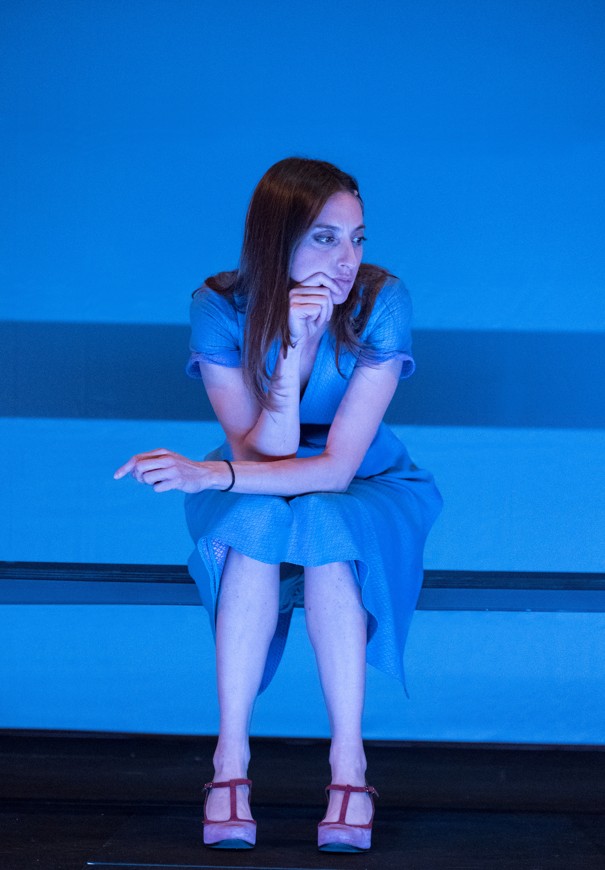
What brings her back?
Maria is the soul’s daughter of Bonaria Urrai, the daughter of the soul, and the final care is one of her duties: a form of adoption agreed between the natural parent and the adoptive parent.
The show based on Accabadora explores the meeting between the two; a meeting weighed down by the passage of time and the moment of separation. The truth and, with it, the anger the girl still feels for the betrayal suffered by Aunt, come to the surface with force, despite Maria’s efforts to surface the memories of the best times.
“From the outset I imagined the dialogue between Maria and Aunt Bonaria as a dialogue between oneself and a part of oneself, between a daughter and her inner parent. For this reason I wanted to create an abstract, mental space,” explains the director, Veronica Cruciani.
Carlotta Corradi, who handled the text, when reflecting on her understanding of the work, emphasized: “Although the novel is often remembered for two extremely current themes such as euthanasia and adoption, for me it has always been an unforgettable love story. In this case, between a daughter and a mother. In this case, not the birth mother. But the other mother.”
