
For a few months now, a new project has emerged in the Sonda house: it is Talee, a new memoir series born to “read the world with different eyes.” Its volumes welcome voices from diverse geographical backgrounds, offering keys to understanding events that today are no longer merely topics to interpret, but urgencies to be addressed.
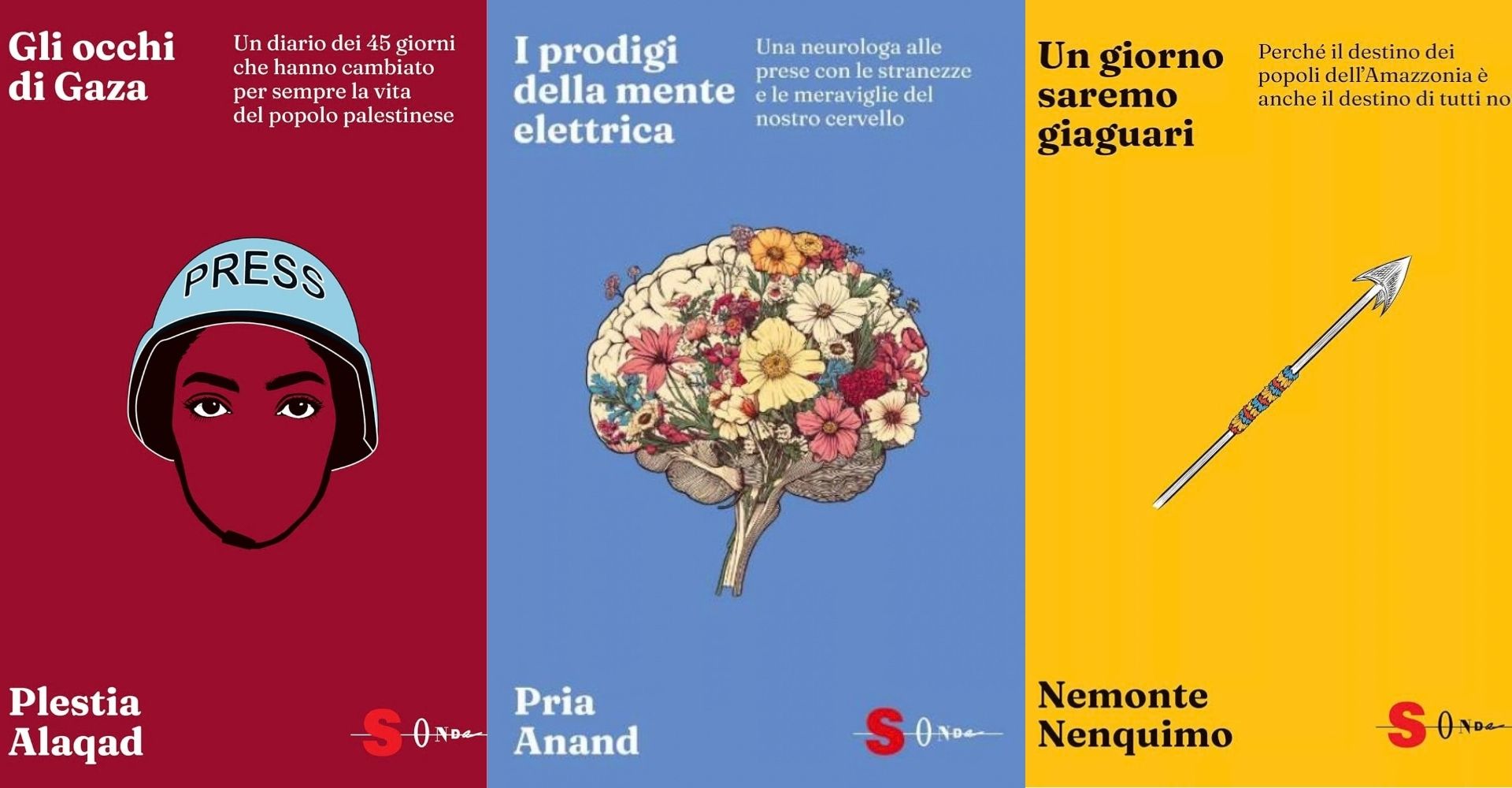
The Wonders of the Electric Mind – A Neurologist’s Encounter with the Strangeness and Wonders of Our Brain by Pria Anand (translated by Elisabetta Craveri, due out on October 16) is the third title in the series. The author — specialized in neuroinfectious diseases and neuroimmunology at Boston Medical Center — asks what happens when the brain rewrites reality. Analyzing symptoms, perceptions, and behaviors, she tells the stories of patients who present with unusual symptoms.

Like assembling a puzzle, Anand stitches together the clues provided by patients’ bodies and minds, showing how even the most unusual signals can reveal something about human nature and identity, but also about the way the brain perceives the reality in which we live.
Thus, weaving her professional journey with her patients’ stories, Pria Anand guides the reader from Boston’s hospital to India, from an island to the Caribbean to the Republic of Guinea.
As mentioned, The Wonders of the Electric Mind is the latest release in Talee: the first two titles were published in March and April of this year, respectively.
To inaugurate the series was indeed The Eyes of Gaza – A Diary of the 45 Days That Forever Changed the Lives of the Palestinian People (translated by Anna Ruscone), the diary of Plestia Alaqad, a young journalist born in the Gaza Strip who by the end of November 2023 had become a familiar face on social media under the name “Eyes of Gaza,” a account where she shared glimpses of a daily life punctuated by invasions and Israeli bombardments. Her writings testify to the urgency of denouncing the horrors of violence inflicted upon a people “that continues to live.”
It is the story of the Waorani people and their leader Nemonte Nenquimo, who fight against the consequences linked to climate change in her native land, the second volume of the series (translated by Laura Bernaschi), One Day We Will Be Jaguars – Because the fate of the Amazon people is also the fate of all of us. Nenquimo, indeed, grew up in Ecuador’s Amazon rainforest, where elders taught her the culture of medicinal plants and the traditions of shamanism, and she led an alliance of indigenous nations, guiding her people to a historic victory against the large oil companies.
The name of the series is not random: the cutting is a fragment of a plant, cut and placed in soil or water, able to root on its own and create a new life: “Little cuttings born from the publisher’s mother plant and from the themes that have characterized it over the years, which will take strong root.”
