The sport is a wonderful training ground for life: it teaches to know oneself and to collaborate with others toward a shared goal, it forges bonds that are often meant to endure and it educates in discipline and the commitment required to reach a milestone. If exposed to the spotlight, however, it risks losing a part of its lightness. That lightness, which arises after training ends, comes from the rush of endorphins that motivates and invites you to do it again the next day.
A national record, an Olympic medal or a World Championship victory can then threaten to shift the focus from the pure enjoyment of sport to the need to achieve a result, up to transforming the athlete into an image: that, still and motionless, of an eternal winner.

It seemed designed specifically to slip into the water
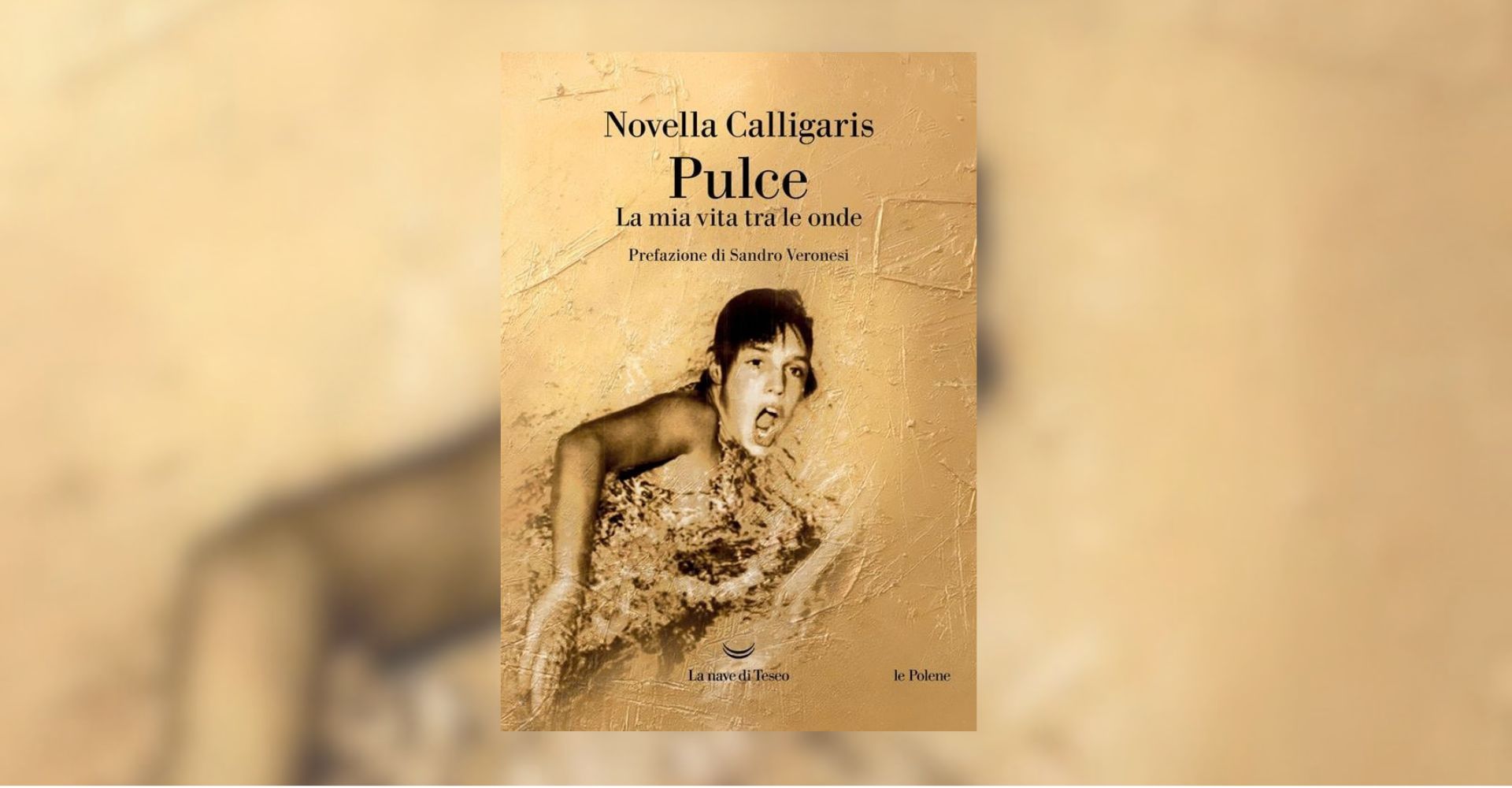
For Novella Calligaris it happened very early: the call-up to the national team while she was still a child, the medals in Monaco, the gold and the bronze at the World Championships in Belgrade, the world record. For a generation of Italians, Novella remained above all there, inside the photographs: a small figure that seemed designed to slip into the water.
But in Pulce – My life among the waves (La nave di Teseo, foreword by Sandro Veronesi), Novella Calligaris wants to emerge from the photographs. She tells of the champion, certainly, but more importantly of everything that comes before and after the medals: childhood, the difficult relationship with her mother and the decisive one with her father, the devastating void arising from the loss of her brother Mauro, and the tormented loves. In short, all the years after the withdrawal from the lanes, which occurred at only twenty years old.
After leaving the lanes, at only twenty
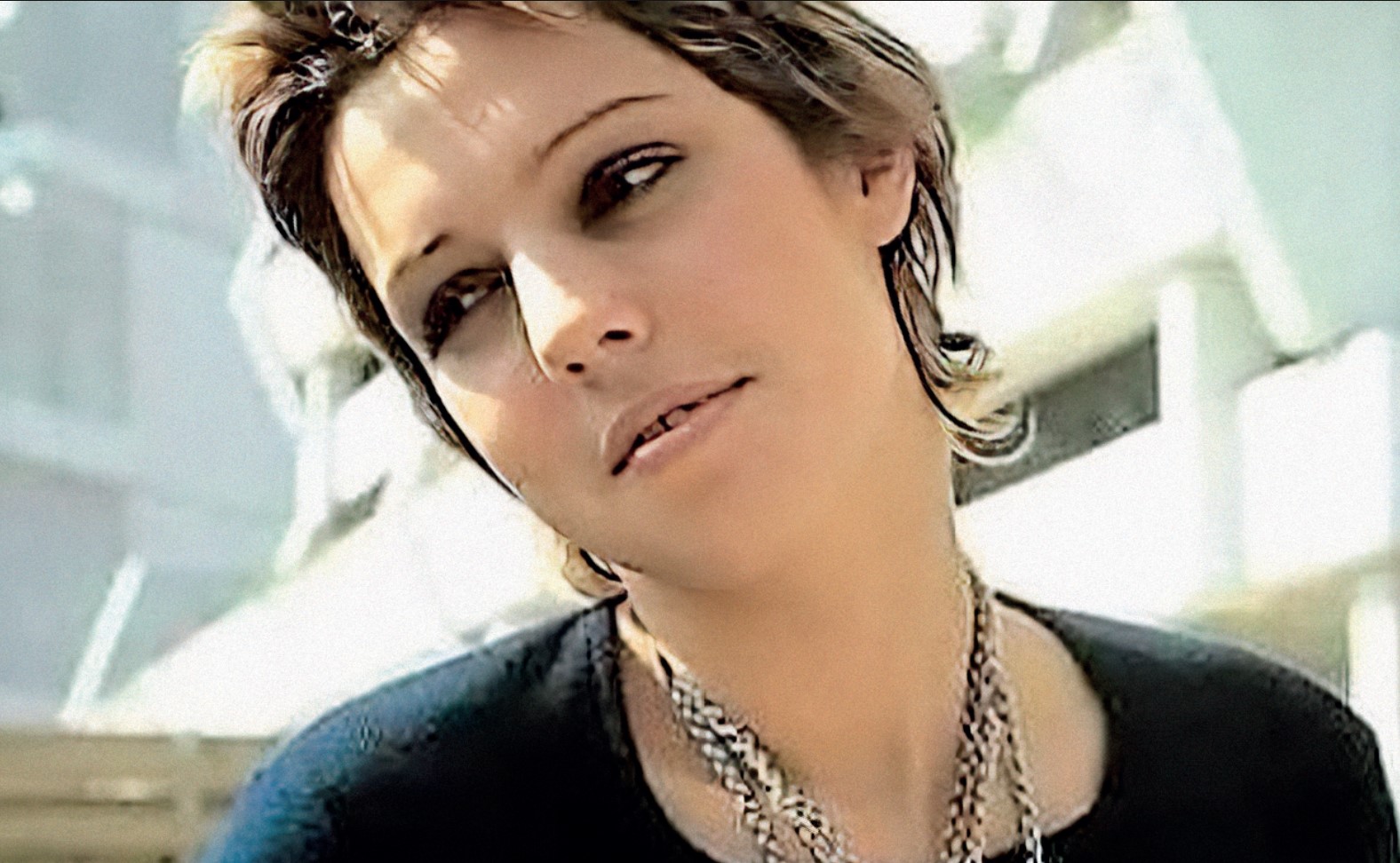
When she finally steps off the starting block, Novella is only twenty. She longs for time to keep flowing even without the stopwatch, and she herself tells us how.
Behind the medals, page after page, emerges a woman who has learned to recognize her own value without a clock to measure it for her, to confront her own fragilities and to discover new roles and new reasons to live.
And this part of her story the Olympic photographs cannot tell.