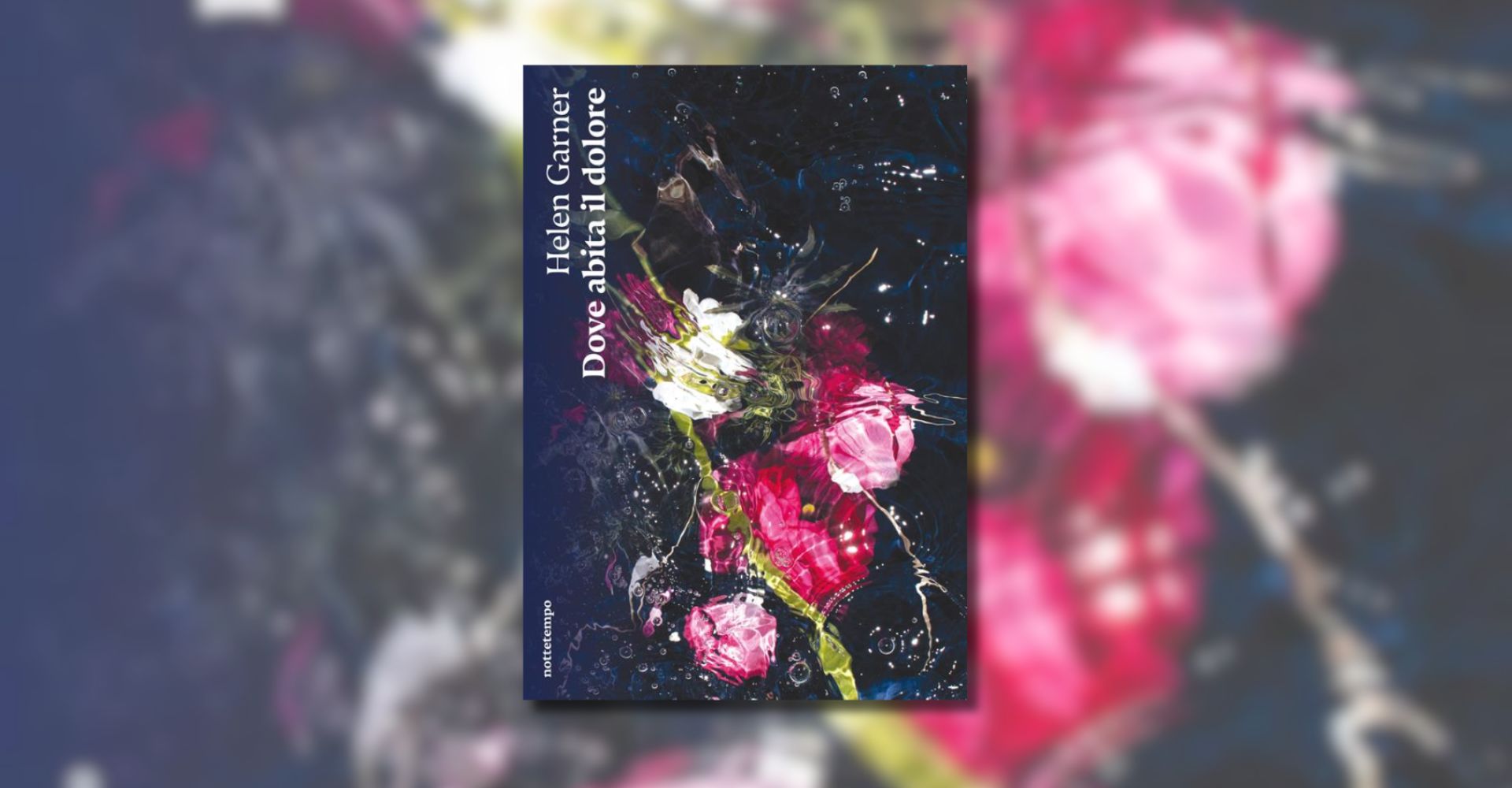
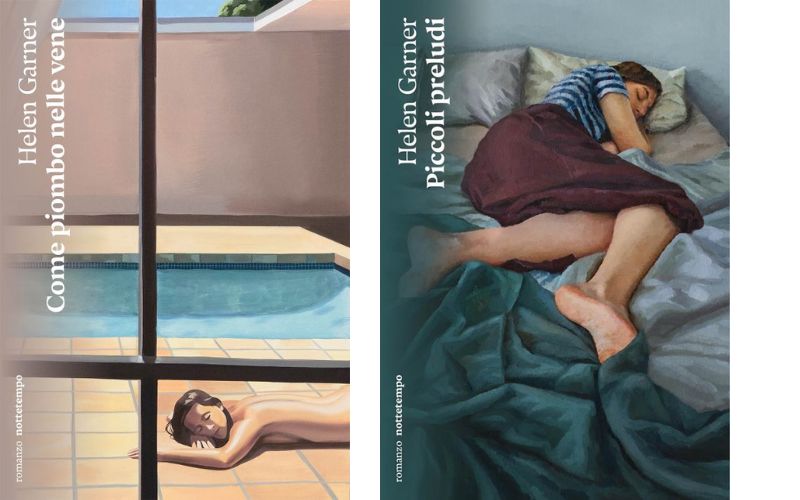
With Helen Garner, a Australian writer born in 1942, one can speak of a genuine rediscovery: she rose to prominence with her debut novel in 1977, Come piombo nelle vene, which was published in 2024 in Italy by nottetempo and now, after the release of Piccoli preludi, it is time for Dove abita il dolore (translation, as with the previous works, by Milena Sanfilippo).
At the heart of the book is a newsworthy case, the sort of incident one hears about all too often.
A father, Robert Farquharson, after spending Father’s Day with his three children, brings the kids back to their mother Cindy’s home, but on that road—traveled many times before—something goes wrong and the car ends up off the road into an artificial pond. The only one to survive the drowning is the man himself.
A tragedy caused by an excess of coughing, as Richard claims? Or a vendetta after the end of the marriage?

Garner reconstructs the episode that occurred in 2005 and, above all, depicts the trial and the media attention in the ensuing months. From the public’s morbid curiosity to the “macabre procession of witnesses”—family members, friends and the accused himself forced to relive that day and the life before that catastrophe—the writer and journalist, born in southern Australia, strives to reconstruct the different perspectives, shedding light on how complex it is to put an end to episodes like this.
A book that follows what authors such as Truman Capote did, in which the author describes without judging, yet also reporting “the sensationalism of the Australian judicial system.”
C’era un tale, gran lavoratore, che viveva in una cittadina rurale dello Stato di Victoria con la moglie e i tre figli piccoli. Tiravano avanti con la sua paga da addetto alle pulizie, e intanto pian piano si costruivano una casa più grande. Poi un giorno, così dal nulla, la moglie gli confessò che non lo amava più. Voleva mettere fine al matrimonio. Gli disse di andarsene. I bambini sarebbero rimasti a vivere con lei, aggiunse, ma lui avrebbe potuto vederli ogni volta che gli andava. Lo esortò a portarsi via tutto ciò che voleva. Lei chiedeva soltanto, e la ottenne, la più recente delle loro due macchine.
The grieving husband packed his things and returned to his widowed father, several blocks away. Shortly thereafter the wife was seen in the company of the cement worker hired to lay the floor of the new house. The craftsman was a neo-converted Christian, also with a number of children to support and a marriage that had failed. Soon the separated wife began to accompany him to church. Finally, the ex-husband surprised the cement worker as he was driving away in the very car that had cost him so much to buy.
Up to this point, this story could be told as a country-western ballad or a poignant tale of betrayed love, between tenderness and pathos.
Only that one September evening ten months later, in 2005, just after dusk and while the abandoned husband was returning the children to their mother after a trip on the occasion of the
Festa del Papà, the old white Commodore veered sharply off the highway and plunged into an agricultural basin not five minutes from home. The man managed to free himself from the cabin and reach the banks by swimming. The car sunk, and the three children drowned.
I saw it on the TV news. Night. Low foliage. Water, hazy and black. Blurred lights, a helicopter. Men in reflective vests and helmets. Something gravely wrong must have happened. Something terrifying.
Oh God, please let it have been only an accident.
The point where the children died is visible to anyone. All you have to do is head southwest just outside Melbourne along the Princes Highway, the road that hugs the continent. You pass Geelong’s bypass, resist the lure of turning toward the Surf Coast, and head inland toward Colac, onto the great volcanic plain that stretches across the entire southwestern flank of Victoria.
Una domenica di agosto del 2006, dopo che in udienza preliminare a Geelong un magistrato aveva rinviato a processo Robert Farquharson con l’accusa di triplice omicidio, ho percorso anche io quella strada con una vecchia amica a farmi compagnia. Il marito l’aveva lasciata da poco. Lei aveva i capelli tinti di un rosso sfacciato, ma lo sguardo avvilito, scavato dalla tristezza. Eravamo due donne oltre i sessanta. Ciascuna di noi aveva trovato dentro di sé la forza di patire – ma anche d’infliggere – la sofferenza e l’umiliazione del divorzio.
Era un giorno di primavera. Appena fuori Geelong, stavamo già filando tra i campi gialli di calendule del Capo, le recinzioni intervallate a tratti dai frangivento di cipressi scuri. Per tutto il cielo immenso veleggiavano nuvole a fondo piatto, di un bianco fulgido. Io e la mia amica avevamo trascorso gli anni dell’infanzia proprio da quelle parti. Ne conoscevamo bene la malinconica bellezza, le sconfinate, liscissime distese di terreno. Procedendo a ovest lungo la statale a due corsie, abbassammo i finestrini per lasciar soffiare l’aria.
A quattro o cinque chilometri da Winchelsea, ci comparve davanti la lunga e inoperosa sopraelevata di un cavalcavia ferroviario. Era quello il punto? Non una parola. Risalimmo la collinetta artificiale. Sporgendoci dall’alto notammo, proprio all’inizio della strada a destra, uno specchio d’acqua marroncina all’interno di un recinto – non il quadrato funzionale di un serbatoio agricolo bensì una forma ovale, femminile, simile a una lacrima oblunga e appena cinta da qualche alberello. La sponda a sud correva parallela al margine nord della statale, a venti o trenta metri dall’asfalto.
Mi ero immaginata la traiettoria della macchina di Farquharson come una brusca deviazione sulla sinistra; invece, per lanciarsi in quello specchio d’acqua dal lato opposto della carreggiata, il veicolo aveva dovuto sterzare oltre la linea di mezzeria e tagliare la corsia diretta a est con tutto il traffico contrario. Avanzando spedite lungo il versante del cavalcavia che dava su Winchelsea, imponendoci di guardare sempre verso destra, scorgemmo delle piccole croci bianche, tre in tutto, piantate ad altezza ginocchio nell’erba tra la strada e la recinzione. Tirammo dritto, quasi non fossimo autorizzate a fermarci.
Avevamo una vaga idea che Winchelsea facesse seimila abitanti, e invece il cartello all’ingresso della circoscrizione ne indicava appena 1.180; dopo aver imboccato l’avvallamento fino al ponte di ardesia che sovrasta il Winchelsea River, e poi su per l’altra sponda oltre una serie di negozi e una scuola elementare, già si intravedevano i confini della cittadina. In un posto così piccolo, i fatti tuoi li sa chiunque.
(continua in libreria…)