Published by Sellerio in 2021, My Stupid Intentions by Bernardo Zannoni (winner of the Campiello Prize 2022) was one of the debuts that has been most talked about in recent years. Indeed, it tells a peculiar story from an original point of view: that of a weasel who learns to write, discovers God, time, and death.
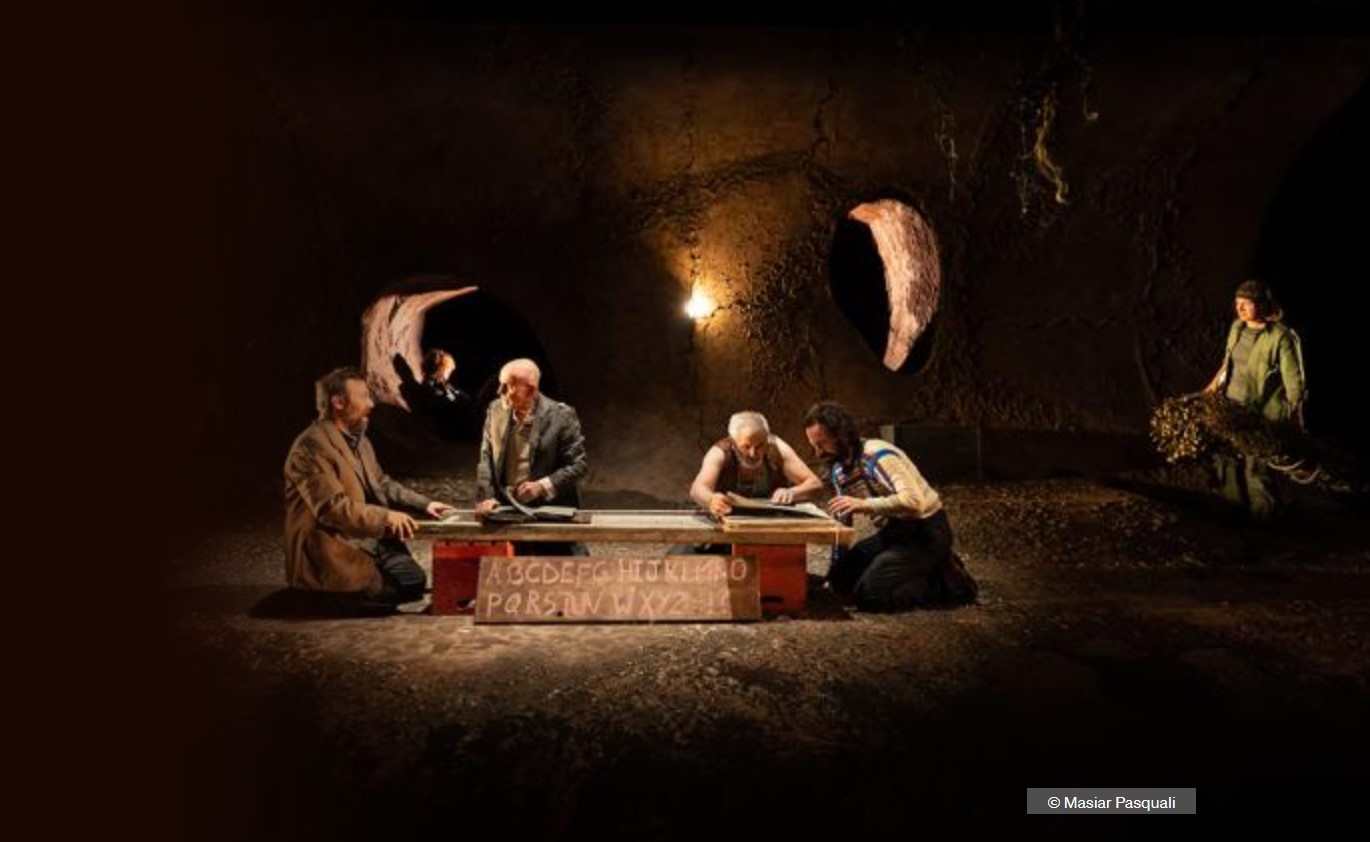
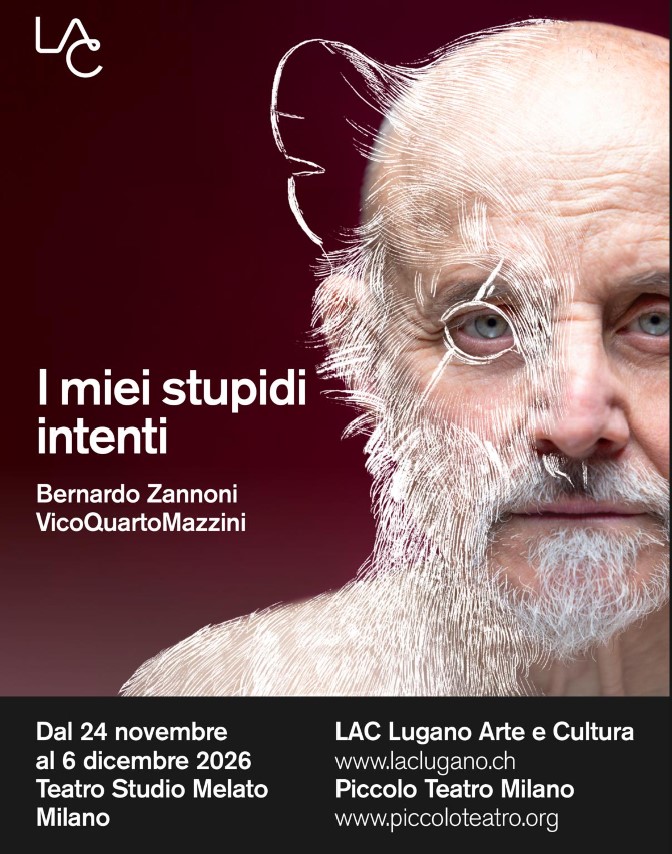
Now Zannoni’s book (who in 2023 published his second book, 25) becomes a theatrical production, from November 24 to December 6 at the Teatro Studio Melato in Milan.

In our interview, the author had explained the choice of point of view this way: “An animal, in narrative terms, is a more flexible element. Animals can move through the plot with a freedom that human characters do not have.”
And we come to the show, in which the VicoQuartoMazzini company brings to life “the dark fable of an animal that has the foolish aim of trying to be more than it is,” and which transports us into a world dominated by a harsh and merciless struggle for survival, where a weasel embarks on a journey toward knowledge.
The plot of the show based on My Stupid Intentions
As she tries to steal three robin eggs, a young weasel becomes lame. No longer useful to her mother, she is sold for the meager price of a hen and a half. She is bought by an aging usurer fox, who decides to reveal to her his greatest secret: a sacred book, the word of God. Through the revelation of language, the weasel discovers the perception of time and its paradoxes: the peril and consolation of memory, the liberation and the abyss of death. The power of writing and reading thus becomes at once both cause and remedy, balm and wound, lightness and oppression.
After The Ferocity (from the Strega Prize-winning novel by Nicola Lagioia) – winner of four Ubu Awards including Best Show of 2024 – the company thus continues its exploration of contemporary Italian literature, “delving into a world populated by animals that seek God and then reject Him, that dream of being human and finally prefer to remain beasts.”
What is our stupid aim as directors?
“And what is our stupid aim as directors?”, they ask themselves, Michele Altamura and Gabriele Paolocà. “To tell stories on a stage to evoke imaginaries larger than us, or to try to stop time through the act of creation, in the hope of becoming, in turn, memory? We feel the responsibility to bring these questions to the stage, to understand whether theater can be an answer or if, instead, it is merely another stupid aim.”