
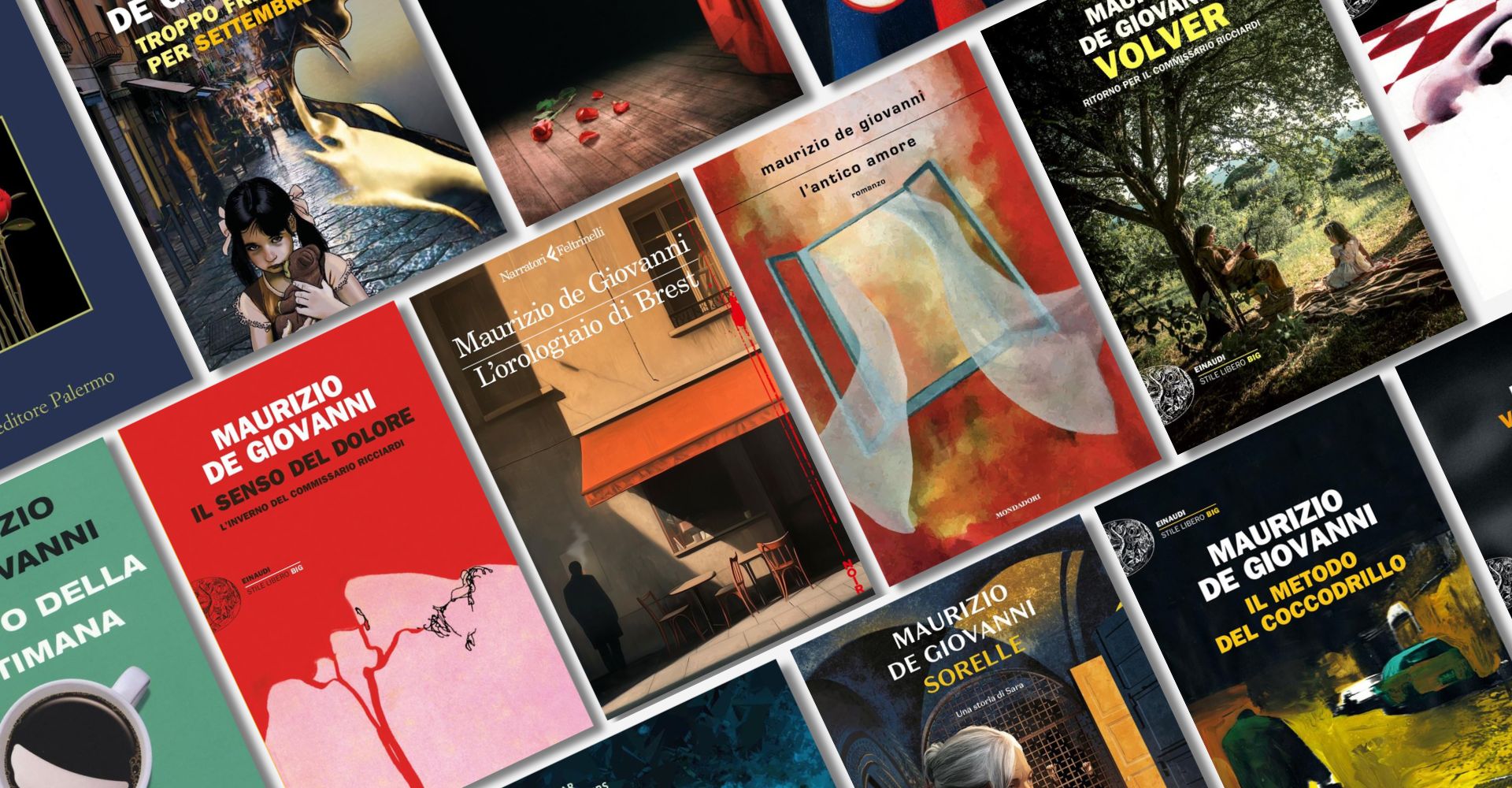
Among the Italian thrillers most cherished by readers, Maurizio de Giovanni’s books are inevitably cited, an author capable of packing his beloved Naples into a recognizable narrative theatre (returning to the foreground in the latest title, The Buffalo and Sammarzano).
A prolific writer, screenwriter, playwright, and television author, De Giovanni (who for a long time worked in a bank, before devoting himself fully to writing) has managed to fuse the tradition of the detective story with a deeply Neapolitan sensibility, turning his characters—from the Commissioner Ricciardi to the Bastards of Pizzofalcone, up to Mina Settembre and Sara—into true popular icons (also thanks to television adaptations).
Born in Naples on March 31, 1958, Maurizio de Giovanni achieved literary success relatively late: “The legend says that until he was 48 years old I had never written a novel…,” the author himself recounted in an interview with Corriere della Sera – “and it’s true.”
The turning point came in 2005, when he participated in a contest for emerging crime writers at the historic Gambrinus café. From that experience the short story I vivi e i morti was born, which becomes the basis of his first novel (Le lacrime del pagliaccio, 2006), paving the way for the successful Commissioner Ricciardi series.

The Birth of a Narrative Universe
With The Sense of Pain – The Winter of Commissioner Ricciardi (Einaudi Stile Libero, 2012), followed in later years by the other volumes of the commissioner’s “seasons,” de Giovanni wins over audiences and critics alike. The Naples of the 1930s, suspended between superstition and rationality, comes to life through the gaze of a tormented and visionary detective.
But the author does not stop there: in 2012 he launches a new cycle with The Crocodile’s Method, introducing Inspector Lojacono, and soon after inaugurates the saga of The Bastards of Pizzofalcone (2013), inspired by Ed McBain’s 87th Precinct.
From there, his output multiplies: novels, short stories, parallel narrative cycles and new heroines such as Sara and Mina Settembre, who open windows onto a contemporary Naples and, after the first two male commissioners, a female-led world.
From Books to Television (Not Forgetting the Theater)
The success of Maurizio de Giovanni’s books has inevitably translated into television adaptations: The Bastards of Pizzofalcone (2017), Mina Settembre (2021), The Commissioner Ricciardi (2021) and, more recently, Sara – The Woman in the Shadow (2025).
Parallel to his prose, De Giovanni has distinguished himself as a playwright, signing adaptations of classics such as One Flew Over the Cuckoo’s Nest and American Buffalo, as well as original works such as The Great Silence, which was also adapted into a film directed by Alessandro Gassmann.
Beyond the visual arts, De Giovanni has also engaged in on-the-ground initiatives: from writing workshops with the youths at the Nisida Juvenile Penitentiary Institute, to presiding over the Scientific Committee for the safeguarding and enhancement of the Neapolitan language, De Giovanni has always viewed writing as a tool for the community.
Awards and Prizes
His career has also been crowned with numerous recognitions: from the Scerbanenco Prize (2012) to the Basilicata Prize (2022), up to an honorary doctorate in modern philology awarded by the University of Naples Federico II in 2021. In recent years, he has also received, among other honors, the Procida – Island of Arturo Morante Elsa Morante Prize, together with the Carlo Missaglia Prize and various honorary titles that have cemented him as one of the most representative voices of Neapolitan culture.
A Prolific Narrator
Translated into many languages, Maurizio de Giovanni has built a collaborative narrative universe, capable of crossing eras and genres: from historical mystery to contemporary noir, from police procedural to introspective fiction.
Each of his stories seems to reiterate a belief: that literature, like Naples, is made of shadows and light, of pain and beauty.
Now we look at all of Maurizio de Giovanni’s books (in catalog form and divided by main series), from the most loved to the most recent.
The Commissioner Ricciardi by Maurizio de Giovanni
The Sense of Pain – The Winter of Commissioner Ricciardi
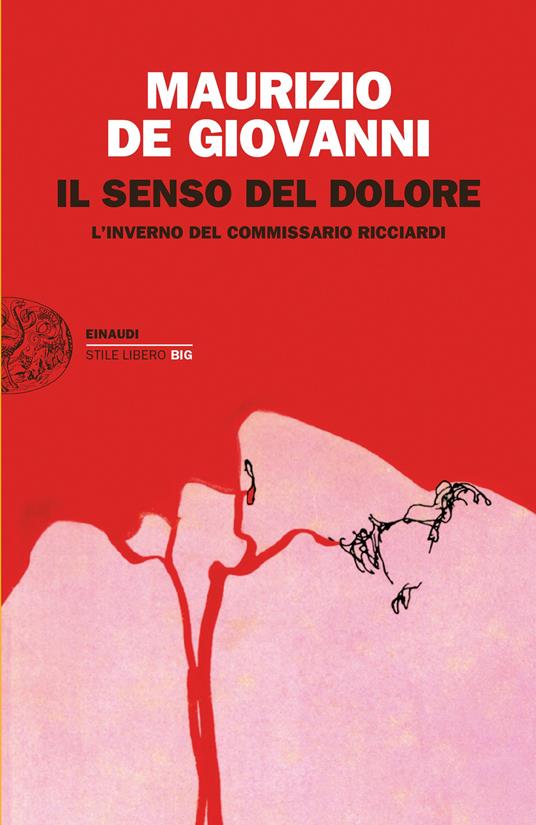
With The Sense of Pain – The Winter of Commissioner Ricciardi (Einaudi Stile Libero, 2012, originally published under the title Le lacrime del pagliaccio by Graus Editore), Maurizio de Giovanni opens the doors to a world in which Naples in the 1930s is not merely a backdrop but a living, vibrant character, traversed by passions and ghosts. It is here that Arnaldo Vezzi, a tenor idolized and convinced of his inviolability, turns the stage into an altar to his own ego: love, friendship, power, everything belongs to him and nothing can be denied. But a god can also fall, and when it happens, he leaves behind emptiness, pain, and suspicion. In the heart of this intrigue moves the commissioner Ricciardi, a man capable of listening to the last emotion of the dead, a curse that makes him as skilled as he is solitary. A debut that launches one of the most celebrated sagas among the books by Maurizio de Giovanni, where noir meets melancholy, and music blends with blood.
The Condemnation of Blood – The Spring of Commissioner Ricciardi
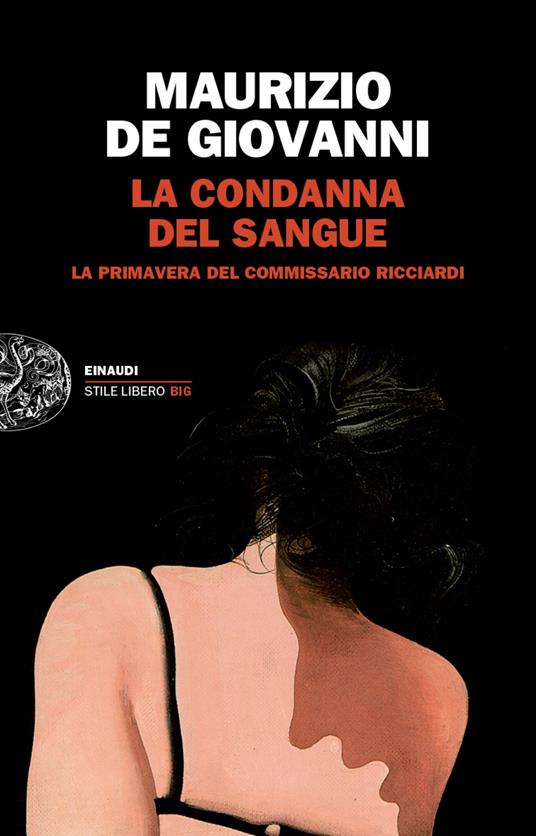
de Giovanni’s The Condemnation of Blood – The Spring of Commissioner Ricciardi (Einaudi Stile Libero, 2012) guides us into a Naples waking to spring, among the scents of orange blossoms and songs echoing through the alleys. But the enchantment lasts only briefly: behind the light voices lies a fortune-teller who is also a usurer, capable of inventing and destroying the future with the same hand. Playing with others’ dreams means rewriting destinies, and someone, this time, pays with life. In the midst of this tension between passion and cruelty, the commissioner Ricciardi confronts an love that imprisons rather than frees, a feeling that condemns rather than saves. It is the second step in a path that solidifies the author’s voice, turning melancholy into narrative energy and returning to Naples the face of an emotional labyrinth, suspended between light and shadow.
The Place of Everyone – The Summer of Commissioner Ricciardi
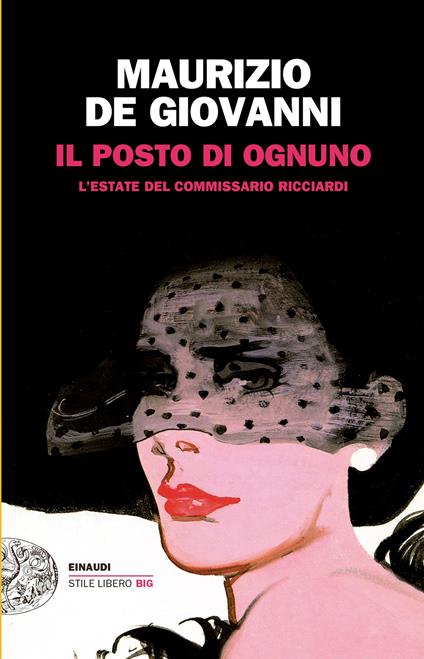
With The Place of Everyone – The Summer of Commissioner Ricciardi (reissued by Einaudi Stile Libero in 2012), the heartbeat of the city becomes a flame, the season turns into a curse. Naples, always the protagonist, glows with a heat that yields no respite: it seeps into the dark rooms of the buildings, weighs down the alleys, stifles words and feelings. It is a heat that devours even affections, makes love jealous and passion suspect, and robs sleep and fouls dreams. In this relentless setting, a crime disturbs the fragile illusion of summer, and the commissioner Ricciardi must venture once again into the darker folds of the human psyche. Here De Giovanni signs one of his most feverish pages, telling how life—under the scorching sun—can become a labyrinth of desire and violence.
Death Day – The Autumn of Commissioner Ricciardi
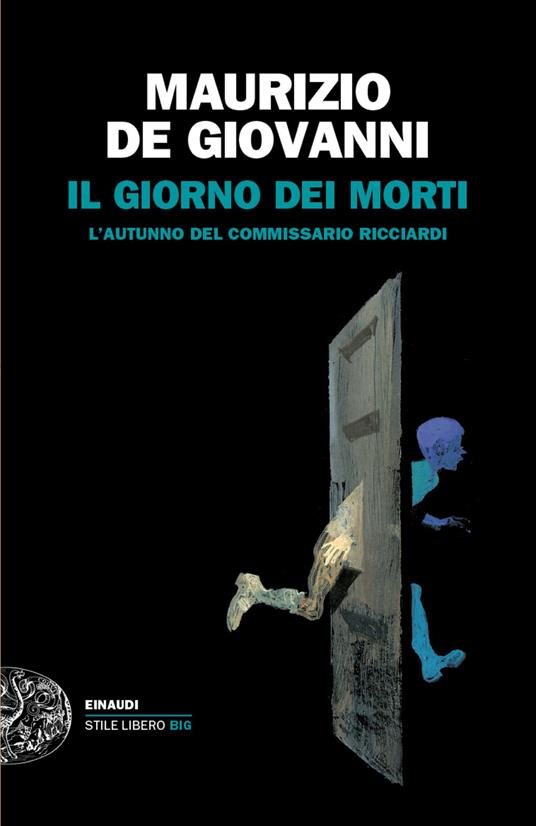
Sitting with a dog for company, a child dead by chance: an orphan without family or friends, destined for a common grave. This is the unsettling starting point of The Day of the Dead. The Autumn of Commissioner Ricciardi (reissued by Einaudi Stile Libero in 2012), where De Giovanni weaves melancholy with the deepest mystery. Someone, however, will not give up: someone wonders why, how, and when someone digs among small, forgotten lives, seeking a scream that no one hears. It is an autumn saturated with silences and secrets, a investigation that transforms Commissioner Ricciardi into a sensitive lens on the city’s invisible dramas, with Naples once again serving as an emotional and unsettling theatre.
By My Hand – The Commissioner Ricciardi’s Christmas
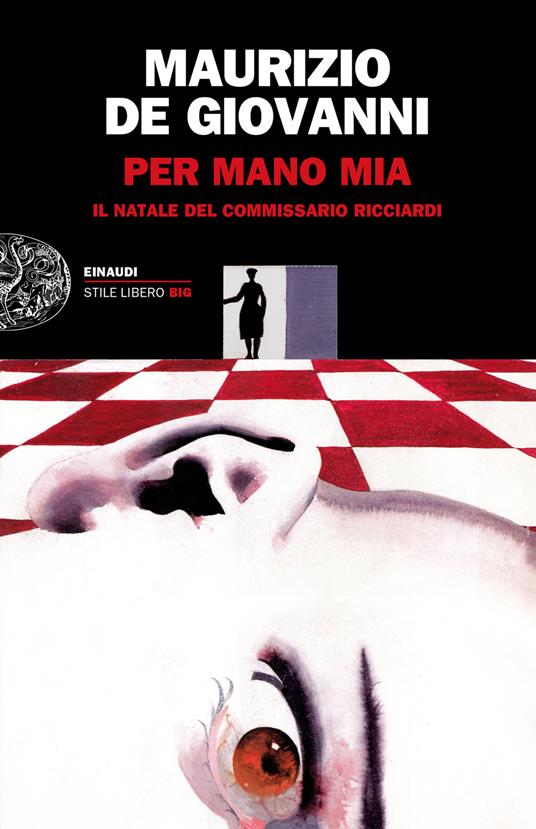
Christmas 1931. Naples is preparing for the premiere of Natale in casa Cupiello, but behind the regime’s image of order and happiness stir poverty and despair. In this setting, Per mano mia – The Commissioner Ricciardi’s Christmas (Einaudi Stile Libero, 2013): a brutal crime shakes the city, with the corpses of Militia official Emanuele Garofalo and his wife Costanza, slaughtered in brutal fashion and in different manners. The daughter survives only because she was at school, and the statuette of Saint Joseph lies broken on the ground. Ricciardi, with his bitter gift of listening to the last words of the dead, immerses himself in the contradictions of a city divided between poverty and power. Beside him the brigadier Raffaele Maione, who takes on a prominent role, and two young women test his solitude. This chapter of De Giovanni’s Commissioner Ricciardi series combines tension, melancholy, and a city portrait that leaves no escape.
Vipera – No Resurrection for the Commissioner Ricciardi
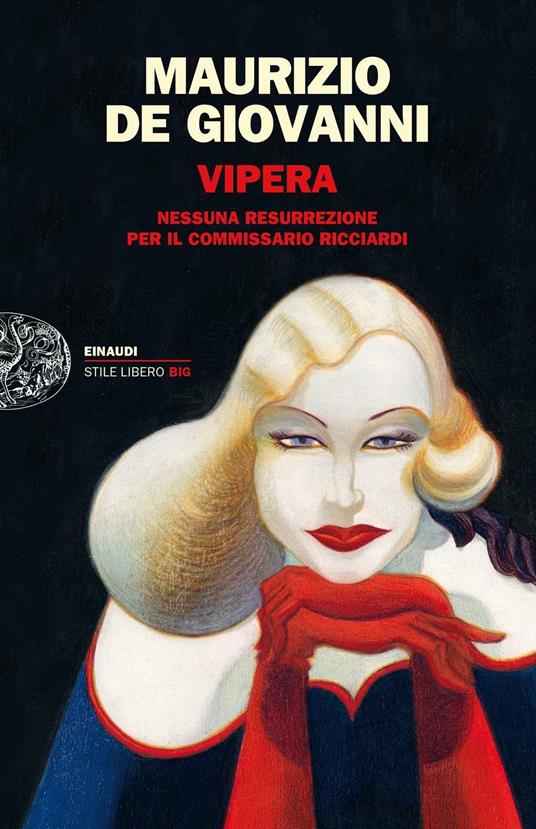
New spring tries to seduce men and women, but in 1932 Naples even evil seeps into the air. Here Vipera – No Resurrection for the Commissioner Ricciardi (Einaudi Stile Libero, 2014): at Paradise, the exclusive brothel on via Chiaia, the famous prostitute Vipera is found murdered, suffocated with a pillow. Between contradictory clients, dark feelings, and hidden motives, Ricciardi moves through a tangled skein of greed. De Giovanni paints a city surprisingly different from what it seems: the narrow alleys, markets, tradesmen and the network of commerce coexist with cowardice and violence, while courage resists in the most unlikely places. Even the Doctor Modo, an admirer of Vipera, becomes entangled in serious trouble, adding tension and humanity to the tale.
At the Heart of Your Heart – Inferno for Commissioner Ricciardi
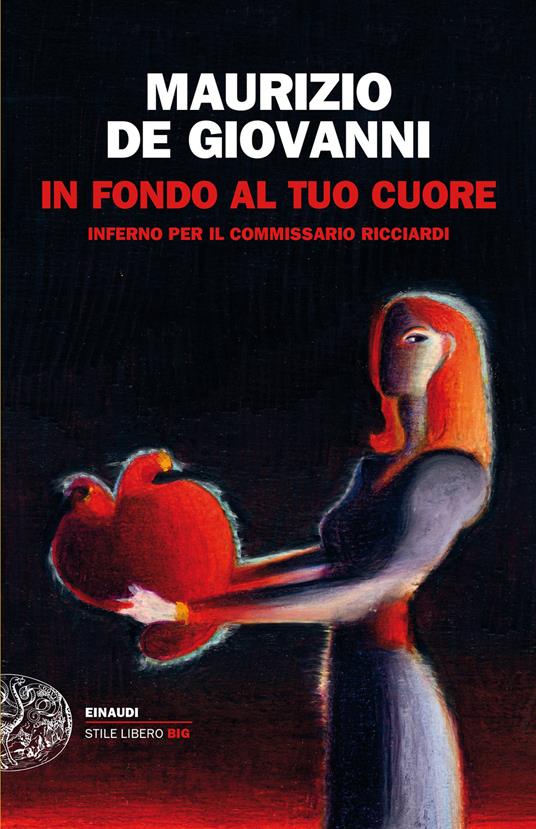
Immersed in the scorching July heat of 1934, the commissioner finds himself investigating a crime that goes beyond ordinary homicide: the victim is the man who nearly stole his hope for a future, while the main suspect is a woman who desired him and continues to do so with intense passion. Ricciardi must face evil, attempt to reassemble what others have broken, and confront doubts and feelings that test him like never before. With a perfect balance of suspense, introspection, and emotional tension, de Giovanni signs a poignant farewell for the commissioner in The Crying of the Dawn – Final Shadow for the Commissioner Ricciardi (Einaudi Stile Libero, 2019).
Caminito. An April of Commissioner Ricciardi
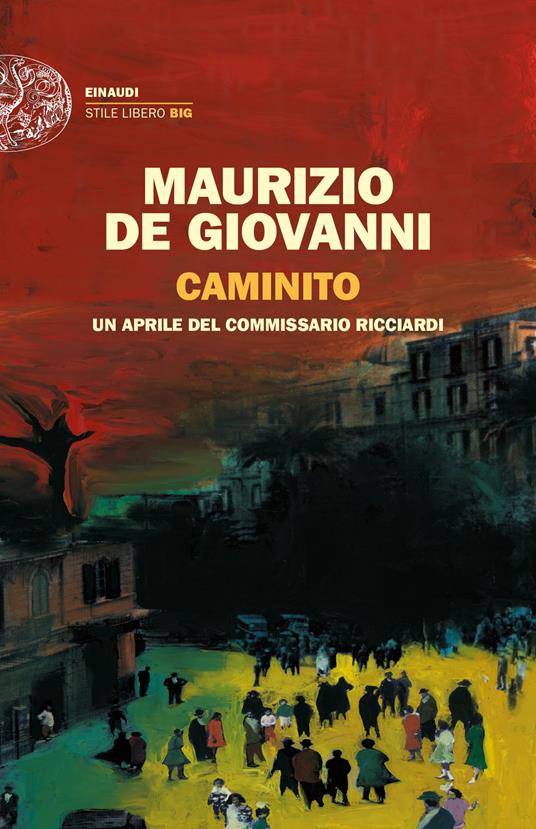
Caminito – An April of Commissioner Ricciardi (Einaudi Stile Libero, 2022) takes us back to 1939, five years after Ricciardi’s life was suddenly disrupted. Europe is being pushed by winds of hatred, on the edge of the abyss, and the only constant remains the crime. Among the undergrowth of a grove, the bodies of two young people are found, brutally killed while making love. With the help of faithful Maione, who is dealing with family anxieties, Ricciardi must solve the case and protect a dear friend threatened for his commitment to freedom. Meanwhile, daughter Marta grows, and the commissioner wonders whether she has inherited his curse: seeing and hearing the dead. With Caminito, de Giovanni gives readers an intense chapter where Ricciardi’s personal story fuses with Naples’ and Europe’s upheaval on the brink of war.
Soledad – A December of Commissioner Ricciardi
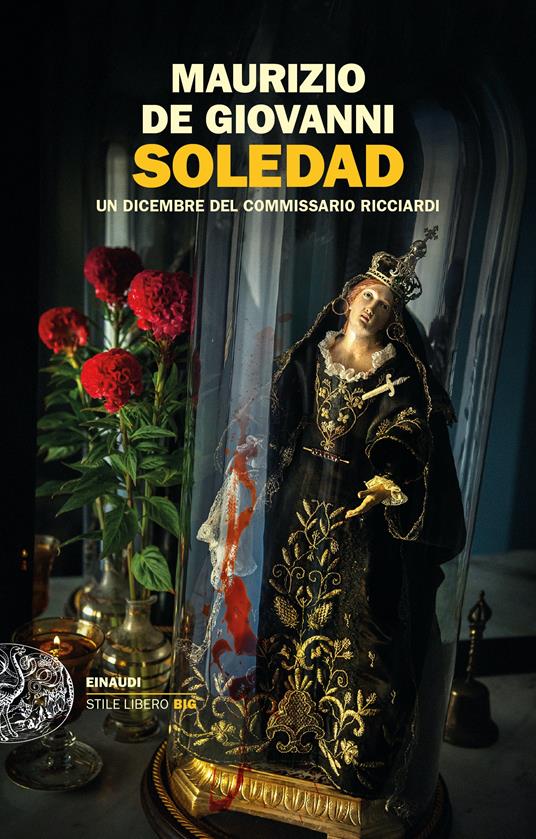
1939. Italy prepares for what would be the last peaceful Christmas, but a murder profoundly shakes the city. The solitude wraps everything: you can be alone even in a crowd, even surrounded by family and friends, especially if you are considered different. This is the case of Erminia Cascetta, too alive to be tolerated and thus brutally killed. In this climate of tension and fear that foreshadows the war’s abyss, it falls to Commissioner Ricciardi and Brigadier Maione to uncover who committed the crime. The key, as always, is solitude: a silent companion and often an unexpected one. In Soledad – A December of the Commissioner Ricciardi (Einaudi Stile Libero, 2023), De Giovanni interweaves mystery, introspection, and social tension, painting a Naples that lives with the shadow of war and with the city’s deepest fragilities. The novel explores the solitude of the heart, the condemnation imposed without awareness, and the difficulty of facing the death of those we love.
Volver – Return for the Commissioner Ricciardi
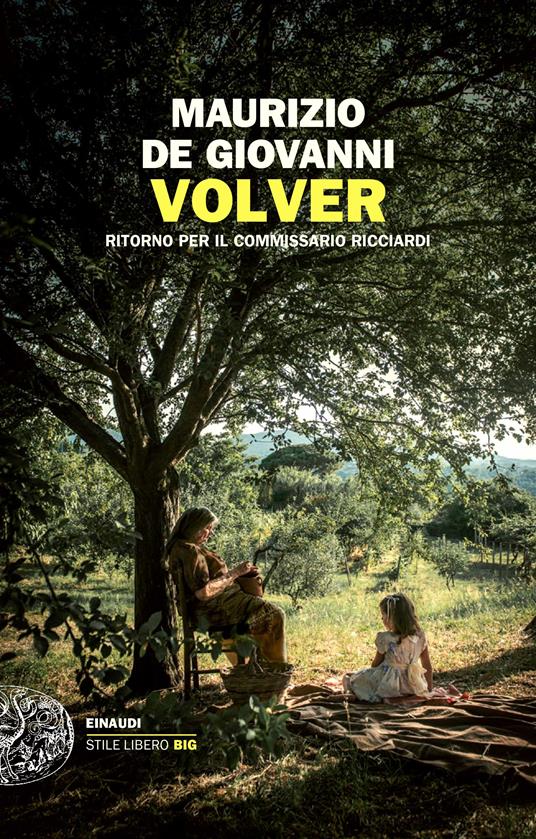
Volver – Return for the Commissioner Ricciardi (Einaudi Stile Libero, 2024) reopens the saga with the commissioner in July 1940, during wartime Italy. Courage is needed when you leave, and sometimes even more when you return. Ricciardi, worried about his daughter Marta and his in-laws in grave danger due to their Jewish origins, has moved his family to Fortino, the village where he was born, hoping to find some quiet. Instead, among the Cilento mountains, the commissioner is forced to confront a past he would have preferred to forget, while in Naples the loyal brigadier Maione tries to save a friend from a certain death. It is time to settle old scores, confront painful memories, and face unavoidable responsibilities.
The Bastards of Pizzofalcone by Maurizio de Giovanni
The Crocodile Method
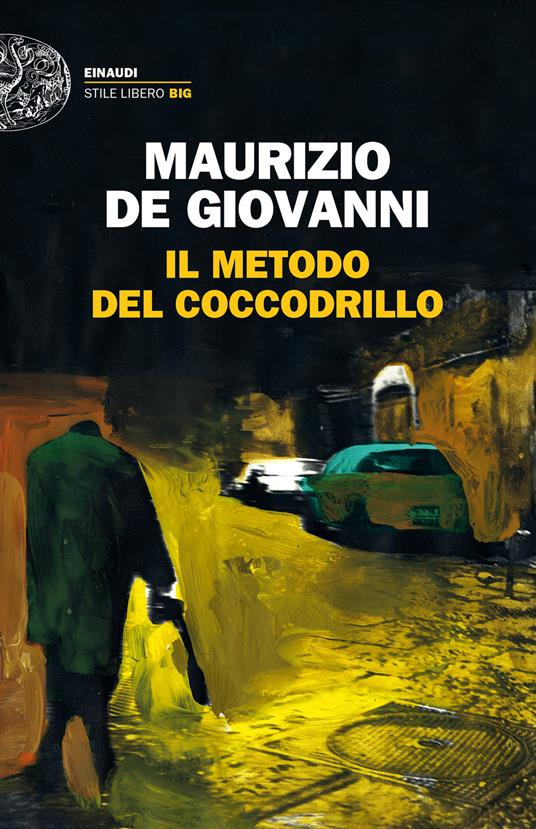
A cold, methodical, and relentless killer sows panic in Naples. They nickname him the Crocodile; like the reptile, he knows how to wait for the prey and strike at the right moment and after killing, he cries… or so it seems. The investigations are handled almost by chance and to the great disapproval of superiors, by an inspector transferred from Sicily for punishment: Giuseppe Lojacono. Accused by a betrayed informant of collusion with the mafia, he has lost everything—work, wife, daughter—and only his sense of justice keeps him afloat. By his side, from the very first moment, Laura Piras, a young magistrate who is blunt and passionate, believes in him like no one else. Their paths will cross again in Pizzofalcone, where the fate of the team and of the city itself will be put to a severe test. With The Crocodile Method (Einaudi Stile Libero, 2012), Maurizio De Giovanni inaugurates the Bastards of Pizzofalcone saga, once again proving his talent for creating complex characters, gripping investigations, and a Naples that is alive, pulsating, and surprisingly real.
The Bastards of Pizzofalcone
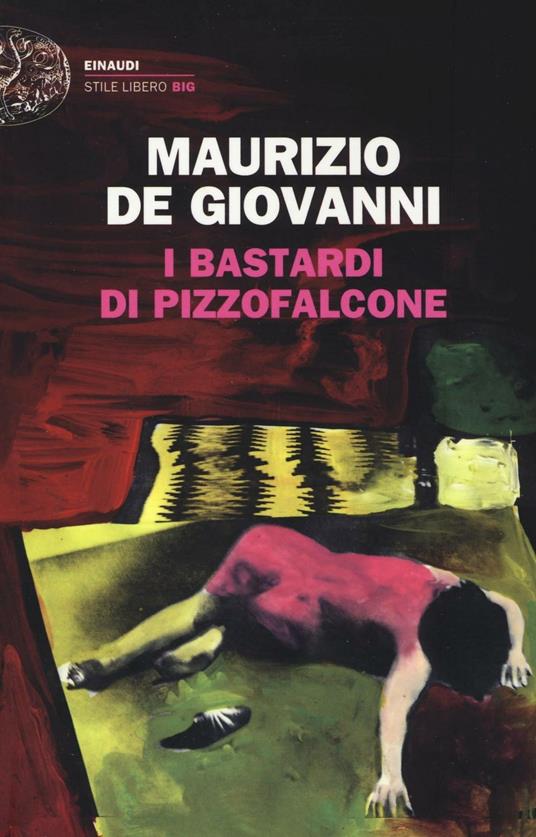
With The Bastards of Pizzofalcone (Einaudi Stile Libero, 2013), Maurizio de Giovanni opens the doors to a police station where the new investigators barely have time to know each other. Sent to replace colleagues guilty of a serious crime, they are immediately drawn into a delicate murder case in high society. The investigations are entrusted to the team’s leading man, inspector Giuseppe Lojacono, a Sicilian with a controversial past but fresh from success in catching the Crocodile, the infamous killer who had sown terror in Naples for days. Lojacono, with the help of the quirky armed officer Aragona, moves between seafront apartments and nautical clubs, while colleagues Romano and Di Nardo try to understand why a young and beautiful girl never leaves home, and old Pisanelli pursues an obsession with a string of suspicious suicides. With this novel, De Giovanni creates an unforgettable team, inaugurating a universe of stories that blend mystery, psychology, and narrative tension.
Dark for the Bastards of Pizzofalcone
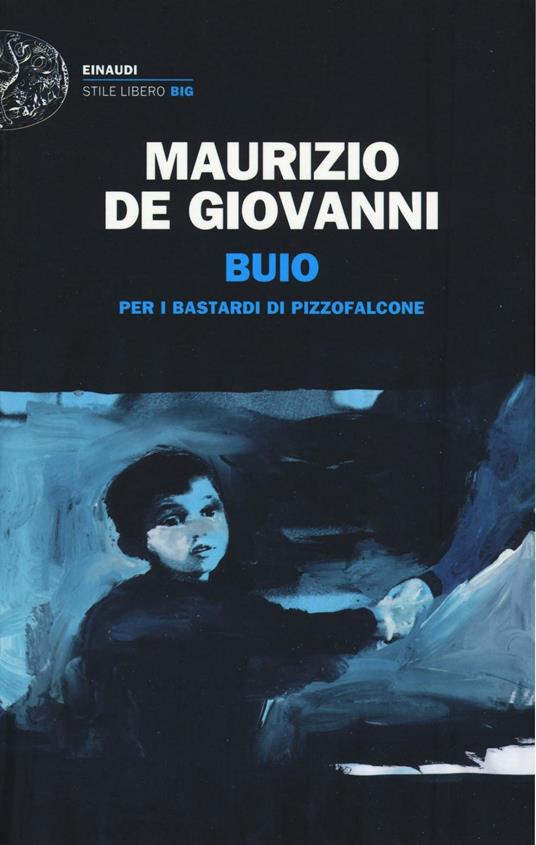
In the comforting warmth of a sick May, the Pizzofalcone precinct led by Gigi Palma faces a terrible crime: a ten-year-old child, grandson of a wealthy entrepreneur, has been kidnapped. Investigations proceed tentatively while darkness seems to seize hearts and souls, and the grip of an invisible crisis upends many lives, quenching the deepest feelings. Even a seemingly banal theft can hide disturbing surprises. The Bastards must stay united to face an abyss of lies and resentments where no light shines. With Dark for the Bastards of Pizzofalcone (Einaudi Stile Libero, 2013), Maurizio de Giovanni builds a thriller with some of his strongest suspense and tension yet, blending intricate investigations and precise psychology.
Younglings for the Bastards of Pizzofalcone
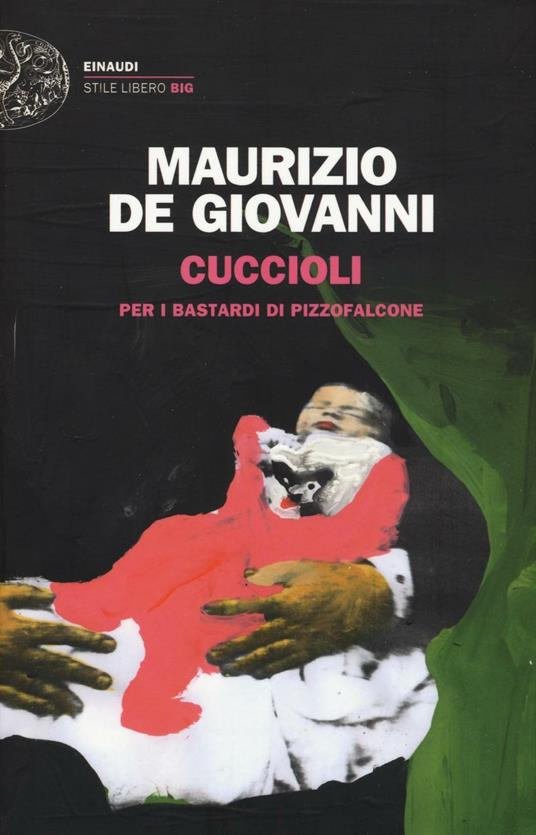
Cuccioli per i Bastardi di Pizzofalcone (Einaudi Stile Libero, 2015) opens with the discovery of a neonatal abandoned baby inside a trash container, launching a tight investigation that involves the investigative team on a personal level. But the horrors don’t end there: a young Ukrainian domestic worker is killed in her home and, through the streets of the neighborhood, small stray animals disappear. It is a difficult April for the Bastards, because in the indifference of the rich and powerful, the city seems to lash out at the weakest.
Bread for the Bastards of Pizzofalcone
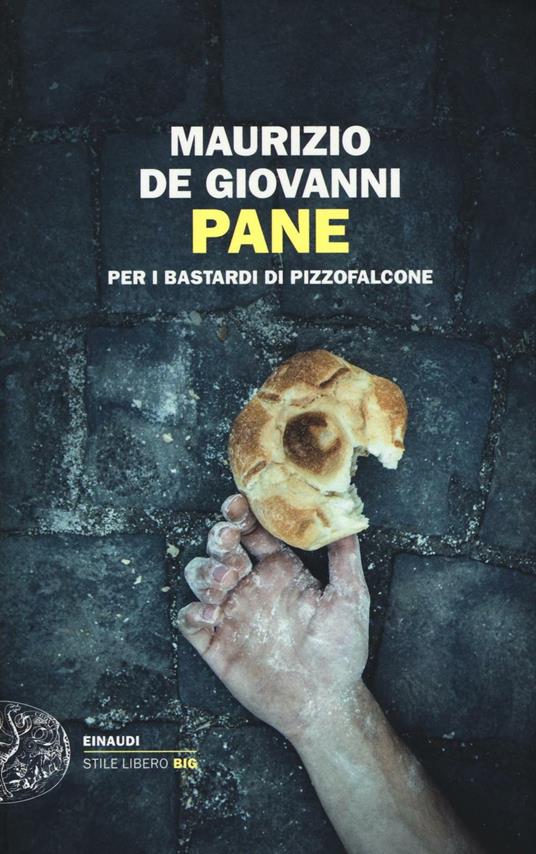
Continuing the series, De Giovanni presents Pane per i Bastardi di Pizzofalcone (Einaudi Stile Libero, 2016), a novel that tests the city’s most talked-about squad. Sometimes an adversary is needed to reveal who you truly are, and the Bastards have found theirs: to prove they are the best, they will go to great lengths—indeed to becoming a true team. A murder divides the police forces, putting the Bastards’ tenacity to the test as they face the super detectives of the DDA, ready to sense organized crime. While the characters’ feelings and passions intertwine with action to drive surprising twists, Naples holds its breath…
Daily Life of the Bastards of Pizzofalcone
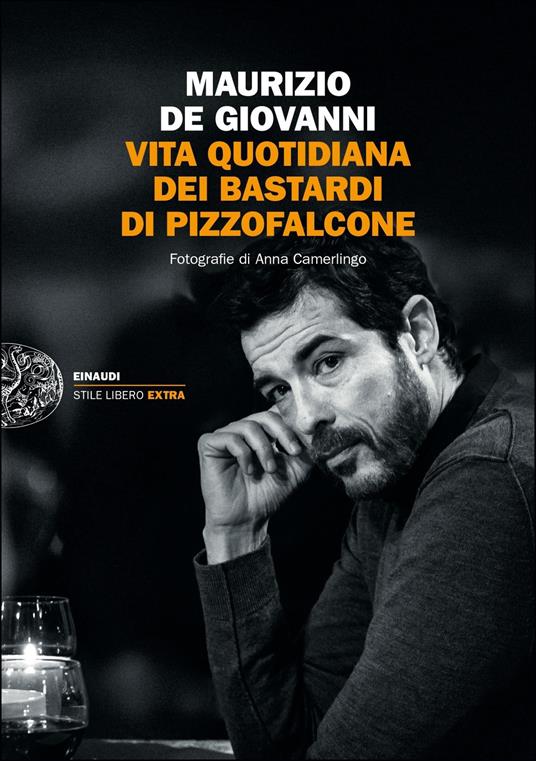
Vita quotidiana dei Bastardi di Pizzofalcone (Einaudi Stile Libero, 2017) originates with the release of a TV series dedicated to one of the most discussed and beloved commissioners. In these pages, De Giovanni gives voice directly to the protagonists, who tell their own stories, colleagues, and that unexpected place where, against all odds, they found redemption. Not mere confessions, but fragments of life, intimate reflections, thoughts suspended between loneliness and mistakes, between feeling in the wrong place and the awareness of finally belonging to something. Enriched with photographs by Anna Camerlingo, the volume offers a chorus-like portrait of the Bastards’ squad, allowing readers to enter the heart of the Bastards and discover the most fragile and authentic sides of those who, every day, live among investigations and personal battles.
Souvenir for the Bastards of Pizzofalcone
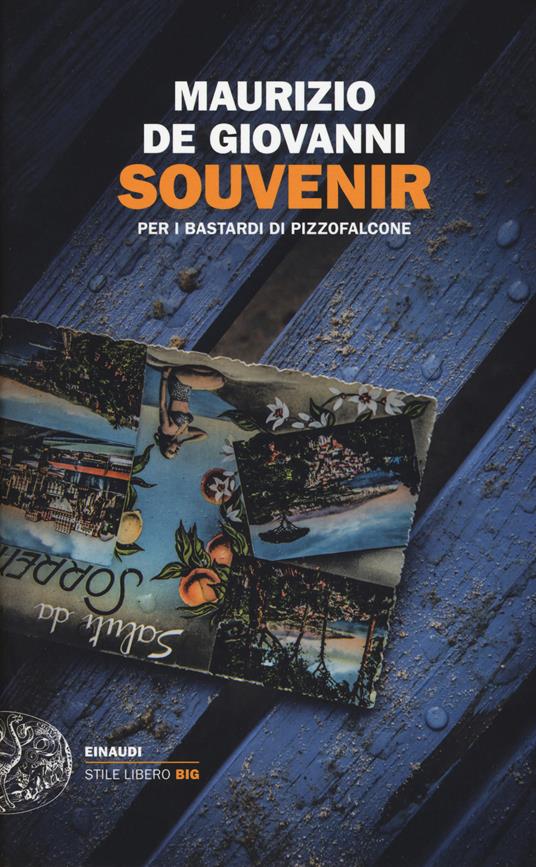
In October Naples still wears the colors of summer, but the deceit doesn’t last long: the cold and damp return everyone to the reality, and crime re-emerges. A man, without documents or a phone, is found in a metro construction site: beaten to the point of being left in a coma without uttering a single word. This is where Souvenir for the Bastards of Pizzofalcone begins (Einaudi Stile Libero, 2017). The victim turns out to be an American visiting Sorrento with his sister and a fragile mother, a former Hollywood actress lost in Alzheimer’s. The trail leads the Bastards multiple times to the gulf town, infused with a melancholic off-season charm. Here, between past and present, threads interweave: a secret kept for half a century resurfaces, linked to a love story and sacrifice that seems lifted from an old film.
Void for the Bastards of Pizzofalcone
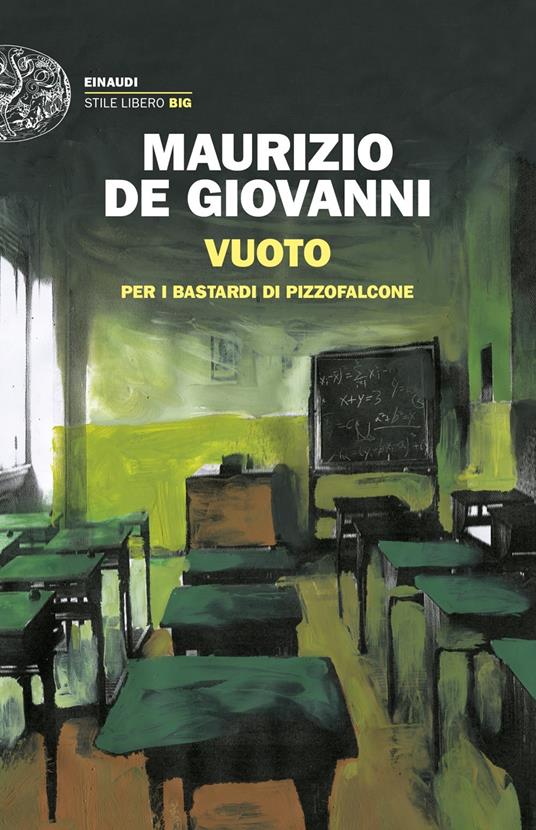
Autumn deepens and winter moves in with a palpable restlessness that pervades not only the city but also the Bastards of Pizzofalcone. Each member faces a pivotal moment in their life. The arrival of a new investigator from the North, with green eyes and red hair, further unsettles the balance and fuels hidden tensions. Meanwhile, a literature professor seems to have vanished. Her husband, a powerful industrialist, claims she left voluntarily. No concrete evidence contradicts him, but Lojacono and his colleagues do not give up and launch an unofficial investigation. They will discover that even seemingly full lives can hide invisible wounds, silent abysses, a void with a thousand faces and colors: fear, pain, and horror. Another intense investigation by the Neapolitan Maurizio de Giovanni: Vuoto per i Bastardi di Pizzofalcone (Einaudi Stile Libero, 2018).
Nozze per i Bastardi di Pizzofalcone
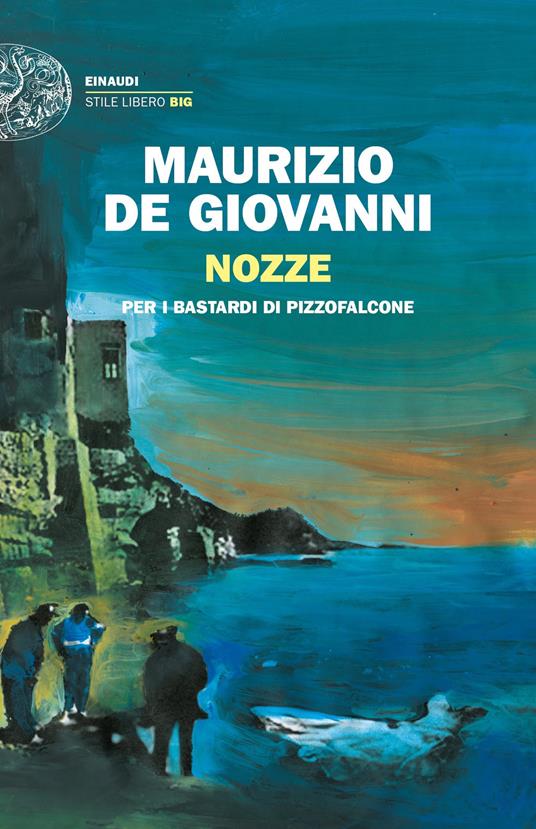
A day that should have been a moment of joy becomes a tragedy: the body of a young woman is found in a cave overlooking a secluded beach, while a wedding dress floats on the water. This is the unsettling scenario of Nozze per i Bastardi di Pizzofalcone (Einaudi Stile Libero, 2019), one of Maurizio De Giovanni’s books where the investigative team must confront a case that seems to defy logic. In a freezing February, capable of freezing emotions before they can surface, Lojacono and his colleagues move through false leads, secrets, and uncomfortable truths. Each carries personal dreams and fragilities, but all know the girl in the cave demands justice: someone stole her future on the eve of the happiest day of her life.
Flowers for the Bastards of Pizzofalcone
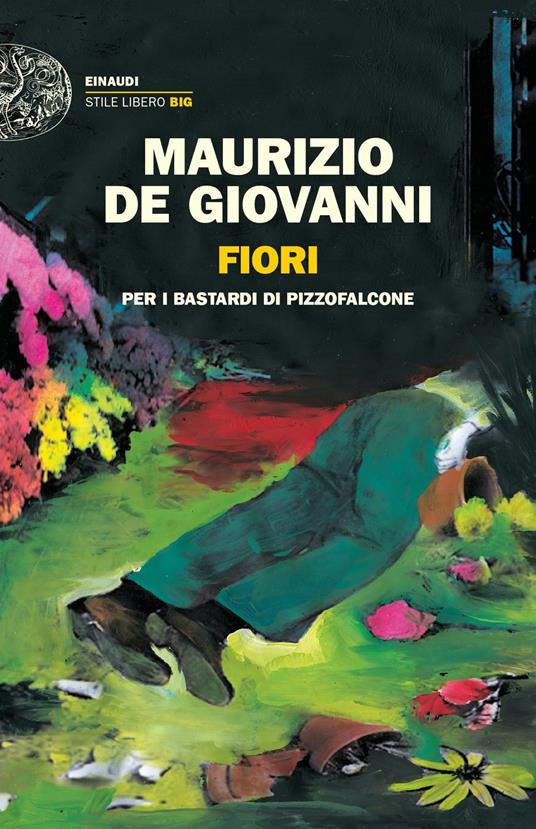
It is a glorious spring morning: the sea perfumes the air along with wisteria and broom, yet the city is shaken by an unexpected crime. An elderly florist, a landmark for the whole neighborhood, has been brutally murdered. A kind man, whom all treated as a civic grandfather, capable of giving time and support to anyone in need. How can so much hate flow on such a bright day? This is the mystery at the heart of Flowers for the Bastards of Pizzofalcone (Einaudi Stile Libero, 2020), a case that once again tests the city’s most discussed investigative team.
Angels for the Bastards of Pizzofalcone
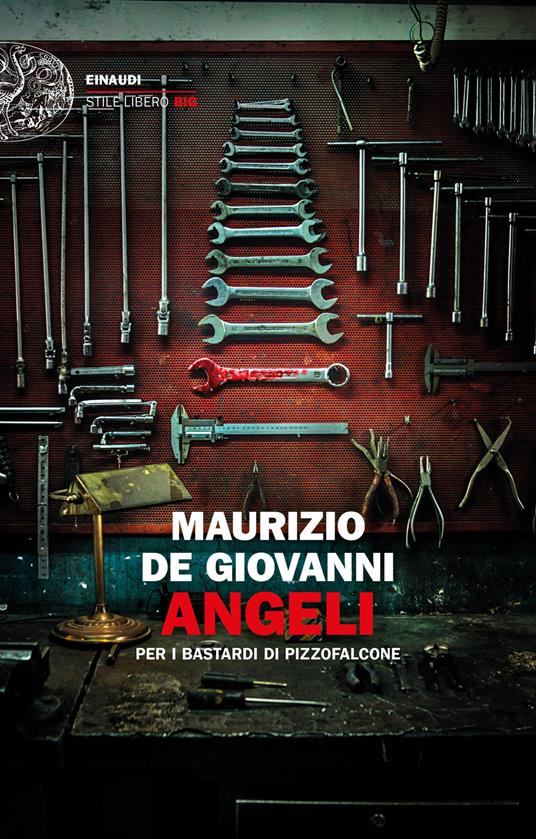
Among De Giovanni’s books in this series is Angels for the Bastards of Pizzofalcone (Einaudi Stile Libero, 2021), a crime novel that opens with the death of Nando Iaccarino, a man capable of reviving engines, beloved by anyone who loved vintage cars and motorcycles. His workshop, neat and orderly like a hospital room, was a place of trust and passion. Yet, someone killed him. It is up to the city’s most talked-about squad to investigate a crime that seems inexplicable, while each team member must confront personal problems, secrets, and pains that threaten to break their cohesion. Around them, police leadership can’t wait to seize a misstep. Yet even when they fall, angels sometimes find a way to rise again.
Rains for the Bastards of Pizzofalcone
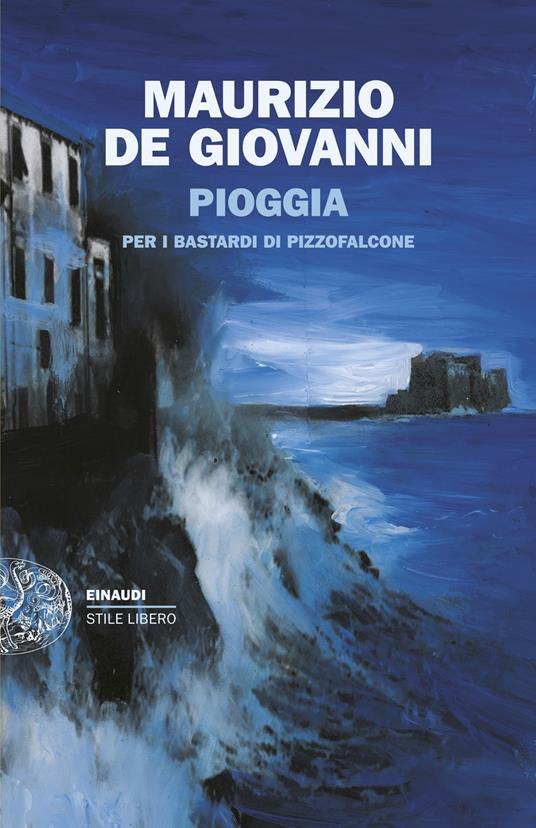
Under a downpour that offers no relief, Naples’ most formidable police officers face enemies, resentments, and secrets as they attempt to shed light on a murder that deeply shakes the precinct. It is in this context that Pioggia per i Bastardi di Pizzofalcone (Einaudi Stile Libero, 2024) unfolds: Leonida Brancato, a former unstoppable penal attorney known as “the king of every technicality,” is found murdered, his battered body offering no obvious clues. Among the rain-soaked streets and the incessant thunder of the downpour, the Bastards move with tenacity, forced to confront the city’s darkest shadows and the fragility of their own feelings, proving once again how thin the line between justice and chaos can be.
Children for the Bastards of Pizzofalcone
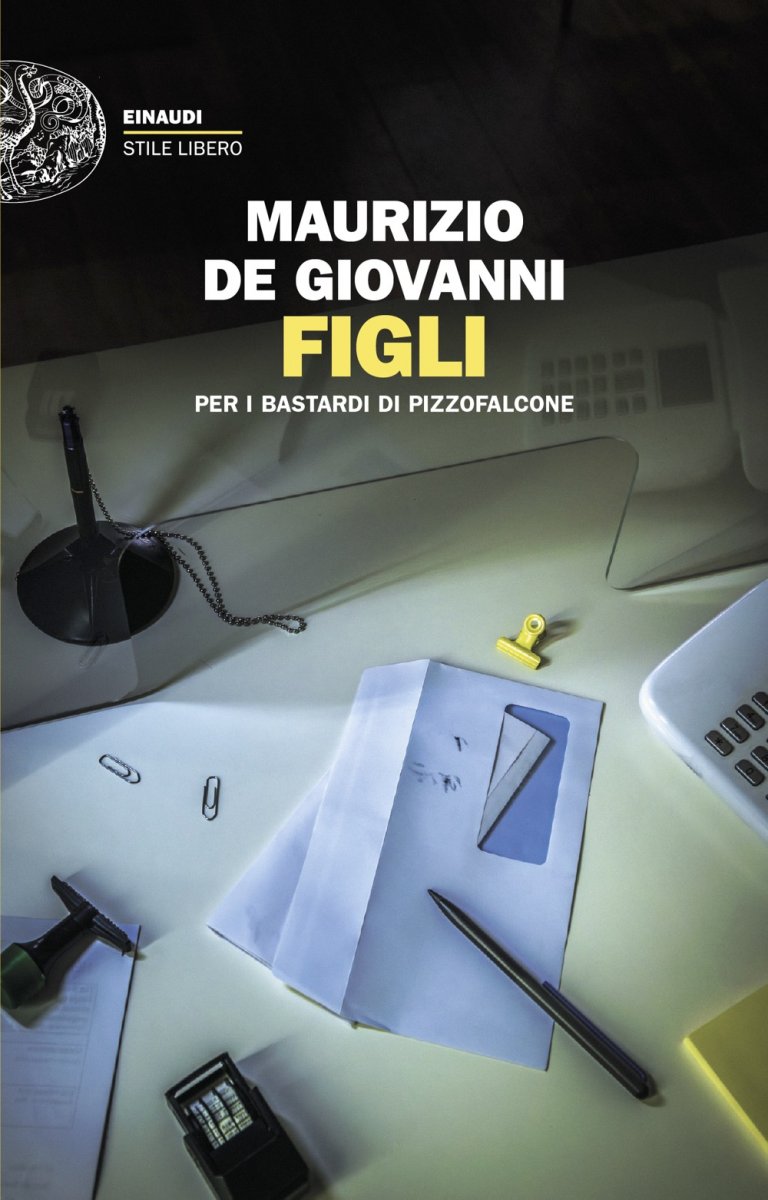
“The children. Perhaps when you don’t have them you don’t miss them, and when you have them you wonder how you could live before having them. Perhaps.” In March 2026, Maurizio de Giovanni returns with the last chapter of one of his most appreciated series: Children for the Bastards of Pizzofalcone (Einaudi Stile Libero) bringing us to a hot July night. Via Egiziaca, in Pizzofalcone, Francesco Cascetta, a physician, is struck by a car and dies. No one saw anything; there are no cameras to help. It’s a mystery also about why the man—well known for his work—was in that area at such a late hour. But it becomes clear that Cascetta’s death was no random accident: someone wanted him dead…
Mina Settembre by Maurizio de Giovanni
Dodici rose a Settembre
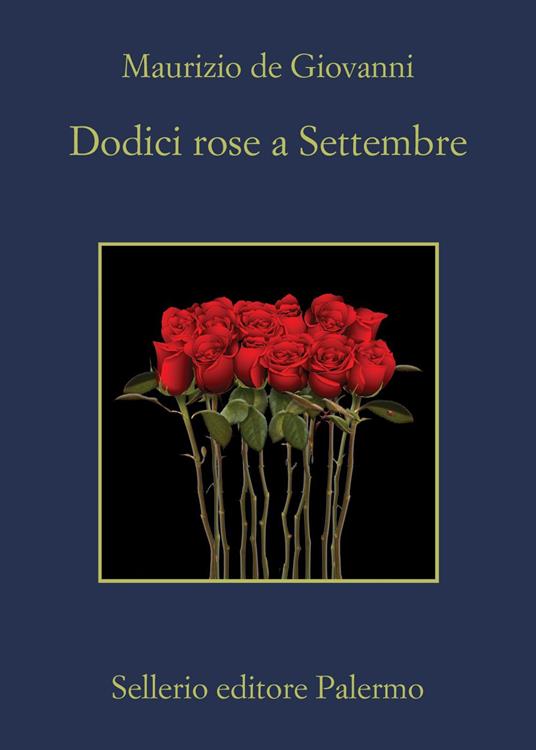
In Dodici rose a Settembre (Sellerio, 2019) Mina Settembre emerges as a fresh, living and credible protagonist in the Neapolitan landscape typical of De Giovanni’s books. A social worker in the Spanish Quarters, endowed with sensitivity and determination, Mina faces daily the degradation and injustices that the city places before her, challenging the distrust of those who see her as a stranger to the context. Between professional commitments and personal tensions, Mina’s life is a constant balancing act among contradictions: a body that cannot accept, shapeless sweaters that fail to shield from prying eyes, an acerbic mother, the doorman Rudy, and emotional uncertainties between Claudio, her ex-h husband magistrate, and Domenico, a gynecologist at the clinic. But September in Naples also brings with it the case of the Rose Killer, a madman who leaves behind victims and red roses.
Too Cold for September
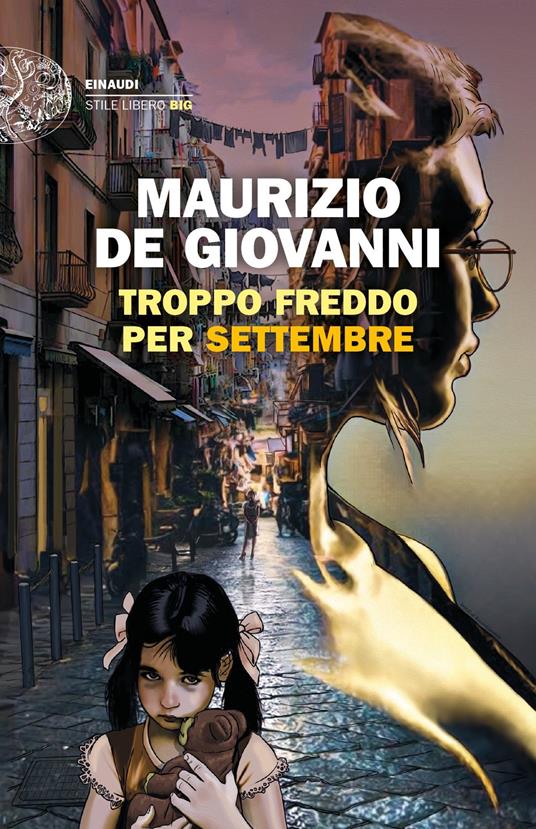
October in Naples still wears summer colors, but the deceit lasts only briefly: cold and damp return everyone to reality, and with it the crime reappears. Mina Settembre continues to face injustice and suffering in the city’s alleys. The social worker is confronted with a case that shakes the city: an elderly professor is found dead in an attic, forgotten by everyone except his granddaughter. Who takes care of the most vulnerable when society ignores them? With courage, intelligence, and a touch of madness, Mina does not back down and drags along her most trusted friends and two men willing to do anything for her. It is in this context that Troppo freddo per Settembre (Einaudi Stile Libero, 2020) comes to life, showing the protagonist facing old quarters, heavy-family burdens, and secrets to uncover.
Una Sirena a Settembre
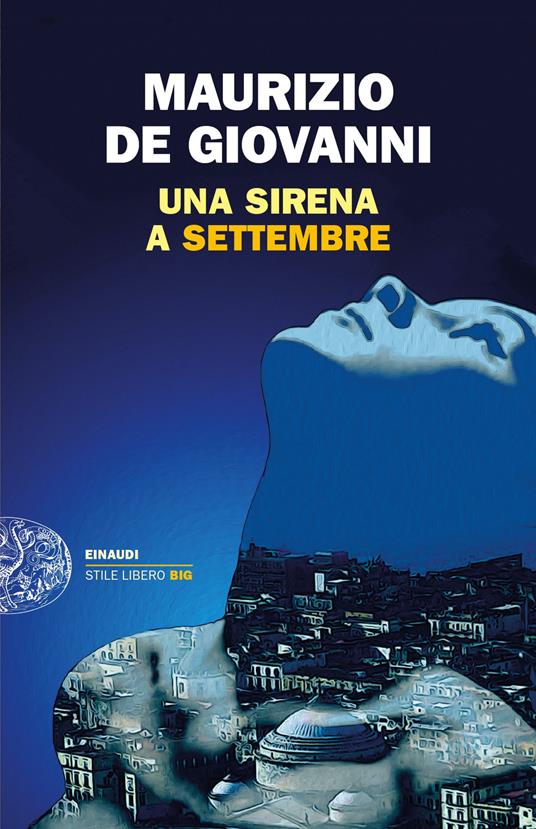
In the city of the Siren nothing is ever as it seems, and Mina Settembre must face a double challenge. Two seemingly separate events test her ability to read between the lines of reality: an elderly woman who is pickpocketed falls and ends up in a coma, while a child wrestles with a dog among mountains of trash—scenes of extreme poverty broadcast by a local television station. Mina’s numbers don’t add up, and she decides to investigate with the help of her utterly lovestruck Mimmo Gammardella, despite her caustic ex-husband, the magistrate Claudio De Carolis. Through deceptions and misunderstandings, Una Sirena a Settembre (Einaudi Stile Libero, 2021) comes to life, showcasing Mina facing social justice, unwavering determination, and the strength of a heart capable of standing up to every abuse without ever losing its humanity.
Sara by Maurizio de Giovanni
Sara at Dusk
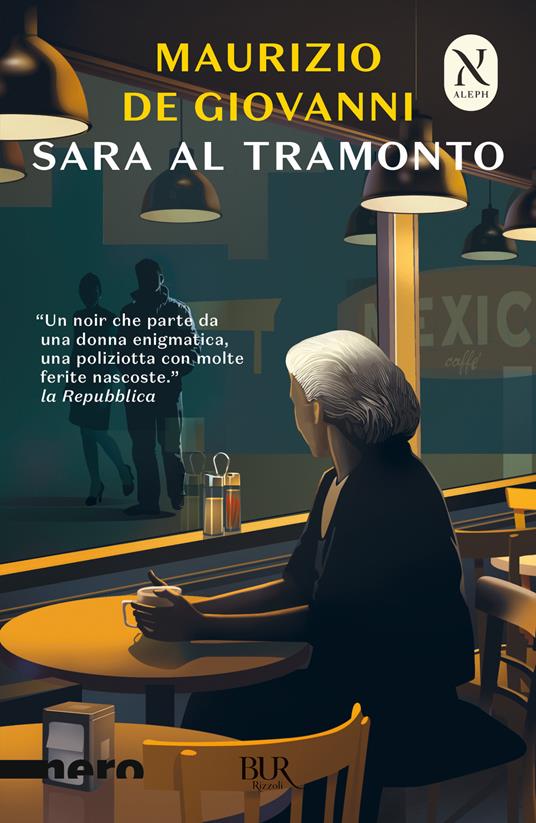
Sara does not want to exist, and yet she does not go unnoticed. The invisible woman, with gray hair and a subdued beauty, knows how to read others as no one else can: secrets, fears, unspoken thoughts. A retired police officer, once involved in a special services unit, she spent years between intercepts and others’ stories, never letting her own life come to the surface. Now, with Viola ready to make her grandmother, fate offers a new challenge: to investigate a case already closed, but not convincing. By chance, the police officer Davide Pardo and the keen eye of Viola, who watches everything with her camera, will become allies in an investigation that blends intelligence, intuition, and courage. In Sara at Dusk (Rizzoli, 2019), Maurizio De Giovanni gifts a noir in which the peripheral and lunar Naples becomes a theatre of secrets and mysteries, and where the protagonist leads us to the depths of our hearts, even when it is dark.
Words of Sara
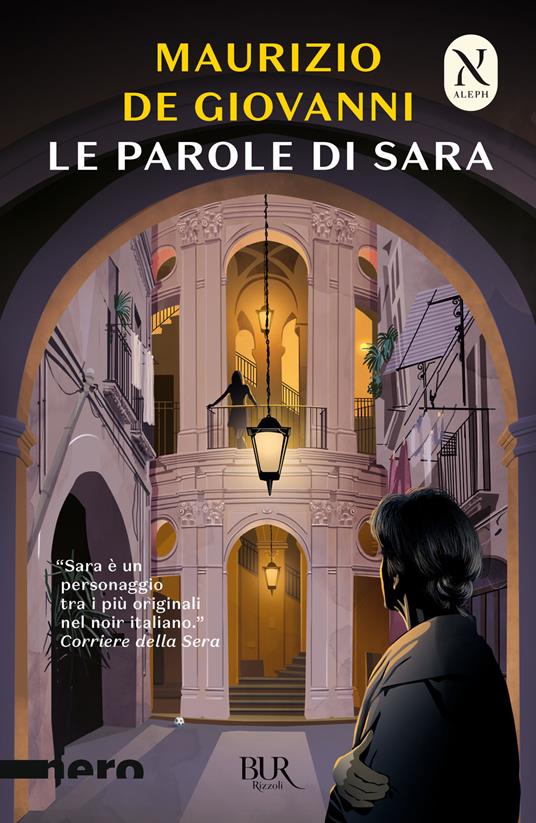
In Le parole di Sara (Rizzoli, 2020), two women communicate with their eyes, mastering a silent language in which the truth is written on the faces of others. Sara Morozzi and Teresa Pandolfi, as different as day and night, shared friendship, careers, and rivalry within one of the most secret units of the Services. For love, Sara gave up everything, leaving husband and son whom she could only see at the morgue; Teresa, instead, sacrificed love to keep what mattered most. Thirty years later, Sara tries to emerge from the solitude imposed by her partner’s disappearance, while Teresa, at the helm of the unit, commits a mistake: she is seduced by the eyes of Sergio, a young and handsome researcher. When the boy disappears without a trace, Sara returns to action.
A Letter for Sara
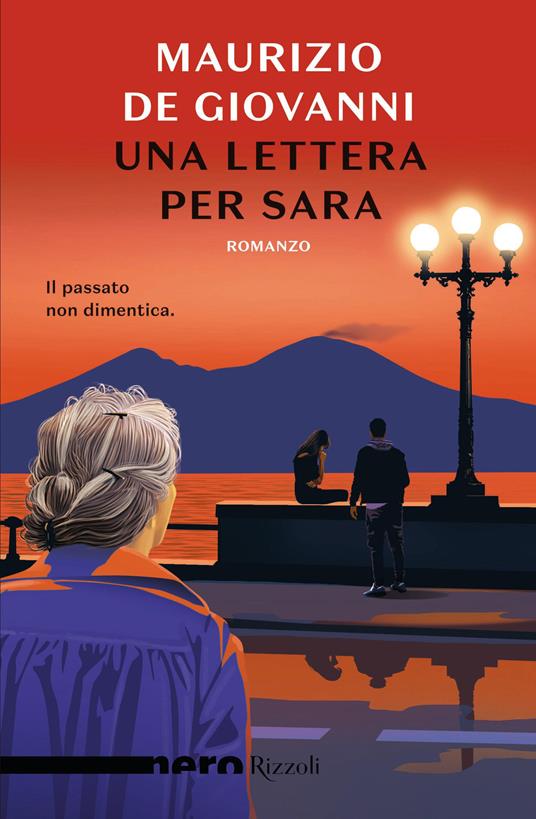
Sara Morozzi returns, the invisible woman capable of reading lips and interpreting body language: it is spring in Naples, but the city’s ghosts return to strike like snaking blows of an obstinate winter. Inspector Davide Pardo, once again facing delays and disasters, finds himself in front of the old vice-commissario Angelo Fusco: his former superior needs a favor, to obtain an interview with Antonino Lombardo, a dying detainee. The coffee ritual at eleven has gone awry, rules have been broken, and Pardo risks making a mess. It falls to Sara to intervene, guiding him and readers through an investigation that slides between memory, past faults, and unspoken secrets. This is the plot of Una lettera per Sara (Rizzoli, 2020) by Maurizio de Giovanni.
Gandhi – The Eyes of Sara
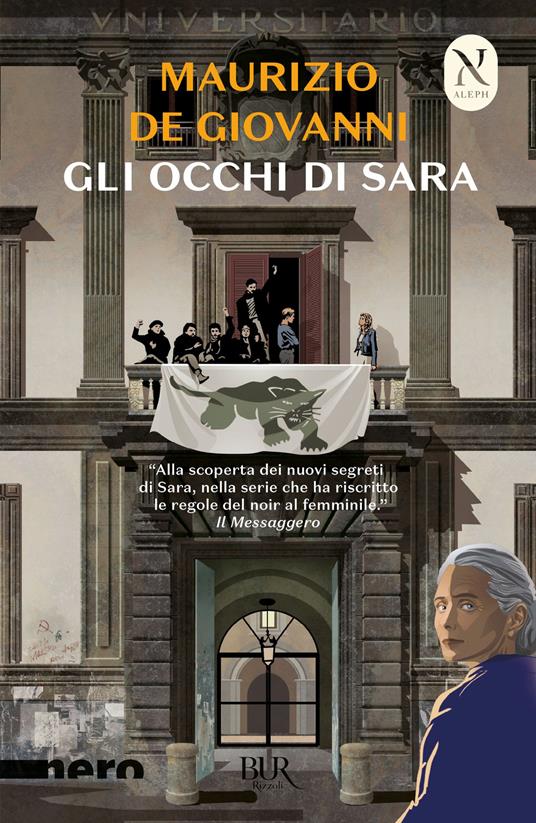
One look brings to light the darkest secrets and opens the doors to the past. This happens to Sara as she fights to save the life of the little Massimiliano, a child struck by a serious illness. Among the fog of memories, eyes reappear that the invisible woman had tried to forget years earlier, dragging her back to Naples, 1990. The Berlin Wall has fallen, the Soviet satellite states are in crisis, student movements ignite Italy, and the city prepares for the visit of Pope John Paul II. Sara Morozzi, nicknamed Mora, a member of the most secret Services unit, and her colleague Teresa Pandolfi, nicknamed Blond, receive the most delicate mission of their career. Amid passion and betrayal, memory and untold secrets, the invisible woman finally reveals her humanity, a pain her eyes reveal without words in Gli occhi di Sara (Rizzoli, 2021).
A Flight for Sara
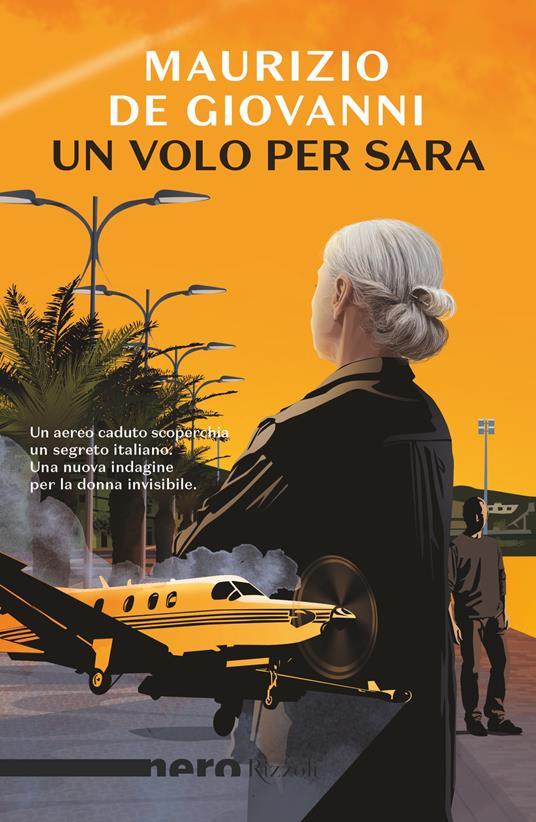
In a small tourist plane bound for Sardinia, several people are aboard, including a notable entrepreneur who gave his last interview shortly before takeoff, while the other passengers chat unknowingly about the looming tragedy. When Andrea Catapano, a retired Services agent, hears the victims’ voices—he who does not see but listens with acute sensitivity—an unmistakable memory resurfaces. He thus decides to contact his former colleague Teresa Pandolfi, now head of the Investigation Unit, suspecting the disaster might conceal a Tangentopoli-era mystery. Among De Giovanni’s books is also Un volo per Sara (Rizzoli, 2022).
Sisters – A Sara Story
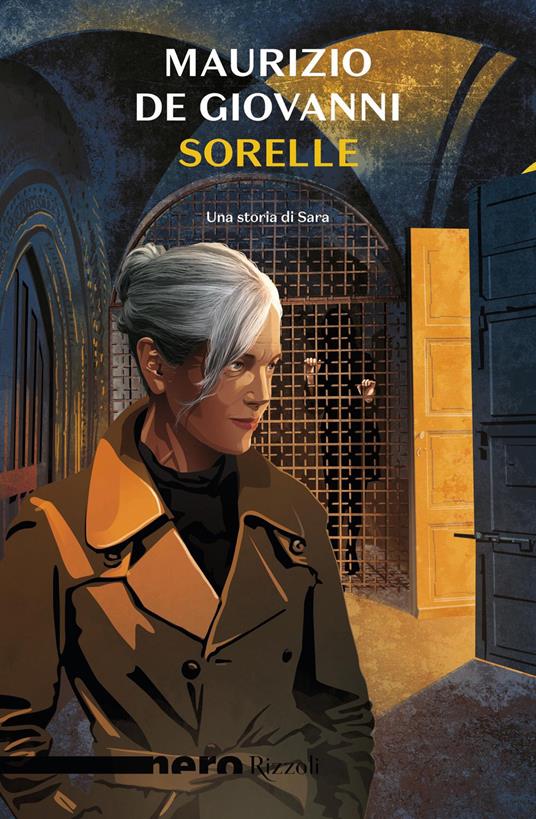
Sorelle – A Sara Story (Rizzoli, 2023) tells a new Sara Morozzi investigation, a race against time to save the life of her friend and sister Teresa Pandolfi. Teresa has crossed the line, and whoever kidnapped her wants to ensure there are no compromising traces of their power structure. Sara, different in every way from her blond colleague, understands immediately that Teresa’s life is in danger: willing to do anything, she moves with Viola, Inspector Pardo, and even Boris, the colossal Bernese, as accomplices in an investigation that blends memory, past wrongdoings, and unspoken secrets. By her side the former agent Andrea Catapano, a companion of years and shared secrets.
Silent Parrot – A Sara Story
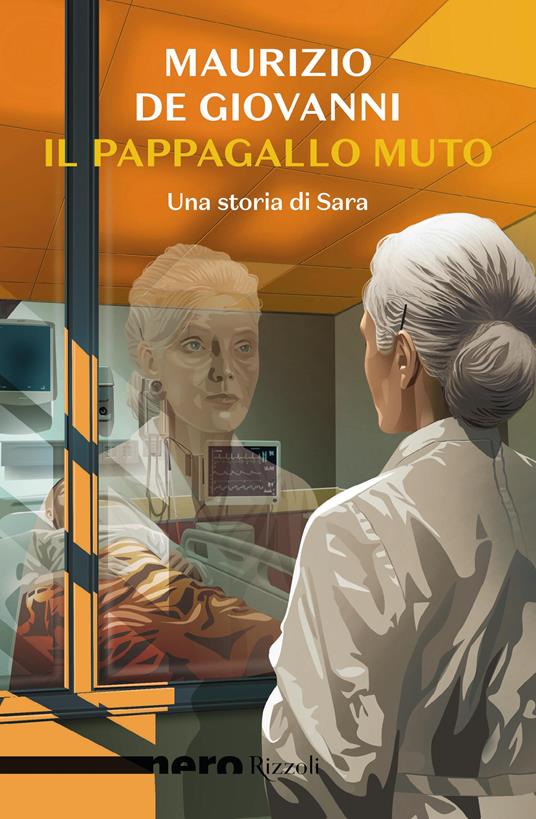
Sara Morozzi faces a new investigation, in Il pappagallo muto. A Sara Story (Rizzoli, 2025), the latest adventure of the former secret services agent. In the park, sitting on a bench near children playing, Sara and Andrea Catapano might seem two harmless old people. Nobody would suspect they were the best agents on the square for years. Now, unexpectedly, the Services need them for an operation without technology, only old-fashioned covert work—skills they master like no other. They accept, because those who did this work have it in their blood: you cannot turn away even after years.
Other Maurizio de Giovanni Books
The Rest of the Week
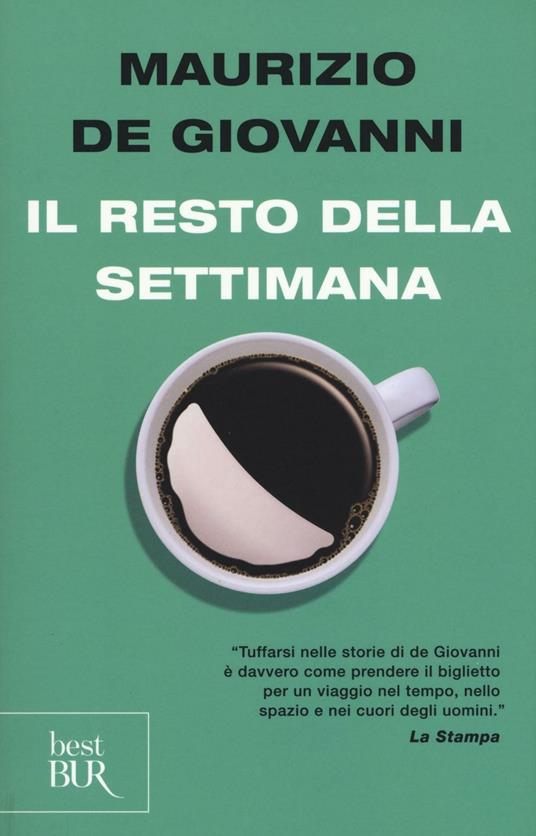
In Il resto della settimana (Rizzoli, 2015), the bar owned by Peppe becomes a warm, familiar place, always the same. At the cash register, there’s Deborah—strictly with h—while Ciccillo, the handyman, is everywhere because he never stops. At one of the tables sits the Professor, a keen observer of human feelings. These characters bring to life, in Maurizio De Giovanni’s novel The Rest of the Week (Rizzoli, 2015), a diary that men and women live day by day: joy and nostalgia, the poetry of a dream, the celebration of a game.
Three Steps to a Crime
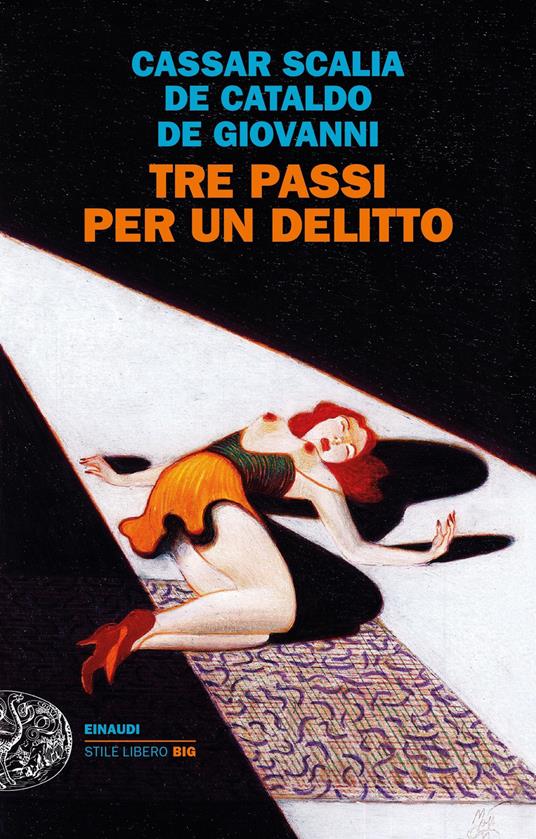
In this coral noir experiment, a beautiful young woman connected to the art world is found dead in her Rome apartment. Surrounding her murder are three different voices: who hides the truth, who manipulates it, and who pretends not to care. It is the Commissioner Davide Brandi, a police officer as capable as he is ambitious, who leads the investigation, told by Giancarlo De Cataldo. Then there is Marco Valerio Guerra, the victim’s lover and a powerful, hated businessman, whose perspective is given form by Maurizio de Giovanni. Finally Anna Carla Santucci, the betrayed wife who does not flinch at her husband’s behavior, voiced by Cristina Cassar Scalia. Three divergent viewpoints, three eyes that do not coincide, but piece by piece they build a path toward the truth: this is Three Steps to a Crime (Einaudi Stile Libero, 2020), a choral noir experiment that unites three of Italy’s most beloved voices.
The Concert of Fragile Destinies
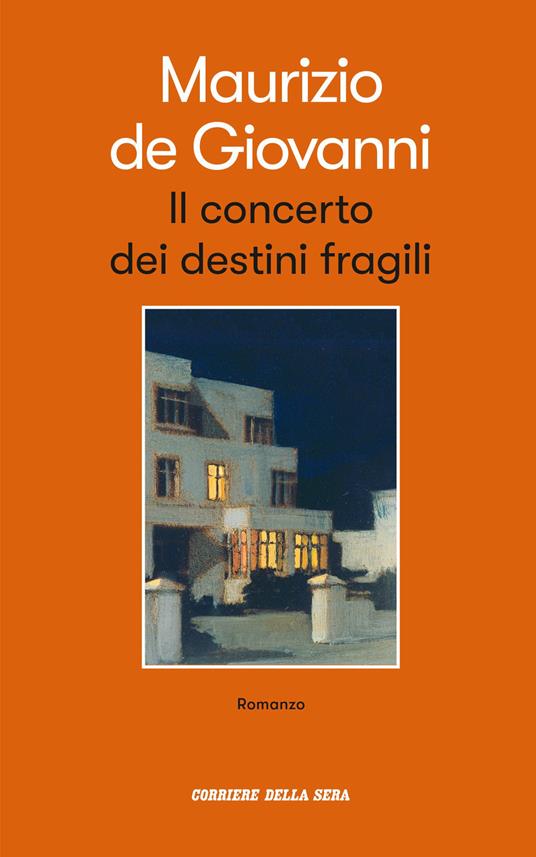
Three people far apart—the Doctor, the lawyer, the woman from the East who works as a domestic servant—three outsiders who in theory would never have met. He, a young doctor devoted to his profession, sacrificed his personal dreams for the vocation. The lawyer lives surrounded by privilege but tormented by a lost love. She, on the other hand, fights every day to survive and give a better future to her daughter. Yet when a tiny, invisible event intervenes in their lives, their paths intersect, and from that moment nothing is the same. Transgressions emerge, despair and unexpected acts of courage follow. This is the beginning of The Concert of Fragile Destinies (Solferino, 2020), a narrative that explores fear, responsibility, and the hidden strength within each of us.
The Equation of the Heart
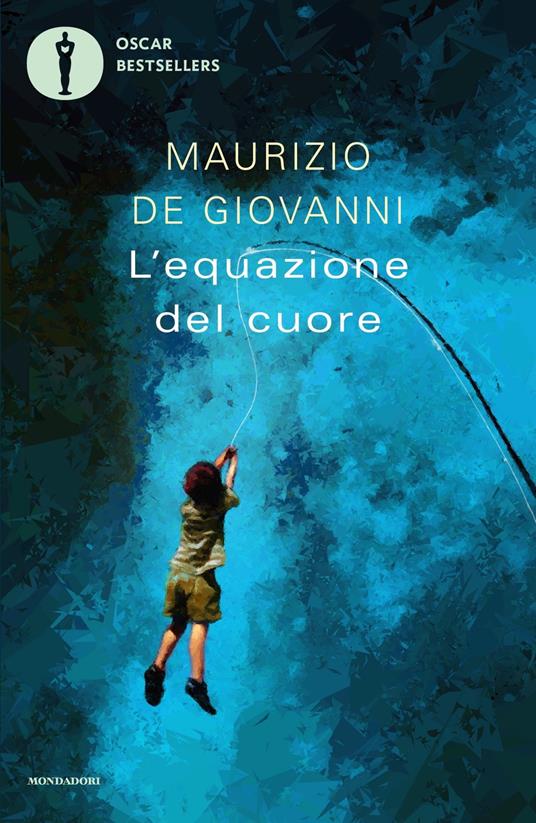
After the death of his wife, Massimo, a retired math professor, chose the solitude of an island in the Gulf of Naples. He lives by small gestures, methodical fishing, and maintains a fragile link with his daughter Cristina, who lives far away. But when an accident abruptly breaks the lives of Cristina and her husband, and little Checco remains in a coma, Massimo is forced to confront his own grief and the responsibility he never thought he would assume. Beside his immobile grand-nephew, he tries to fill the silence by telling him the beauty of mathematics, the secret harmony of numbers that marked his life. Among De Giovanni’s books, The Equation of the Heart (Mondadori, 2022) is a novel that stages the mystery of pain and the possibility, fragile yet tenacious, of finding meaning in life again.
All the Theatre
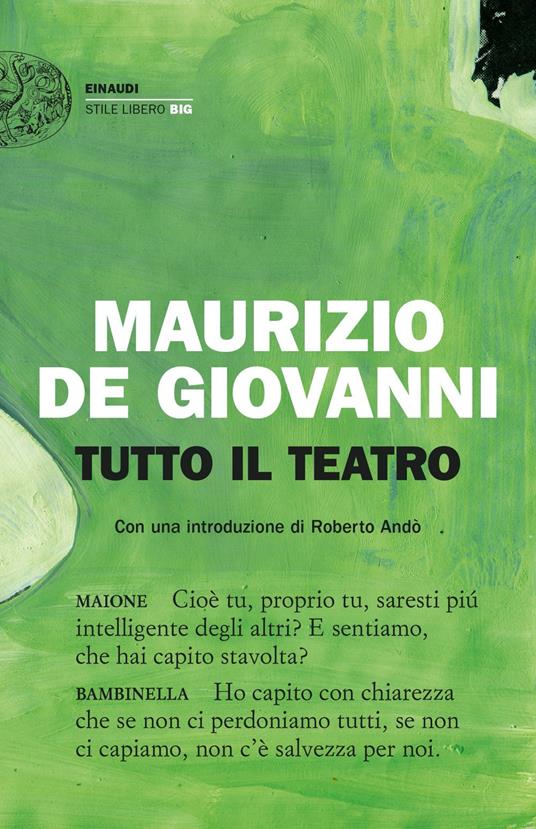
All the Theatre collects nine of de Giovanni’s plays, brought to the stage by some of the country’s most important directors and performers. This journey through word and emotion takes shape in All the Theatre (Einaudi Stile Libero, 2022), introduced by a preface by Roberto Andò.
The Ancient Love
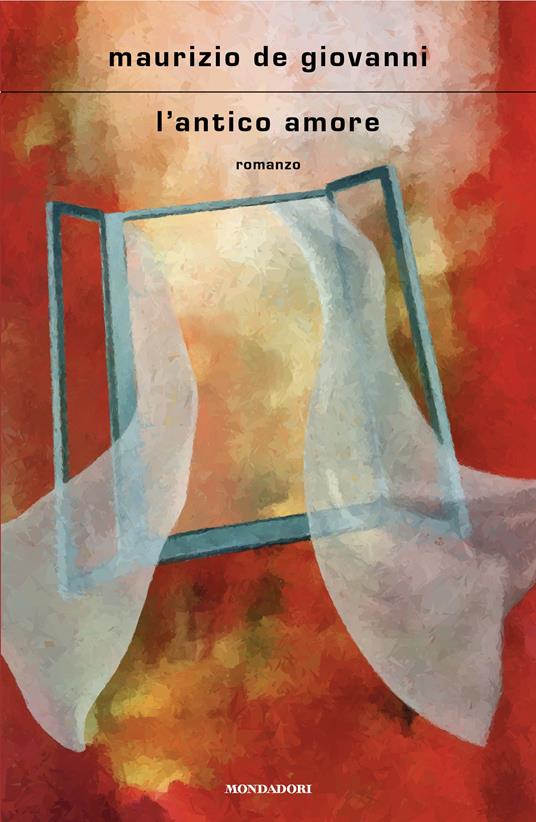
Among De Giovanni’s books also The Ancient Love (Mondadori, 2025), a novel in which the author entwines poetry, passion, and memory. A distant voice, that of a Latin poet from the first century BCE, travels the pages with a condemnation of love: a feeling that tortures, obsesses, and at the same time illuminates. In response to that canto grow the lives of characters as different as they are bound by the same secret flame. A young professor trapped in an unhappy marriage and in an academy that no longer listens to him suddenly finds a spark in the eyes of a student. Oxana, a Moldovan caretaker, dedicates every day to the Elder, discovering in him a vitality that seems to come from elsewhere, from memory or perhaps from a poem. All are touched by a force that is at once wounded and saving, a desire that renews itself across time.
The Clockmaker of Brest
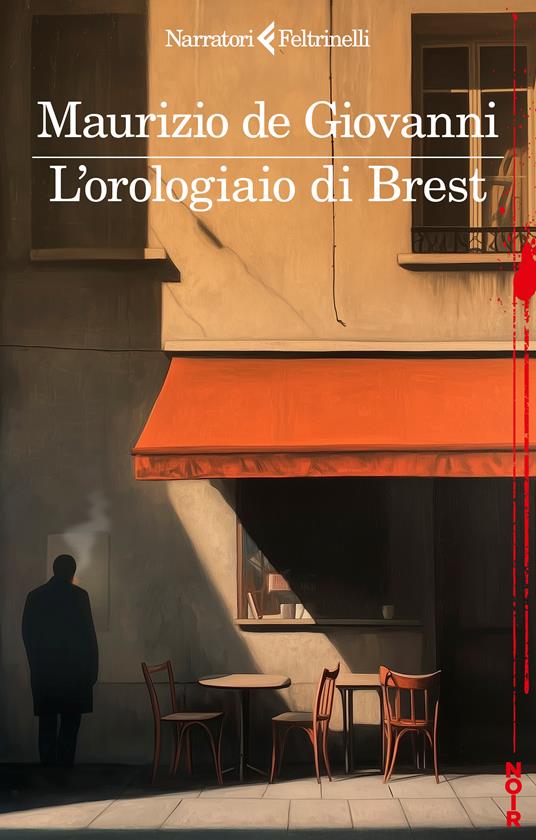
Time passes quickly for some, drags for others, and for some it has stopped forever. So too is the history of Italy, a clock broken that still ticks through the era of lead and blood. In this suspended silence move Vera Coen, a freelance journalist seeking truth and self, and Andrea Malchiodi, a disillusioned professor swept up in scandals, failures, and his mother’s illness. An unexpected encounter reveals that their fates are tied by a blood-stained event forty years earlier: a hidden wound that drags them into investigations in the night’s darkest corners, centering on the pursuit of the mysterious “gear man,” a militant and keeper of unspeakable secrets, among the last embers of the armed struggle and the false glimmers of an era that promised renewal but left the Gattopardi in power. With L’orologiaio di Brest (the first book published with Feltrinelli, in fall 2025) De Giovanni launches a new series.
The Buffalo and Sammarzano
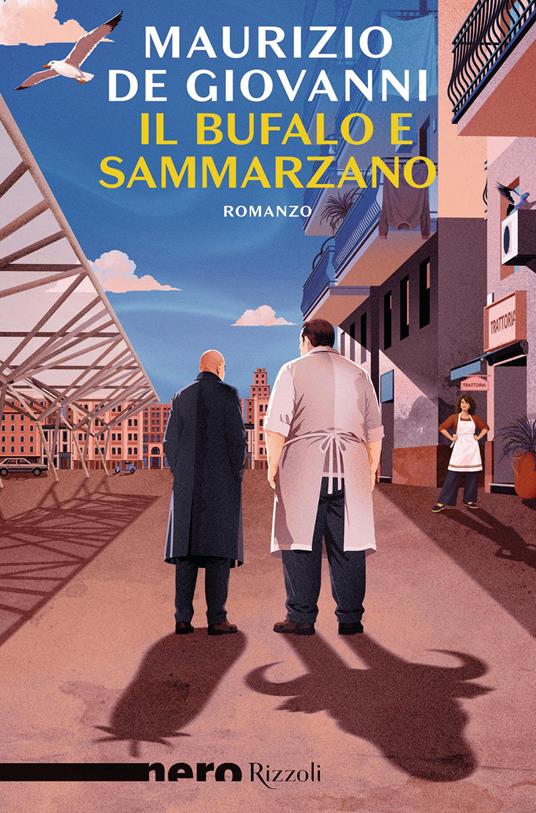
In autumn 2026, Maurizio de Giovanni delivers to readers a new investigative duo. Claudio Bistrotti, a commissioner nicknamed by Neapolitan colleagues as “Sammarzano” for his bald head, leaves his post in his native city of Milan to move to the Napoli Railway Police and flee two women who are on his heels. Antonio Lorusso, nicknamed “the Buffalo,” is the communist cook at a neighborhood eatery, known for serving only those who prove they belong to the working class. When the street artist Ciociò disappears, the two begin to dig into the station’s secrets to uncover what really happened… The Buffalo and Sammarzano is the latest title by the Campanian writer, in libraries with Rizzoli.
