
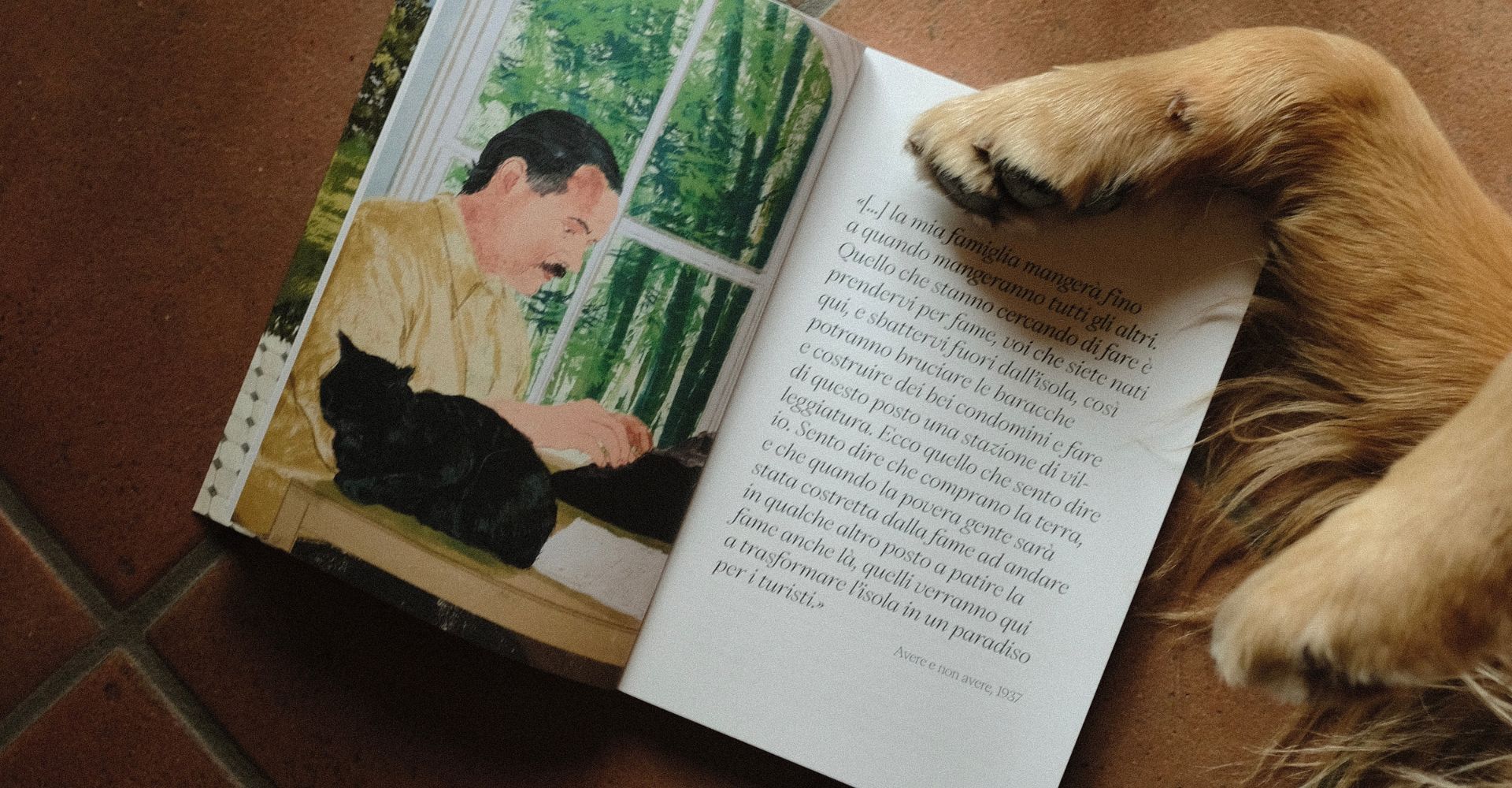
There is Flush by Virginia Woolf and the Argo from Ulysses; there are White Fang and Snoopy; there is the Buck from Jack London and there is Toto from the Wizard of Oz.
The dogs in the history of literature seem more ubiquitous than any other literary topos. Often told as best friends, always held up as models of an honest existence, masters of living on the same frequencies as the world.
READ ALSO – Books that tell the friendship between dogs and humans
For a year and a half I have had a dog too: her name is Amanda Lear — proudly christened by me — she is six years old (if her previous family didn’t lie) and she is a Golden Retriever. I adopted her as an adult, after her first four years spent working as a brood bitch in a family kennel.
Watching her live, grow, overcome her fears, interact with other animals is, indeed, the most effective life lesson I could choose for myself. Today I understand Virginia Woolf, Jack London, and company. The fine company I thought to gather into a reading list of dog-themed recommendations, to approach — given the premises — not so much as books about animals, but rather as books about personal growth.
Kerstin Ekman, A Story of a Dog

Kerstin Ekman, Swedish, is regarded as one of the most important authors in Northern Europe. In 2022 her book Being a Wolf (Iperborea, translation by Carmen Giorgetti Cima) told a story about the relationship between humans and nature, with a hint of mystery. This year Ekman returns with the adventure of a dog lost in the forest of the North. A Story of a Dog (Iperborea, translated by Sara Culeddu) is an adventure of survival and friendship, featuring a puppy who, during a snowstorm, gets separated from its mother and the hunter. “Thus begins the story of the ‘gray one,’ who must survive in the harsh environment of the Far North, learn about the world and understand what can be eaten and what should be avoided, where food is easily found and where one must fight.” Tell me, even this time, the dog is not magister vitae.
Jorge De Cascante (a cura di), Il Grande Libro dei Cani
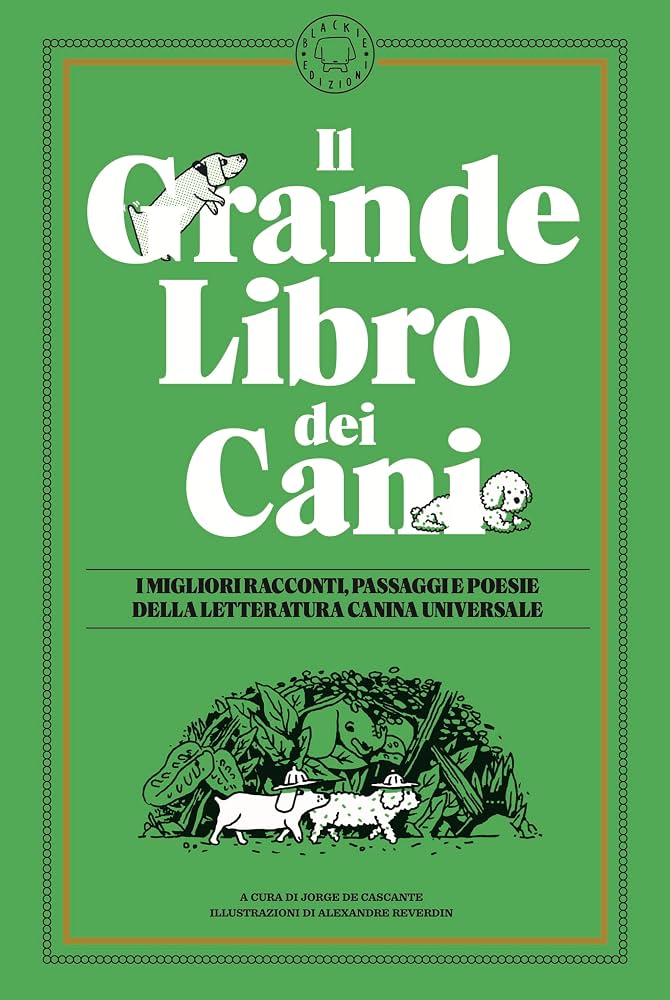
There is a book that, perhaps more than any other, is capable of taking a photograph of the state of dog-themed literature. It is titled The Great Book of Dogs, curated by Jorge De Cascante in its original edition and by Sabrina Bottari in the Italian edition, illustrated by Alexandre Reverdin and published by Blackie Edizioni. The Great Book of Dogs is an anthology that collects the finest stories, essays, poems, lyrics, and excerpts from novels about dogs. In this compendium of Universal Canine Literature you will find Virginia Woolf, Miguel de Cervantes, Mark Twain, Anton Chekhov, Emily Brontë, Franz Kafka and many others.
Alice Hoffmann, Il miglior cane del mondo
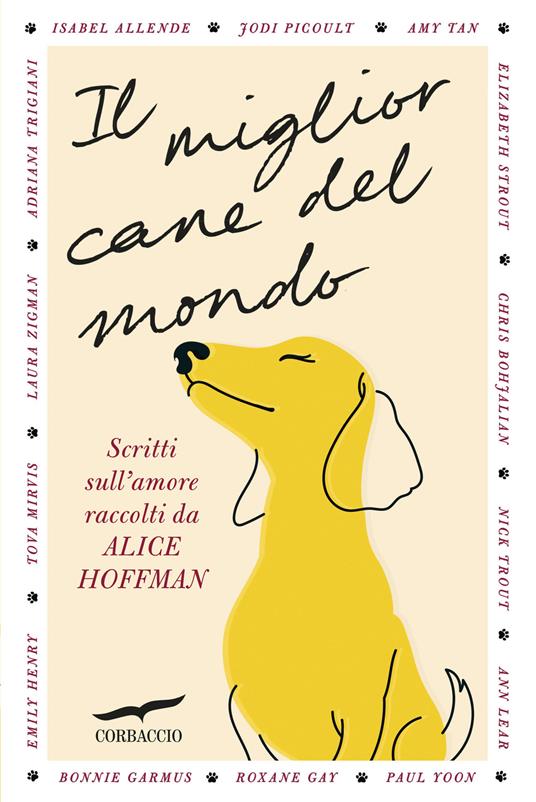
With The Best Dog in the World by Alice Hoffmann (Corbaccio, translated by Lucia Corradini) we face another anthology dedicated to “true, tender, ironic and moving stories, written by some of the world’s leading contemporary authors,” and that tell of the extraordinary love between humans and animals. Dog stories are never enough.
Jackie Short, When Your Dog Grows Old You Will Love Him Even More
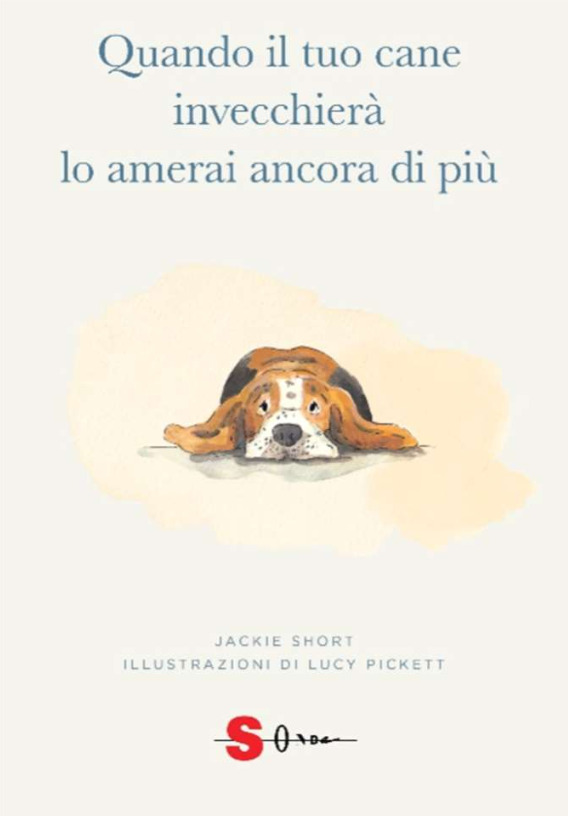
What it means for a dog to grow old is a thought that, anyone living with a dog, carefully avoids. With simple and poetic language, When Your Dog Grows Old You Will Love Him Even More (Sonda) — written by Jackie Short and illustrated by Lucy Pickett — “tells the most delicate and profound moment of friendship with a dog: the moment when it is up to us to slow down, to wait, and to take care of the one who has stayed by us for a lifetime.” A picture book that is not only about sadness, but that celebrates gratitude and the care of a unique bond.
Virginia Woolf, Flush – A Biography
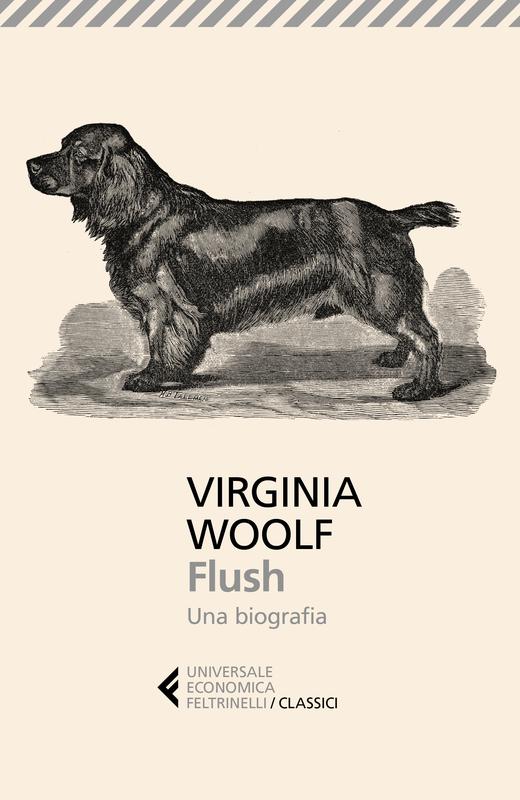
In many of the dog anthologies, Flush by Virginia Woolf (Feltrinelli, translated by Iolanda Plescia) appears. It is about a purebred cocker spaniel, “coat brown leaning toward gold, a fluffy tail, no stray tuft out of place.” At the start of the summer of 1842, Flush is a puppy who arrives in central London to be given to one of the greatest English poets, the brilliant and unfortunate Elizabeth Barrett. This is how the biography of one of the most famous dogs in world literature begins. Woolf reconstructs Flush’s life through Elizabeth Barrett’s letters, telling, through the dog’s life, not only the relationship between the two, but also Victorian society and human nature in general, seen through the eyes of a dog.
AA. VV., Cani a Londra
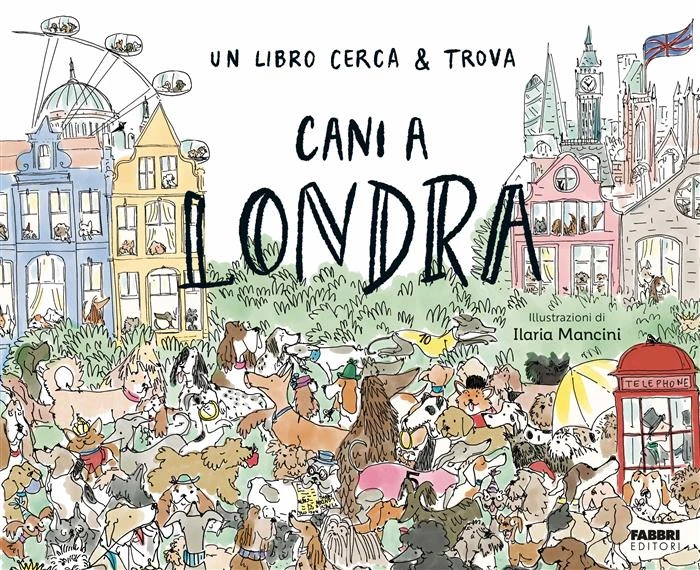
Speaking of British dogs, here is a seek-and-find book set right in London. The illustrations by Ilaria Mancini and the texts by various authors hide clues to discover the city and its curiosities. For lovers of animal-themed treasure hunts, there is also Cats in Paris.
Michele Serra, Osso – Anche i cani sognano
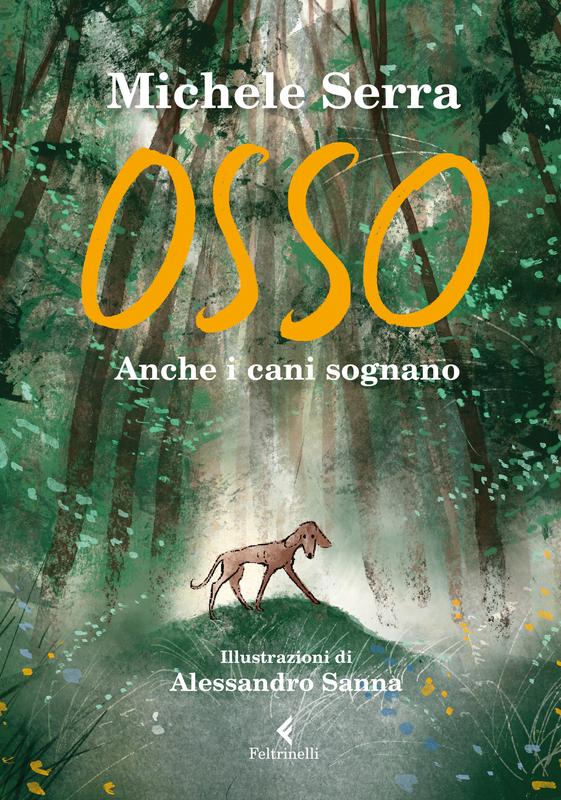
“You have certainly caressed a dog in your life. Before you, countless times the hand of a human being has rested on a dog. It seems the most banal of gestures. It is not. If you have the patience to read this story, I will try to explain why.” This alone should convince us to begin reading Bone by Michele Serra (Feltrinelli), possibly in the illustrated edition by Alessandro Sanna. This is the story of the relationship between human and dog, a relationship born when the first humans hunted and lived in huts and dogs were still wolves.
Paul Auster, Timbuctù
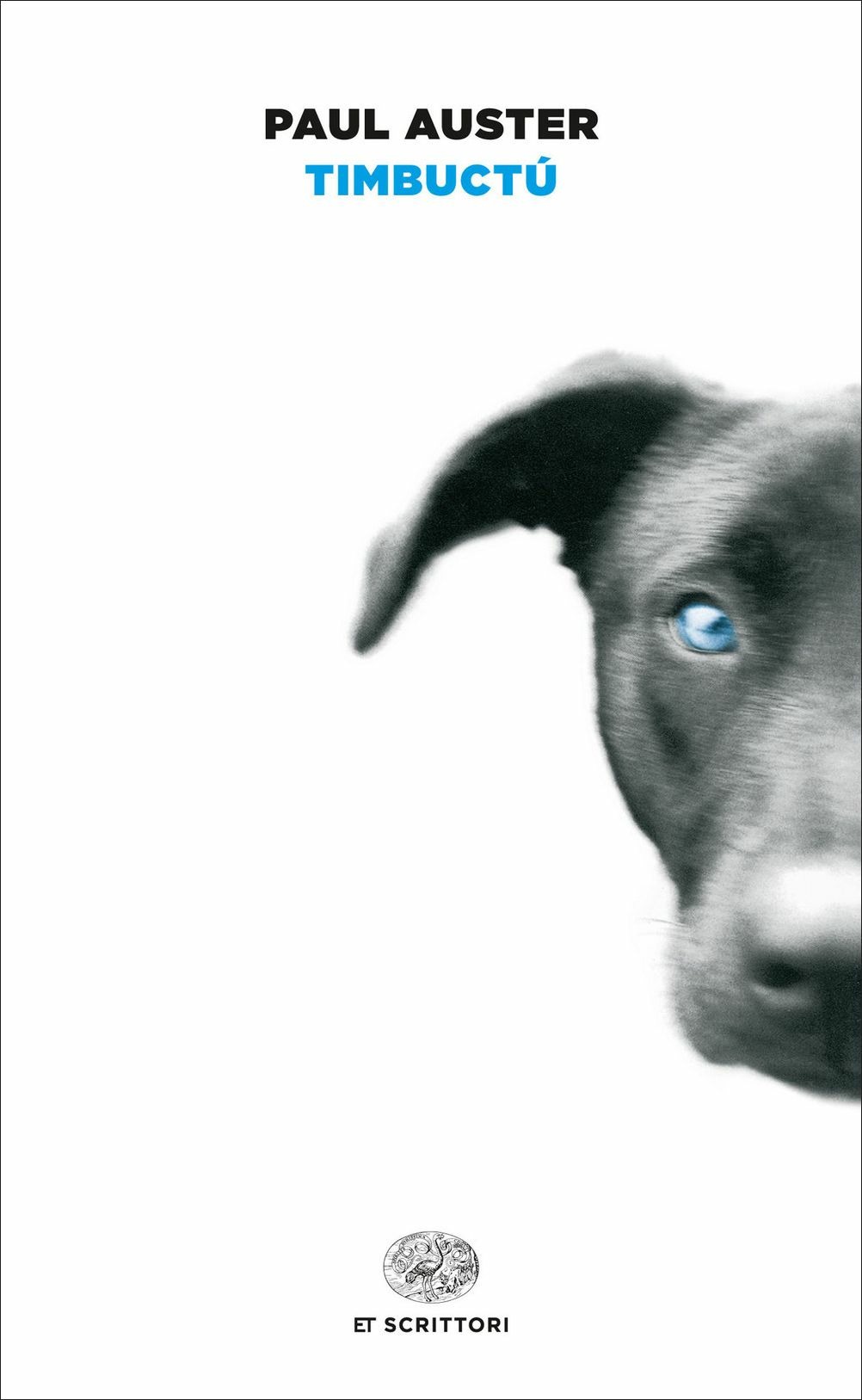
In Timbuctù (Einaudi, translation by Massimo Bocchiola), Paul Auster – a life master at least as much as dogs are – entrusts the narration of the world to Mr. Bones, a dog who has learned to know humans through their contradictions, their promises and their sudden disappearances. His companion is Willy G. Christmas, a homeless poet who taught him to interpret reality and to imagine a mysterious place, Timbuktu, where perhaps there is a chance of salvation. When fate separates them, Mr. Bones finds himself seeking a new home, traversing a world where generosity coexists with indifference and where affection can, in an instant, become abandonment. Published in 1999, Timbuktu is not only a dog story: it is a reflection on loneliness, the precariousness of existence and the deeply human need to believe that somewhere there is a place to belong.
François Schuiten, Jim
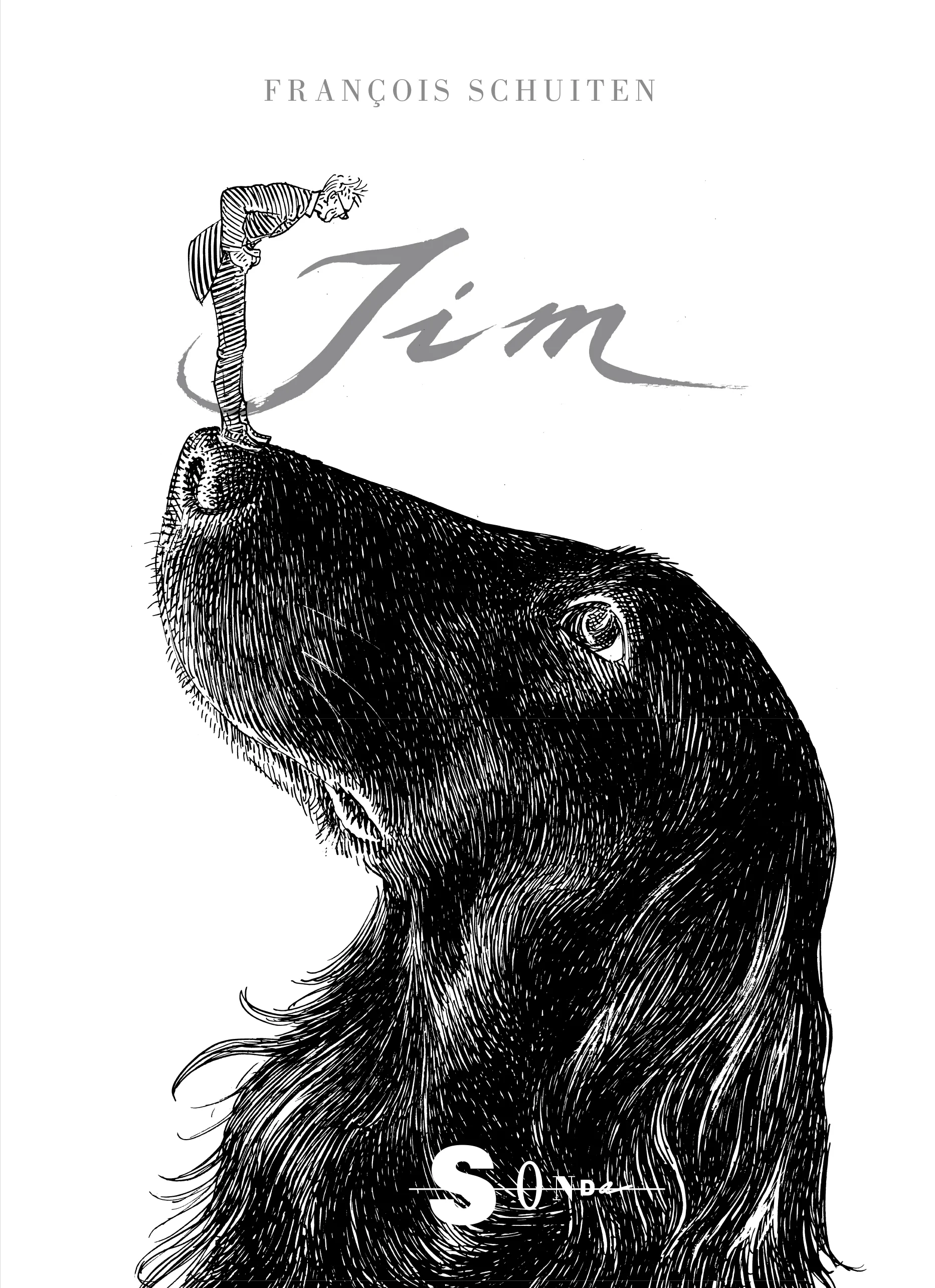
There are friendships that change the way we view the world, and they do not always need words to tell themselves. In Jim – The Story of a Great Friendship (Sonda, translation by Paola Costanzo), François Schuiten writes and draws a story where the bond between a human and a dog becomes the starting point for questioning trust, presence, and that form of affection capable of going beyond differences. Jim is a invitation to pause on the beauty of the ties we build with other animals and on the irreplaceable place they can occupy in our lives.
Luis Sepúlveda, Storia di un cane che insegnò a un bambino la fedeltà
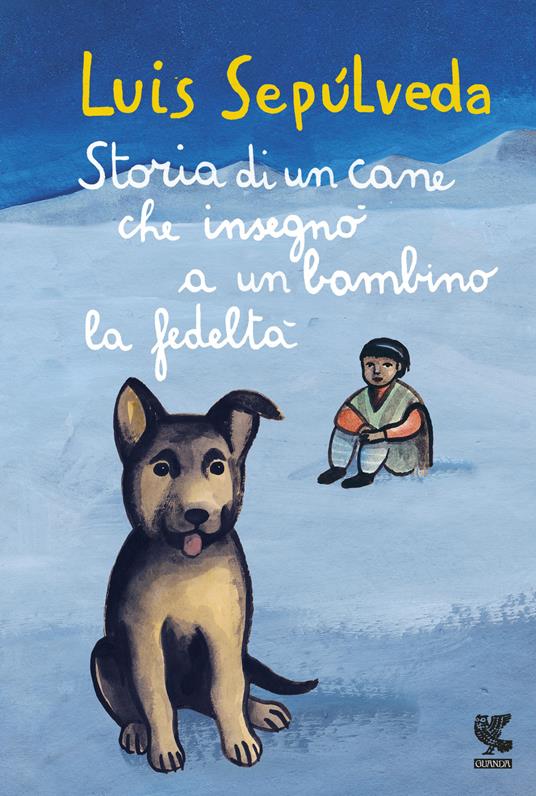
Aufman is a wolfdog; Aukamañ is a Mapuche child who grows up with Aufman as if he were a brother. Their life, initially immersed in a world where humans live in harmony with nature, is disrupted by the arrival of white men, who separate the dog from his family and force him to live on a leash. Years later, Aufman finds himself chasing a mysterious fugitive beyond the river: a mission that reopen the wounds of the past and leads him toward an encounter in which memory, belonging, and destiny intertwine. As is often the case in Sepúlveda’s stories, in Storia di un cane che insegnò a un bambino la fedeltà (Guanda, translated by Ilide Carmignani) the fable becomes a tool to talk about issues far from fairy tales: colonialism, violence inflicted on humans and animals, the relationship with the land and respect for other forms of life. Through the gaze of a dog who does not forget his origins, the Chilean writer questions the idea that loyalty is a trait exclusively in animals and returns it to its deepest dimension: the capacity not to betray bonds, even when everything seems to push us to forget them.
Sandra Petrignani, Autobiografia dei miei cani
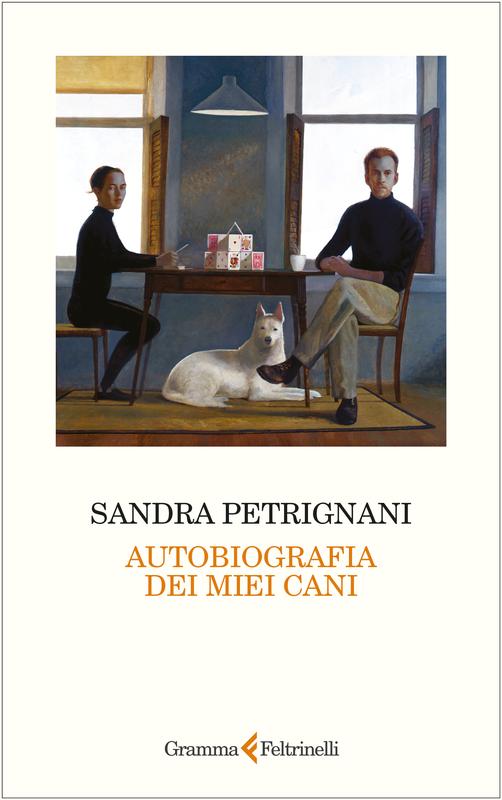
E se per raccontare la propria vita si partisse non dagli amori, dai viaggi o dalle scelte che l’hanno cambiata, ma dai cani che l’hanno attraversata? In Autobiografia dei miei cani (Feltrinelli) Sandra Petrignani sceglie una prospettiva insolita e tenera per ripercorrere la sua esistenza: gli animali che l’hanno accompagnata diventano testimoni silenziosi dell’infanzia, della giovinezza e della maturità, presenze capaci di custodire la memoria di incontri, matrimoni, separazioni, lutti e felicità. Attraverso le loro storie, riaffiorano persone e stagioni della vita, insieme a tutto ciò che spesso soltanto a posteriori riusciamo a riconoscere come essenziale.
Alberto Rollo, Billy il cane
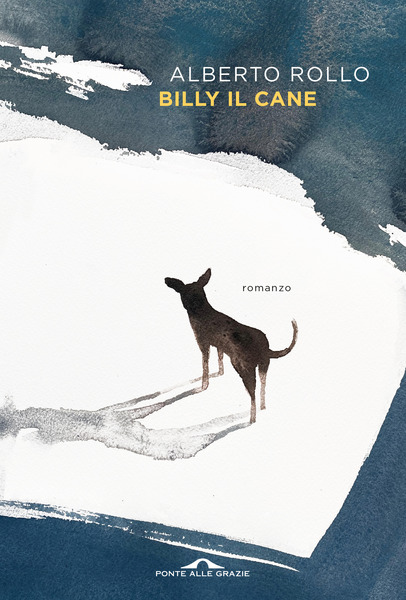
Billy knows his time is running out. As he slips away unseen among the trees and fields of the Tuscan countryside, he recalls his life: a difficult childhood on the streets, the meeting with three somewhat eccentric humans who welcome him into their home, the adventures, the brawls, the loves and that indomitable anger that never left him. In Billy the Dog (Ponte alle Grazie) Alberto Rollo entrusts the canine with the voice, letting a dog tell its own story and, at the same time, offer a new perspective on the humans with whom he shared fifteen years of life. Billy is a domestic animal that has never stopped belonging to the wild nature, capable of loving his guardians without sacrificing his irrepressible freedom.
José Luis Munuera, His Scent After the Rain
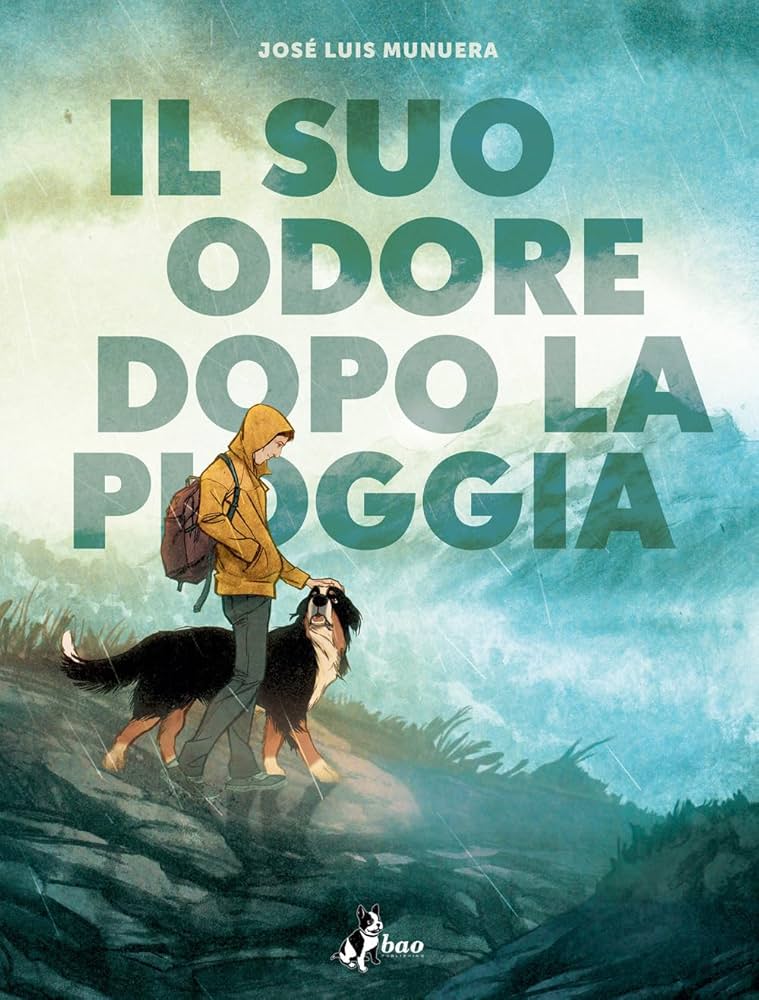
There are loves that one can recognize even with closed eyes, through a familiar sound, the weight of a body beside ours, a scent that remains imprinted in memory. In His Scent After the Rain (Bao Publishing, translated by Francesco Savino) – a title that breaks my heart just to read it – José Luis Munuera adapts a memoir by Cédric Sapin-Defour (successfully published in Italy by Salani, ndr), telling the ten years he spent beside Ubac, a Bernese Mountain Dog who entered his life when he was a young precarious and idealistic teacher.
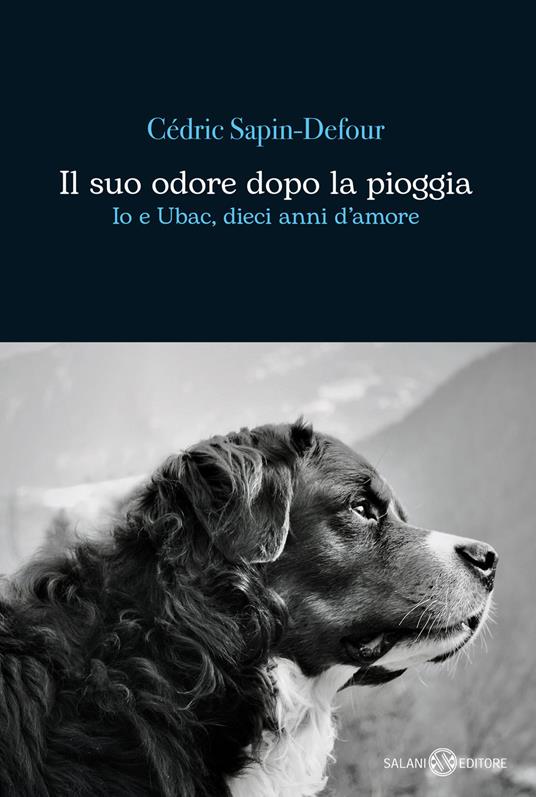
From the waiting for the puppy to their first meeting, from mountain excursions to small daily habits, the book follows the birth and growth of a bond destined to change how Cédric views himself, nature, and the world. The drawings by Munuera convey the full force of this silent relationship, made of minimal gestures, shared understanding, and a proximity that needs no words.
