
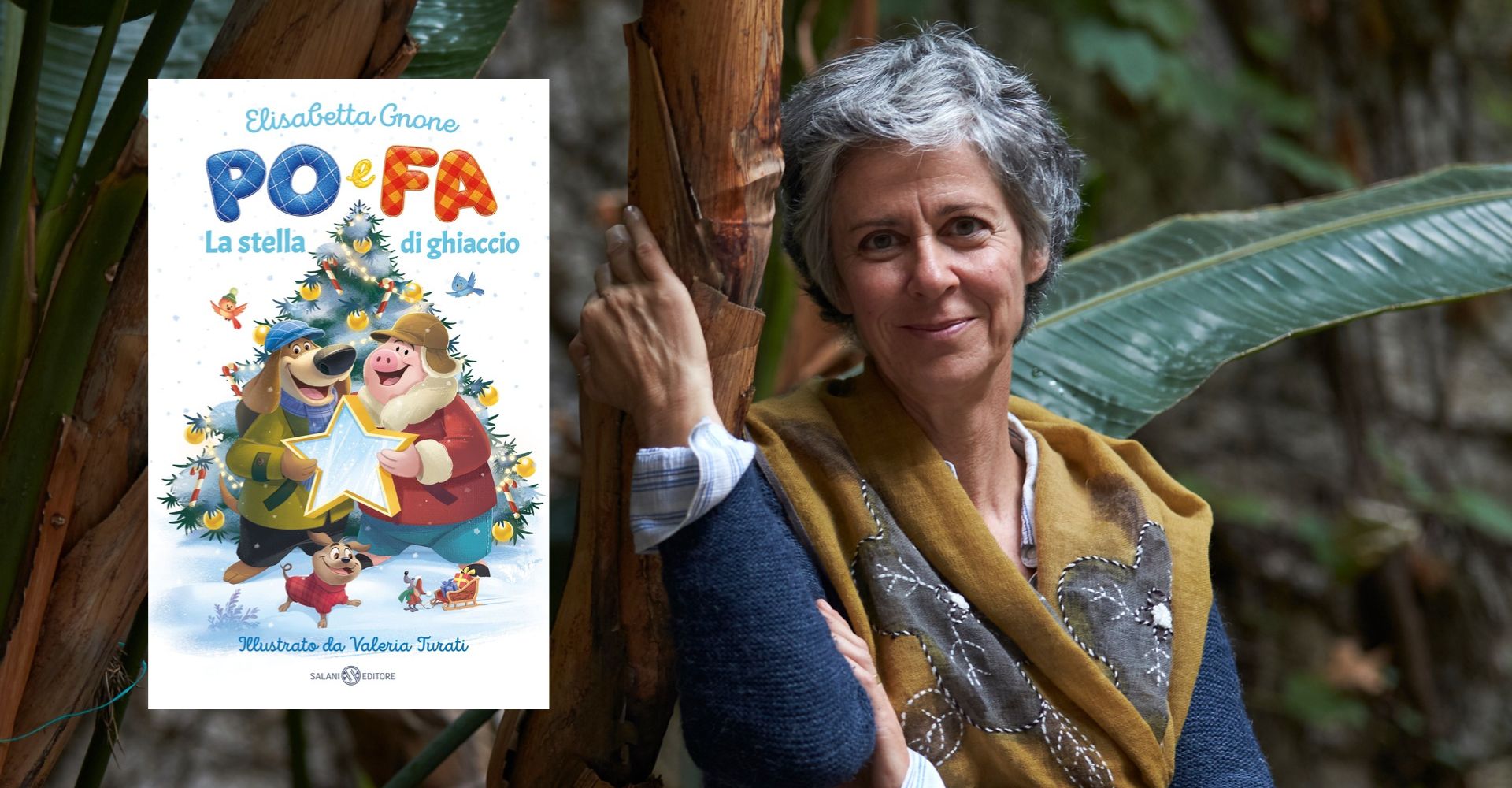
“Let’s see how it’s done”: this is the magic phrase Elisabetta Gnone would like to convey to readers with her new book, Po and Fa – The Ice Star, published by Salani.
Born in Genoa, the writer (here are her articles for our site) has previously worked at The Walt Disney Company (she served as editor-in-chief of women’s and preschool magazines and also conceived the comic series W.I.T.C.H.). From her pen have emerged sagas for girls and boys that have enjoyed international acclaim, such as the Fairy Oak series and Olga di carta.
With this new book Gnone turns to younger readers, and she does so through a rhyming story, illustrated by Valeria Turati. In this tale, what at first might appear to be a very big mess becomes an opportunity to reflect together on how even the biggest problems can be solved: in this case, the wind knocked down the Star of the Great Christmas Tree and shattered it into a thousand pieces. The two friends, Po and Fa, will find a solution, as simple as it is ingenious…

Elisabetta Gnone, in che modo si approccia alla scrittura per bambine e bambini?
“The first thing you need is respect. You must approach with great respect, aiming to deliver the best possible content, both from a writing standpoint and in terms of topics. This feeling must be perceived by the reader, so that the youngest readers can grow accustomed to respect and, hopefully, learn to apply it themselves.”
Po e Fa
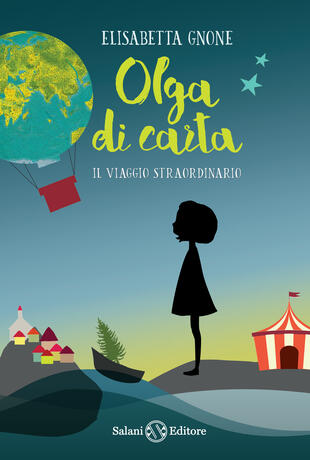
Olga di carta 1. Il viaggio straordinario
Olga di carta 2. Jum fatto di buio
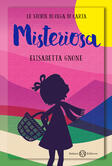
Le storie di Olga di carta – Misteriosa
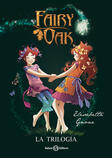
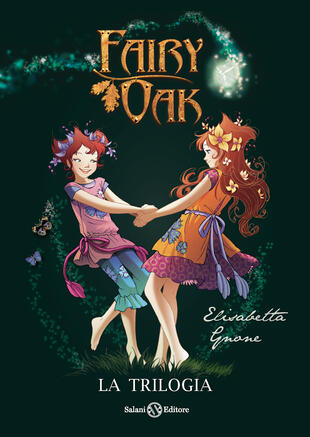
Fairy Oak – La Trilogia
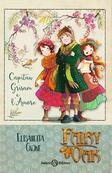
Fairy Oak – Capitan Grisam e l’amore (vol. 4)
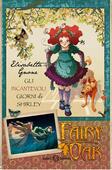
Fairy Oak – Gli incantevoli giorni di Shirley (vol.5)
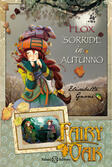
Fairy Oak- Flox sorride in autunno (vol. 6)
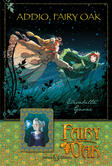
Fairy Oak – Addio, Fairy Oak (vol. 7)
E per quanto riguarda gli adolescenti?
“For them too, at the core of everything there must be respect: that is what they need most at this moment. To be listened to and respected in their essence as girls and boys who are opening their eyes to the world and, for this reason, a little frightened. Because it’s hard to know if there is a place for you when you’re that age: everything feels new, the complexities of society frighten you and you don’t always understand them. Therefore, we must make them feel seen and heard.”
Con Po e Fa – The Ice Star, in particular, looks to the youngest readers. Was the writing process different from her previous books?
“Yes, it was very different and much more difficult, because you forget, as you grow up, how you perceive the world. When you are so small you have a beautiful and astonishing perspective, which unfortunately is left behind when you grow. For this reason it is quite challenging to grab the attention of girls and boys. So I worked hoping to create a story that would be appreciated and understandable by both them and their parents. To the latter, in fact, I wanted to give a tool that can help manage the small frustrations and the anger that one feels as a child when facing an obstacle that cannot be overcome yet.”
Nei suoi libri i nomi hanno sempre un certo peso all’interno della storia, dai nomi lunghi delle fate di Fairy Oak, fino ad arrivare ai nostri due nuovi protagonisti, il signor Po e il signor Fa. Quanto è importante la scelta dei nomi nelle sue storie?
“Molto, e in questo caso sono proprio protagonisti. Infatti, le parole ‘vediamo un po’ come si fa’ hanno un grande potere: sono semplicissime e sono una chiave che apre tutte le porte, apre la via alla soluzione. Se ci sentissimo dire questa frase o ce la ripetessimo noi, ogni volta che siamo davanti a un ostacolo, invece di sentirci dire ‘non si può, è troppo difficile, non è possibile, è troppo tardi’, se ci sentissimo dire ‘vediamo un po’ come si fa’, il nostro stato d’animo migliorerebbe. Dovrebbe essere un mantra da ripeterci, per noi, ma anche, e soprattutto, per bambine e bambini. Nel libro ho dato l’immenso potere di queste piccole parole ai due personaggi principali.”
Un potere che nasce quando ci sono dei “guai” da risolvere…
“Exactly. I needed a ‘mishap’ that, in this case, happens at Christmas, because the idea at the base was to present, precisely, a problem, and then find a solution. So began the first of what will become a series of stories in which mischiefs to be resolved are presented—even by girls and boys: you just have to think about it a little, and suddenly the mind, instead of freezing, opens up to the solution. Solutions that are always connected to the laws of nature and applicable even to the youngest readers.”
In this case, for instance, it concerns the laws of water that becomes ice.
“After all, ice lends itself to becoming a star, and that sparked the Christmas inspiration!”
Tutto il libro è scritto in rima…
“Initially I hadn’t planned for rhymes at all; it was meant to be a prose story. Then, by chance, as often happens in writing, I stumbled upon a rhyme. Usually you correct it if it’s inside prose. But in this case, before changing it, I paused and said to myself: ‘wait a moment, it sounds much more fun in rhyme.’ And indeed I discovered the warm truth….”
Cioè?
“The rhythm of rhymes is very appealing to children, and to everyone really! A rhymed, musical story that sings and reproduces a sound not only brings joy but also helps with memory, with listening more attentively. And more: rhyme also aids in shaping language, learning to express oneself, and it fuels imagination and creativity.”
I suoi libri hanno sempre una forte componente visiva e, anche in questo caso, le rime sono accompagnate dalle illustrazioni di Valeria Turati. Come funziona il processo?
“Quando scrivo ho già in mente il mondo che sto creando e quindi non posso fare a meno di descriverlo anche a chi dovrà illustrarlo: io descrivo quello che secondo me dovrebbe esserci, immagino proprio l’impostazione della tavola. Faccio quindi un brief per ogni pagina, che passo all’artista con cui lavoro, e poi piano piano affiniamo insieme le illustrazioni, aggiungiamo dettagli, modifichiamo qualcosa, rifiniamo, fino a quando non arriviamo alla soluzione che ci soddisfa”.
Per concludere, quali sono stati i suoi modelli letterari, da bambina? Quale libro le ha acceso l’immaginazione?
“Sono sempre stata una grande appassionata di fumetti o, ancora meglio, di strisce americane, come i Peanuts, Calvin & Hobbes e Hi e Lois. Ed è proprio da queste che ho imparato la gestione dei dialoghi e la regia”.
Come mai?
“Perché le strisce americane hanno il potere di presentarti e di farti entrare in un’epoca e in una situazione con pochissime immagini. Il primo libro che ho amato – ero già una ragazzina preadolescente – è stato La collina dei conigli di Richard Adams. Un libro le cui descrizioni sono così efficaci da trasformare una ragazzina in un coniglio: sentivo l’erba fresca sotto le zampe, l’aria pesante dei cunicoli… Da lì spero di aver imparato a descrivere gli ambienti e le situazioni, in modo di permettere a chi legge di sentire quello che sentono i protagonisti della storia”.
