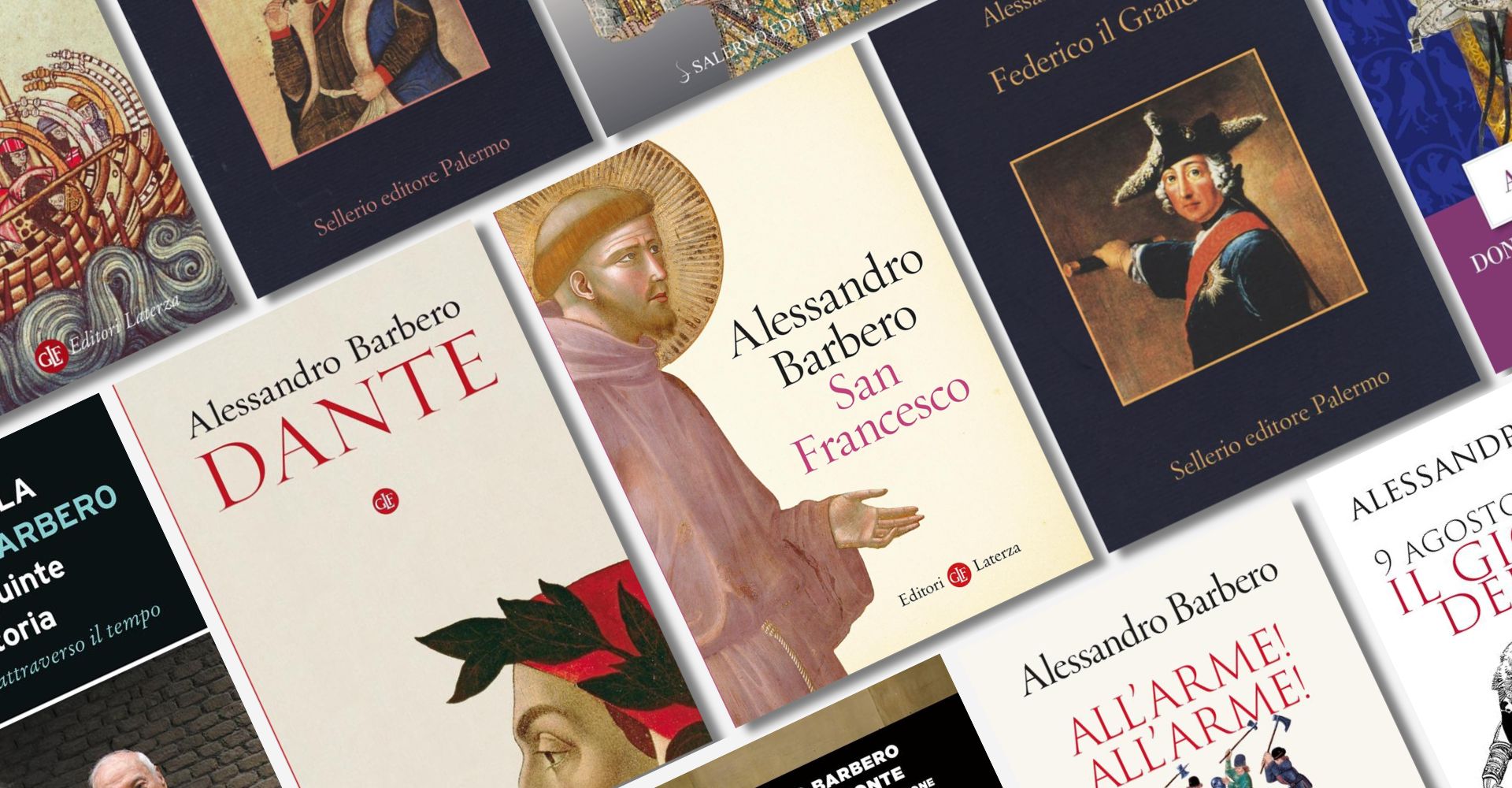
When we speak of Alessandro Barbero, we speak of one of those rare intellectuals capable of marrying academic rigor with the art of storytelling, one of the educators (and authors) most loved in Italy for several years now.
Born in Turin on April 30, 1959, Barbero has established himself as one of the most authoritative contemporary Italian historians, with a penchant for the Medieval period and an indefatigable curiosity that has led him to explore, over time, every facet of European military and political history.
The Academic Formation of Alessandro Barbero
Trained between the University of Turin and the Scuola Normale Superiore di Pisa, Alessandro Barbero has managed to transform his passion for sources and philology into a direct dialogue with the general public. His academic career has, from the outset, intertwined with a divulgative vocation that has made him a familiar figure not only in university settings but also in the homes of millions of Italians.
His is a signature voice: precise, often ironic but never banal. A voice that has traversed television programs such as Superquark, Past and Present and A.C.D.C. on Rai Storia, but that has also found new energy in the digital world. His conferences, recorded and shared online in the form of podcasts, have made him a cultural phenomenon, pushing a new generation to become passionate about history, without ever oversimplifying it.
The “Barbero Mania”
This popularity has given rise to a real “Barbero-mania“: for example, as reported by Corriere della Sera, at the Turin Book Fair his thesis was on sale—the historian’s first official text—offered by a bookstore specializing in ancient and rare books. His presence at the event drew crowds, filling seats and creating queues that stretched for tens of meters, confirming him as one of the undisputed stars of Italy’s contemporary cultural scene.
All of Alessandro Barbero’s Books, Winner of the Strega Prize in 1996
A prolific author, he has written biographies, essays, and novels, and he won the Strega Prize in 1996 with Bella vita e guerre altrui di Mr. Pyle, gentiluomo, and has penned texts that became touchstones. Alongside the Middle Ages, Alessandro Barbero has told with rigor and passion also the Risorgimento, the Napoleonic era, the world wars, up to Dante, to whom he dedicated a book in 2020, on the seventh centenary of the poet’s death.
A multifaceted personality that has managed to fuse two worlds: the strict world of academic historiography and the warm, direct world of oral storytelling.
In 2024 he left the university chair, but not his cultural mission, continuing to travel—from archives, podcasts, festivals and broadcasts—like a true storyteller. In this profile, we retrace his bibliographic itinerary (divided between novels and essays, in chronological order, handling catalogued works): from scientific publications to works of fiction, from divulgative essays to the latest experiments in TV and podcasts, up to the last book due out in October, a graphic novel dedicated to Garibaldi.
A journey through battles, emperors, cities and ideas, always guided by the voice of a historian who has turned knowledge into shared passion.

The Novels of Alessandro Barbero
Bella vita e guerre altrui di Mr. Pyle, gentiluomo
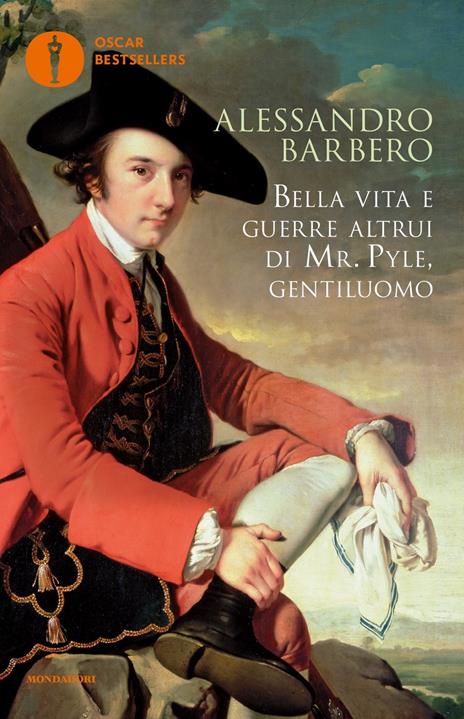
Winner of the 1996 Strega Prize, translated into seven languages, Bella vita e guerre altrui di Mr. Pyle, gentiluomo, (Mondadori, 1995) tells the story of the United States sending Mr. Pyle to Europe with an unusual task: to understand something of the chaotic political reality of the Old Continent. From Amsterdam to Frederick William of Prussia, his diary becomes the tale of a rocambolesque and fascinating journey, written among tavern tables, princes’ palaces, dusty roads and battlefields. An adventure that leads him to meet figures such as Goethe and Fichte, but also soldiers, peasants, prostitutes, and a lively and surprising humanity. A novel capable of weaving the great European history with irony and a taste for storytelling, through the curious and carefree gaze of an American gentleman catapulted into the heart of Napoleonic Europe.
Romanzo russo
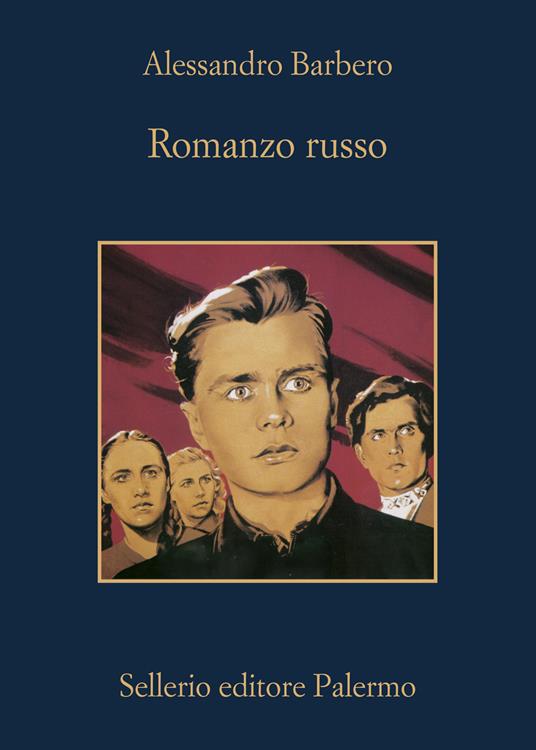
Among Barbero’s early books we also find Romanzo russo (Mondadori, 1998, recently reissued by Sellerio), a gripping weave that fuses thriller-like suspense with the evocative power of the great Russian novel, seasoned by the historian’s sharp irony, capable of captivating and dragging the reader into a crucial era. Who recalls today the Russia of Gorbachev, when glasnost opened secret archives and gave voice to dissent that had remained buried for decades? In that nation still part of the Soviet Union, poised between naive hopes and grim portents, move three protagonists: Tanja, a young historian pursuing a thesis on a topic barely previously allowed; the judge Nazar, investigating brutal crimes while trying not to lose his humanity; and the actor Mark, obsessed with a novel he is writing about the massacre of Jews in Odessa. Three seemingly separate stories that converge in a web of intrigue, revealing long-buried secrets and hinting at clouds on the horizon…
Poeta al comando
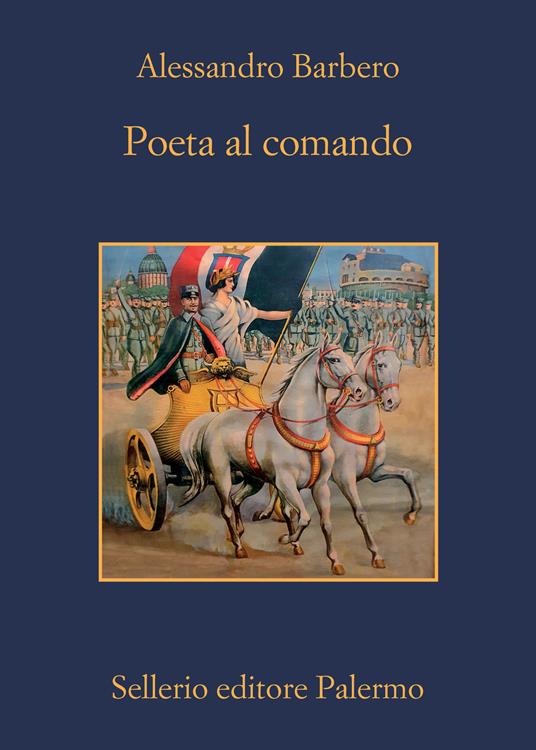
Poeta al comando (Mondadori, 2003; later Sellerio, 2022) tells the incredible feat of Gabriele D’Annunzio at Fiume, when, in September 1919, at the head of a handful of stormtroopers, he occupies the city to pursue his dream of glory. Barbero, with his unmistakable ability to turn history into a gripping narrative, paints a D’Annunzio both bold and melancholic, seen through the ironic and empathetic gaze of Tom Antongini, friend and secretary of the Poet. Between aesthetic ambitions, political maneuvers and surprising contradictions—from the libertarian constitution of the Regency of Carnaro to relations with socialists and Bolsheviks—Barbero portrays a surprising and human D’Annunzio, a decadent hero capable of inspiring admiration and unease.
Gli occhi di Venezia
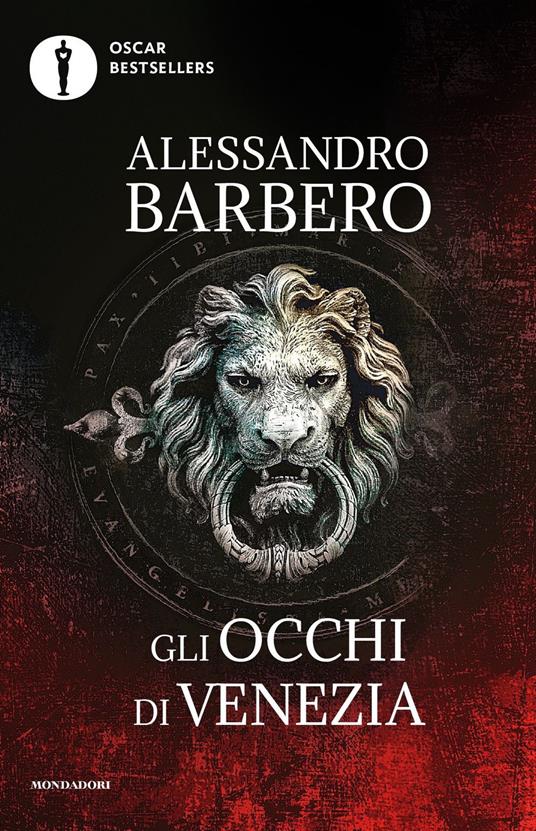
Winner of the Alessandro Manzoni Prize, Gli occhi di Venezia (Mondadori, 2011) is a historical novel set in late 16th-century Venice: a city splendid and merciless, where even the walls seem to scrutinize and the Holy Office does not hesitate to strike. Michele, a young mason, is forced to flee an unjust accusation by boarding a galley bound for the Mediterranean, starting an adventure that will take him among islands, ports and far-off lands, to the heart of the Ottoman Empire. Meanwhile in Venice, the young wife Bianca, alone and determined, faces extremely hard trials in a cruel and labyrinthine city, where every step can be fatal. Barbero interweaves the stories of two youths forced to grow up, painting a Venice that is alive and menacing, capable of turning from dream to nightmare. An adventure and coming-of-age novel, in which love endures the waves of History.
Le ateniesi
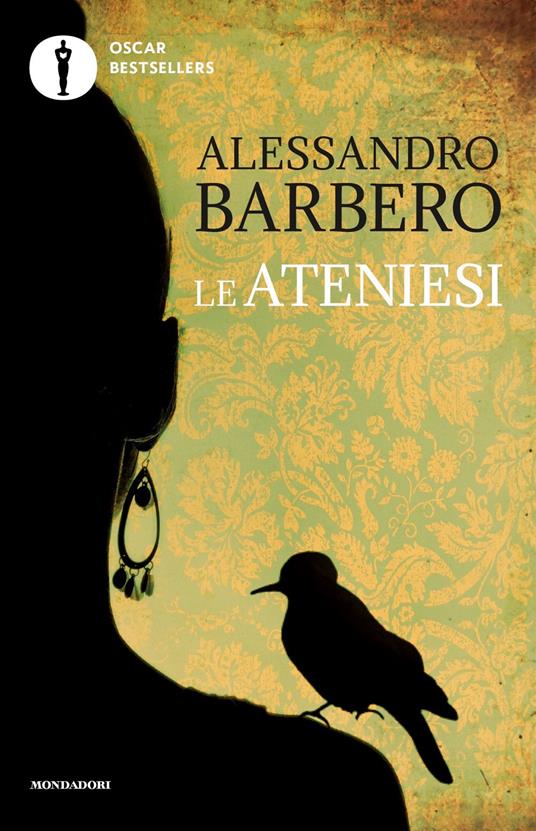
Le ateniesi (Mondadori, 2015) brings readers to Athens in 411 BC, where democracy wobbles under the weight of war and aristocratic intrigues. Trasillo and Polemone, two old veterans, live with their daughters Glicera and Charis on the city’s fringes, obsessed with politics and blind to the desires of the young women, who begin to dream of the young and wealthy Cimone, son of the powerful Eubulus. When the whole city crowds into the theater for the premiere of Aristophanes’ Lisistrata, the girls seize the occasion to challenge the rules of a rigidly patriarchal society, agreeing to enter Cimone’s villa. But on the night when peace is invoked on stage, secret passions threaten to turn into tragedy…
Alabama
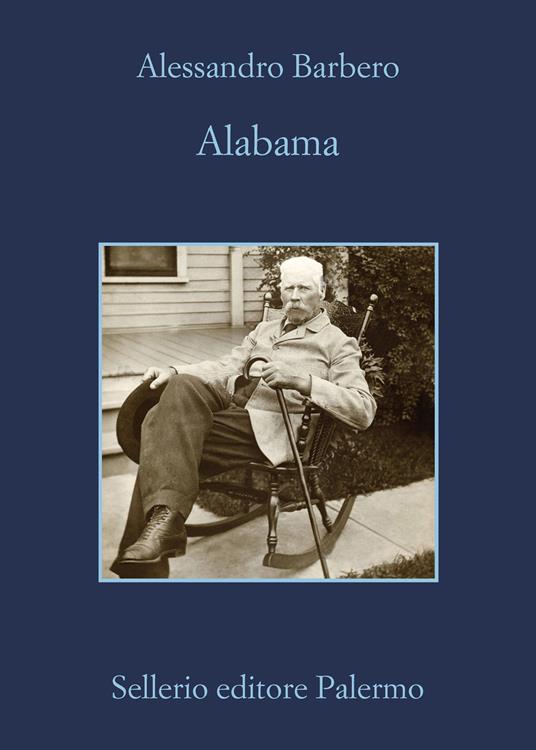
Among Barbero’s later novels is Alabama (Sellerio, 2021), a work that tells a forgotten massacre: the killing of Black people by Southern soldiers during the American Civil War. In a powerful and highly timely book, Alessandro Barbero intertwines history and the voice of Dick Stanton, the sole surviving witness, a Southern soldier who, near death, is persuaded to tell the truth to a young female student. The result is a torrent of a narrative, ironic and ruthless, that probes the dark heart of America: white supremacy, violence, poverty, racism rooted even in institutions. With his vivid prose, the historian turns a nearly unknown episode into a scorching meditation on the contradictions that still divide the United States.
Brick for stone
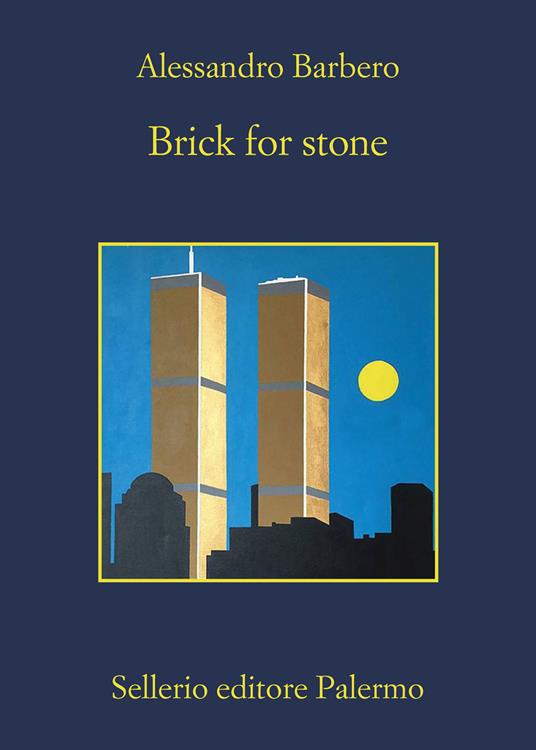
And as for Barbero’s latest work of fiction, Brick for stone (Sellerio, 2023), a novel set in New York in 2001, where Harvey Sonnenfeld, a sidelined CIA agent with infallible intuition, is convinced that an attack is imminent. To thwart it, he assembles an unlikely team: the paranoid Bobby Fischer, a spent Russian engineer expert in explosives, and a brilliant but disgraced professor. While a terrorist cell plots in the shadows, Harvey’s team launches into a desperate race against time. The ending, as we know, is foregone. Yet Barbero builds a tense, surprising tale, steeped in a bitter irony that reflects on our propensity for conspiracies and the unpredictability of History…
Essays by Alessandro Barbero
The Aristocracy in French Medieval Society
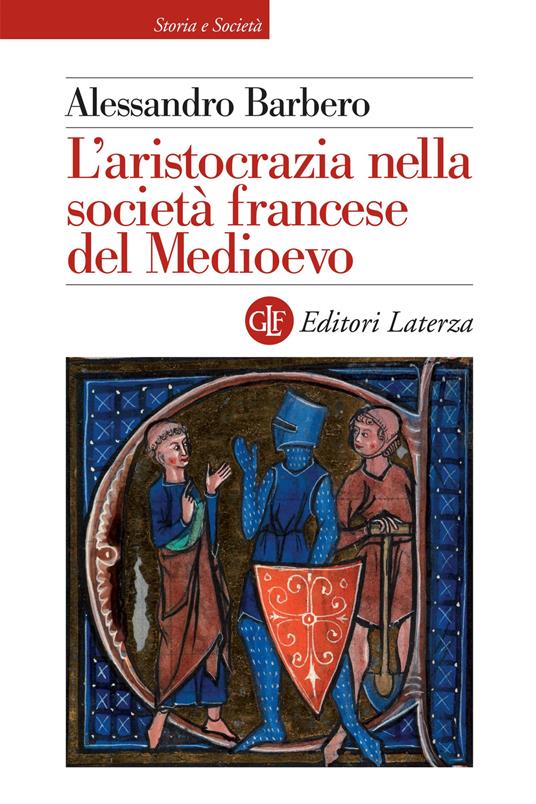

One of the earliest essay works by the historian and popularizer Barbero is The Aristocracy in French Medieval Society (Laterza 2021, reissue of Cappelli’s 1987 edition) which dismantles the idea of a motionless Middle Ages, revealing an era permeated by social conflicts and ongoing tensions. Through an analysis of chronicles and chansons de geste, Barbero illuminates aristocratic rivalries, clashes with the clergy, and class struggles against merchants and peasants, returning a vivid and complex portrait of a society in constant ferment.
Un santo in famiglia
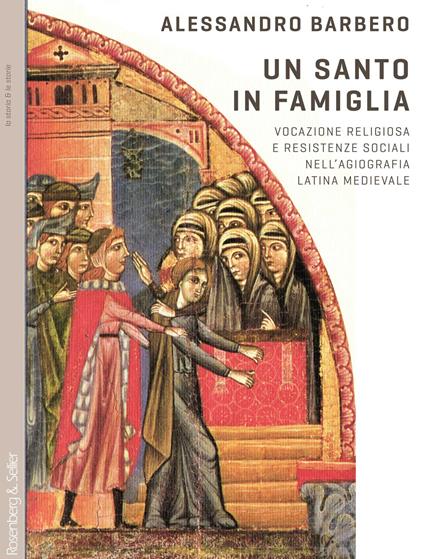
Among Barbero’s non-fiction works is Un santo in famiglia – Vocazione religiosa e resistenze sociali nell’agiografia latina medievale (Rosenberg & Sellier, 1991), a text that explores the complex relationship between divine calling and family constraints in medieval Latin hagiography. Through the analysis of hagiographic texts, Barbero shows how monks and clerics reflected on tensions between family affections and sanctity, revealing how this debate accompanied Europe’s religious and social transformations from the Gregorian era to figures such as Francis of Assisi and Catherine of Siena. A fascinating journey that reveals the transformations known not only to Christian religion but to European society as a whole over the millennia.
Dizionario del Medioevo
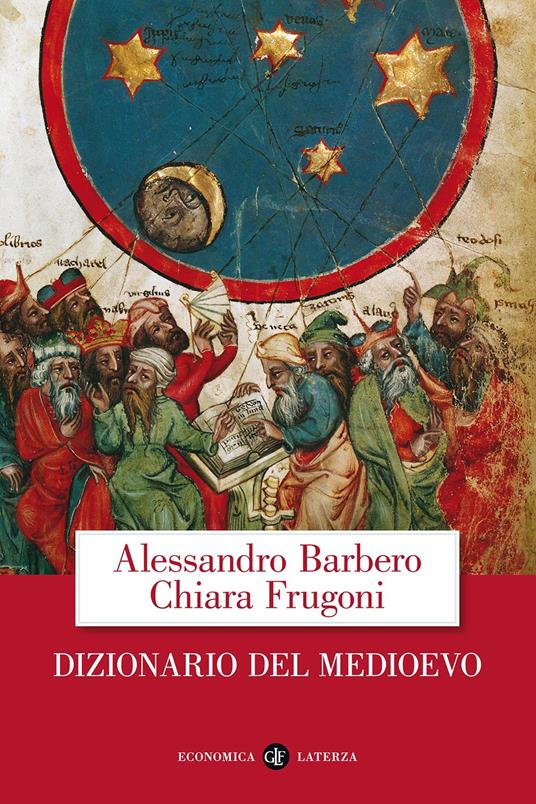
Dizionario del Medioevo, written with Chiara Frugoni (Laterza, 1994), is a scholarly and encyclopedic text that collects in alphabetical order the concepts, the figures and the institutions that marked a crucial epoch of European history. An indispensable reference tool to understand the Middle Ages in all its facets, from major historical moments to the terms we still use today like “abacus” and “vulgate.”
Un’oligarchia urbana
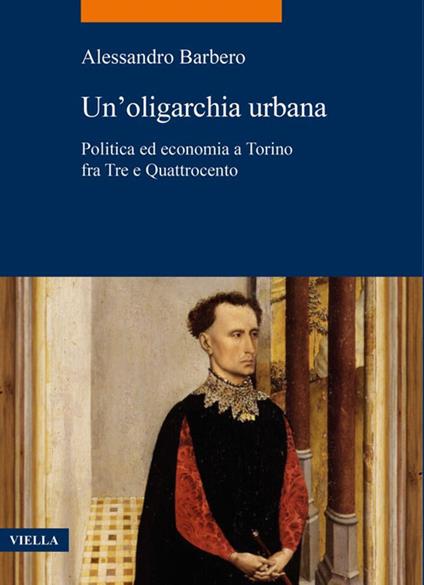
Among Barbero’s major essays is Un’oligarchia urbana – Politica ed economia a Torino fra Tre e Quattrocento (Viella, 1995), which reconstructs the social and political transformations of medieval Turin, struck by wars and recession. In a context marked by demographic decline and economic crisis, Alessandro Barbero analyzes the conflicts between nobility and people, the hegemony of landed classes, and the dynamics of urban power, showing how from fracture a new city patriciate emerged that would endure until the Ancien Régime.
Medioevo – Storia di voci, racconto di immagini
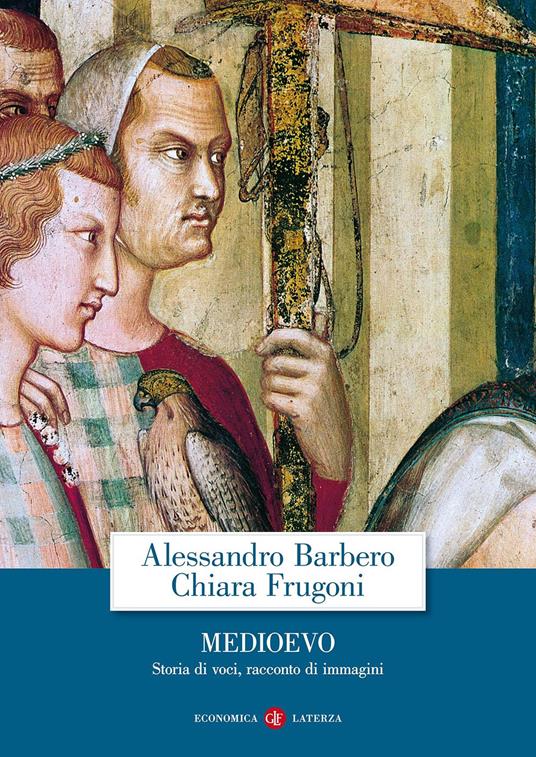
Medioevo – Storia di voci, racconto di immagini, with Chiara Frugoni (Laterza, 1999), proposes an original journey into the Middle Ages through frescoes, sculptures, mosaics and miniatures read as true historical sources. A four-hands book in which words and images intertwine, showing how art tells daily life, ideas and conflicts of a fascinating and complex era.
Carlo Magno – Un padre dell’Europa
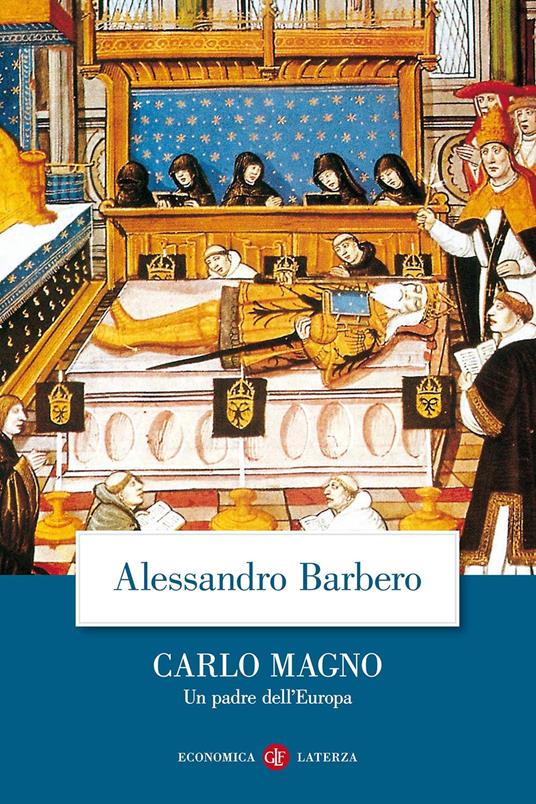
In Carlo Magno – Un padre dell’Europa (Laterza, 2000) Alessandro Barbero delivers the biography of the great Frankish ruler: with historical rigor and engaging prose, the book retraces Charles’s rise to imperial coronation at Christmas of the year 800, restoring his foundational role in shaping European identity. A thorough and essential biography to trace the origins of a continent and the deeds of a man who helped shape history.
Il ducato di Savoia
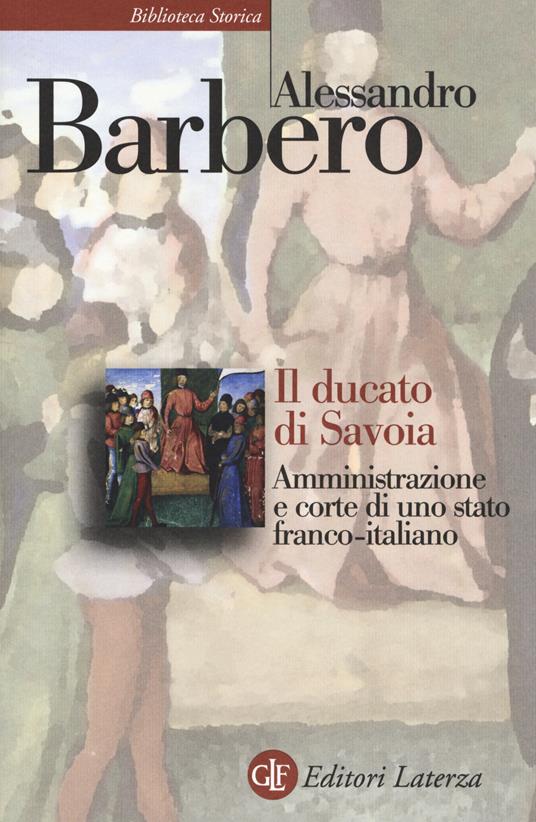
Among Barbero’s historical works is also Il ducato di Savoia (Laterza, 2002), a text that reconstructs the birth and evolution of the Savoy administration between the Middle Ages and the modern era. In a state divided between French and Italian fronts, Barbero identifies a real political laboratory, a forerunner of the administrative unity of modern Italy: a multifaceted, multi-front reality yet to be explored.
La guerra in Europa dal Rinascimento a Napoleone
La guerra in Europa dal Rinascimento a Napoleone (Carocci, 2003) is a broad and well-documented overview of the role of war in Western history. Barbero analyzes in these pages the evolution of armies, weapons and ideologies, from medieval cavalry to Napoleonic mass conscription, showing how the phenomenon of war has been a driver of political, social and cultural transformations in European modernity.
La battaglia – Storia di Waterloo
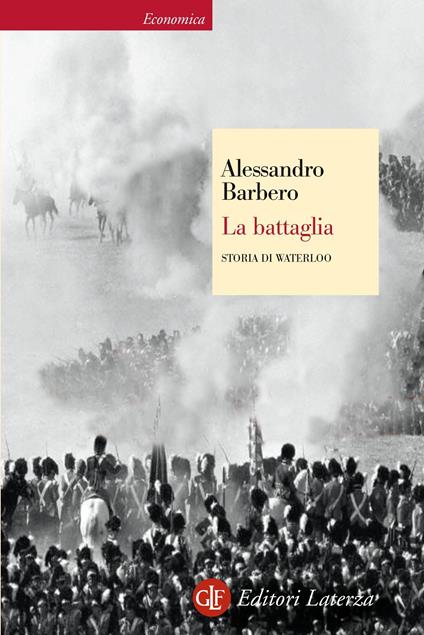
Among Barbero’s essays is La battaglia – Storia di Waterloo (Laterza, 2003), a masterful reconstruction of Napoleon’s last great feat, combining historiographical rigor and narrative intensity. The Turin-born historian takes readers onto the field, among soldiers and generals, restoring the strategic and human complexity of the Battle of Waterloo. Translated into six languages, this essay is an example of how history can be told with literary passion and analytical precision.
9 agosto 378 – Il giorno dei barbari
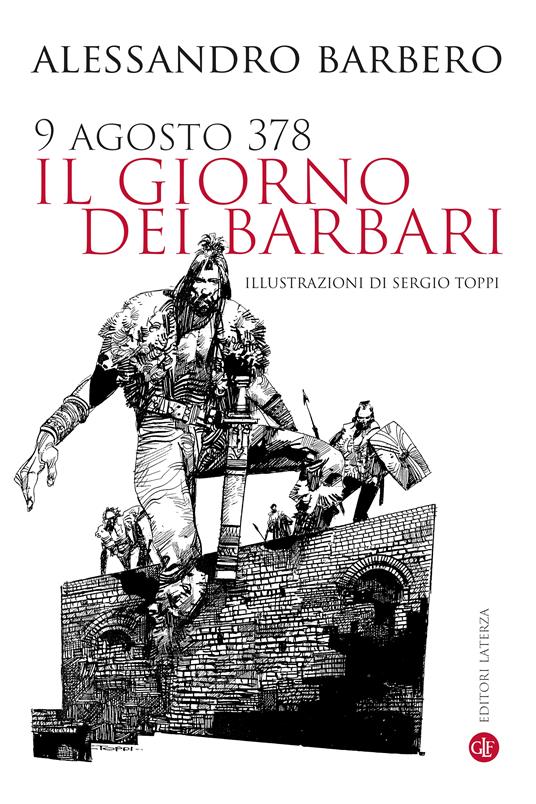
9 agosto 378 – Il giorno dei barbari (Laterza, 2005) narrates the disastrous Roman army’s defeat at Adrianople, in the Balkans, at the hands of the Goths. On a sultry summer afternoon, a battle unfolds that symbolically marks the end of Antiquity and the dawn of the Middle Ages: Barbero, with Sergio Toppi’s illustrations in this new edition, reconstructs a vivid and compelling moment in European history.
Barbari – Immigrati, profughi, deportati nell’impero romano
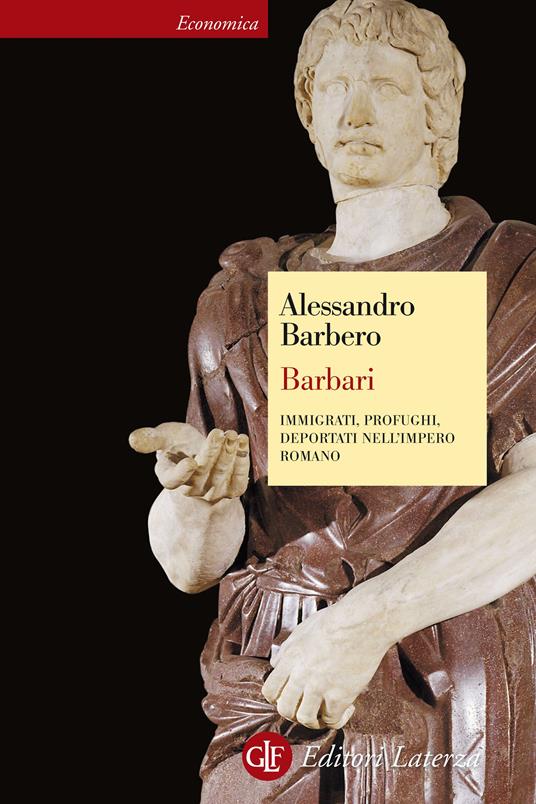
Continuing the discussion of Barbero’s historians, we come to Barbari. Immigrati, profughi, deportati nell’impero romano (Laterza, 2006), which tells how the Roman Empire faced for centuries the arrival of foreign populations at its borders: refugees, migrants, deported. With a clear gaze and an ability to connect with the present, Barbero reconstructs a world that considered itself prosperous and civil, yet had to constantly reckon with external pressures and internal contradictions. A timely book that blends historical rigor and narrative force.
Terre d’acqua – I vercellesi all’epoca delle crociate
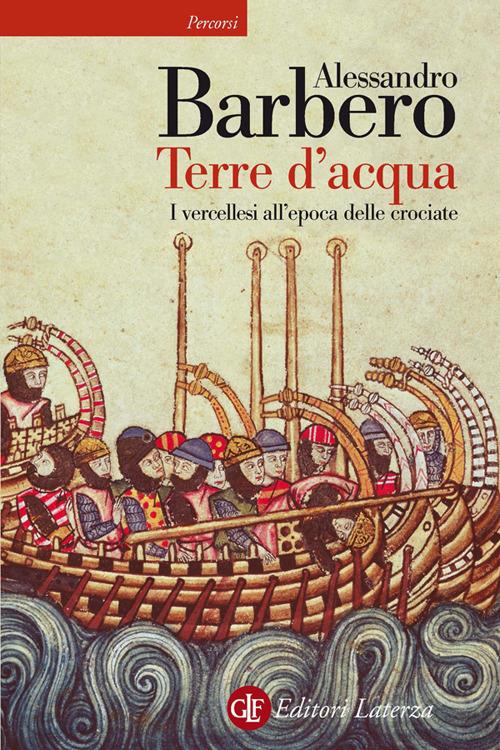
Terre d’acqua – I vercellesi all’epoca delle crociate (Laterza, 2007) narrates the history and chronicles of a corner of the Piedmont plain, the Vercelli area, and its protagonists with extraordinary deeds that moved across scenes as distant as Byzantium, Jerusalem, and Antioch. The Turin historian, with his usual refined historical and narrative craft, links the local tale to the broader Mediterranean world during the Crusades.
Storia del Piemonte – Dalla preistoria alla globalizzazione
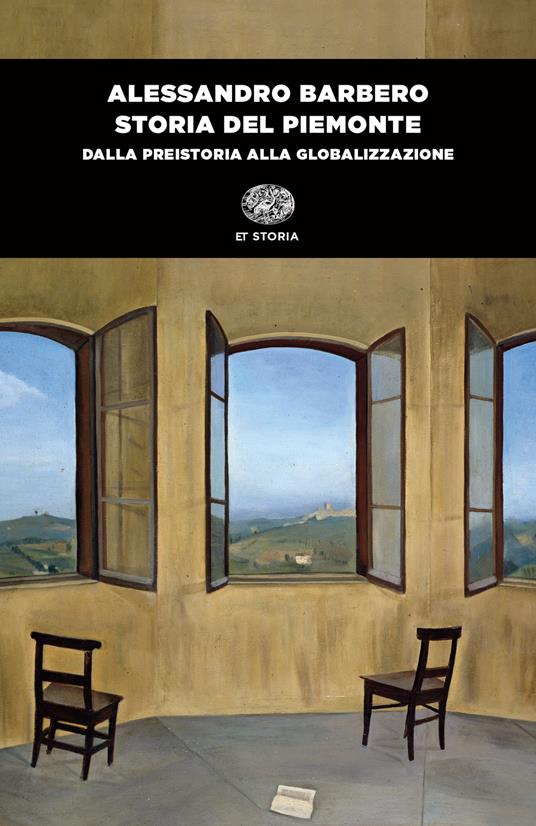
Storia del Piemonte – Dalla preistoria alla globalizzazione (Einaudi, 2008) retraces the history of the Piedmont region from the Neolithic to contemporary times. The book highlights how today’s Piedmont, with its administrative borders and identity, is the result of a long and complex layering of peoples and events: Barbero offers a detailed and in-depth account of the historical transformations that have affected this region, bringing to light the multiple identities that have succeeded over time before the current definition.
Benedette guerre – Crociate e jihad
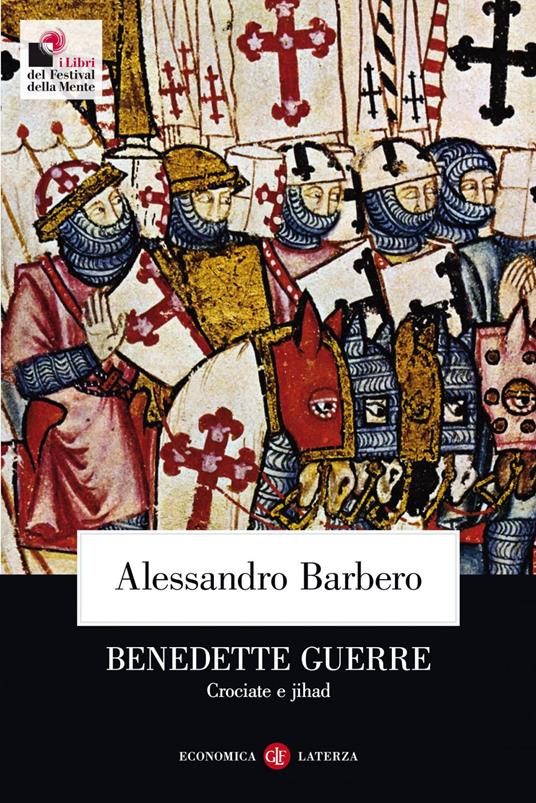
One of Barbero’s most well-known historical works is Benedette guerre – Crociate e jihad (Laterza, 2009), a text that tackles the crucial themes of the Crusades as a Christian choice to liberate the Holy Sepulchre and the clash between the Christian and Islamic worlds. In these pages, Barbero analyzes the intertwining of religious impulse, the expansionist drives of a growing Europe, and the authority of the Church of Rome. The narrative, written in a fluid and engaging style, illuminates the Crusades as violent eruptions of faith and power, highlighting moral ambiguities and the historical complexity of a phenomenon that continues to raise questions today.
Lepanto – La battaglia dei tre imperi
Lepanto – La battaglia dei tre imperi (Laterza, 2010) tells the spring of 1570, when Pope Pius V promoted the union of Christian powers to check the Turkish threat at sea. The Battle of 7 October 1571 inflicted a catastrophic defeat on the Turks, but the real victory lay in the emotional and cultural impact it had across Europe. Barbero doesn’t narrate only the day of the clash; he intertwines diplomatic tensions, prejudices, songs and the era’s warfare technology, offering a vivid portrait of the year and a half that preceded Lepanto.
Il divano di Istanbul
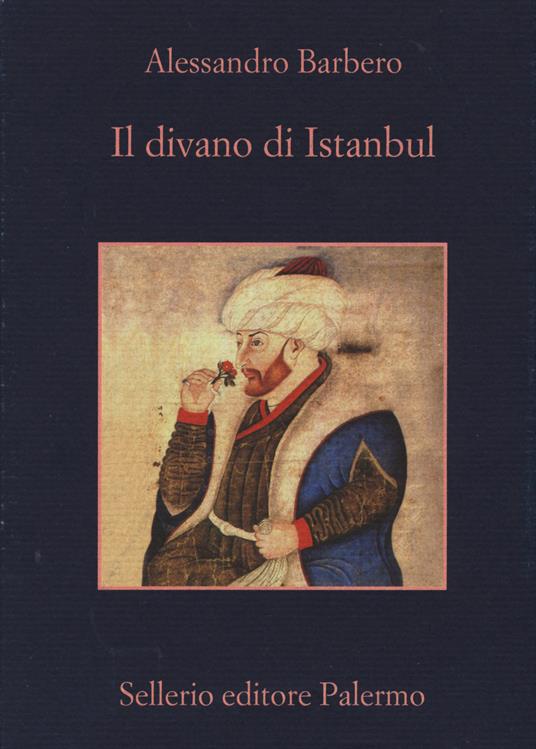
With Il divano di Istanbul (Sellerio, 2011) Barbero tells the history of the Ottoman Empire, born between the 14th and 20th centuries, through the tale of its conquests, ambitions and contradictions. From the melancholic Muhammad to the dream of conquering Rome, the book explores the complex relationship between a multiethnic and religious empire, its system of governance, and the long contest between nomadic and settled peoples, offering a fresh and vivid perspective on a history often perceived as “the other.”
Dietro le quinte della storia – La vita quotidiana attraverso il tempo
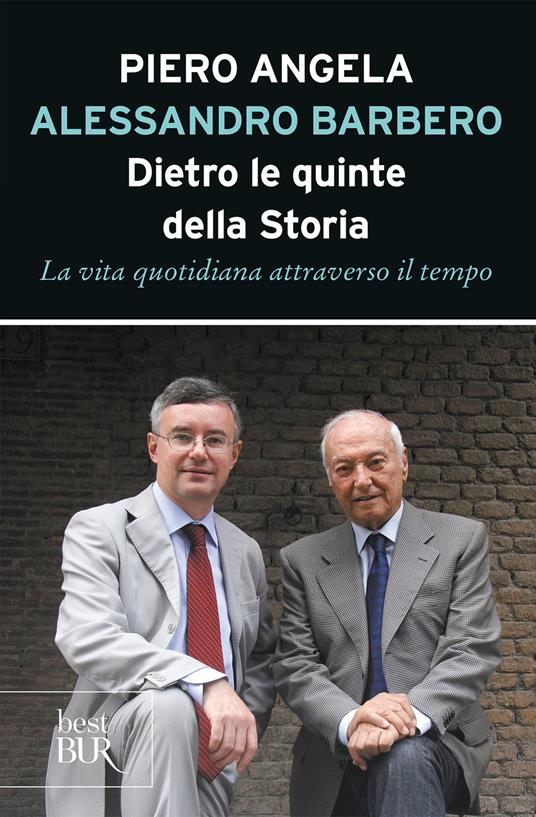
Dietro le quinte della storia – La vita quotidiana attraverso il tempo (Rizzoli, 2012), written with Piero Angela, explores History not only through great events and protagonists, but above all by focusing on the daily life of ordinary people. Through a dialogue rich in rigor, anecdotes and curiosities, Barbero and Angela tell how the way of eating, moving, loving and administering justice has changed over time, offering a key to understanding the path of humanity and the social and economic transformations that brought about the modern world.
I prigionieri dei Savoia – La vera storia della congiura di Fenestrelle
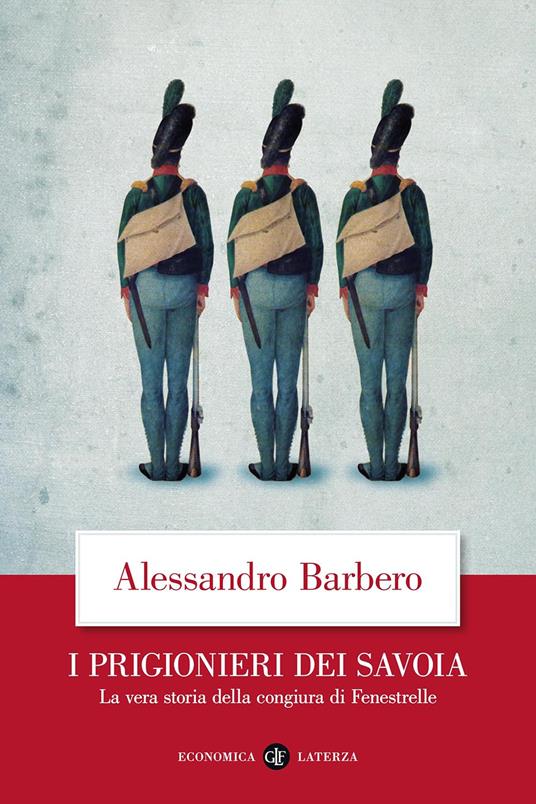
Among Barbero’s works is also I prigionieri dei Savoia – La vera storia della congiura di Fenestrelle (Laterza, 2012), a detailed study reconstructing the fate of Neapolitan prisoners transported in 1860 to Fenestrelle Fortress during the Italian unification process. Barbero analyzes events with historical rigor, debunking myths and challenging comparisons with terms like “lager” and “Auschwitz” often used rhetorically. The book narrates both the tragedy endured by Bourbon soldiers and how this history has been manipulated and instrumentalized in collective memory and contemporary public debate.
Donne, madonne, mercanti e cavalieri
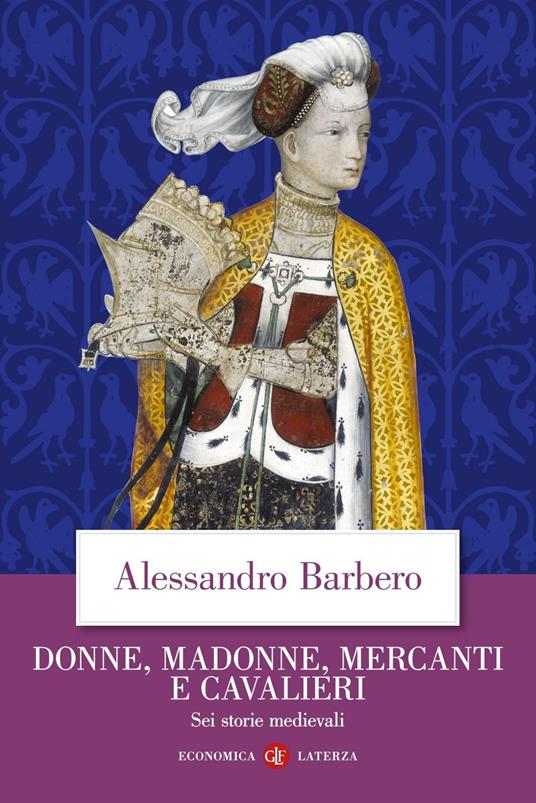
Donne, madonne, mercanti e cavalieri – Sei storie medievali (Laterza, 2013) collects six exemplary portraits of the Middle Ages: three men and three women – including Salimbene di Parma, Catherine of Siena, Joan of Arc – through whom Barbero explores the complexity of medieval society. With a captivating narrative style and attention to both the everyday and the extraordinary, the book unites historiographical rigor with a taste for storytelling, giving direct voice to the protagonists and illuminating values, worldviews and conflicts of an era that continues to speak to us.
Costantino il Vincitore
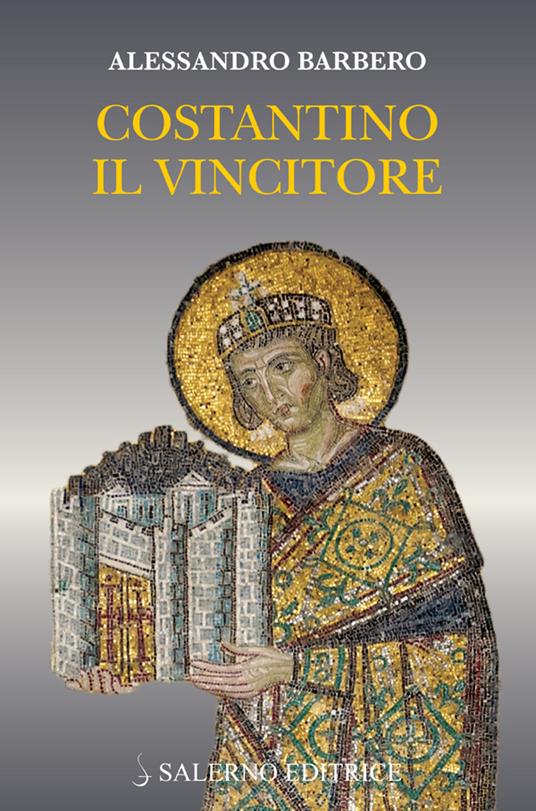
Costantino il Vincitore (Salerno Editore, 2016) is a historical essay where Alessandro Barbero tackles in a critical and polemical way the figure of the first Christian emperor. Questioning the traditional narrative—from the Milvian Bridge episode to the “conversion” to Christianity—Barbero dismantles the edifying image built by centuries of historiography, emphasizing how fragile the documentation on Constantine is and how often it is treated with excessive reverence. The book invites readers to read sources with more skepticism and to consider the ambiguous, even unsettling, side of the ruler who changed the history of the Roman Empire.
Le parole del Papa – Da Gregorio VII a Francesco
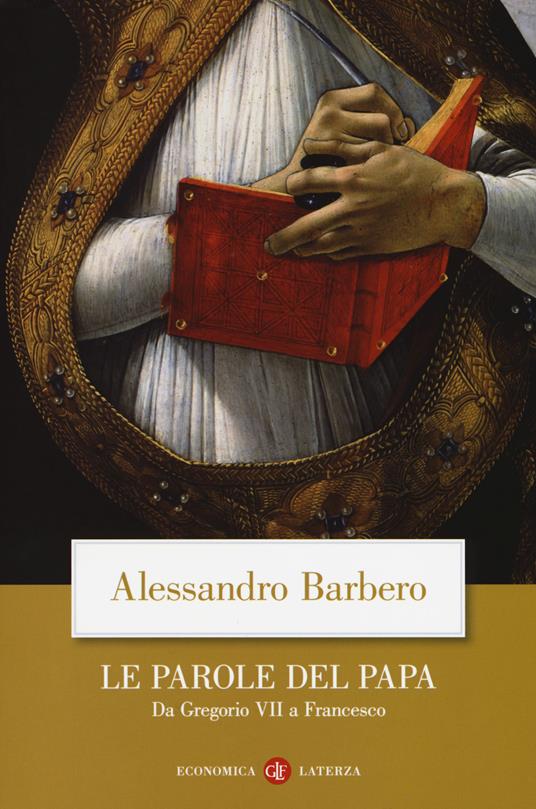
Le parole del Papa – Da Gregorio VII a Francesco (Laterza, 2016) is a study in which Barbero explores the language of the papal authorities across the centuries, as a mirror of their power, authority and the Church’s role in society. From the Gregorian reform to the contemporary era, the book traces the transformations of papal discourse, showing how the pope’s words reflect the Church’s position in the world in every era. A fascinating historical and linguistic journey that reveals the strength—and evolution—of the voice of the Catholic Church.
Federico il Grande
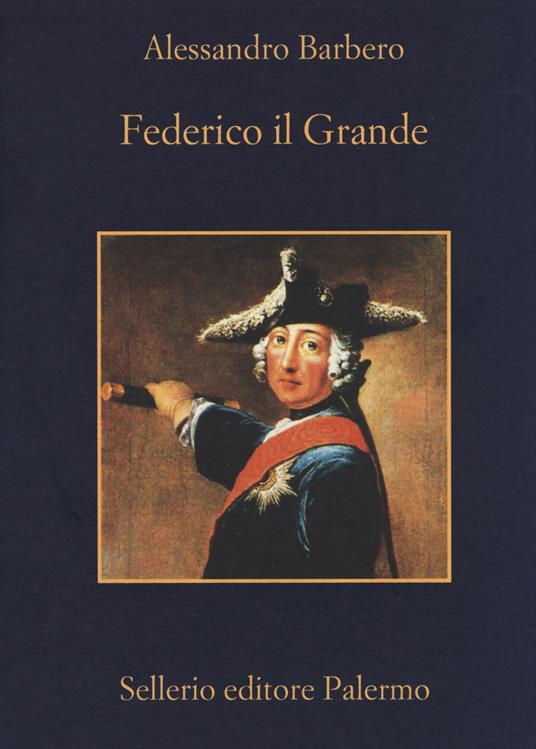
Federico il Grande (Sellerio, 2007; later reissued in 2017) is Barbero’s vivid and multifaceted portrait of the King of Prussia. Through a vivid and accessible narrative style, the Turin writer explores the contradictions of a figure who was both an Enlightenment thinker and a despot, a musician and a warrior, a refined intellectual and a cynical political strategist. A rebellious son of an authoritarian father, Frederick embodied a 18th-century idea of greatness balanced between ideals and brutality, between philosophical thought and realpolitik. A dense biography that provokes deep reflections on the meaning of leadership and power in European history.
A che ora si mangia? Approssimazioni linguistiche all’orario dei pasti
Among Barbero’s shorter essays is A che ora si mangia? Approssimazioni linguistiche all’orario dei pasti (secoli XVIII-XXI) (Quodlibet, 2017), a brilliant historical-linguistic study on the transformations of meal times in Europe and beyond, from the eighteenth century to today. With a keen and well-documented tone, the author shows how eating habits have evolved for social and cultural reasons, reflecting hierarchies among classes, capitals and provinces, modernity and tradition. The meal thus becomes a lens through which to observe the dynamics of power and custom, in a narrative rich with curious details and precise reflections.
Caporetto
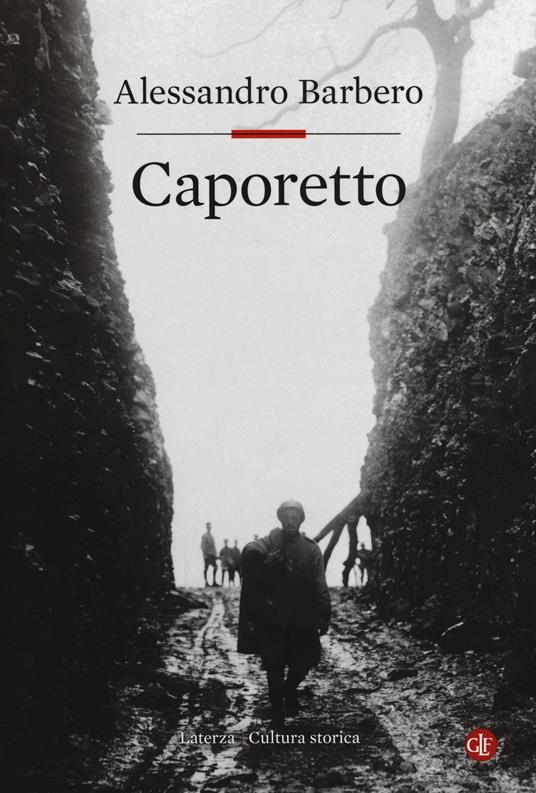
Caporetto (Laterza, 2017) tackles one of the most traumatic events in Italian history: the disaster of October 24, 1917. Barbero, with rigor and clarity, debunks the commonplaces and simplifications about the battle, focusing not only on the responsibilities of the generals—Cadorna, Capello, Badoglio—but on the structural roots of the army’s collapse. The book shows how the country’s backwardness, the social distance between troops and officers, the inadequacy of the governing class and the rigidity of command contributed to military fragility. A precise historical analysis that makes Caporetto a merciless mirror of Italy of the time.
Dante
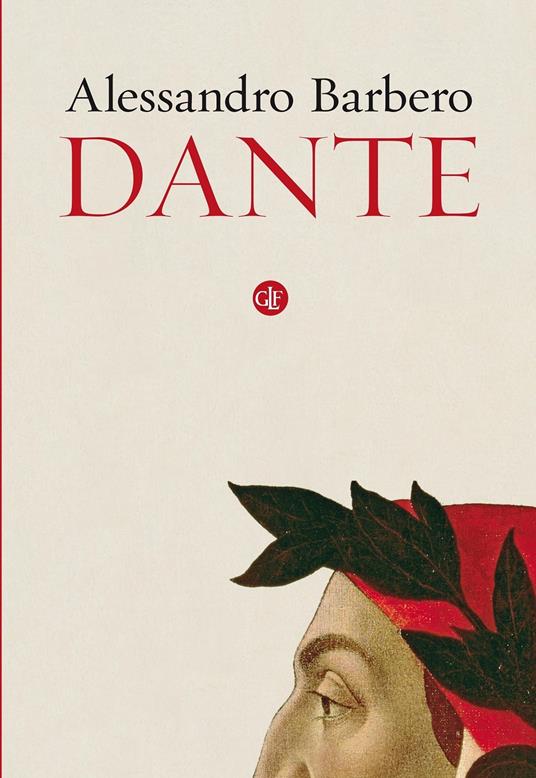
Dante (Laterza, 2020) is the historical biography that Alessandro Barbero dedicates to the great poet, presented in his full humanity and placed in the living context of the Middle Ages. The historian follows Dante from his Florentine childhood to the turbulent years of politics, through the poet’s wandering exile among Italy’s courts. The book sheds light on the author of the Divine Comedy through direct and indirect sources, reconstructing with critical rigor what can be known with certainty, what can be hypothesized, and what remains wrapped in doubt. A rigorous and enthralling work that fuses the pleasure of storytelling with the authority of the great divulgation of history.
Inventare i libri – L’avventura di Filippo e Lucantonio Giunti, pionieri dell’editoria moderna
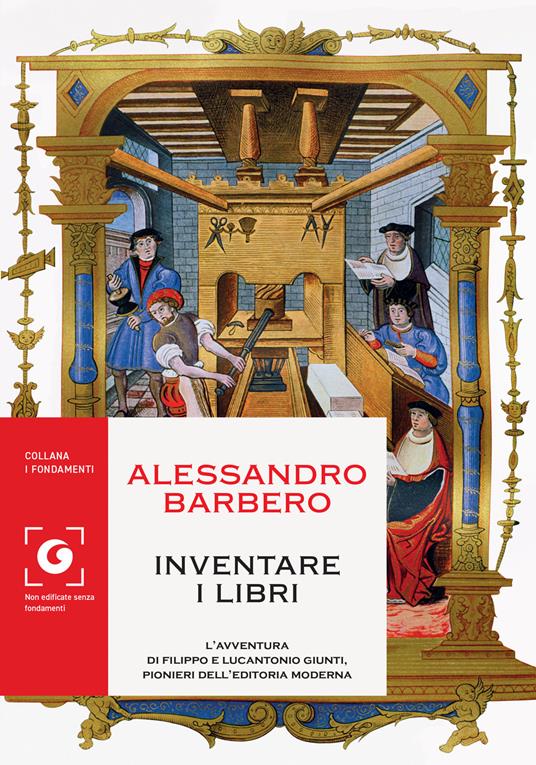
Inventare i libri – L’avventura di Filippo e Lucantonio Giunti, pionieri dell’editoria moderna (Giunti, 2022) is the historical narrative with which Barbero reconstructs the ascent of two Florentine brothers—Filippo and Lucantonio Giunti—among the first modern publishers, protagonists in the birth of the book industry. With the scholar’s rigor and the storyteller’s taste, Barbero investigates the humble origins of the Giunti, their entrepreneurial acumen and their role in spreading printing between Florence, Venice and Europe.
All’ arme! All’ arme! I priori fanno carne!
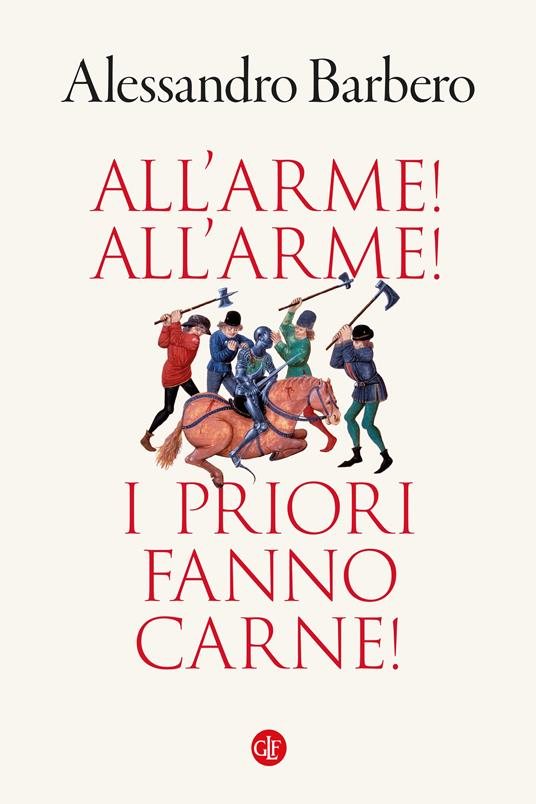
Among Barbero’s latest books, All’arme! All’arme! I priori fanno carne! (Laterza, 2023) explores a little-known but fascinating aspect of the Middle Ages: popular uprisings. With his unmistakable style, the Turin historian reconstructs some of the most spectacular insurrections of the Trecento, a century in which movements of protest were particularly radical and politically aware. Reversing the idea that medieval rebels were chaotic or unaware, Barbero shows how those masses knew precisely what they wanted and why they fought. A gripping narrative that sheds new light on the Middle Ages, revealing the deep roots of social revolutions.
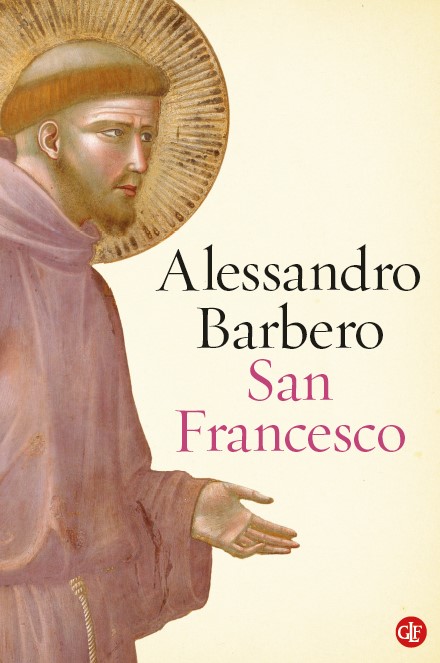
San Francesco
Barbero also signs for Laterza a monograph on Saint Francis. In the book the historian reconstructs the intricate game of mirrors that multiplied, fractured and eventually built the image of Saint Francis. But not only: his new theatrical show is also dedicated to the Saint, with a critical as well as narrative approach that is ready to win live audiences. An authentic portrait of Francis, emerging from the memories of his disciples as a tortured man, austere, capable of very sweet gestures and unexpected harshness…
Garibaldi – The British Tour: the Graphic Novel Signed by Alessandro Barbero
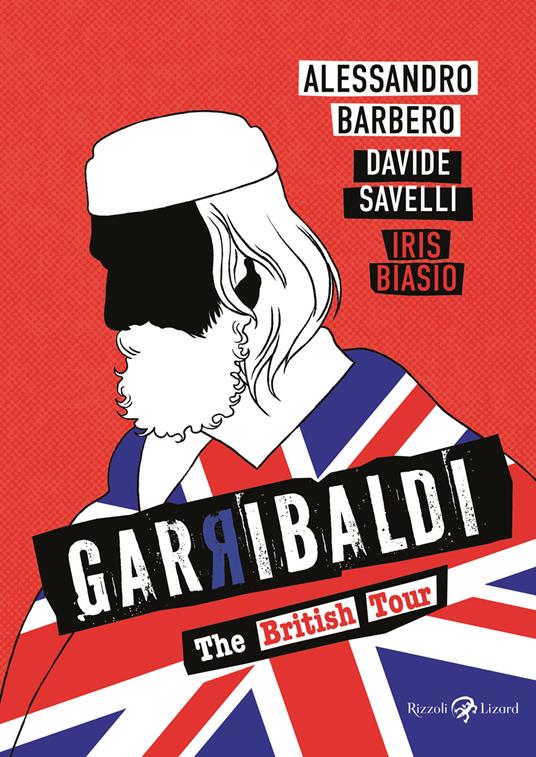
The latest Barbero project is in an unusual format, the graphic novel, which the historian uses to recount a little-known episode in Garibaldi’s life. Garibaldi – The British Tour (published by Rizzoli Lizard, co-authored with Davide Savelli and drawn by Iris Biasio) tells of the patriot’s journey to England, which took place in 1864. While crowds await him in delirium and Garibaldi-mania explodes in London, complete with merchandising and memorabilia trafficking, Buckingham Palace grows concerned: is Garibaldi merely seeking funds for the “Italian cause” or does his visit conceal other aims? Drawing on this episode, the authors portray an “unpublished” Garibaldi through the eyes of his son Ricciotti, who accompanies him on the “British Tour” and who has always had a relationship of ambivalence between resentment and devotion with his father.