Kristian Novak, Gypsy, but the most beautiful of them all, translated from Croatian by Chloé Billon, Les Argonautes, August 21, 2026, 510 pages, €24.90
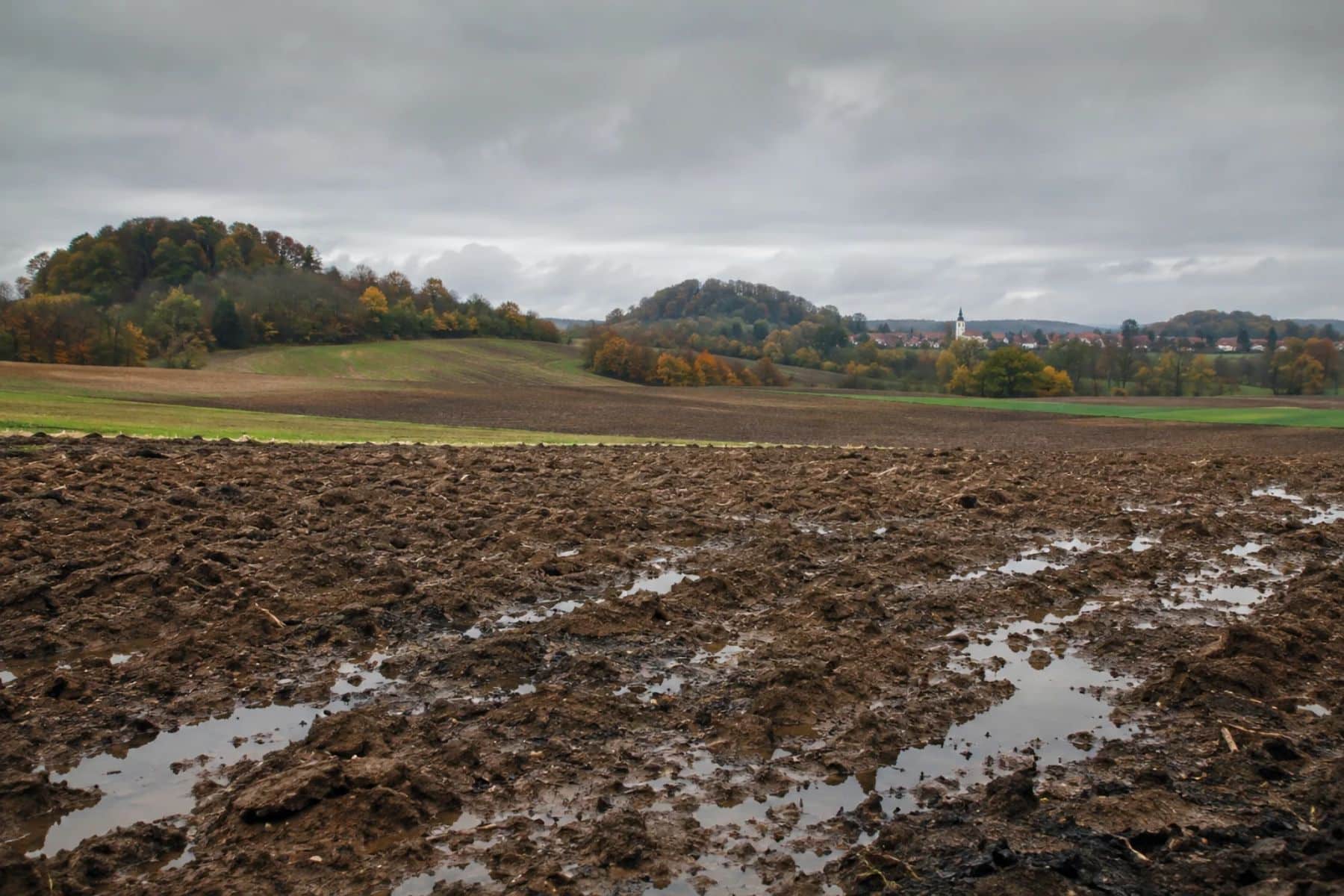
In a Croatian village in Medjimurje, the land sometimes cedes above the old mine galleries. A few kilometers away lives the Roma community of Bukov Dol, whom the villagers ignore. Milena, forty, back after a fifteen-year absence, falls for Sandi, a twenty-year-old boy from Dol. One rainy morning, a crime in a forest triggers an investigation, and Kristian Novak entrusts the telling of it to four voices—the two lovers, a Kurdish refugee from Mosul, and a young police officer from Zagreb.
Six of the book’s seven sections bear the name of a phobia, beginning with oikophobia, the fear of the familiar. Bukov Dol, Milena recalls, first housed Slovenian and Hungarian miners who came because few locals would descend into the mine, then blended into the village or left before the first Roma arrived, in the mid‑seventies. To hear her, the villagers fear these outsiders because they resemble themselves, and by looking too closely they would recognize a part of themselves in them. Children are taught to place them in their blind spot, and adults who know some Roma by first name avoid mingling with them.
The title comes from the refrain of a Balkan folk ballad, where a lover whispers to his beloved what she should tell her father—that he is a Gypsy, yes, but the most beautiful of them all. Milena stumbles over the small conjunction in the middle, “an intrusive word, a malevolent word”, which relegates a man to the wrong side of the sentence, where a worker remains first a Gypsy and where an honest Gypsy woman stands out as an exception.
The translation by Chloé Billon for Les Argonautes extends this line of division into dialects, between the countryside patois in which villagers swear and the bayache words kept by the Dol people. The hamlet itself bears two names, since Sandi calls it Djinjc, “tooth” in bayache. Milena, for her part, wants to discover the other side of the “but,” even if she must stay there forever.
Their story begins on the day Milena’s grandfather bombs the painters with plastic bottles. Sandi, the younger, takes another blow while whistling, before returning alone to offer to finish the work. Milena listens with one ear and hears, with the other, what she expects from a Gypsy, then distrust melts away over the days, until that afternoon when, on the doorstep steps, he thanks her for being the first, since her schoolteacher, to speak with him honestly. One evening when Home Alone was due to air, the television murmurs to itself in the next room, and love seals itself around the crêpes, to the great annoyance of part of the village.
In the spring of 2014, two nurses who came to Dol for a health outreach that also addresses contraception leave on foot, battered, their hair full of spit. The husband of one of them leaves before dawn with three accomplices armed with iron bars. They mistake the wrong house. Milena imagines the voices that shaped this act in the husband, including that of a drunk vintner whose anti-starlings cannon was stolen, and draws a theory of restraint. Living in peace, she says, requires slowing down one’s entire life, so that the eruption of violence offers a strange relief, as if one finally allows oneself to ease off the pedal in the hope of letting the boil burst.
From farther away arrives Nuzat, a Kurdish mason who left Mosul in April 2014 as Daesh approached. He recounts his flight through the words of an interpreter who suspects refugees of claiming to be doctors or architects. He would give anything to recall his son’s voice, and finds solace in the memory of Lamassu, the winged bull of the city’s museum, where he used to eat when the halls were empty. His path leads him to the Slovenian border, the last stop before the Schengen Area. There thrives an underground economy that trades in migrants, and the novel traces this network step by step, while the police seek to close the case as quickly as possible. The morning rain that had drowned the footprints in the woods leaves Kristian Novak to let his narrators tell what happened, each with their own reasons and arrangements.
The village schoolchildren, Milena notes, describe half of the universe in their essays, omitting that the shortest path to the Mura River runs through Dol, for lack of proper language. Kristian Novak, author of Earth, Black Mother, has found the words they were missing, and his ambitious novel, published by Les Argonautes, finally traces this forgotten route from the pages of student notebooks to the most beautiful of the children of Djinjc.
The article “Gypsy, but the most beautiful of them all,” a polyphonic Croatian novel, appeared first on Lythrum Press.