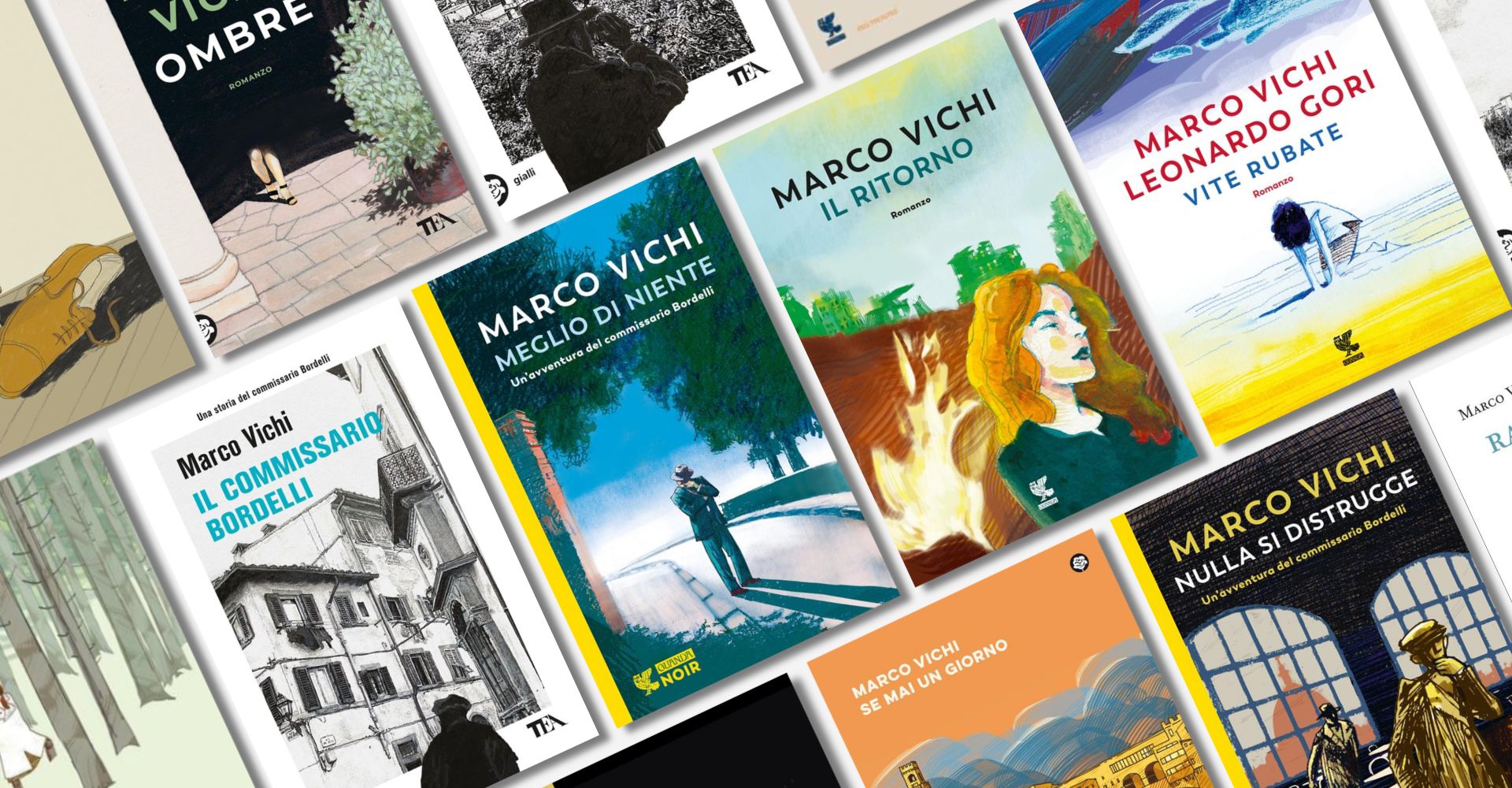
Marco Vichi, a Florence-based bestselling author, is best known for his crime and noir novels featuring the commissioner Bordelli (who now returns with Guanda with What It Seems, which we will discuss shortly), the core of a police fiction series set in 1960s Florence. But as we will see in this feature, he is also the author of novels and stories that go beyond traditional genres (and touch on others).
The Tuscan writer—lauded for his engaging narrative style, which blends the conventions of classic crime fiction with elements of Italian society—has set many of his novels in Tuscany, a region whose landscapes and atmospheres have significantly shaped his output.
His books also offer a thorough look at the years following the war, addressing themes that go beyond crime: justice, loneliness, regret, and the contradictions of human nature are constant in his storytelling.
The commissioner Bordelli, his most famous character, is a maverick investigator who embodies these very elements. Often melancholic and troubled, Bordelli approaches life with disenchantment, yet he also upholds a strong personal ethic. His investigations intertwine with reflections on politics, history, and society, making him a complex, fallible hero. A hero whose adventures surge relentlessly from Marco Vichi’s pen, who, in a Repubblica interview, spoke about his writing process as follows: “When I begin to write a novel, I know nothing about the history, what will happen; the characters tell me. The feeling is that the novel already exists and I merely have the task of unearthing it.”
To better grasp the relationship between the author and his most widely known character, we suggest this “interview,” in which Vichi converses with Bordelli, now on the threshold of retirement (here is one exchange between them: “In your investigations, in your life, memories often resurface. In general, you have a deep bond with your past, and you frequently encounter people who must confront something still open and unresolved in their lives. How do you live this ongoing relationship as time—and aging—advance?’ ‘Especially after the postwar period, the past began to be part of my daily life, and with the passage of time it gained more importance, occupying more and more space in my thoughts. The war, indeed, left a host of memories in my memory, but childhood and adolescence also began to knock at the door of my present. They say walking forward with your eyes fixed on the past is a sign of old age, while perhaps it is only the courage to confront one’s regrets and remorse. Yet the passing of time has always led me to ponder an unfathomable cruelty.”
A towering figure in Vichi’s literary career, he has received several literary awards (including the Scerbanenco Award and the Fedeli Award), consolidating his reputation as one of Italy’s most important contemporary crime writers.
A successful career, that of the writer born on November 20, 1957, which we recount in this article (the books in this feature are listed in chronological order and organized by series).

Index
- The Bordelli Commissioner Series
- Other Novels
- Other Stories
- Other Books
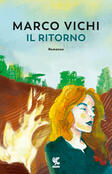
The Return
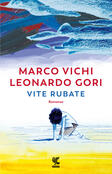
Vite rubate
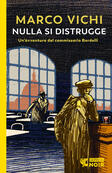
Nothings Destroyed
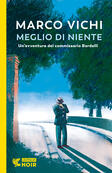
Better Than Nothing
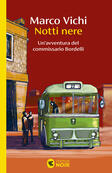
Nights Dark
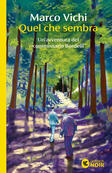
What It Seems
The Bordelli Commissioner Series
The Commissioner Bordelli
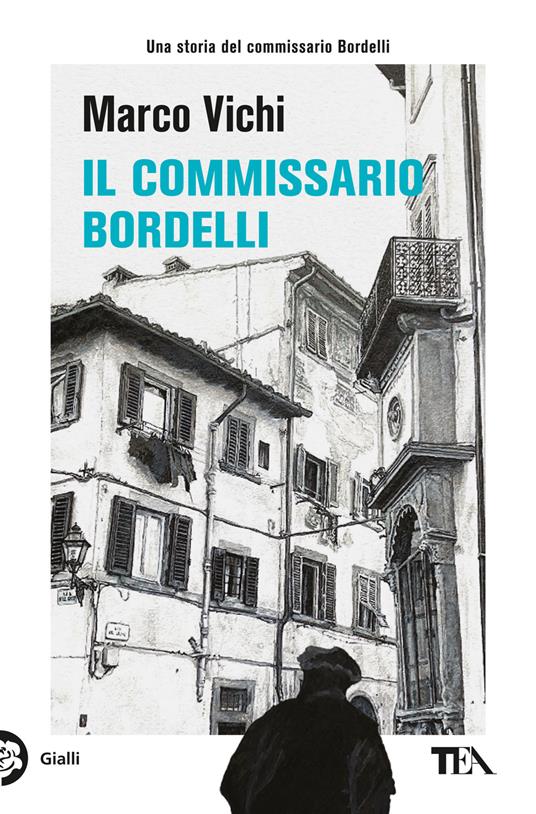
The adventures of the commissioner born from Marco Vichi’s pen begin precisely with The Commissioner Bordelli (first published by Guanda, then Tea). In Florence in 1963, a city deserted during holidays, Bordelli receives a phone call announcing a mysterious death. He travels to the crime scene—a 18th-century villa—and finds the body of an elderly woman. On the sheet, there is a glass with strange traces of an asthma medication. On the bedside table, the bottle. Beginning with these ambiguous elements, Commissioner Bordelli launches his investigations, which will lead him to uncomfortable truths…
A Bad Affair
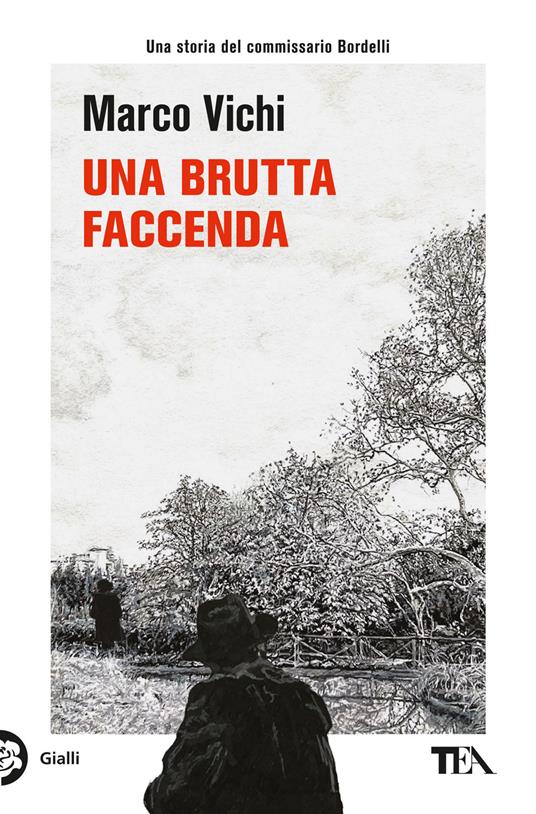
The Bordelli investigations continue with a further, grisly case, told in A Bad Affair (first published by Guanda, later reissued by Tea) set in April 1964. A gray sky blankets Florence when Casimiro, Bordelli’s dwarf friend, arrives at the station distraught: he has found a corpse on the hillside of Fiesole. Bordelli goes to the scene, but the body leaves no trace—only a bottle of cognac and an aggressive dog. A few days later, however, the body of a young girl is found strangled. And then another body, another girl: a sign of a dark and disturbing case taking shape.
The Newcomer
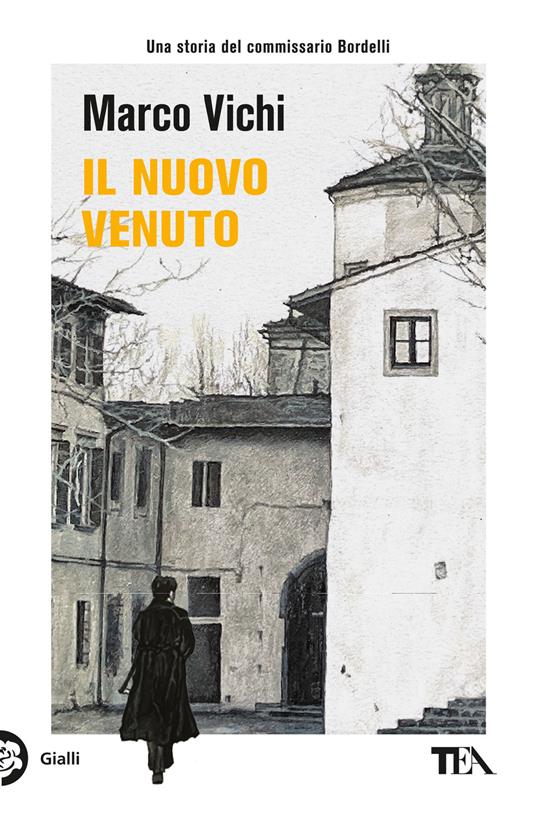
Among Marco Vichi’s Bordelli-focused works, there is also The Newcomer (originally published by Guanda, later by Tea), a novel set in December 1965. Here a man is found dead in his home, a pair of scissors buried in the nape of his neck. The deceased’s only known profession is that he was a usurer, nicknamed “the new arrival.” Commissioner Bordelli, summoned to shed light on a crime that elicits mixed feelings—the need for justice opposed by hostility toward the victim—prepares for a particularly arduous investigation…
Why Dollars?
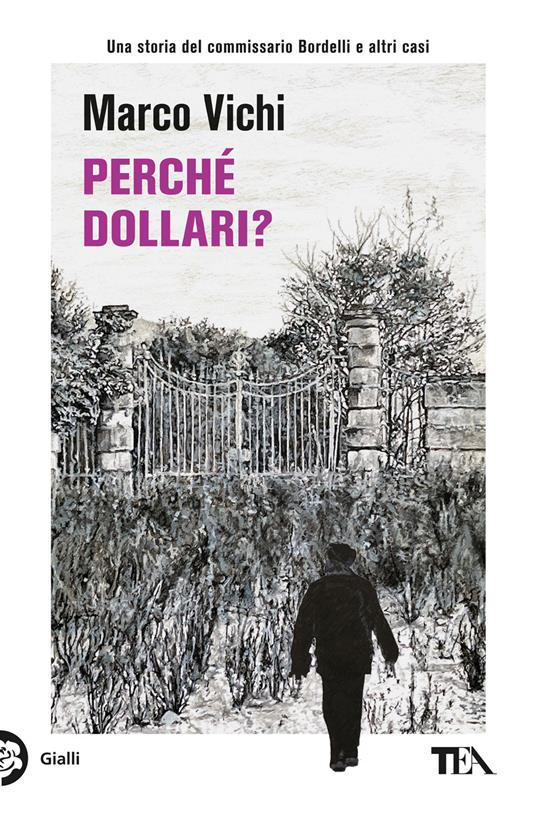
Why Dollars? (first published by Guanda, later reissued by Tea) presents four noir stories in which Vichi delves into the memory of recent history. The opening is entrusted to the famed Commissioner Bordelli, who, in the grim November of 1957, receives two anonymous letters; both simply bear the word “The Pheasant.” A faint lead suggested by the medical examiner Diotivede sends him on to the Florentine hills, into a tangle that leads to unforeseen solutions. Three normally shadowy cases, all set in a timeless Florence, with protagonists who are solitary and tormented men.
Death in Florence
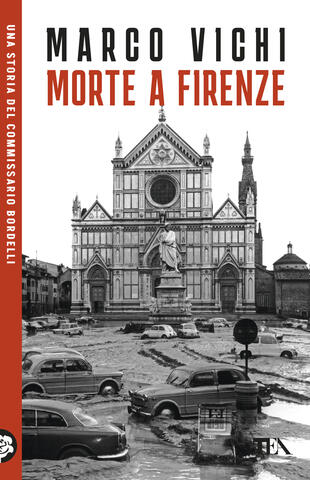
And among the books featuring Florence as the setting, how could we forget Death in Florence (first published by Guanda, then Tea), where, amid relentless rain, a child vanishes into thin air. Commissioner Bordelli investigates desperately, pausing only for a dramatic flood: on the night of November 4, the Arno swells, brushing the arches of the Ponte Vecchio and flooding the city. The streets turn into roaring torrents, carrying with them the corpses of animals, trees, and debris. While the city grapples with a tragedy, the murder seems destined to go unpunished; yet Bordelli’s tenacity—as ever—does not waver.
The Force of Destiny
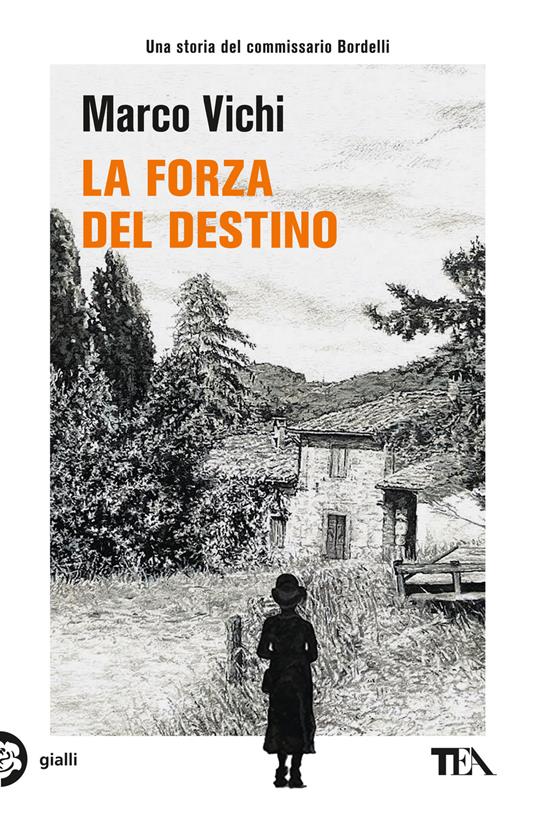
Stubbornly persistent, the intrepid commissioner is also the focus of The Force of Destiny (first published by Guanda, later by Tea). In this novel, after the flood of November, Florence begins to breathe again. But Bordelli does not. Investigating the murder of a boy, he confronts the hidden powers of freemasonry and is forced to resign after receiving a stark message: Eleonora, a young shop clerk with whom he had a relationship, has suffered a brutal assault. Defeated and embittered, Bordelli resigns from the police and leaves San Frediano. Yet the memory of that surrender, of that violence without justice, does not leave him.
Phantoms of the Past
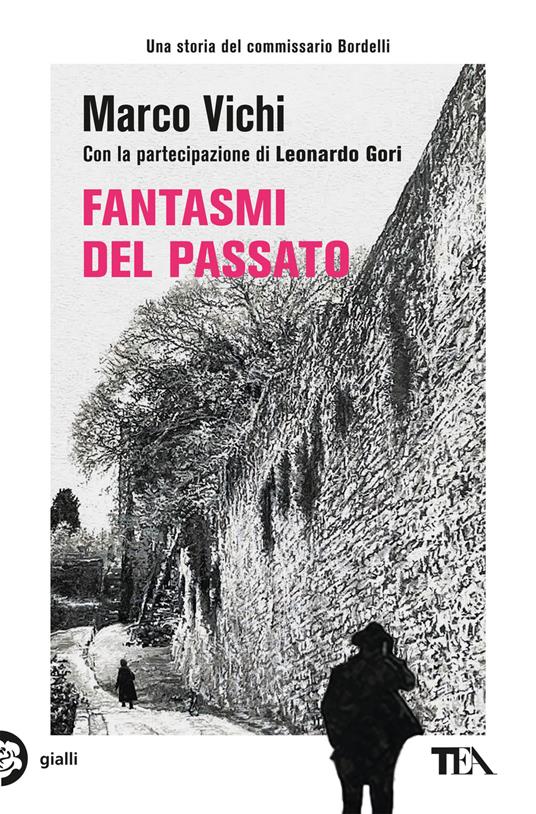
In Phantoms of the Past (first published by Guanda, later by Tea), the Tuscan author teams up with Leonardo Gori, and Bordelli—laden with the longing for a vanished woman—sinks deeper into melancholy. When, at a villa on the hills, a wealthy man is found murdered by a foil, Bordelli searches for a single clue that might set him on the right track to indict the killer. Meanwhile, he unexpectedly faces unforeseen situations… and the lingering presence of the phantoms of the past.
In the Loveliest Dream
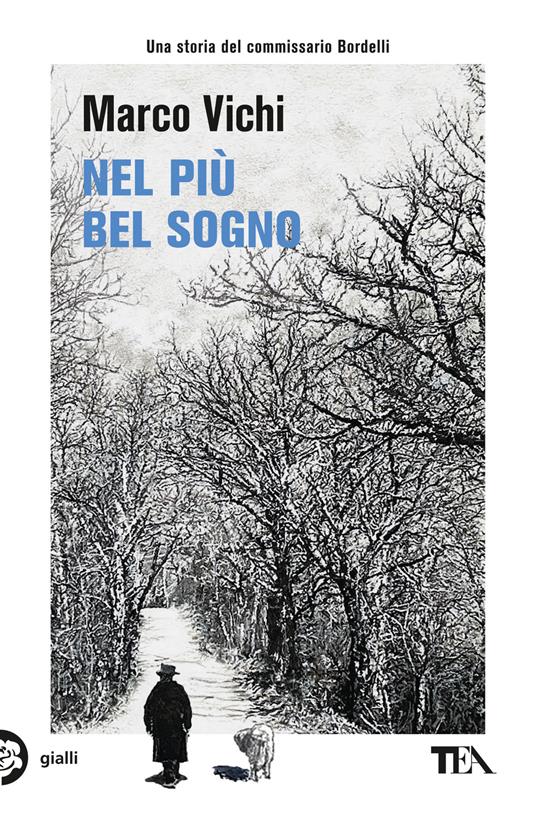
Set in 1968, Florence is shaken—like the rest of Italy—by student protests. Children confront parents, and it is hard to discern where right and wrong lie. Between occupied universities, clashes with law enforcement, and youth battles, a dramatic day forces the commissioner to confront several mysteries. And just when everything seems to be moving toward a solution, another terrible murder shatters him. In In the Loveliest Dream (first published by Guanda, later reissued by Tea), Vichi’s most famous character does not know if he will catch the ruthless killer, who may be hiding behind a macabre message…
The Year of Mysteries
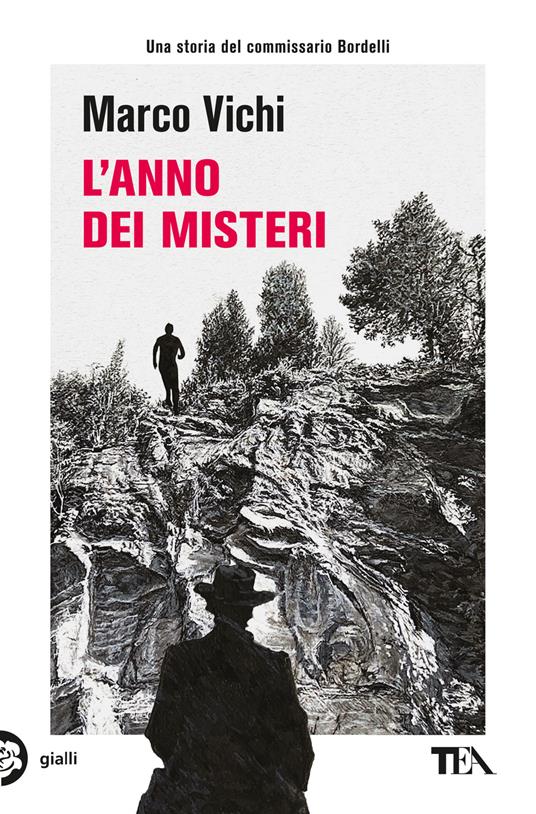
In The Year of Mysteries (initially issued by Guanda, later by Tea) the year is 1969: January 6, and many Italians prepare to watch the Canzonissima finale on television. Even Commissioner Bordelli sits with the TV, savoring the evening, until a call from the police headquarters interrupts him: a girl has been killed while the show’s opening theme was on the air. Could this be connected to the serial killer who has already killed six blonde, medium-height prostitutes, one every nine months? Bordelli is exhausted—just over a year from retirement—and perhaps fears leaving unresolved cases behind…
A Cursed Case
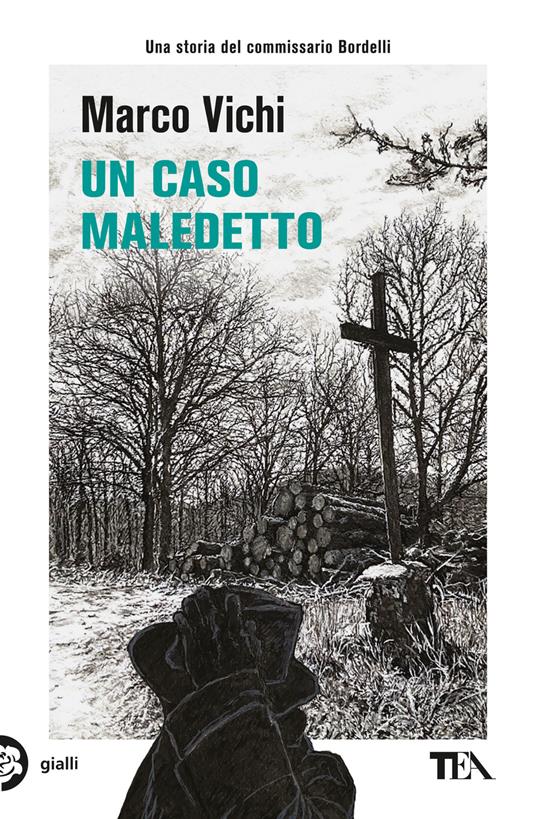
Here Bordelli is about to retire, after nearly a quarter of a century in the Public Security, and still does not know what to expect. But there is no time for reflection: in a central street, a brutal murder takes place. Will that odious crime be his last case? And… will he manage to solve it?
Missing Girls
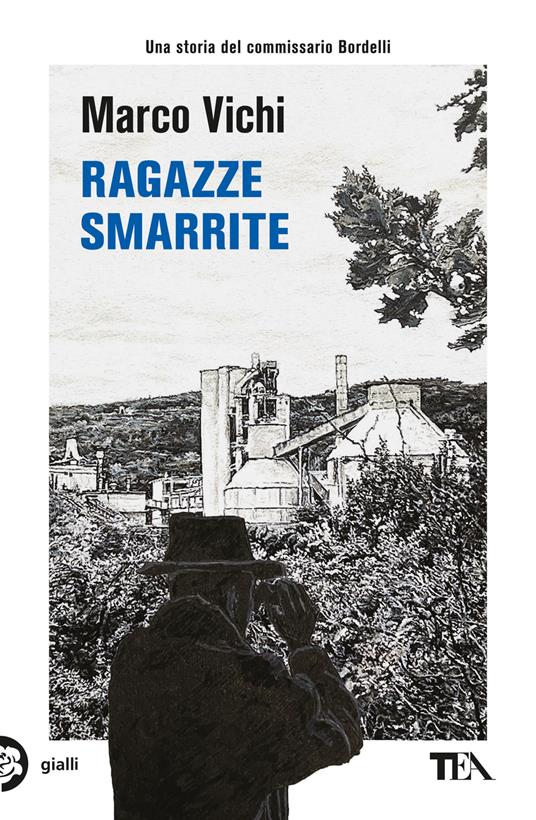
Commissioner Bordelli is finally days away from retirement. He hopes there will be no murders in these remaining days; he does not want to leave behind an unresolved mystery. But fate has a surprise in store: near his home, by the Chianti creek, the body of a young woman is found. In Missing Girls (first published by Guanda, then by Tea), time passes relentlessly, and an ever more embittered Bordelli sets out to uncover the guilty. Despite overwhelming fatigue, he swears to find them…
The House of Tolerance
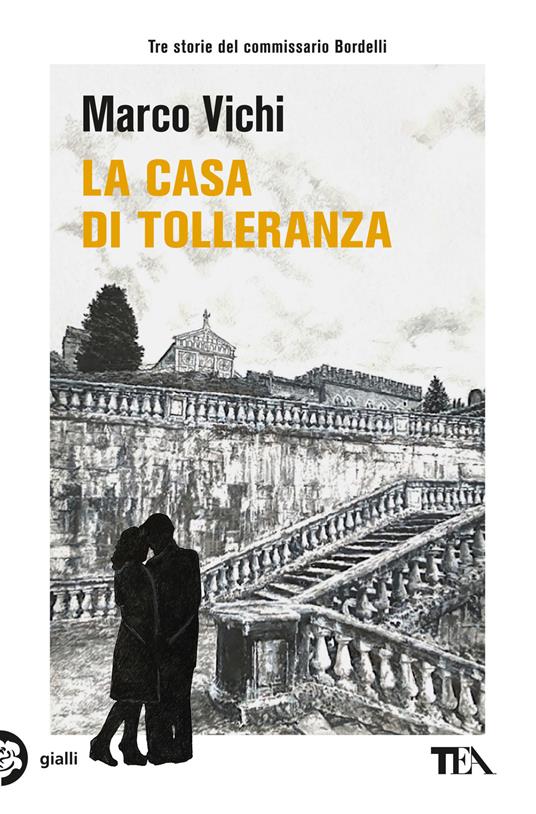
The House of Tolerance by Marco Vichi (first published by Guanda and later by Tea) takes readers on a journey into the turbulent past of the renowned commissioner. It is 1949, Bordelli has been a member of Public Security for two years as a deputy commissioner in training. He is thirty-nine and his memory is filled with memories of a brutal war. During a visit to a brothel, he encounters a particular, intriguing prostitute. A lively sympathy soon grows into friendship: a meeting that will pull Bordelli into a complicated and dangerous investigation…
Not Everything Is Lost
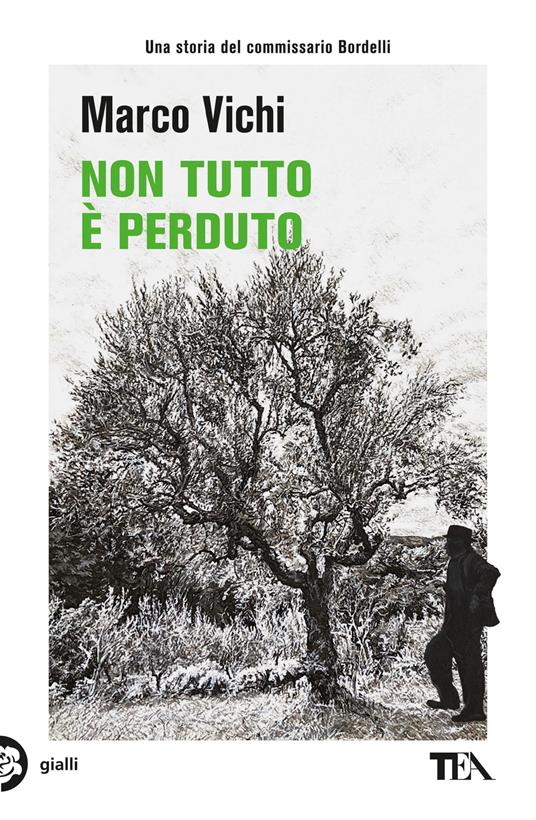
In 1970, Commissioner Bordelli has retired, and melancholy relentlessly knocks at his door. The dynamic man in his sixties reminisces about the past; gradually, the idea of solving the only unsolved case of his career—of a boy, the son of a fascist industrialist, killed in 1947—begins to take shape; perhaps a form of revenge? It was his first investigation, and at the time he could not solve it, because orders had soon arrived to drop the matter: the war’s tragedies were not a good climate for digging into the war’s tragedies. But now, after twenty-three years, he may try to solve it (even if unofficially). Among Marco Vichi’s works, Not Everything Is Lost tells this undertaking (first published by Guanda, later rereleased by Tea).
Nothing Is Destroyed
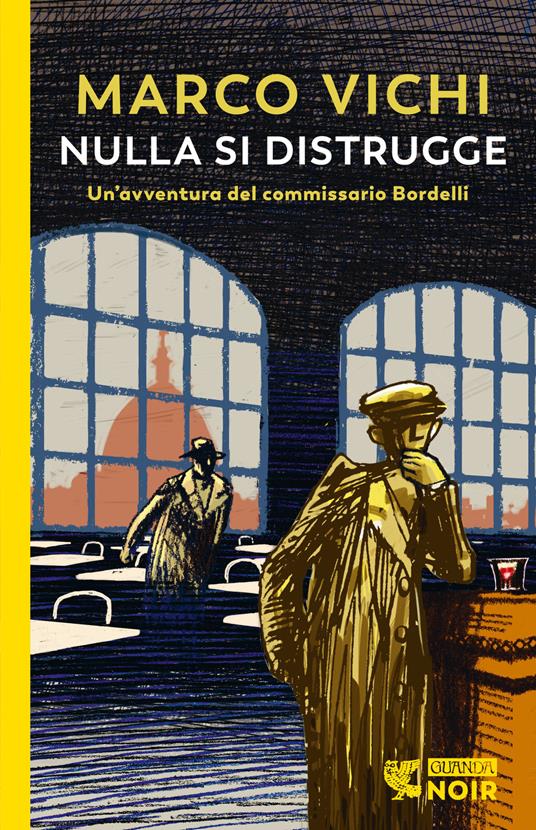
Among the later works by Marco Vichi is Nothing Is Destroyed (published by Guanda), in which a Bordelli now retired dedicates himself to a reopened case—an unresolved investigation that has haunted him for years. It concerns the murder of a fascist’s son in 1947, quickly dismissed. While with the help of the deputy commissioner Bordelli he pursues the truth, public security on the Montagna Pistoiese is combing the woods in a race against time. To complicate matters, an old friend who had vanished more than ten years earlier reappears, bringing back a painful memory for Bordelli. After all, as he will learn, in life nothing is destroyed…
We now arrive at Better Than Nothing (Guanda), the penultimate Bordelli novel, in retirement for just over a month. He has no appointments, no obligations, no thieves to catch. Yet he cannot give up his passion for investigation. He can always count on the young deputy commissioner Piras, his right-hand man when he was on duty, who draws him back into inquiries—at risk of being found out. And if he were to be transferred? He cannot even imagine. After all, can one stop being a detective? Do painters, musicians, and writers ever truly retire?
Dark Nights
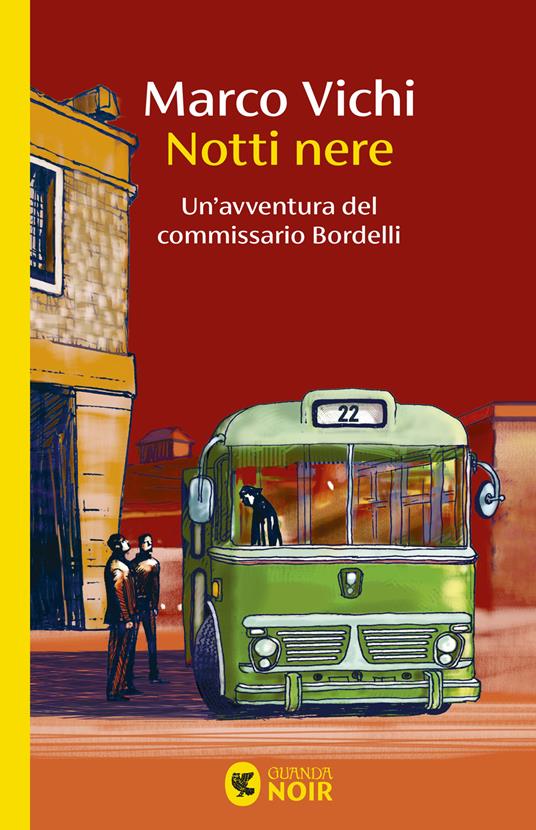
Proceeding with this section, we have Dark Nights (published in November by Guanda). While Italy is split between the World Cup in Mexico and streets full of protesting youths, Bordelli is contacted by Piras, now nearing promotion to commissioner. Suspended in a limbo, the retired policeman spends his days strolling as a retiree and investigating cases, but fate still has a surprise in store for him…
What It Seems
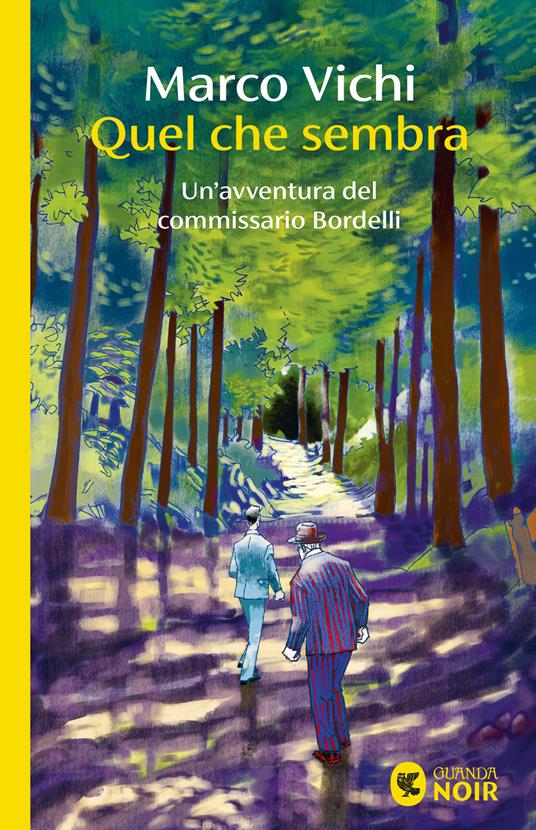
We conclude this Bordelli-focused section with What It Seems (Guanda), the author’s latest Bordelli book. This new adventure of the commissioner, who after retirement has been reabsorbed into Public Security as deputy chief, opens on Monte Ceceri, above Fiesole, where the legendary 1506 flight trial designed by Leonardo da Vinci with his device, the “Great Nibbio,” allegedly took place. The mystery at hand seems initially unpickable, but Bordelli and his right-hand man Pietrino Piras, who has become commissioner, will strive to trace the river of events back to the source from which the crime emanated.
Back to Index
Other Novels
The Tenant
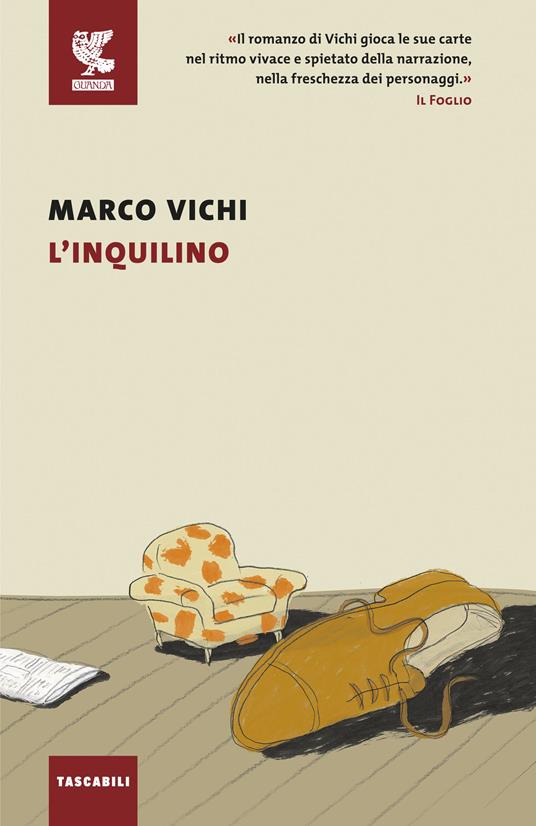
Among Vichi’s early works—released with less emphasis on the Bordelli figure—the novel The Tenant (Guanda) follows a financially pressed translator who, in a bid to control his expenses, takes in a lodger. Fred is disorganized, noisy, and gradually takes over not only the space but the life of Carlo, the homeowner. Getting rid of him proves difficult: his charm is irresistible. The plot darkens when a mysterious killer appears, and police suspicions fall on the translator and his eccentric guest…
Women, Women
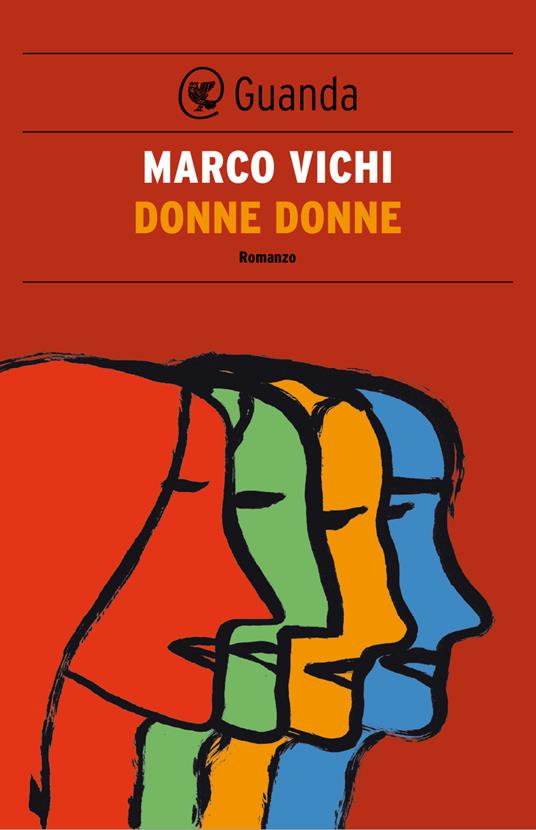
In Women, Women (initially released by Guanda, later reissued by Tea) the story follows Filippo Landini—an aspiring writer whose life is precarious: his computer is stuffed with unpublished manuscripts, he barely makes ends meet, and his neighbor imposes dreary gin-fueled evenings. His romantic life is equally precarious, filled with a string of superficial relationships with women. Dozens of female figures crowd the pages of what gradually reveals itself to be a “novel about women.” For Donne donne, Marco Vichi (Guanda, then Tea) offers a heartfelt tribute to the power of beauty and to the erotic tension toward the female universe.
The Brigand

In this novel, four men happen to find themselves seated at the same tavern table. Yet often, chance is merely one of the many faces of destiny. Not far away, a legendary, bloodthirsty brigand—Brother Capestro—ha loomed. Tales abound that agree on his cunning and ferocity. Drawing on the Italian legend, Vichi sets a tale in an eighteenth-century Tuscany where love and death, justice and passion intertwine.
Moonlit Black
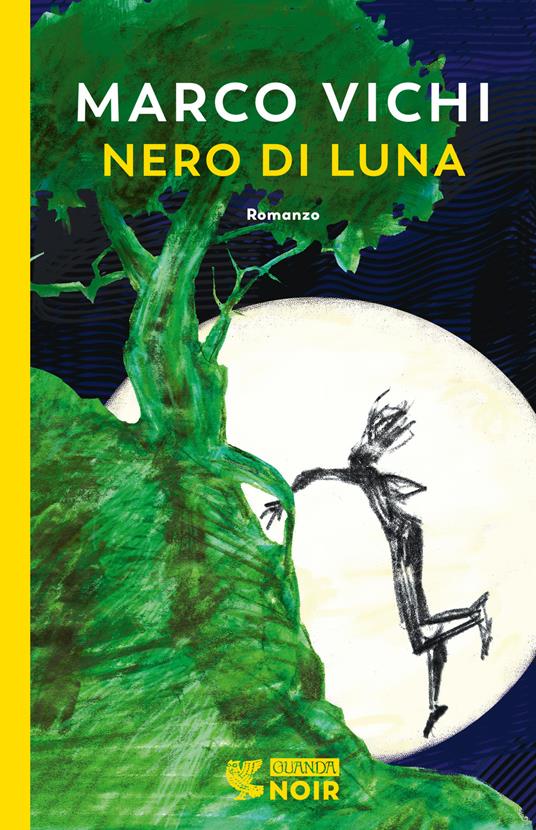
In Moonlit Black (Guanda), Vichi tells the story of Emilio Bettazzi, a young writer from Florence who moves into a countryside house that a friend of his, before dying, had rented. The place seems perfect for writing his next novel. Yet from the very first days, strange happenings unfold: heated voices of a quarrel resound from a villa believed to have been abandoned for years after a tragedy. Emilio tries to uncover these mysteries, asking questions, gathering stories, studying faces, and venturing at night into the villa and the surrounding woods. What he discovers will astonish him and bind him forever to those places…
For No Reason
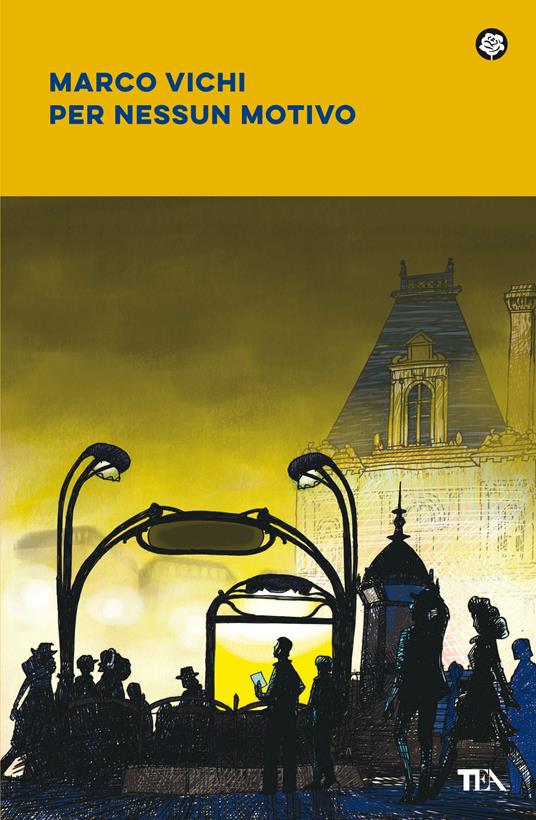
What can happen in a man’s life if an unknown truth from the past crashes into his present? In For No Reason (first published by Guanda, later issued by Tea), among Vichi’s most existential works, this perennial question pursues Antonio Bastogi, a businessman who, after spending years absorbed in work, retires to the Chianti hills. He is suddenly forced to discover that the past is not immobile, but dynamic, and can shift in an instant. A news item—an unimaginable one—will yank Antonio from his quiet life, sending him on a painful journey toward Paris to confront his experiences…
A Quiet Man
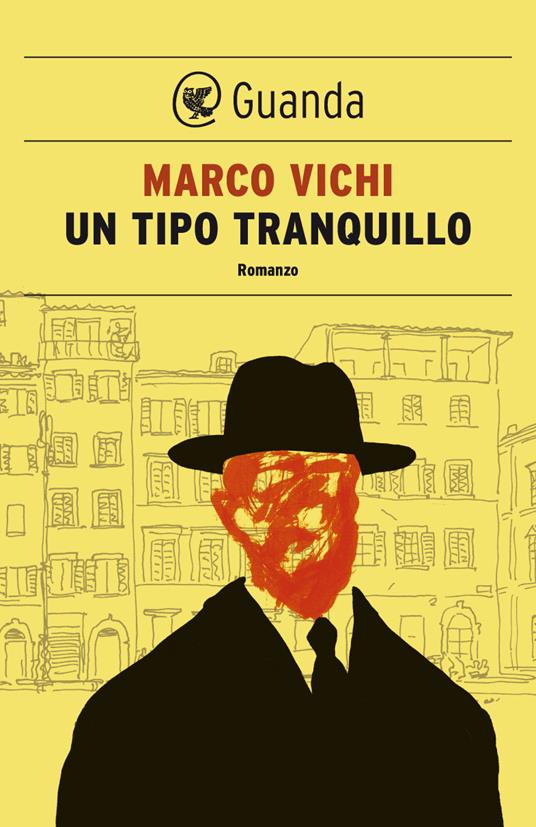
Normal life—the life of Mario Rossi, an accountant for a packaging firm in Scandicci and the lead character in A Quiet Man (Guanda). A routine that has carried him to sixty-three years of age, on the cusp of retirement. Yet one ordinary Friday evening, a tragic event seems to open every door he had closed, every possibility once merely imagined. And his mind becomes crowded with fantasies, mixing childhood memories, bringing him ever closer to that fragile threshold between malaise and horror…
The Vendetta
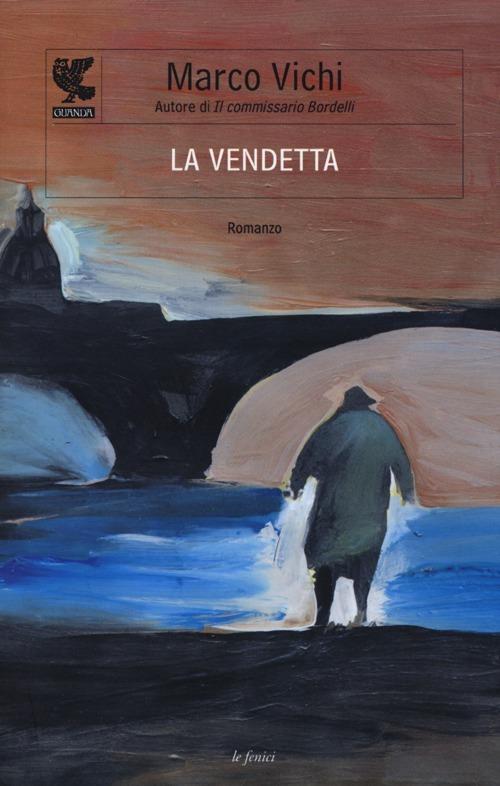
Rocco drags himself under bridges along the Arno: a meager existence consisting of cheap wine and cardboard to curl up in when night falls. There was a time when he was happy: with a job, his trusted friend Rodolfo, and his beloved Anita. But everything collapsed: Rodolfo betrayed him and took Anita away, who ended up prostituting herself in Turin, where she died. The war then swept away everything like a tidal wave. But now the former friend has returned, and for Rocco it is time to achieve the long-desired revenge, as told in The Vendetta (Guanda).
The Console
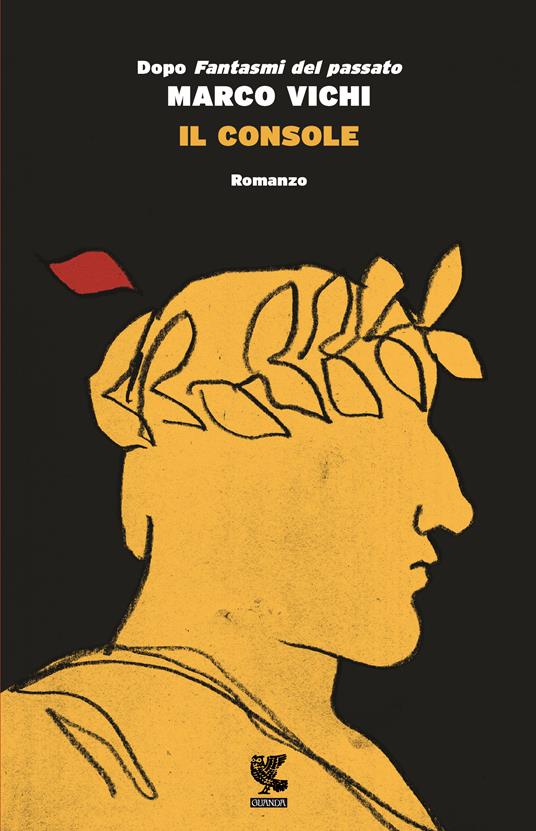
In addition to the Bordelli books, Marco Vichi also writes The Console (Guanda), where the writer from Tuscany recounts the turbulent and controversial times of Nero (Nero is a reference here to Nero/Tiberius-era). In those years, an elderly man, a consul for three consecutive years under Tiberius and later a governor in Samaria, writes a long letter to his sister, the beloved Drusilla, recounting an encounter that happened thirty years earlier with a slave who had come from Judea. The memory of that encounter—of the slave’s tale of her approach to Christ—still unsettles him: the world he believed in is ending, and a new era is about to begin.
Beyond the Limit
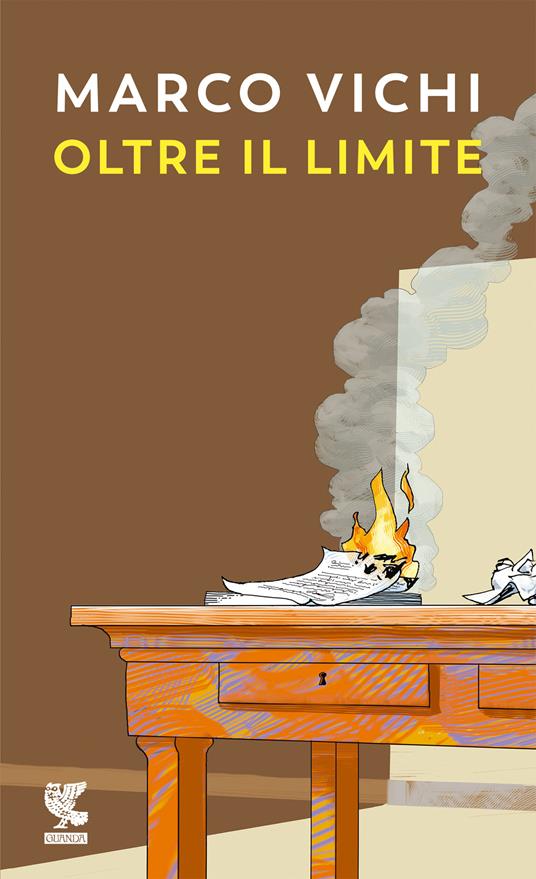
Certain authors push the boundaries in order to publish a book and achieve success. This is the reality for M. Ronzini, the protagonist of Beyond the Limit by Marco Vichi (Guanda), a writer with a closet full of pages waiting to be read. Could this be his big break? A publisher calls him in for an interview to commission a work he claims is destined for global success… What would one be willing to do to attain fame? What is the limit beyond which one loses, along with dignity, also one’s own self? A story with at least macabre implications about the dangers of success.
Shadows
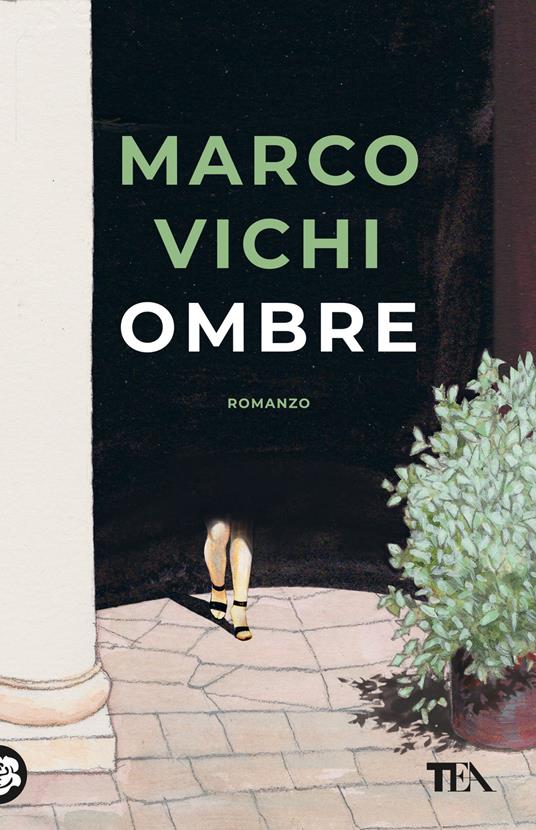
Shadows by Marco Vichi (Guanda, later Tea) tells the story of how the past is not immutable and irrevocably closed. Suddenly, in the most unexpected way, everything can change: when least expected, a sharp turn leads us to places we never imagined, reshaping our story. This is what happens to Luigi, a refined Florence-based publisher, who finds himself in an unforeseen situation. He becomes the first actor in a plot that will lead him to pursue a woman never to be forgotten…
Stolen Lives
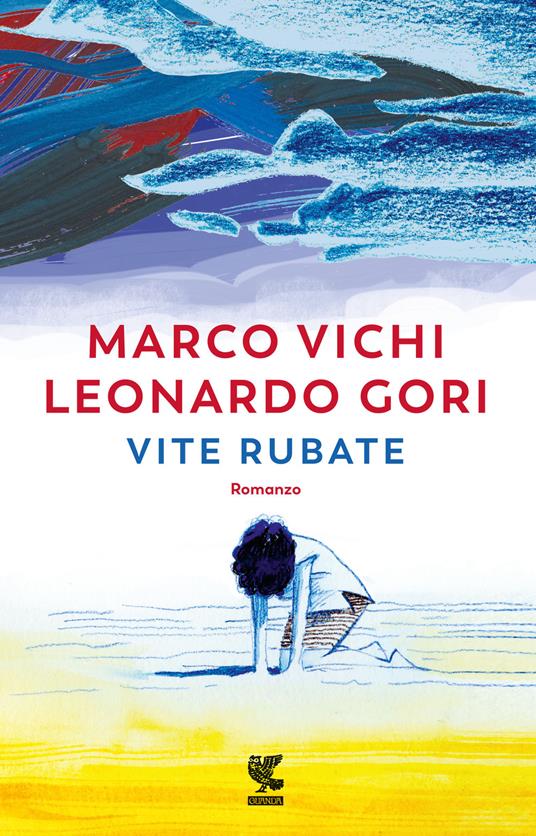
Among the latest works by Vichi is Vite rubate (Guanda), a novel co-authored with Leonardo Gori, which paints a stark reality. The protagonist, Marek, is unemployed but has done a bit of everything—truck driver, plumber, gardener. Perhaps he has finally found a chance to change his life: tomato-picking jobs are sought in Southern Italy, and he is ready to take it. Aleya, in contrast, has never been given the chance to dream. In Nigeria she discovered early that her beauty is a curse, her body merely a tool for the men who kidnap her and discard her as cargo on Italian shores. A terrible fate that one day, unexpectedly, crosses Marek’s path, sparking a glimmer of hope.
The Return
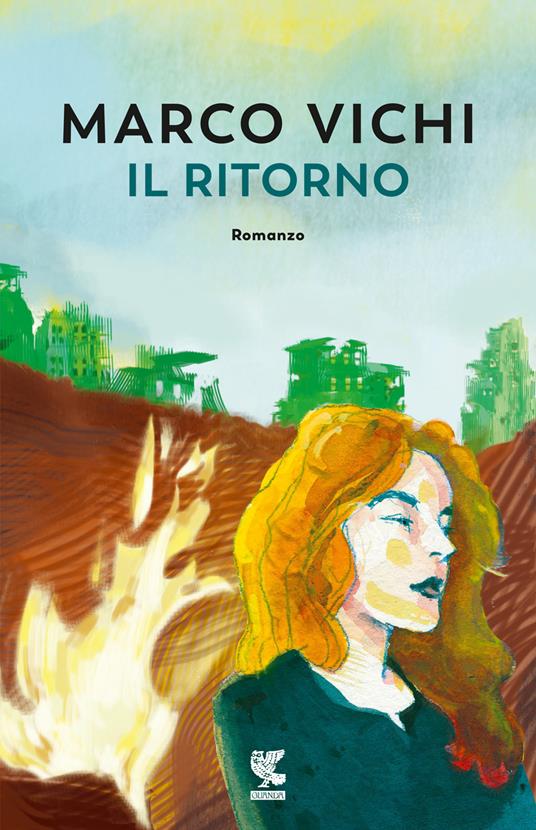
The Return is the latest work by Vichi, published by Guanda, which presents a woman who, born a boy, must endure the hellish journey to preserve her own identity. She will be forced to flee from many cages and liberate herself from prejudices and malice. Far from home, she will plunge into the horror of the Balkan wars, akin to many wars that stain these decades of apparent peace. In this breathless life story, every statement and denial is turned, amplified, and then dreamt, in an effort to reach a truthful point.
Eyes of a Child
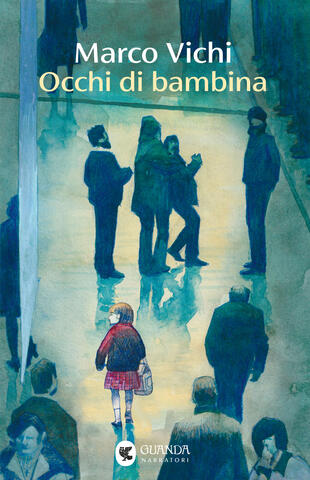
And we come to Eyes of a Child, a Vichi novel published by Guanda at the end of May 2025 and a Strega 2026 contender: Arianna is seven years old when her grandmother asks a life-changing question: “Do you want to go to your mother, or stay here?” With her grandparents, Arianna is happy, has many toys, can eat whatever she wants, and can sleep with them in the big bed at night. But she misses her mother… Set in 1985, this begins the adventure of a child who does not yet know what her odyssey will become. She will face the adult world and its quarrels, though she will experience what every child should—play, friendships, school, wonder, and discovery. Yet a constant sense of being temporary, of not being able to put down roots anywhere, remains in the background…
Back to Index
Other Stories
Darkness of Love
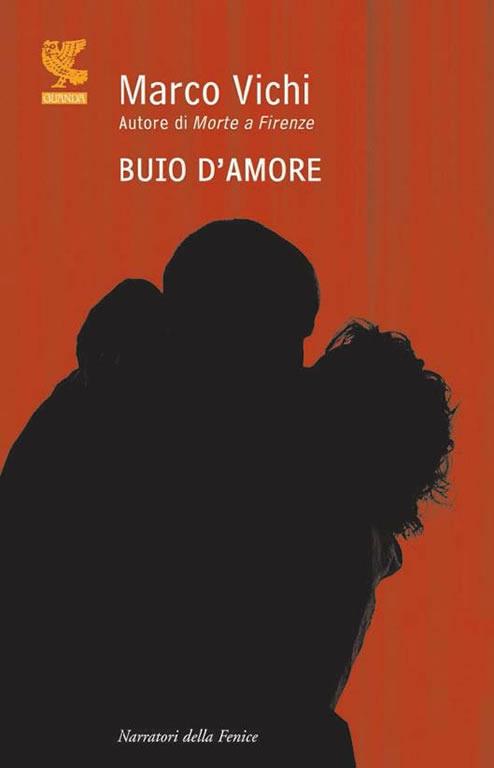
In the short-story collection Darkness of Love (initially published by Guanda, then reissued by Tea), the tales explore love as a search and a loss, ecstasy and confusion, but above all fear. Fear of not making it, of not being loved… Love is also the central thread of the collection, an intimate diary in which Vichi delves into every facet of being together, loving and losing.
Dark Tales
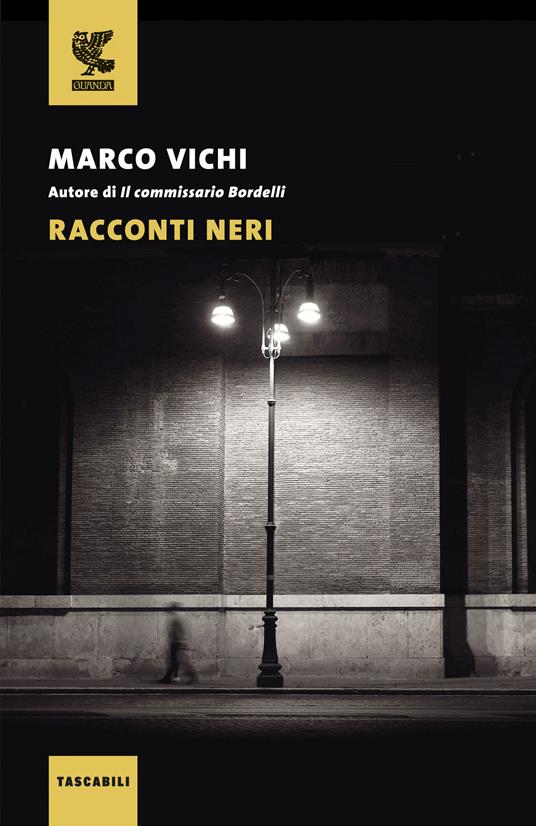
Dark Tales is a collection of pulp stories where there is no such thing as “unimaginable.” From “Amen,” where a young, wealthy, idle man is attacked by a strange old man who accuses him of having killed his closest friend, to “My Son, No,” where a father’s obsession with his son’s sexuality drives him to a cruel decision, Vichi presents atmospheric, morally charged tales that challenge readers to confront the darkness within daily life.
The Witch’s Forest
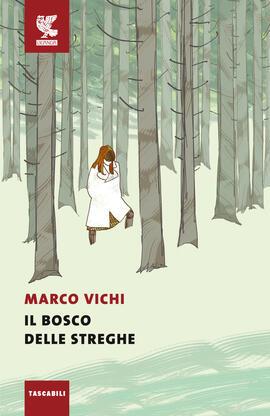
Short, fantastical, dramatic, dark, and funny: these are the coordinates of The Witch’s Forest (Guanda), a collection by Vichi that explores the infinite corners of the human psyche through different narrative paths. Many stories intertwine in these pages, guided by one fixed point: a love of stories and an insatiable desire to tell them.
If One Day
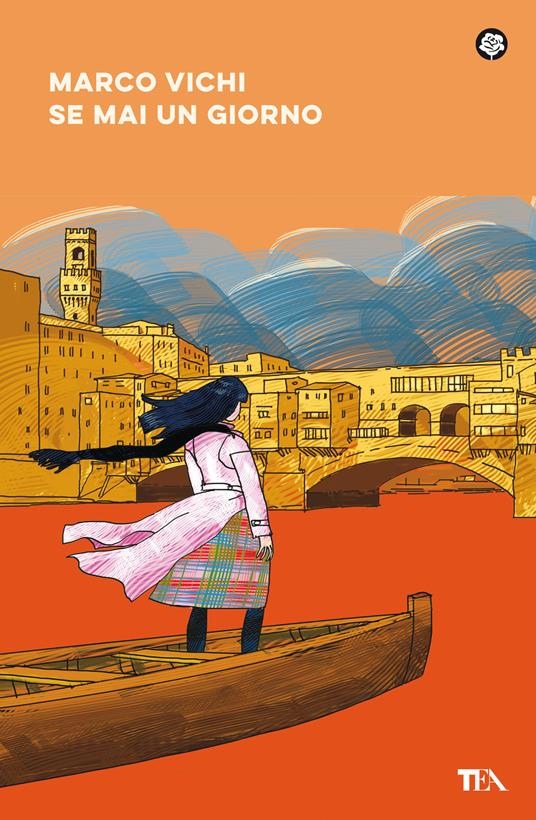
“If ever a day” by Marco Vichi (Guanda, later reissued by Tea) presents the dark side of a normal life… And many men and women—of this world and the other—belong to a universe populated by fascinating, comic, dramatic, mysterious, rebellious characters. Stories and destinies that demand to be heard.
Short Stories
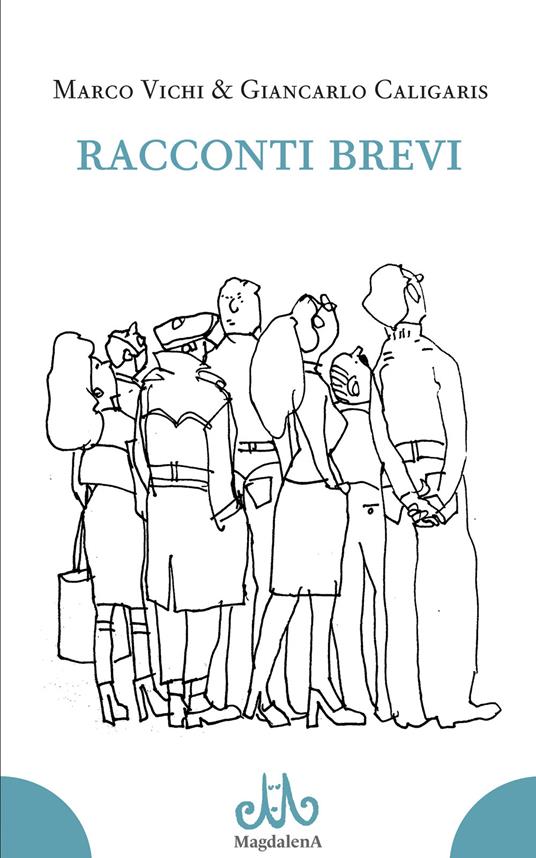
With words one can ride long gallops through the romantic forest of novels or take excursions into the garden of short stories. Humans have always told and listened to stories. Each person is formed by the stories they have lived and can tell, and listening helps us keep living stories in our hearts. In Racconti Brevi (Magdalena Edizioni), Vichi’s stories are accompanied by illustrations by Giancarlo Caligaris and offer another form of storytelling, where art visually narrates and comments on the emotions of the tales.
It’s About You
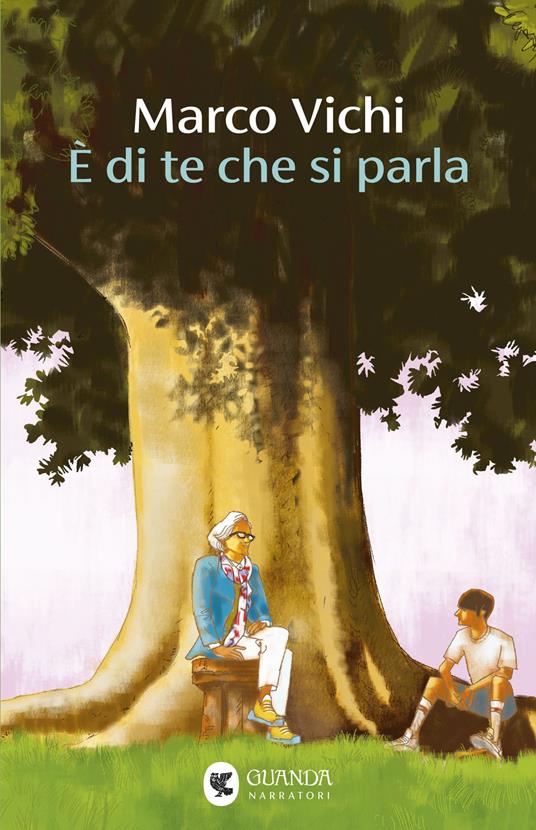
In the collection of stories It’s About You (Guanda, April 2026), Vichi speaks directly to readers—through the title itself—to emphasize how, in these pages, everyone can “see themselves,” share experiences and sensations with the characters who test themselves in a variety of situations, delivering acts of pure heroism as well as shameful baseness. The collection, in fact, “traverses the entire range of human emotion, from tragedy to comedy, from irony to sadness, passing through the nuances of love, friendship, family relations, and frequently ventures into the realm of literature.”
Back to Index
Other Books
Pilgrimage in the City
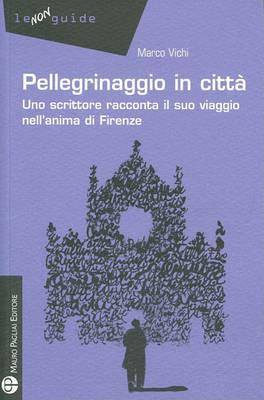
In Vichi’s oeuvre, Florence plays a central role, as shown by Pilgrimage in the City (Pagliai). Here the author immerses himself in the places of God, in days dedicated to God. He sits in the last benches: listening, asking, and taking notes. A journey among country chapels and churches like shrines of art, between Gregorian chants and gospel. A few kilometers from Florence and its surroundings, yet a strong desire to understand the path of different and yet strikingly similar communities in their search for God.
Died Twice
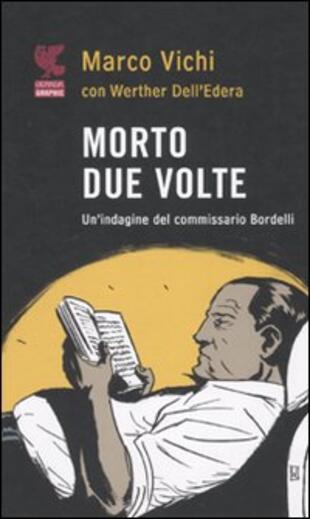
In Died Twice (Guanda) the Bordelli investigations also take the form of a graphic novel. The graphic novel Died Twice by Marco Vichi with Werther Dell’Edera (Guanda) recounts the adventures of a character who, having reached a Florence cemetery, notes a tomb that is too many. How is it possible that Antonio Samsa lies under two tombstones with two different death dates? What secret lies in a painful page of Italian history? Commissioner Bordelli faces one of his most challenging investigations in a evocative and gripping graphic novel.
Back to Index