“Life narrows or expands in proportion to our courage,” declared the French writer Anaïs Nin (1903-1977). This courage, when we manage to summon it within ourselves, allows us to handle difficult, delicate, or fearsome situations—precisely as when we face certain disturbing books.
Because, even when we approach a new story, we may encounter a dark atmosphere that is at the same time fascinating, to the point that we want to continue reading, immersing ourselves in a dense experience of anguish and wonder.
This strand, not by chance, has lately exploded on TikTok as well (under the #BookTok, the category #disturbingbooks has surpassed two million views), generating mixed feelings—between attraction and revulsion—and drawing attention with a trigger warning to themes that may cause the most discomfort to readers.

More recently, however, the disturbing has begun to intertwine with new expressions of contemporary horror, blending with romance and romantic comedy, and opening itself to queer and social perspectives.
So that, among the latest releases and those that will arrive in the United States soon, there are stories with echoes of Gothic, Dark Academia, and disturbing, in which ghosts, vampires, and other more-or-less humanoid creatures become instruments for telling of our time’s relationships, desires, discriminations, and fears.
The Perfume
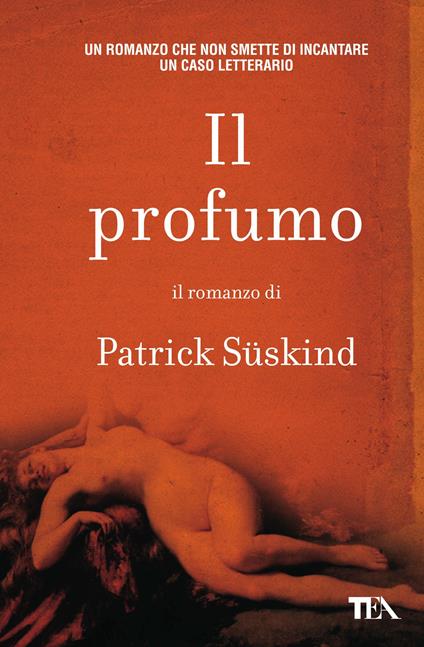
We begin with The Perfume (TEA, translated by Giovanna Agabio), the long-selling work by German writer Patrick Süskind (which inspired the eponymous film): the protagonist is Jean-Baptiste Grenouille, born in the most fetid place of 18th-century Paris, namely the Cemetery of the Innocents. An orphan, ugly and apparently indifferent, he has a disturbing trait: he gives off no smell. Yet he possesses a unique sense of smell, and his dream is to master the hearts of men by creating a perfume capable of arousing love in anyone who smells it. And to achieve it he is willing to do anything…
The Handmaid’s Tale
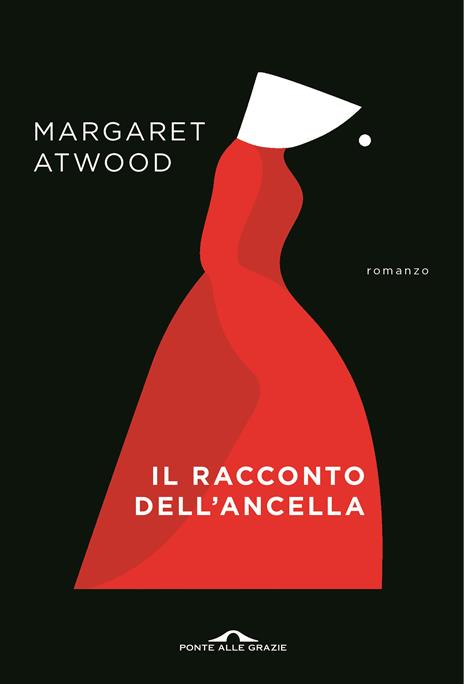
In The Handmaid’s Tale (Ponte alle Grazie, translated by Camillo Pennati) by Margaret Atwood, the cult novel that inspired the hit TV series of the same name, myth, metaphor, and history fuse to denounce totalitarian regimes. Narrated by a woman named Offred, the work is set in a monotheistic world founded on the exploitation of the so-called Handmaids, the only women still able to procreate. But even the most repressive state cannot crush all desires, and from this will depend the possibility of a rebellion.
American Psycho
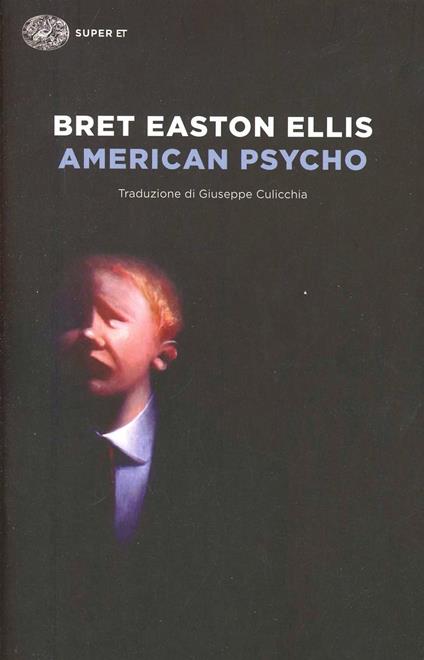
Patrick Bateman is young, handsome, and rich. He lives in Manhattan, works on Wall Street, and with colleagues Timothy, David, Patten, and Craig, frequents the city’s trendiest venues, the most exclusive gyms, and the bathrooms where the best cocaine in town circulates, discussing new restaurants, burly waiters, and masculine elegance. But, as Bret Easton Ellis recounts in the cult American Psycho (Einaudi, translated by Giuseppe Culicchia), his life is full of disturbing details, which, when darkness falls on New York, drive him to become a cold, methodical, and ruthless man.
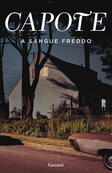
A sangue freddo
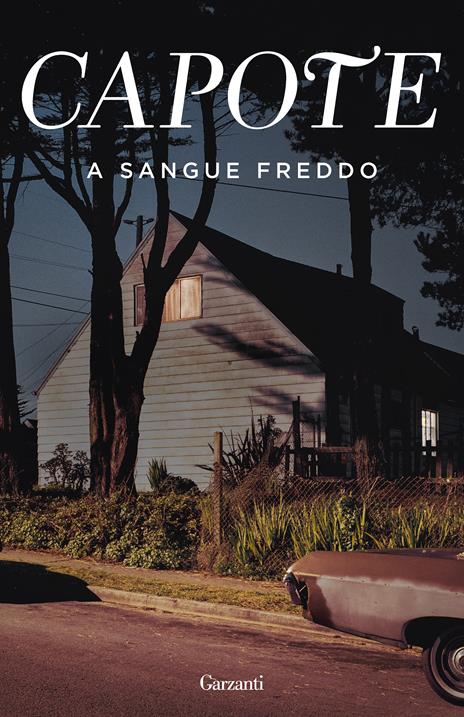
Let us continue this reading path dedicated to disturbing books with A Cold-Blooded Murder (Garzanti, translated by Alberto Rollo) by American author Truman Capote (1924-1984), considered by many the book that gave birth to a new literary genre, halfway between journalistic reportage and narrative. It is 1959 in Holcomb, Kansas, when a brutal murder occurs that Capote reconstructs with his friend and fellow writer Harper Lee (1926-2016), exploring the circumstances of this terrible crime and the impact it had on those involved, in order to delve into the deepest nature of American violence.
The City of K. Trilogy
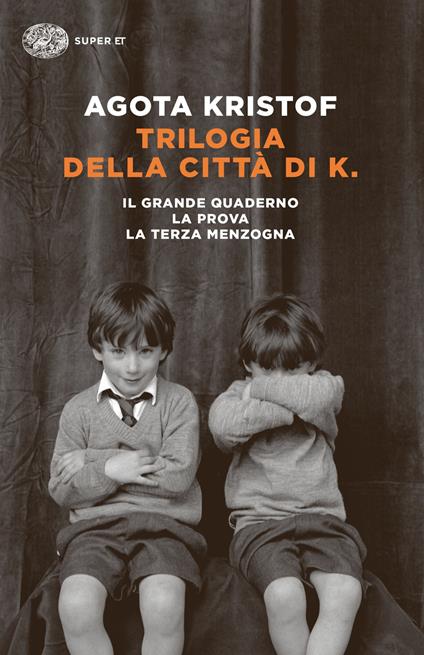
Also the The City of K. Trilogy (Einaudi, translation by Armando Marchi, Virginia Ripa di Meana and Giovanni Bogliolo) by Ágota Kristóf (1935-2011) portrays an era that seems to produce only the deformation of the world, and forces us to question historical responsibilities still dark. A coming-of-age novel in which the twin protagonists, Lucas and Klaus, born in an Eastern European nation occupied by foreign armies, choose two different destinies: Lucas remains in his homeland, Klaus flees to the so-called free world. And when they meet again, they must confront a country of moral ruin.
Folly
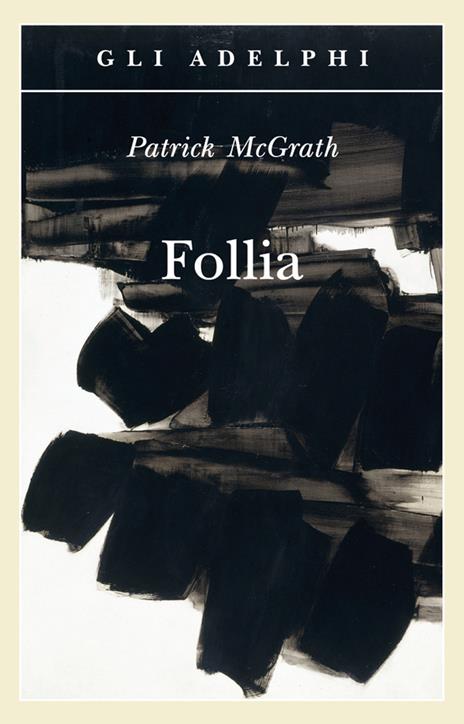
With Folly (Adelphi, translated by Matteo Codignola) by Patrick McGrath, rediscovered thanks to TikTok, we confront a grand tale of love and death, and the perversion of those who observe it. From inside a grim Victorian criminal asylum, a psychiatrist begins to recount the most disturbing clinical case of his career: the passion between Stella Raphael, the wife of another psychiatrist, and Edgar Stark, an artist imprisoned for uxoricide. At the end of the book, one is left to decide whether the “folly” running through the pages concerns only the protagonists or also the eye that narrates their story.
It
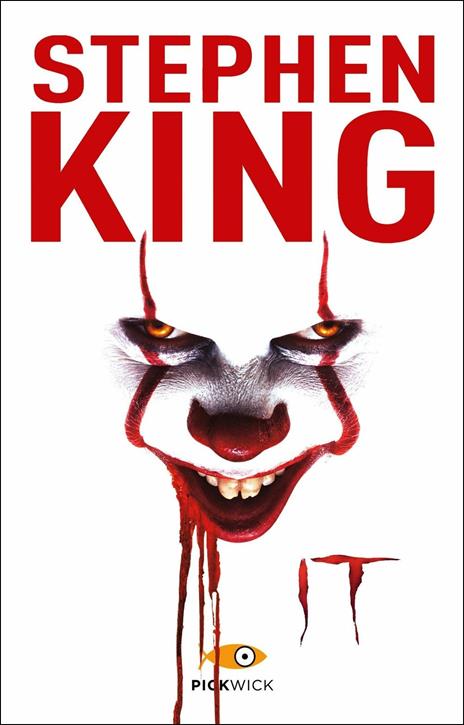
We move now to a Maine town where an amorphous and monstrous creature awakens: It (Sperling & Kupfer, translated by Tullio Dobner), which gives its name to Stephen King’s famous novel It (born in 1947). The author, long considered the master of horror, has inspired numerous films and TV series with his bestsellers. To defeat It, the children who were the protagonists of the story, now grown, must distance themselves from their families in the hope of neutralizing it, facing their fears together through an unbreakable friendship.
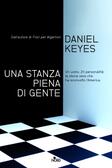
A Roomful of People

Set in the 1970s. Twenty-two-year-old Billy Milligan suffers from a severe dissociative identity disorder in which as many as 23 distinct personalities live in his mind, each one at times taking control and pushing Billy to behave in unpredictable ways. It is thanks to his cooperation that Daniel Keyes (1927-2014) wrote The Minds of Billy Milligan (Editrice Nord, translated by I. C. Blum and N. Stabilini), a firsthand account that reconstructs his true story, allowing us to enter that crowded room that is his psyche.
Breasts and Eggs
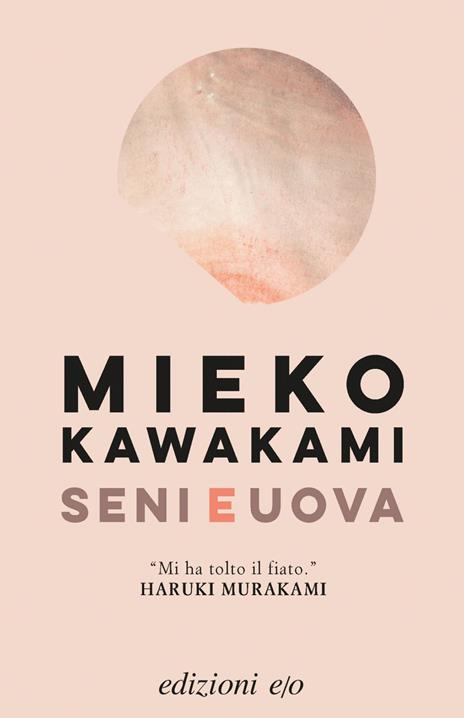
In Breasts and Eggs (e/o, translated by Gianluca Coci), Mieko Kawakami tells the journey of three women who confront oppressive customs and uncertainties. Makiko goes to Tokyo to get affordable breast implants. She is accompanied by her daughter Midoriko, unable to accept the changes in her adolescent body and unsettled by her mother’s desire. Ten years later Natsu, Makiko’s younger sister, returns to Osaka to become a mother in a specialized clinic, and will confront prejudice and issues related to assisted reproduction.
A Little Life
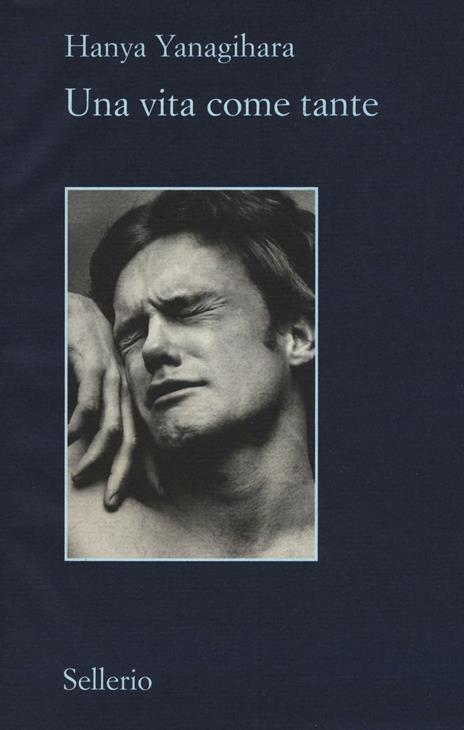
In a bustling and sumptuous New York, A Little Life (Sellerio, translated by Luca Briasco) by Hanya Yanagihara is a disturbing book that tells the story of four friends who have stayed close since youth. Jude, a brilliant and reserved lawyer, is their anchor. For him, the friends owe him particular care, because his life oscillates between redemption and self-destruction. And so, around Jude—his past, his struggle to win a future—are formed fields of forces and tensions, loyalty and betrayals, dreams and despair. And his story becomes a meditation on the cruelty of human beings.
Sad Tiger

One of the most talked-about disturbing books of recent years, which among other recognitions also won the European Strega Prize in 2024, is then Sad Tiger (Neri Pozza, translated by Luciana Cisbani) by Neige Sinno, telling of the sexual abuse suffered from her stepfather since she was around nine years old (here is our interview with the author). It is not merely a personal memoir, but an attempt to find simple and precise words to declare the irreparability of the damage; it is the urgency of rendering a collective testimony by refusing the rhetoric of victims.
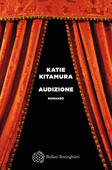
Audition