
Marie Petitcuénot, Wild Hours, Héloïse d’Ormesson Editions, 20/08/26, 144 pages, €17
The Seventy-Third Object
On the white tablecloth stretched along a wall, honey and the rose sit beside knives. The placard delivered in the morning states that the artist will assume full responsibility for whatever occurs, thus making her the seventy-third object in the room. Alone in the adjacent room before the doors open, she keeps in mind the spectators’ role as artists. This reversal, Marie Petitcuénot takes at face value and traces its genealogy with Marina Abramović’s consent, whom she thanks at the head of the volume beside Héloïse d’Ormesson Editions, so that this narrative of consent begins with consent. Before surrendering herself to strangers, this flesh has learned to obey.
Born to Montenegrin partisan parents who had entered Belgrade’s red bourgeoisie, she grew up in an apartment seized from a Jewish family deported, where her parents slept with a loaded revolver by the pillow and where her mother woke her to remake her bed in square fashion. The weapon laid on the table reveals ancestral links in that conjugal chamber. The regime and art traveled along the same path, that of the body subjected to trial. The childhood parades provide the instrument of the performance when the artist, whose arms were one spectator’s horizontal gesture, endures like a recruit awakened at four in the morning for a drill that lasts until dawn.
Her first painting lesson was a fire, pieces of fabric coated with sand and color that a family friend set alight, calling it a sunset. Art took for her the form of a moment that consumes itself. Granted by Tito to the students of the Beaux-Arts, the former club of the wives of the officers of Belgrade’s secret police had become the Belgrade Student Cultural Center, where an entire generation learned to create beyond the state’s reach with the state’s permission. In Naples, the placard replays this freely granted liberty. The parallel is apt, since the artist, herself emancipated by the grace of an autocrat, grants in turn permission to forty guests and watches what each does with this power.
In Naples, the placard replays that granted freedom. The parallel is apt, since the artist herself, freed by the grace of an autocrat, in turn grants permission to forty guests and observes what each does with this power.
Normal People
The other audacity lies in the crowd, among whom half a dozen figures are given a past. The present of the performance answers the past perfect of their lives. Among the guests, one encounters the wife of a locksmith, eldest of seven children, whose twenty-five years of marriage have turned into belated anger; a friend of Andrea who has returned from Tokyo, a rose in hand; a dancer too tall for the Opera who guards the secret of other women; a Chicago-born critic who has seen Yoko Ono subject her dress to the public’s scissors. The words of the title What Rumbles return in Marina Abramović’s mouth. The intimate rumble of the mother behind the first novel becomes that of a gathering. The book rightly houses violence in the folds of ordinary existences—the conjugal boredom, the fatigue, the wear of a life behind a service counter, the unspoken desire, dormant reserves that permission awakens.
Andrea wanted a bare gallery, free from the Madonnas and the Baroque that saturated her family’s homes, but Naples has the last word. With the Polaroid on the table, the audience fabricates images of the Madonna, while the dancer combs the artist and stamps her tears with a fourfold-folded handkerchief. A line had announced this from the crowd’s entrance: “Those who come as profanes are caught by the sacred.” Exposed and yet unattainable, Marina Abramović’s face provokes in Andrea more than the knives. The novel aligns with Emmanuel Levinas, for whom the face of the Other signifies the prohibition of murder, to the point of spelling out in full the commandment of the Decalogue.
Writing circulates from one consciousness to another, even into the minds of those who take action. The dialogues blend into the narration and sentences accumulate sensations until they are exhausted. The book banishes even the question mark, so that each question falls flat, like a doubt deprived of its inflection. The reader witnesses the evening as one witnesses a torment, condemned to the first sense of the verb when all within him calls for the second, that of aid.
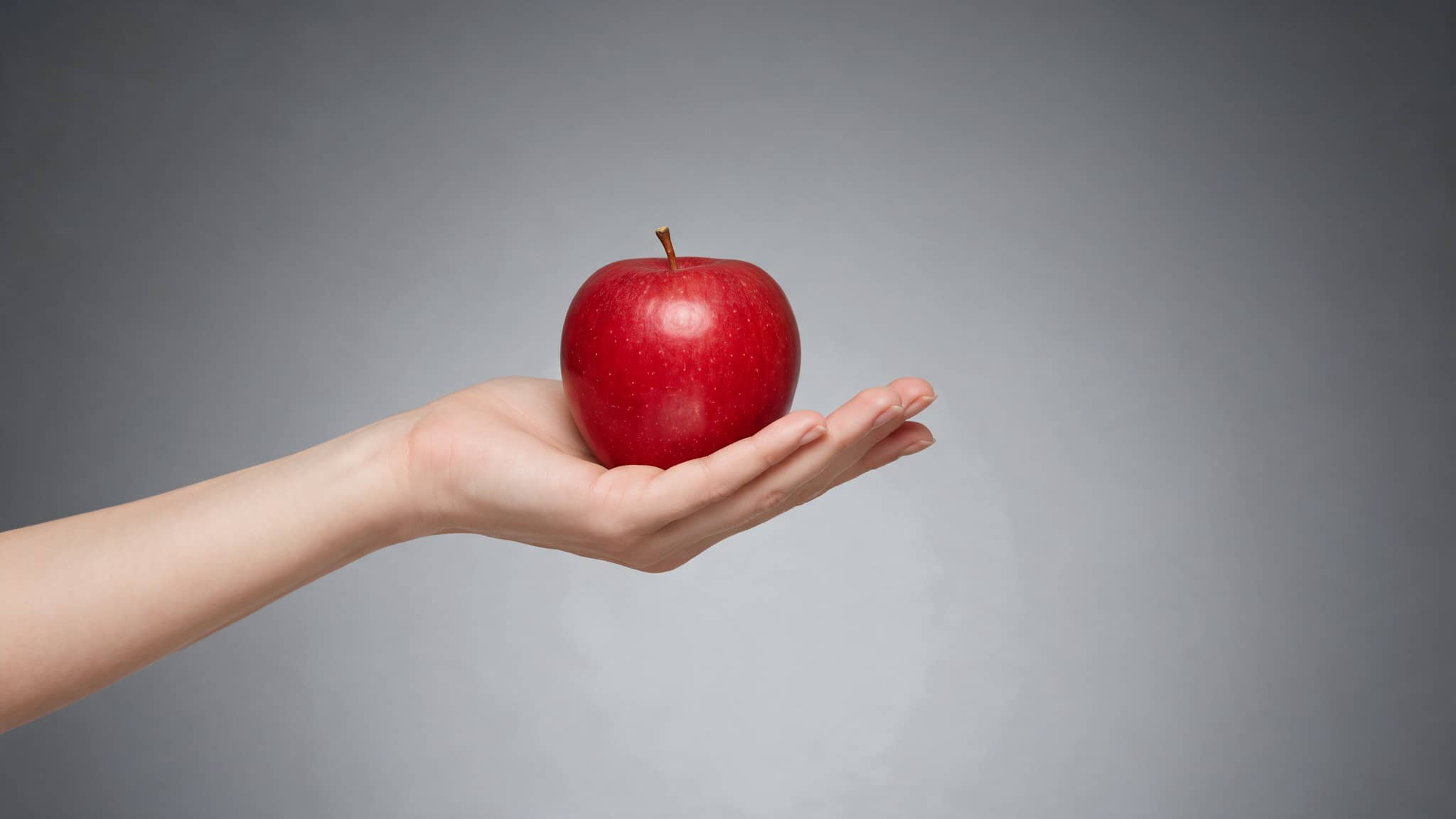
The volume closes with an inventory of sixty-nine objects, opened by a pistol and closed by an apple, this fruit—presented to the reader, the forty-first guest—whose tradition devotes knowledge of good and evil to the reader, the forty-first guest. May one of autumn’s major prizes crown this novel, for Marie Petitcuénot, a novelist of considerable scope, achieves there what the artist sought in Naples: to reveal to everyone what they carry inside themselves, in a language precise enough that dread there becomes thought.
The article Wild Hours: the female body facing unleashed collective impulses first appeared on Mare Nostrum.
