
We are born magical and then we forget it; without anyone explaining it to us, nor authorizing us to do so, while we are children everything responds to our command, so everything is within our power and nothing in the world can convince us otherwise. Speaking with animals, for example, is a daily habit (as in Willow and the Magic Forest by Sabine Bohlmann, Gribaudo); a stuffed teddy bear is our companion on a thousand adventures (in Winnie-the-Pooh by A. A. Milne, Salani); a cast-iron pan is all we need to face the Queen of the Fairies (in The Intrepid Tiffany and the Wee Free Men by Terry Pratchett, Salani).
Childhood: the age of magical thinking
And this especially for the early years of life: not by chance defined as the age of magical thinking, the childhood is an era that (almost) all of us regret. Why then were we not ashamed to be “extraordinary,” and the realm of fantasy was all the more the rule, never the exception.
After all, there is no one who does not recognize how much easier it was to resort to enchantments than to understand certain adult rules; sometimes dictated for reasons hardly comprehensible (think of the absolute ban on braids imposed by Miss Trunchbull in Matilda by Roald Dahl, Salani), the conventions of grown-ups tend to curb our creative freedom, ending up making us all alike to the point of losing awareness of who we truly are (were). Magical.

The archetype of child goddesses
As old age is connected to the beyond, on the other hand, the very first years of life are linked to mystery; still unaware of the alphabet and without any rudiments of socialization, we come into the world emitting a cry that we barely translate into words. And yet it allows us to communicate to the outside world all that we need to survive, almost as if it were a spell spoken unknowingly.
Not by chance, in many religions the child goddesses are the oldest to be questioned: from the puer aeternus of Greco-Roman mythology to the Bambinello of Christian religion, innocence has always been a language of the divine, because it can speak to humans through a faith that does not require understanding. A concept that we also find in Dragon Pasta by Silvana Gandolfi (Salani) with reference to the kumari, the child goddesses of Nepal.
But who are the magical girls and boys of literature (and what powers do they have?)
Hard to compile a list, because there are many and they grow generation after generation; endowed with cleverness and a childlike disposition, they evade the logic of maturity not out of stubbornness, but rather to preserve a certain spark of wonder.
Rather, to remind readers of the importance of guarding the so-called Fanciullino, that is the inner voice that, in the face of daily challenges, always counsels us to draw on our childish side (as in Giovanni Pascoli’s eponymous essay, Feltrinelli, which says: “So we grow up, and he stays small; we kindle in our eyes a new desire, and he keeps fixed his ancient serene marvel; we enlarge and rust the voice, and he still makes his faint ring sound as a bell”). Because within it lies a quality of reaction—and of wit, and of joy—that in growth we would otherwise risk exhausting (regardless of age). And let us not only speak of witches or wizards…
Pippi Longstocking by Astrid Lindgren, an extraordinary force and the power of autonomy
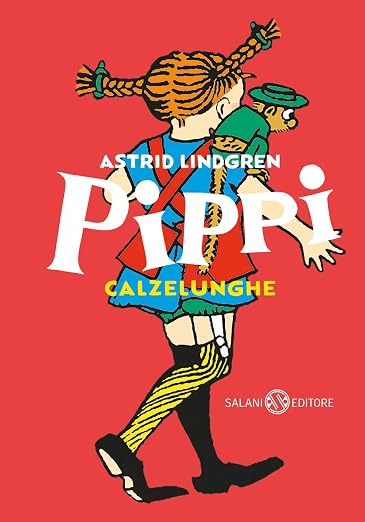
She is perhaps the prototype of the extraordinary girl; endowed with an exceptional strength, Pippi Longstocking by Astrid Lindgren – Salani, translated by Donatella Ziliotto, Annuska Palme Sanavio and Samantha K. Milton Knowles – lives entirely alone at Villa Villekulla because her mother has flown to heaven and her father is a king of the Southern Seas. Responsible for her own well-being, therefore, Pippi does whatever she wants: she adopts a macaque named Mr. Nilsson, does not go to school, and occasionally tells white lies. Especially to her two heart neighbors Tommy and Annika; accustomed to a canonical education, they admire Pippi—and who could blame them—for her ability to express herself to the utmost. But also for the capacity to self-regulate: if she disobeys herself, Pippi rebukes herself; and if that is not enough, she ends up giving herself a spanking (this is a 1945 novel, so there is no reason to frown).
Harry Potter by J.K. Rowling, the Expecto Patronum and the power of believing in oneself
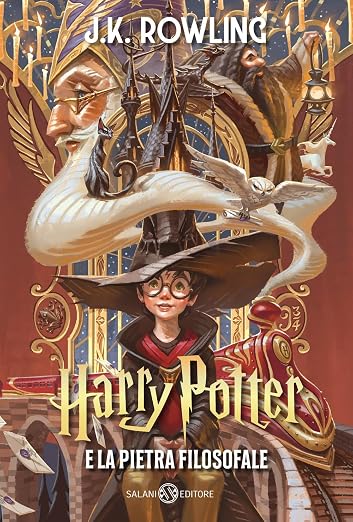
Starting from Platform 9¾ at King’s Cross station, the Hogwarts Express leaves London every year on September 1 to reach Hogsmeade Station. Aboard is an eleven-year-old boy escaping from the Muggle world; with no experience in defending against the dark arts (except when he protects himself from the Dursleys’ abuse), Harry Potter by J. K. Rowling, Salani, translated by Stefano Bartezzaghi and Beatrice Masini, soon proves to be the most famous wizard in all of literature. Because, free from adults’ preconceptions—who had always made him feel wrong—he discovers within himself the magical formula to make himself count. An “Expecto Patronum!” (the belief in one’s own potential) capable of triumphing over everything, including the fear of never being enough.
Cat and Gwendoline in Bewitched Life by Diana Wynne Jones, the scacciasporcizia spell and the power of humor
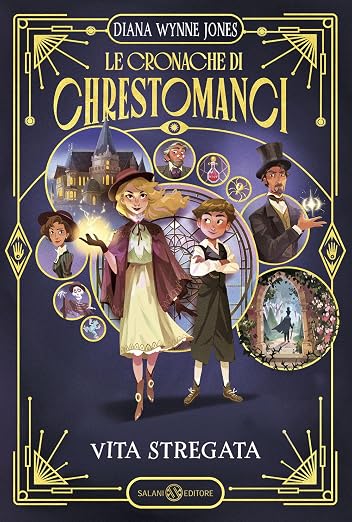
Very often the protagonists of fantasy fiction, children (magical) also have a special place in the category of middle-grade, i.e., the range of novels aimed at readers roughly between 8 and 12 years old. Among the many generational successes—such as The Amulet of Samarkand by Jonathan Stroud or the Artemis Fowl books by Eoin Colfer—a particular commendation goes to Bewitched Life by Diana Wynne Jones (Salani, translated by Mariarosa Giardina Zannini). Not only for being the first volume of a saga that has defined children’s literature (The Chronicles of Chrestomanci), but above all for introducing a pair of siblings—Cat and Gwendolen—who make us laugh with their humorous and nonsensical spells. For instance, the mischievous witch uses a “scacciasporcizia” formula to clean the entire house, or, to take revenge on strict limits imposed on her, transforms a gala dinner into a procession of hideous monsters. All while the poor brother—who still does not know he has nine lives and is the most powerful Enchanter ever—ends up suffering the consequences…
Olga di Carta by Elisabetta Gnone, a mise en abyme and the power of storytelling
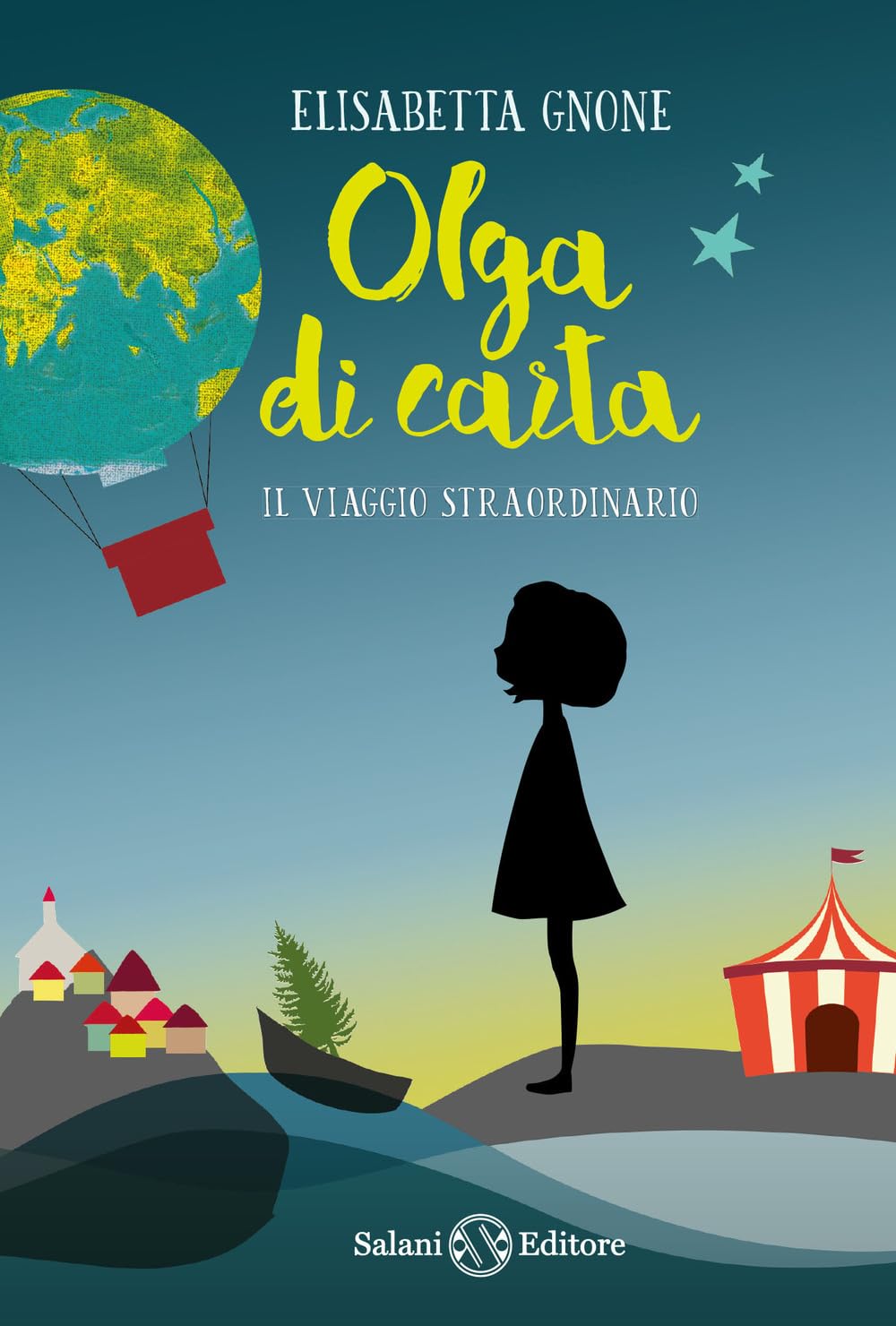
If others do not tell us who we truly are, we should be the protagonists of our own stories. As Olga Papel, the mysterious narrator of Olga di Carta, shows us; set in two parallel dimensions—the village of Balicò where the protagonist actually lives, and the unnamed one where her imaginary counterpart moves—the mise en abyme of Elisabetta Gnone describes the incredible journey of a paper girl in search of a legendary witch. Who drags her out of the book to transform her, at last, into a “normal” person (who is, after all, the same narrator). After all, it is in her fantasy tales that little Olga Papel retreats to entertain her friends Mimma and Bruco and thus escape boredom; an embodiment of her various fears (such as the fear of growing up or of inadequacy), the world of the two Olgas is perhaps the threshold between childhood and adulthood. The place where we are still magical, because no one has yet told us how we must become.
Alice in Wonderland by Lewis Carroll, a filter on the world and the power to be amazed
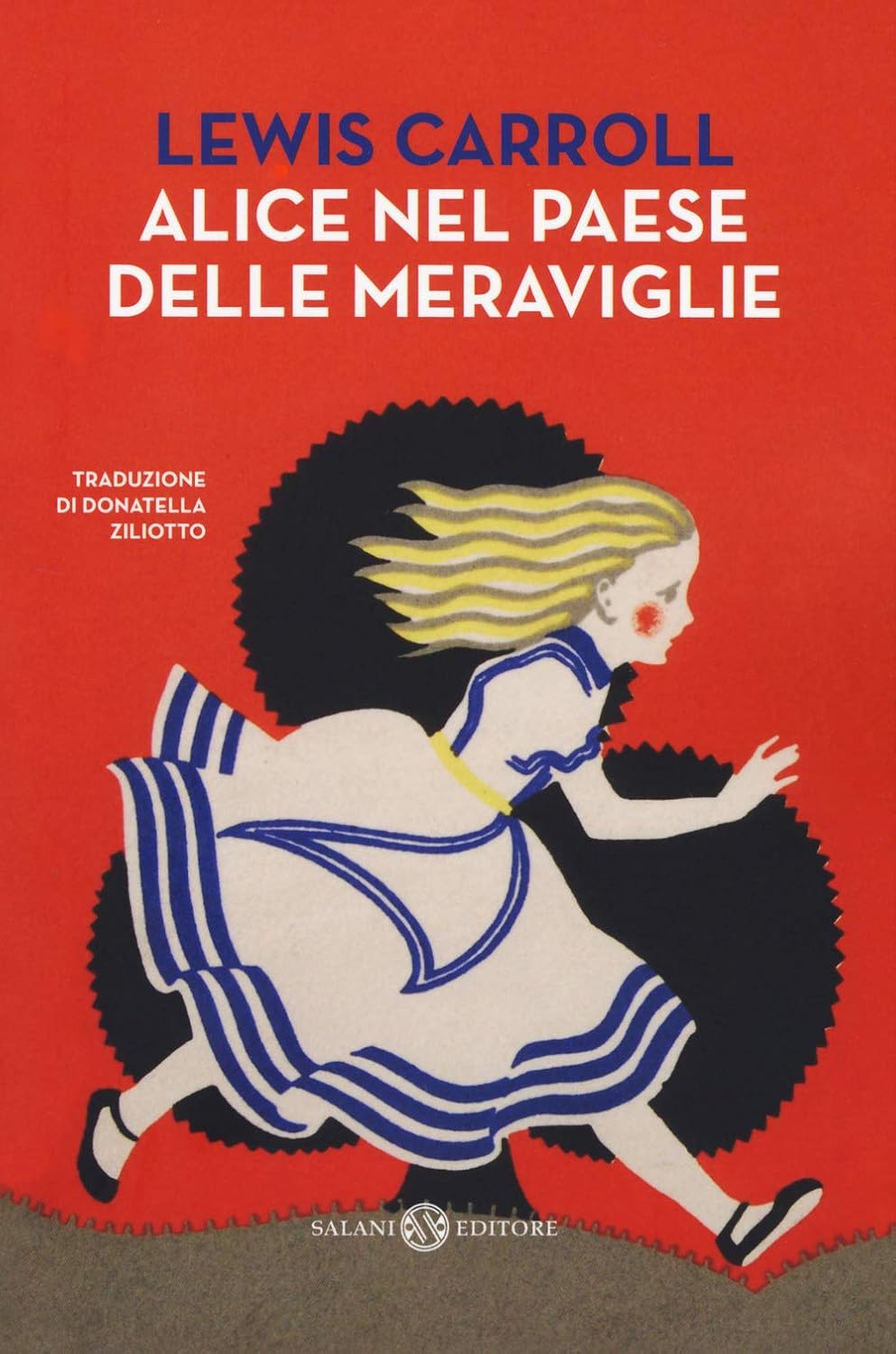
Nobody tells us about what it feels like to be magical children better than Lewis Carroll’s Alice’s Adventures in Wonderland (Salani, translated by Donatella Ziliotto and Antonio Lugli). Inspired by the real figure of young Alice Liddell, the gaze of childhood on life events is almost a filter that reinterprets everything, eventually making it extraordinary. Thus the enigmatic Caterpillar represents the identity crisis (for it is a caterpillar that will become a butterfly); the frantic White Rabbit embodies the neuroses of modern society (always in a rush and with minutes counted); the Queen of Hearts embodies all the idiosyncrasies of being grown up (since she cannot tolerate anyone and sees everyone as potential enemies). Until Alice, whom we find sleeping under a tree while her sister reads a book to her, finally opens her eyes to the true nature of adulthood. Which is much less wonderful than we dreamed it would be as children, unfortunately.
Augustus in Wonder by Raquel Jaramillo Palacio, a group of friends and the power to look beyond
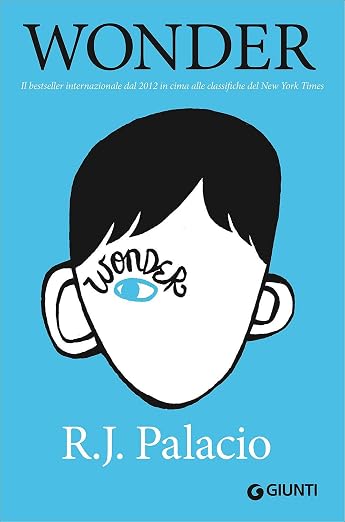
Among the many superpowers we have as children, there is one we should not lose: the ability to look beyond appearances. As the students of Beecher Prep School remind us in the novel Wonder by Raquel Jaramillo Palacio (Giunti, translated by Alessandra Orcese). When the small Augustus Pullman joins middle school, he really does not know what to expect; afflicted by a severe craniofacial deformity, he has always studied at home, protected by his family and shielded from curious looks. And certainly his arrival in class does not look promising; scorned by his own peers and teased by the bully Julian, for “Auggie” it will not be easy to open up to friendship (except with Summer, who from the first day sits beside him during lunch). But this is just the beginning of the school year (and the novel); thanks to his incredible irony and aided by a trip to Broarwood Nature Reserve, Augustus soon finds himself surrounded by the affection and care of his new classmates. Who, in the subsequent chapters of the saga, will describe Auggie’s relationship from their own points of view. Demonstrating that discrimination is not an innate characteristic of the human soul, but rather a distortion that grows with growth (and with the example of adults).
Trisha,The Girl Who Loved Tom Gordon by Stephen King, a ferocious bear and the power of courage

On the opposite side of the extraordinary, no one fears more than magical children. Because their bond with the subtle world is the same that makes them vulnerable to the intrusions of darkness. Here are the childhood fears (of the dark, of growing up, of abandonment) that become real demons capable of disturbing sleep. Even for us adults, especially when reading The Girl Who Loved Tom Gordon by Stephen King (Sperling & Kupfer, translated by Tullio Dobner); tired of the continual arguments between mother and brother, the little Trisha ends up wandering into the woods during a hike in the Appalachian Mountains. Where she remains lost for several days: with no adult to count on (apart from her idol Tom Gordon, a Red Sox player to whom she prays as if he were a protective deity), Trisha must worry as much about finding her way home as about surviving a chase by a ravenous bear. Which, in truth, is also the God of the Lost, an evil entity that wants to kill her and whose face is made up of wasps. Because children have so much imagination, even when it comes to terror.
Momo by Michael Ende, the “joyful degrowth” and the power of enjoying the present
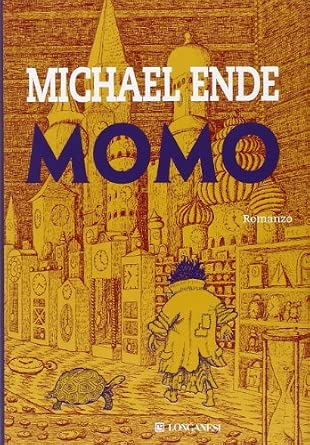
A society that nudges us to mature too soon; chased by the logic of production (and patriarchy, and consumerism) we grow in a state of constant worry, unable to enjoy the present moment and always in search of goals to achieve. As if childhood were a hurdle to overcome: recruited by the girl Momo against the tricks of the “Grey Gentlemen” (who would convince the villagers to give up their free time in exchange for phantom interests), in Michael Ende’s novel, Longanesi, translated by Daria Angeleri, the battle for the here and now represents, in effect, what we would call a movement of happy degrowth. Because Momo does not demand anything in particular, except her own right to be present: a point of reference for her fellow villagers (who come to her when they have a problem), a playmate for the other children (who gather with her among the ruins of the amphitheater), a fearless heroine with her allies Master Hora and the turtle Cassiopea (who will help her restore to humanity every minute of freedom that has been taken away). From the same author as The Neverending Story, Salani.
The Adventures of Peter Pan by James Matthew Barrie, a shadowy pixie and the power to stay a child

It is said to possess the Peter Pan syndrome: those who never want to grow up; the protagonist of James Matthew Barrie’s duology, published by Newton Compton, translated by Paolo Falcone, since 1906—the eternal child—lives a bit here and a bit there between the Kensington Gardens (the real world) and Isola che non c’è (the fantasy). For, like all characters who belong to the Fairy Folk—Captain Hook, Tinker Bell and Tiger Lily included—he is also a dimension-crossing traveler; having left the cradle at just seven days old after hearing his parents say that one day he would grow up, the legendary shadowy pixie moves beyond our world to welcome all the Lost Boys, i.e., those who have fallen from their cradles when the nannies weren’t looking. Almost to say that, even if he seems to disappear, our inner child truly never dies. But rather continues to exist in a distant elsewhere, where those who wish can always access him. Like a Wendy now a mother to whom Peter promises to visit every spring. On the condition that the friend does not forget him (and the magical girl who was).
George by Alex Gino, gender identity and the power of being true to yourself
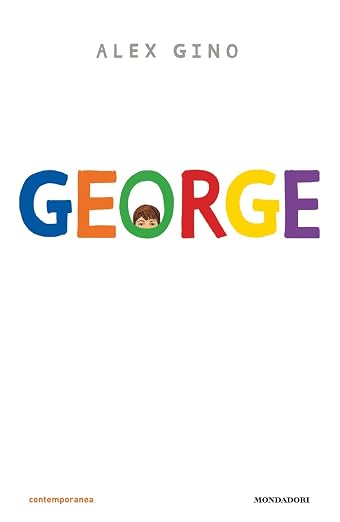
Prematurely extinguishing the magic of childhood is certainly the worst sin of all; left to face the horrors of war—like Kostya in Viola Ardone’s Another Life, Einaudi— targets of peer bullying—in Eloy Moreno’s Invisible, Mondadori—or placed at the center of family troubles—like Nico in Ilaria Bernardini’s We Will Make a Forest, Mondadori—some children are prevented from smiling, and this almost always due to adults’ responsibilities. As in the case of George, or rather Melissa, by Alex Gino (Mondadori, translated by Matteo Colombo); who applies for the role of the female lead during rehearsals for the fourth-grade play, the little George/Melissa will learn to express herself thanks to the support of her brother and her friend Kelly (but not her mother or the teacher). A novel that invites us to reflect on gender identity but above all on how magical children deserve happiness. Without ifs or buts.
Tommy and Lisa,The Defender Brothers by Alice Basso, the characters in books and the power of becoming someone else
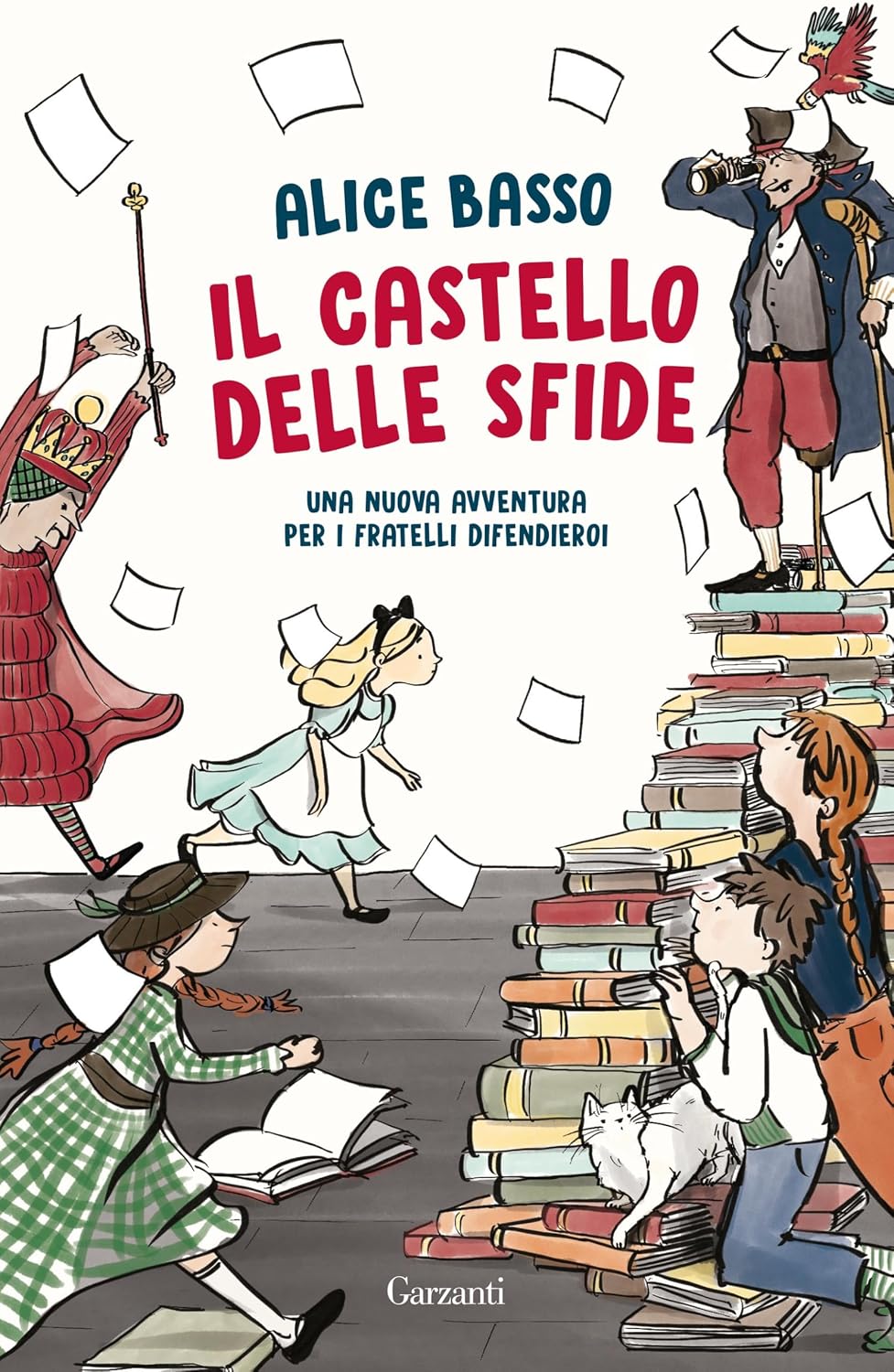
To maintain a relationship with our magical children, children’s literature (as with toys and cartoons) represents a direct emotional channel. Because it takes us back in time each time we engage with it. And perhaps that is why the misadventures of The Defender Brothers by Alice Basso (Garzanti) excite us as if we were first-time readers; catapulted inside the books to help the famous champions who once kept us company (from Pinocchio to the Blue Fairy, from Huckleberry Finn to The Little Prince), the brave Tommy and Lisa challenge the authors’ narratives to defend their beloved characters from all injustices they were subjected to for plot reasons. Only to discover that some misadventures—especially literary ones—are the best way to prepare us for life without risking too much harm. In the next novel, The Castle of Challenges, the two siblings will found a Defender Agency to free Alice from the inhospitable cat-ward where the Queen of Hearts has held her prisoner for some time.
A twenty-nine-year-old unemployed woman in Even Magical Girls Go to Retirement by Seolyeon Park, adulthood and the power to become magical again
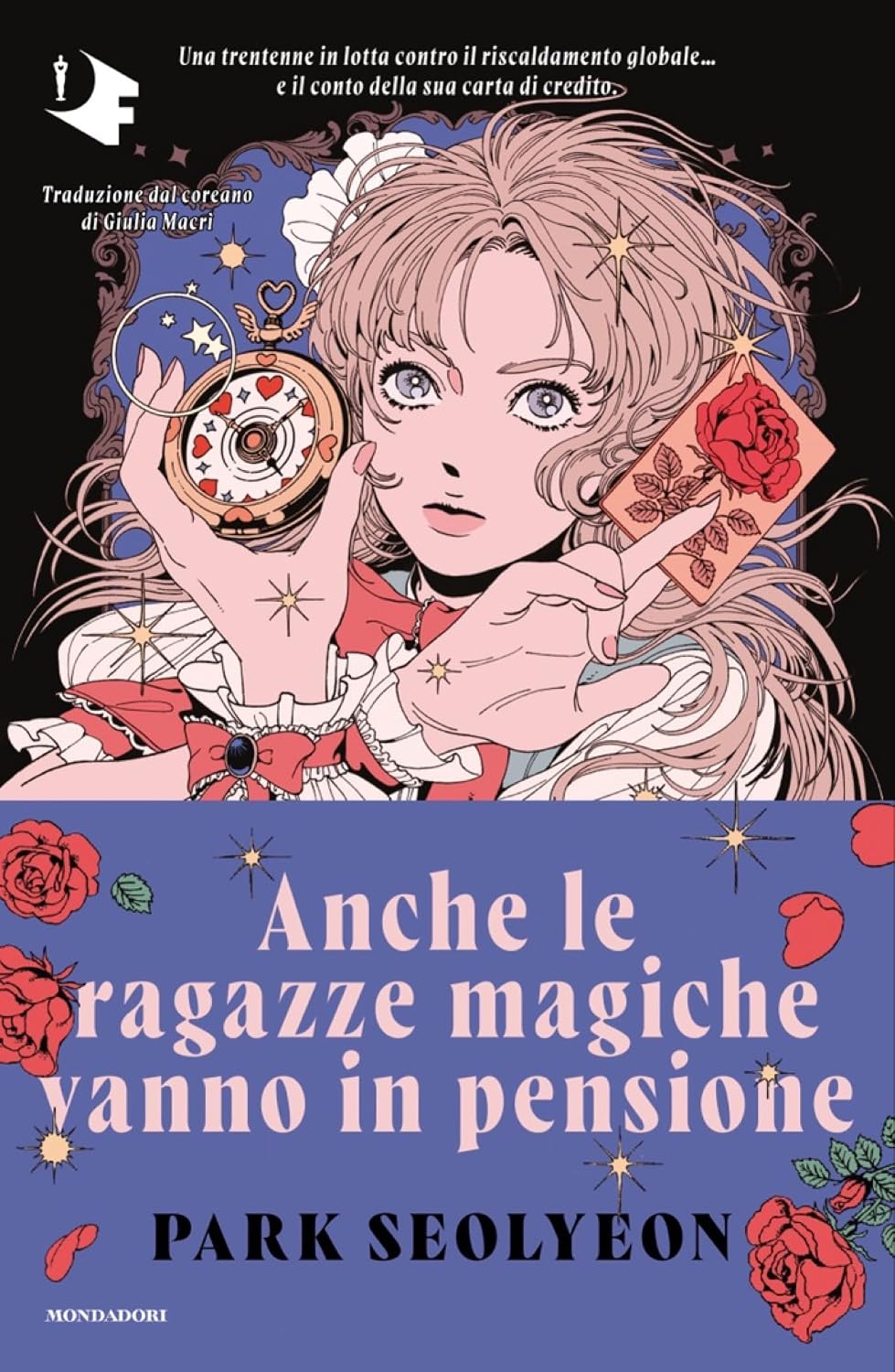
Most recently—and not without a pinch of sarcasm—we meet a Korean twenty-nine-year-old who is no longer a child but becomes magical late in life (in the urban fantasy Even Magical Girls Go to Retirement by Seolyeon Park, Mondadori, translated by Giulia Macrì). Just when she least expects it: determined to end it all because she is unemployed and overwhelmed by debt, the heroine is saved instead by Ah Roa, the coordinator of the National Association of Magical Girls who has chosen her as the perfect successor to the role of Time Governor. Becoming a majokko in late adolescence, however, is not a game for girls but a real professional job: with a bank account in place of the magic wand and with the world collapsing under the climate crisis, rediscovering herself as magical children is indeed a great responsibility, but still wonderful (especially for the Sailor Moon–style transformation, which is the most viral sequence of any respectable anime).
La strada di Winnie Puh
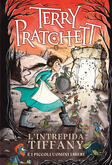
L’Intrepida Tiffany e i Piccoli Uomini Liberi
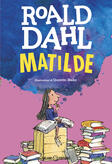
Matilde
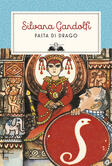
Pasta di Drago
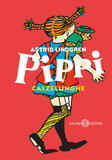
Pippi Calzelunghe ed. 80 anni
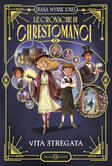
Vita stregata. Le cronache di Chrestomanci
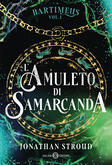
L’amuleto di Samarcanda
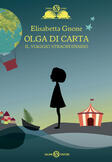
Olga di carta 1. Il viaggio straordinario

Le avventure di Peter Pan
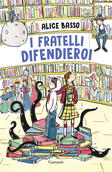
I fratelli difendieroi
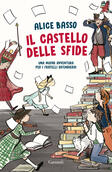
Il castello delle sfide
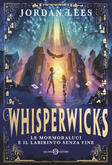
Whisperwicks
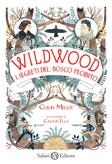
Wildwood
Young girls and boys, is anyone missing from the lineup? Here are other magical girls and boys of literature that we absolutely cannot forget:
- Lavinia in The Incredible Story of Lavinia by Bianca Pitzorno, Einaudi;
- Anne Shirley in Anne of Green Gables by Lucy Maud Montgomery, Gallucci;
- Edwid and Elizabella Cotton in Whisperwicks by Jordan Lees, Salani;
- Prue and Mac McKeel in The Secrets of the Forbidden Forest. Wildwood by Colin Meloy, Salani;
- Coraline by Neil Gaiman, Mondadori;
- Abi, Louis and Max in The Temple of Green Magic by Hilary McKay, Giunti;
- Oscar Matzerath in The Tin Drum by Günter Grass,Feltrinelli;
- Ravani Foster in The Midnight Boys by Dan Gemeinhart, Giunti;
- Nina in The Girl from the Sixth Moon by Moony Witcher, Giunti;
- Emilia in My Little Witch by Bianca Pitzorno, Einaudi.
