In September of last year we spoke about the buzz in the libraries of the Lombard capital, between new openings and the restyling of historic shops. A year later, along the streets of the Milano dei libri, there is no shortage of news, with openings of spaces dedicated to reading and publishing and with themed temporary shops.
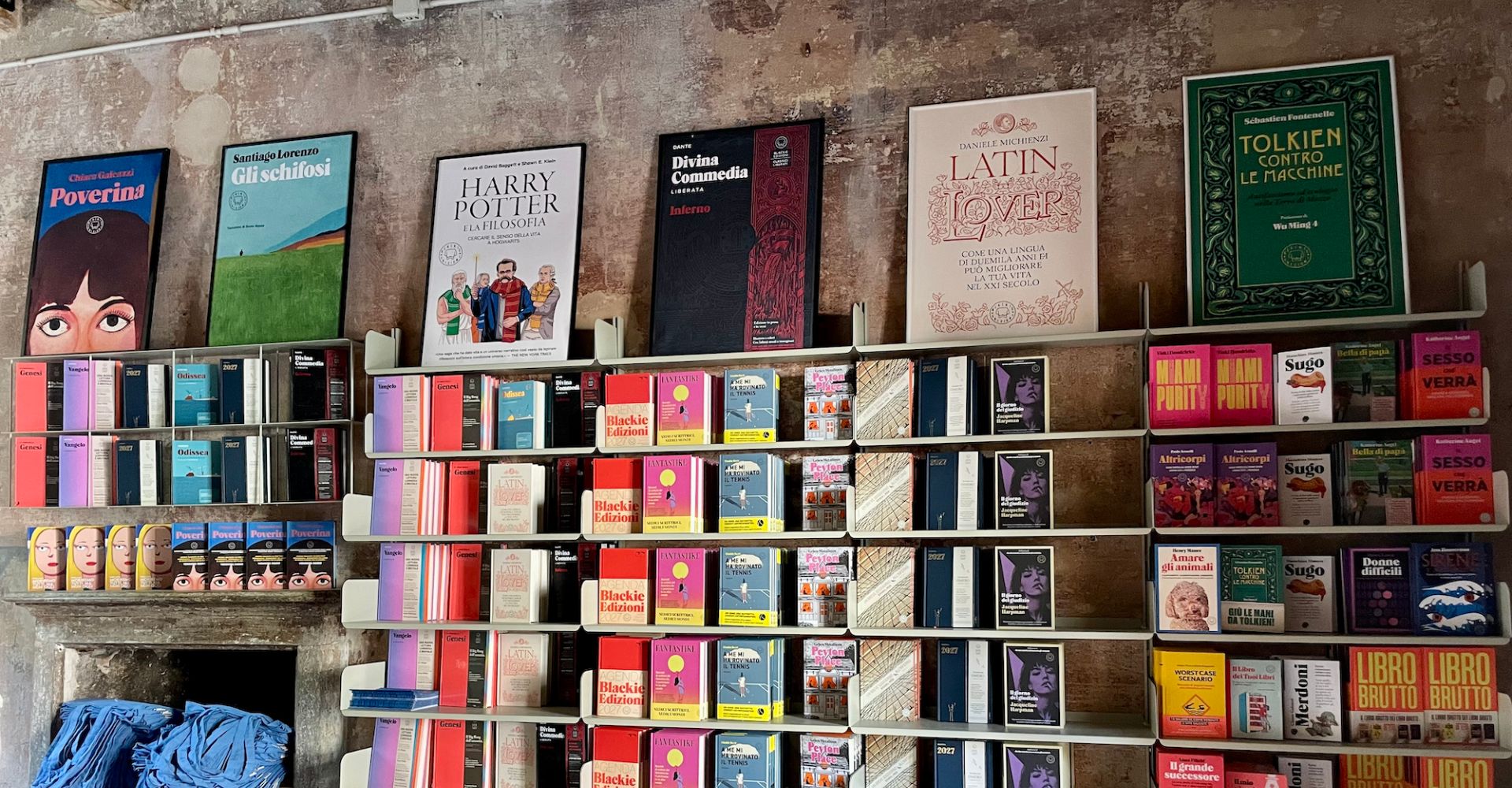
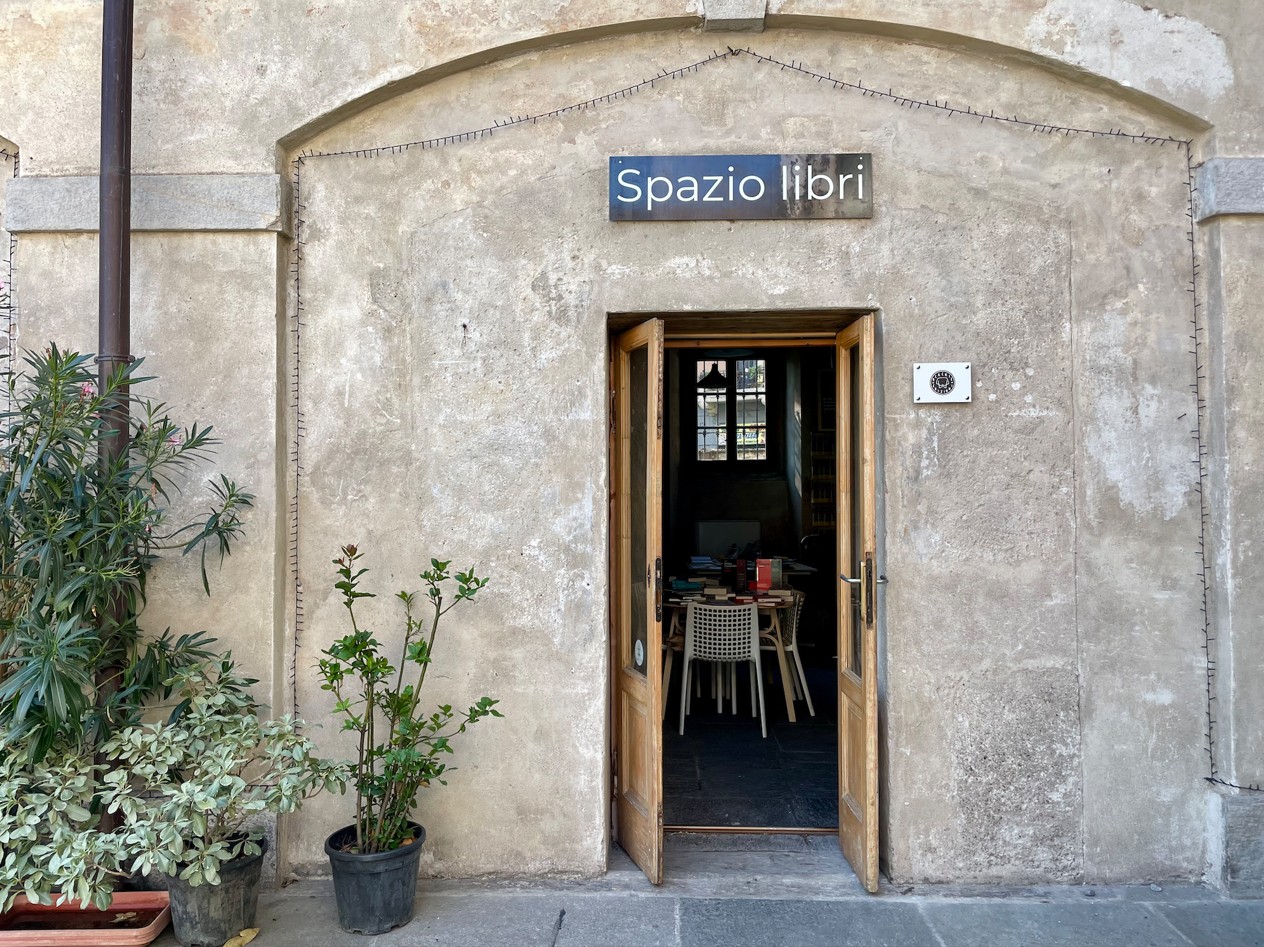
On top of these novelties comes another one from Blackie Edizioni: the publishing house, the Italian offshoot of the independent brand founded in Barcellona, which reached us in 2020, changes its address and moves inside the walls of Cascina Cuccagna, in the Piazzale Lodi area.
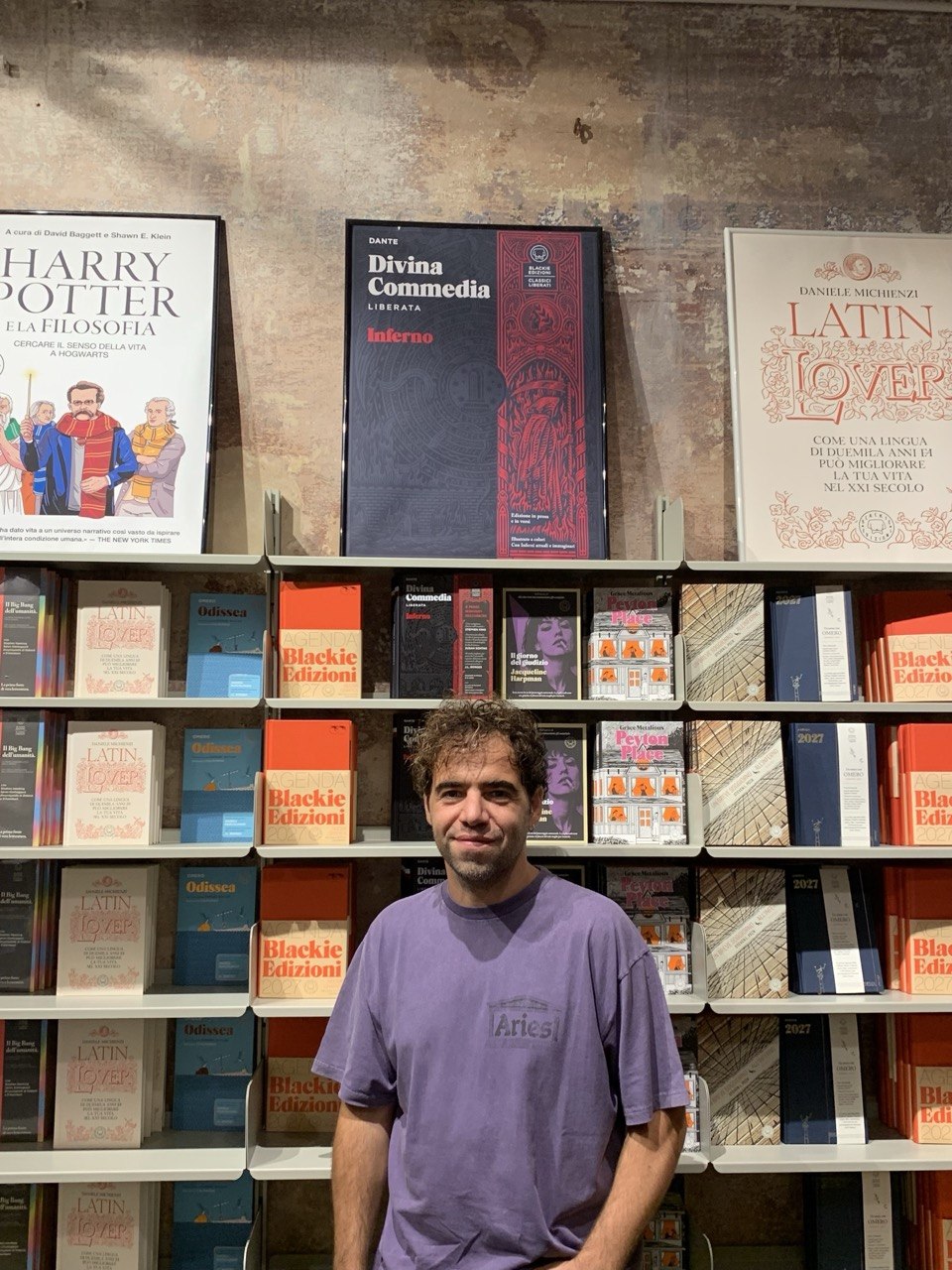
Blackie inaugurates a genuine cultural space, where the editorial team is ready to welcome readers to “chat about our books directly with those who create them,” as the publisher’s announcement reads: from Monday to Friday, during working hours, anyone can wander among the shelves of Casa Blackie – Spazio Libri, which host the publishing house’s catalog, ranging from pop non-fiction to contemporary fiction, passing through the well-known travel exercise notebooks for adults (and for young people) and the re-edited and “liberated” classics. The space, moreover, remains open also on the second weekend of every month, during Cascina Cuccagna’s “domenica bestiale.”
In the future, events, talks, presentations and workshops related to the world of books and publishing will also be organized.
As we had reported, Blackie Edizioni takes its name from the old dog owned by its founders, Jan Martí and Alice Incontrada, a quirky character, mascot and a myth among the neighborhood’s dogs.

Proprio con l’editore e co-fondatore Jan Martí abbiamo avuto l’occasione di parlare in occasione della presentazione della nuova sede a libraie e librai.
How did the idea for the publishing house that you co-founded in Barcelona in 2009 come about? And how has Blackie evolved over time?
“I founded Blackie Spain together with my partner, Alice Incontrada, when we were just 27. The idea emerged from the background we carried with us. I had worked as an intern at several publishing houses, and I played in a band that was fairly popular in Spain at the time. Alice also worked on cultural projects, as a producer of events for festivals and museums… We had already learned how to present a cultural project to an audience that was mostly unfamiliar with it. The publishing house idea was to speak to our peers.”
What were the first releases?
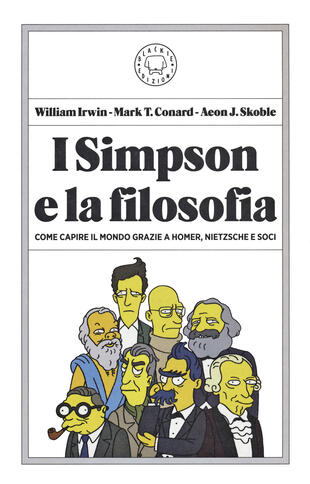
“We started with four books, very eclectic, in 2009: I Simpson e la filosofia, a humorous left-wing manifesto from the 1960s, a memoir by a rock singer, and a nineteenth-century classic. Very different works, but over time they would fit into the catalog. Another area we focused on was the physical aspect of the book.”
In what sense?
“We cared about offering beautiful editions, with an artisanal touch and attention to materials: the book, for us, is also an object.”
What were the early responses from readers?
“Two of the first four books did quite well, which allowed us to keep growing. Now in Barcelona we work with a team of about 20: we’re a much larger entity, yet still independent, and among the largest independent publishing houses in Spain.”
And what about bringing the imprint to Italy?
“From a special bond we both share with this country. Alice is half Italian, and I studied Italian and my father did as well. My grandparents had Italian friends and wanted culture to be present in the family. The first thing we did was connect with Mario Bonaldi (the publishing house’s Editorial Director): I knew we shared the same view of books and a similar cultural line. So we began: we did several trials and started with projects based on the Spanish ones, such as the Quaderno di compiti delle vacanze per adulti and some novels, like Gli schifosi by Santiago Lorenzo.”
In what ways do the catalogs of the two publishing houses align and differ?
“We didn’t want to simply import into the Italian catalog the titles we had published in Spain. We were interested in translating the essence of the publishing house, what it represents in Spain, here in Italy. We studied the local market and understood how it differed from Spain, with the aim of opening an Italian Blackie: I think we managed it, and it’s what I’m most proud of. The Italian catalog has stood out for certain titles, such as Io che non ho conosciuto gli uomini by Jacqueline Harpman and other titles that embody Blackie in content yet make it unique compared to its Spanish counterpart.”
Blackie Italia is preparing to tackle several novelties, starting with the relocation. What’s the verdict after these first six years?
“I’m proud of the team we have in Italy: Elena Ancordi, Mario Bonaldi and Simone Pappalettera and all our collaborators, who share Blackie’s message, namely to stay small, eclectic, doing things that are often very different but, above all, in an almost artisanal way. Our message is to be a bit countercurrent and to fight for what we want to tell and for the beautiful things we want to share.”
The Spanish publishing scene is enjoying a positive moment. What are the main reasons behind this phase?
“I can confirm, people talk about a ‘Spanish miracle,’ and I think it’s due to several factors: certainly the good economic moment the country is enjoying, plus a solid network of independent bookstores, which helps even smaller publishers to rise. Another influential factor is word of mouth on social media: creators and content on platforms make reading fashionable, not just among the youngest. But this is happening in Italy as well. At the same time, many aspects remain unpredictable, such as which books make it onto the lists.”
For example?
“One of the latest successes is a 600-page novel, La península de las casas vacías by David Uclés (in Italy La penisola delle case rotte, published by Neri Pozza and translated by Sara Cavarero, ndr), a book that recounts the Spanish Civil War with a style that recalls Gabriel García Márquez’s magical realism. Another surprising bestseller was Comerás flores by Lucía Solla Sobral, a debut author. But many other genres work well, such as romantasy. And not only that: we have sold very well with the Blackwater series (edited in Italy by Neri Pozza, ndr), which has reached one million copies.”
Let’s talk instead about the Classici Liberati, the series that, between Spain and Italy, presents the classic works of literature in an innovative version.
“The Classici Liberati project is indeed very curious. It might surprise that a publishing house like Blackie, eclectic and geared toward the modern, would publish classics like the Odyssey, the Aeneid, or Dante’s Inferno. But it’s true that what matters is the spirit in which things are done and the goal in mind. We wanted to emphasize how beautiful and fun the classics could be. ‘Liberating’ them from fear and from the sense of guilt that can arise when approaching a classic, liberating from the fear of not understanding it or reading it in verse. Regarding the Odissea Liberata, which is taking center stage this summer, we proposed a prose edition, based on Samuel Butler’s English version: a version that, according to Jorge Luis Borges, most closely reflected how the ancient Greeks perceived the original verses. And we added notes that resemble a kind of book club that travels through time: who read it and commented in the 10th century, who in the 12th; Bowie listened to it while writing the lyrics to a song… and so on. In short, a secret path that every classic traverses, which we aimed to bring back to light so that readers can participate.”
To conclude, which Italian and Spanish authors, both women and men, would you recommend (re)discovering?
“Regarding Spain, I’d name the Catalan Mercè Rodoreda (1908–1983), (in Italy published by La nuova Frontiera, ndr), one of my favorites. As for an Italian author, Gianni Rodari is indispensable, tied to one of our first projects.”
That is to say?
“For us, Rodari isn’t just an author to be read when you’re little; he deserves to be rediscovered as an adult as well. That’s why one of our first projects was to bring him to Spain. He even featured in one of our early books: a collection by the author called Il libro della fantasia which had two fabric bookmarks: one for young readers and one for adults, so they could read it together. And then, on the occasion of his centenary, we published another book, Il gran libro di Gianni Rodari.”